
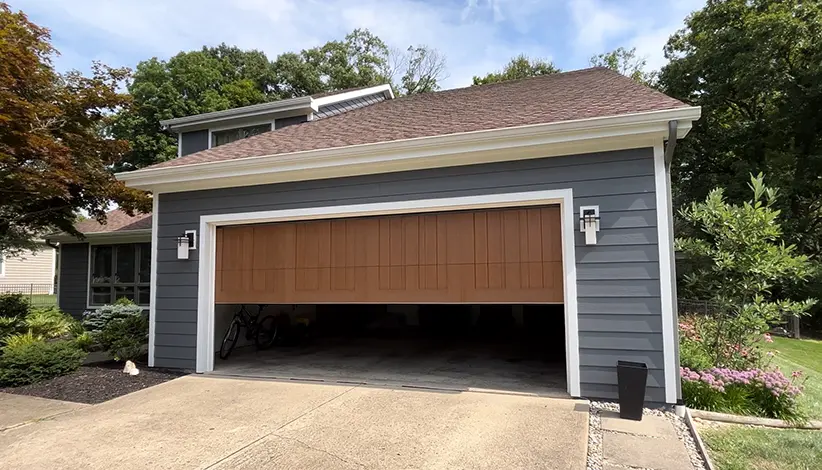
Leaving your garage door partially open might seem like a minor oversight, perhaps a quick fix before heading out or a way to air out the space. However, this seemingly small act can unravel a cascade of potential problems, ranging from minor inconveniences to significant security and safety risks.
Understanding the full implications of a door left ajar is crucial for homeowners aiming to protect their property, belongings, and loved ones.
The immediate thought might be about weather. A partially open garage door offers little protection against rain, snow, or wind. Water can seep in, damaging stored items, leading to mold and mildew growth, and potentially affecting the garage door mechanism itself.
Extreme temperatures can also cause issues, making your garage an uncomfortable space and potentially stressing sensitive components of your garage door opener system. But the risks extend far beyond the elements, touching upon security vulnerabilities, pest infestations, and even potential safety hazards for children and pets.
Key Takeaways
- Security Risks: A partially open garage door creates an easy entry point for burglars, compromising home security.
- Pest Infestations: Gaps allow rodents, insects, and other unwelcome creatures to enter, causing damage and health concerns.
- Weather Damage: Unprotected interiors are vulnerable to rain, snow, wind, and extreme temperatures, leading to property damage and mechanical issues.
- Safety Hazards: Exposed mechanisms and the open space pose risks to children and pets, increasing the chance of accidents.
- Energy Inefficiency: A gap allows conditioned air to escape from the house and unconditioned air to enter the garage, increasing utility costs.
- Mechanical Strain: Forcing the door to stay partially open can put undue stress on springs, openers, and tracks, leading to premature wear and costly repairs.
- Aesthetic Concerns: A door left awkwardly ajar can detract from your home’s curb appeal.
Credit: www.clopaydoor.com
Security Vulnerabilities Of A Partially Open Garage Door
The most pressing concern when a garage door is left even slightly ajar is the significant compromise to home security. A garage is often a primary entry point into a home, and leaving it partially open is akin to leaving a window unlocked and slightly ajar. This creates an immediate and obvious vulnerability that opportunistic thieves can exploit with minimal effort.
Easy Access For Burglars
Burglars often look for the path of least resistance. A garage door that is not fully closed presents just that. They can often easily reach in to disengage the emergency release mechanism, allowing them to open the door fully manually.
From there, they have access to the garage itself, which may contain valuable tools, recreational equipment, or even direct access to the main living area of the house through an interior door. According to FBI statistics, property crimes, including burglary, remain a significant concern for homeowners nationwide.
While specific data on garage door breaches is scarce, the general principle of opportunity crime suggests that any visible weakness will be targeted.
Increased Risk Of Vehicle Theft
Many people store their vehicles inside their garages. A partially open garage door makes it incredibly easy for thieves to drive away with your car, truck, or motorcycle. This is particularly true if the garage door opener remote is left inside the vehicle or if the opener’s rolling code security has been compromised or is outdated.
The National Insurance Crime Bureau (NICB) consistently reports on vehicle theft trends, and while they don’t isolate garage-related thefts, the ease of access provided by an unsecured garage is a clear contributing factor.
Exploitation Of Smart Home Systems
In an era of smart homes, a partially open garage door can also pose a risk to connected systems. If the garage door opener is Wi-Fi enabled, an open door could potentially be a point of entry for hackers to gain access to the home network.
While this is a more sophisticated threat, it’s not impossible. A compromised opener could allow unauthorized access or control of the garage door, or worse, provide a backdoor into other connected devices within the home.
Credit: www.reddit.com
Pest Infestations: An Unwelcome Consequence
Beyond security risks, a garage door left partially open creates a welcoming invitation for a wide array of pests. Garages are often used for storage, and the clutter can provide ideal hiding places for unwanted guests. An open door makes their entry effortless, leading to potential damage and health concerns for your household.
Entry Point For Rodents
Mice and rats are adept at squeezing through small openings. A gap of just half an inch can be enough for a mouse to enter, and larger gaps pose no challenge for rats. Once inside, they can chew through stored items, electrical wiring (posing a fire risk), and insulation.
They also leave behind droppings and urine, which can spread diseases and create unpleasant odors. The Centers for Disease Control and Prevention (CDC) highlights the health risks associated with rodent infestations, including the transmission of hantavirus and salmonellosis.
Insect And Arachnid Invasion
Many insects and spiders are also attracted to the dark, sheltered environment of a garage. Ants can march in seeking food or shelter, and spiders can build webs, some of which may be from venomous species like black widows, depending on your geographic location.
Cockroaches can also find their way in, bringing with them unsanitary conditions and potential allergens. A partially open door provides a direct highway for these creatures to establish colonies within your garage and potentially move into your home.
Larger Animal Intrusion
Depending on your location, a partially open garage door could even allow larger animals to enter. Raccoons, opossums, stray cats, or even skunks might see the garage as a safe haven or a source of food if trash cans are stored there.
These encounters can be dangerous, especially if the animal feels cornered or threatened, and can lead to property damage or the introduction of parasites and diseases.
Credit: store.geniecompany.com
Weather And Environmental Damage
A garage door’s primary function, beyond security, is to protect the contents of your garage and the adjacent living space from the elements. Leaving it partially open negates this protective function, exposing your property to a variety of environmental hazards.
Water Damage And Mold Growth
Rain and melting snow can easily enter through a partially open garage door, pooling on the floor and potentially seeping into stored items like boxes, furniture, or even vehicles. This moisture creates an ideal breeding ground for mold and mildew.
Mold spores can spread throughout the garage and even into the living areas of your home, causing respiratory problems and damaging building materials. The U. S. Environmental Protection Agency (EPA) provides extensive guidance on mold prevention and remediation, emphasizing the importance of controlling moisture.
Extreme Temperature Fluctuations
A garage is often designed to be an extension of your home’s thermal envelope, especially if it’s an attached garage. Leaving the door open allows conditioned air from your home to escape into the garage and unconditioned air from outside to enter.
This can significantly increase your energy bills as your HVAC system works harder to maintain comfortable temperatures. Furthermore, extreme heat can damage sensitive items stored in the garage, such as paint, certain chemicals, or electronics. Extreme cold can freeze pipes if they are present in or near the garage, and can also cause lubricants in garage door mechanisms to thicken, making operation difficult.
Wind And Debris
Strong winds can buffet a partially open garage door, potentially causing it to slam shut unexpectedly or even break its tracks if it’s not properly supported. Wind can also blow dust, leaves, and other debris into the garage, creating a mess and potentially damaging stored items or the garage door opener’s sensors.
Safety Hazards For Family And Pets
The open space and exposed mechanisms of a partially open garage door present significant safety risks, particularly for children and pets who may not understand the danger.
Tripping And Falling Hazards
The gap created by a partially open garage door, coupled with potential debris or tools stored nearby, can create tripping hazards. Children, especially, might not notice the obstruction and could fall, leading to injuries.
Entrapment Risks
A garage door that is only partially closed could be accidentally triggered to close further, potentially trapping a small child or pet underneath. While modern garage door openers have safety reversal mechanisms, these rely on the door being able to fully close and the safety sensors being unobstructed.
A partial opening might bypass some safety features or create a situation where the reversal mechanism is not engaged effectively.
Exposed Mechanisms
The moving parts of a garage door system, including chains, belts, and torsion springs, can be dangerous if exposed. A partially open door might make these mechanisms more accessible to curious children or pets, increasing the risk of entanglement or injury.
It’s crucial to keep these components protected and inaccessible.
Mechanical Strain And Premature Wear
Operating a garage door requires precise tension in its springs and balanced movement. Leaving the door partially open, especially if it’s held in place by an external object or if the opener is straining to hold it, can put undue stress on the entire system.
Spring Fatigue
Garage door springs (torsion springs above the door or extension springs along the tracks) are designed to counterbalance the weight of the door. If the door is left partially open for extended periods, these springs can remain under constant, uneven tension. This can lead to premature fatigue, weakening, and eventual breakage. Replacing garage door springs can be a costly and dangerous job, often requiring professional expertise. You can learn more about maintaining these components by reading about how to lube garage door rollers, which contributes to overall system health.
Opener Motor Strain
Garage door openers are designed to lift and lower the door’s weight. If the door is stuck partially open, the opener’s motor may be continuously engaged or straining to hold the door’s position. This can lead to overheating, premature wear on the motor and gears, and eventual failure. In some cases, the opener might interpret the resistance as an obstruction and repeatedly try to open or close the door, which is also detrimental. Adjusting the opener’s force settings might be necessary if you notice unusual strain, but the best solution is to ensure the door closes fully. For openers like LiftMaster, understanding how to reset Liftmaster garage door opener remote can help resolve minor glitches, but it won’t fix underlying mechanical strain.
Track And Roller Damage
A garage door moves along specific tracks. If the door is left partially open and subjected to wind or accidental bumps, it can be knocked off its tracks or damage the rollers. This can lead to binding, difficult operation, and further damage to the door panels and the track system. Regular maintenance, including ensuring rollers are properly lubricated, is key to smooth operation, as detailed in guides on how you lubricate garage door rollers.
Energy Inefficiency And Increased Costs
Beyond the direct damage and security risks, a partially open garage door contributes to energy inefficiency, leading to higher utility bills. Garages, especially attached ones, are part of your home’s overall thermal envelope.
Air Leakage
When a garage door is not fully sealed, it creates a significant air leak. This allows warm air from your heated home to escape into the garage during colder months, forcing your furnace to work harder. Conversely, during warmer months, hot air from the garage can infiltrate your home, making your air conditioner run more often.
This constant exchange of air significantly impacts your home’s energy efficiency.
Impact On Adjacent Rooms
If your garage is attached to your home, the temperature fluctuations caused by an open garage door can directly affect the comfort of adjacent rooms, such as bedrooms, living areas, or kitchens. This necessitates increased energy consumption to maintain desired indoor temperatures.
Reduced Insulation Effectiveness
The garage door itself, and the garage walls, often contribute to the home’s insulation. A partially open door bypasses this insulation, allowing for direct heat transfer between the interior and exterior environments.
Aesthetic And Property Value Concerns
While perhaps less critical than security or safety, leaving your garage door partially open can also negatively impact your home’s curb appeal and potentially its property value.
Unsightly Appearance
A garage door that is not fully closed simply looks unfinished and neglected. It detracts from the overall appearance of your home’s facade, making it seem less inviting and well-maintained. This can be particularly noticeable to neighbors and visitors.
Rental Property Implications
For those who rent out properties, an unsecured or improperly functioning garage door can lead to tenant dissatisfaction and potential issues with insurance or lease agreements. Ensuring all access points are secure is a basic requirement for responsible property management.
Perceived Lack Of Maintenance
A visible sign of neglect like a partially open garage door can lead potential buyers or appraisers to assume that other aspects of the property’s maintenance have also been overlooked. This perception can negatively affect a home’s market value. Understanding how much for a garage door, including repair and replacement costs, highlights the importance of proper care to protect your investment.
Preventing The Problem: Best Practices
Fortunately, preventing the issue of a partially open garage door is straightforward and involves a combination of awareness, habit, and technology.
Develop A Routine
The simplest solution is to make it a habit to ensure the garage door is fully closed every time you leave or when you are retiring for the night. This requires conscious effort initially but becomes second nature with practice.
Check Before You Leave
Before starting your car and driving away, take a quick glance to confirm the garage door is fully down. This small action can prevent many potential problems.
Utilize Technology
Modern garage door openers often come with features designed to prevent doors from being left open.
- Automatic Close Feature: Many openers have a programmable timer that will automatically close the door after a set period (e.g., 5, 10, or 15 minutes). Consult your opener’s manual to see if this feature is available and how to program it.
- Smart Garage Door Openers: Wi-Fi-enabled openers allow you to monitor your garage door’s status via a smartphone app. You can check if it’s open or closed and even close it remotely if you forgot. Some apps can also send alerts if the door has been left open for too long.
- Visual Indicators: Some systems have external lights or signals that indicate the door’s status.
Secure The Emergency Release
While not a preventative measure for leaving it open, understanding the emergency release is important. If you need to operate the door manually, ensure you know how to properly re-engage the opener afterward. This is covered in guides like how can I open my garage door manually.
Regular Maintenance
Ensure your garage door system is functioning correctly. A door that is difficult to close or has alignment issues might be more prone to being left partially open or may not close fully. Regular checks of the tracks, rollers, and opener settings are essential. This includes ensuring the opener’s force settings are correctly adjusted, as detailed in guides on how you adjust a Chamberlain garage door opener.
Comparison Of Risks Associated With Partially Open Garage Doors
To better illustrate the multifaceted risks, consider this table comparing the primary concerns:
| Risk Category | Specific Issues | Severity | Potential Consequences |
|---|---|---|---|
| Security | Easy access for burglars, vehicle theft, network intrusion | High | Loss of property, financial loss, identity theft |
| Pests | Rodents, insects, larger animals entering | Medium to High | Property damage, disease transmission, structural damage |
| Weather/Environment | Water damage, mold, extreme temperatures, debris | Medium | Property damage, health issues, increased energy costs |
| Safety | Tripping hazards, entrapment, exposed mechanisms | High (especially for vulnerable individuals) | Personal injury, pet injury |
| Mechanical | Spring fatigue, opener strain, track/roller damage | Medium | Costly repairs, premature system failure |
| Energy Efficiency | Air leakage, increased utility bills | Low to Medium | Higher operating costs for the home |
Real-world Scenarios
Consider these hypothetical, yet common, scenarios that highlight the dangers:
Scenario 1: The Rushed Departure
Sarah is running late for work. She pulls her car out of the garage and, in her haste, doesn’t wait to ensure the garage door closes completely. It stops about two feet from the ground. She assumes she’ll check it when she gets home.
During the day, a strong gust of wind blows debris into the garage, scratching her car’s paintwork. Later that evening, her neighbor mentions seeing a teenager peering into her garage window earlier that afternoon. While nothing was taken, Sarah realizes how vulnerable her home was due to the open door.
Scenario 2: The Forgotten Closing
Mark and Lisa recently moved into a new home. They are still getting used to the new garage door opener. After unloading groceries, Mark closes the door but doesn’t fully confirm it’s sealed. That night, a heavy rainstorm hits. The next morning, they discover a significant amount of water has seeped into the garage, soaking several storage boxes containing important documents and family photos.
They also notice a musty smell, indicating potential mold growth starting.
Scenario 3: The Curious Pet
The Johnson family has a curious Golden Retriever named Buddy. One afternoon, their young son accidentally leaves the garage door partially open while playing in the driveway. Buddy, attracted by a squirrel, slips into the garage. While exploring, he gets his paw caught in the partially open door mechanism as it’s nudged by the wind.
Thankfully, the family hears his whimpers and rescues him, but he sustains a minor injury and is traumatized. This incident prompts them to always ensure the door is fully closed and to supervise children playing near it.
Frequently Asked Questions
What Is The Minimum Gap That Is Considered Unsafe For A Garage Door?
Even a small gap, as little as six inches, can be enough for pests like mice to enter. For security, any gap that allows a hand or tool to reach the emergency release mechanism (typically 1-2 feet off the ground) is a significant vulnerability. For weather protection and energy efficiency, any gap that allows air exchange is detrimental.
Can A Partially Open Garage Door Damage The Opener Motor?
Yes, absolutely. If the door is stuck partially open due to an obstruction or a malfunction, the opener motor can strain to hold its position or repeatedly try to move it. This continuous effort can lead to overheating, damage to the motor, gears, and other components, significantly reducing the opener’s lifespan and potentially requiring costly repairs or replacement.
How Can I Tell If My Garage Door Opener Has An Automatic Close Feature?
Check your garage door opener’s user manual. This feature is often programmable through the control panel or via a smartphone app for smart openers. Look for settings related to “auto-close,” “timer-to-close,” or similar terminology. If you cannot find the manual, search online for your specific opener model number.
Is It Safe To Leave The Garage Door Partially Open Overnight?
No, it is generally not safe to leave a garage door partially open overnight. This significantly increases security risks, invites pests, exposes your home to weather damage, and can strain the garage door mechanism. It’s best practice to ensure the door is fully closed and secured every night.
What Should I Do If My Garage Door Gets Stuck Partially Open?
First, do not force it. Check for obvious obstructions in the tracks or under the door. If you find one, carefully remove it. If there’s no obstruction, examine the springs and cables for damage. If you suspect a mechanical issue or cannot resolve it yourself, it’s best to disengage the opener (using the emergency release cord) and manually close the door if possible, or call a professional garage door technician to diagnose and repair the problem. Attempting to operate a malfunctioning door can cause further damage or injury.
Leaving your garage door partially open might seem like a minor inconvenience or a temporary oversight, but the consequences can be far-reaching and costly. From compromising the security of your home and vehicles to inviting pests, damaging your property with weather, and even creating safety hazards for your family, the risks are substantial.
Furthermore, it leads to energy inefficiency and can cause premature wear on your garage door system, resulting in expensive repairs. Making it a habit to ensure your garage door is fully closed, utilizing the smart features available on modern openers, and performing regular maintenance are simple yet effective ways to mitigate these risks and protect your home and its contents.
Prioritizing the secure closure of your garage door is a small step that yields significant peace of mind and long-term savings.