
Painting a metal garage door can transform the look of your home. A fresh coat of paint can make your garage door look new, add curb appeal, and protect the metal from rust and weather damage. Many homeowners worry about painting metal surfaces because they fear the paint won’t stick or will peel quickly.
The truth is, painting a metal garage door is not hard if you follow the right steps. With careful preparation, the right tools, and good techniques, you can get a smooth, lasting finish that stands up to time and weather.
In this article, you’ll learn everything you need to know about painting a metal garage door. We’ll cover what materials you need, how to prepare the surface, which paints work best, and step-by-step instructions from start to finish. You’ll also get practical tips, advice for dealing with common problems, and answers to frequent questions.
Whether your door is old and rusty or just needs a color change, you’ll find clear, simple guidance here. Let’s dive in and make your garage door look its best.
Why Paint A Metal Garage Door?
Most garage doors are large and visible from the street. Painting them is not only about looks. Metal doors face rain, sun, snow, and wind. Over time, paint fades, peels, or rust appears. Repainting helps in several ways:
- Boosts curb appeal – A fresh color can change the whole house’s look.
- Protects against rust – Quality paint keeps water away from metal.
- Extends door life – Paint acts as a shield, reducing wear and tear.
- Easy maintenance – Painted doors are simpler to clean and repair.
- Personal expression – Choose colors that match your style.
Many people overlook the practical side. For example, faded paint lets moisture in, which speeds up rust. A quick paint job can save you from expensive repairs or replacement down the road.
Materials And Tools You’ll Need
Painting a metal garage door isn’t just about paint and brush. Having the right supplies ensures a smooth, lasting result. Here’s what you’ll need:
- Paint: Exterior metal paint or specialty garage door paint
- Primer: Rust-inhibiting or metal primer
- Sandpaper: Medium (120-150 grit) and fine (220-240 grit)
- Wire brush: Removes rust and flaking paint
- Painter’s tape: For masking windows, handles, or trim
- Drop cloths: Protects driveway and floor
- Paintbrushes: For edges and corners
- Roller: For large, flat surfaces
- Paint tray
- Gloves: Protects hands from chemicals
- Safety goggles: Shields eyes from dust and paint
- Cleaning supplies: Mild detergent, sponge, water
- Screwdriver: To remove handles or hardware
- Weatherproof caulk: For sealing gaps (optional)
- Dust mask: Prevents breathing in dust or fumes
Optional Equipment
- Spray paint machine: For smooth, fast application (if you have experience)
- Rust converter: For severe rust patches
- Ladder: If your garage door is tall
Many beginners forget drop cloths and painter’s tape. These simple tools keep the job neat and prevent accidental paint stains.

Choosing The Right Paint And Primer
Picking the best paint for a metal garage door is crucial. Not all paints stick well to metal, and some fade or peel fast. Here’s how to choose:
Paint Types
- Acrylic latex paint: Flexible, resists cracking, easy to apply
- Oil-based paint: Durable, handles weather well, but takes longer to dry
- Specialty garage door paint: Designed for metal, resists UV and moisture
Acrylic latex is popular for its easy cleanup and fast drying, but oil-based paint often lasts longer. Specialty paints may cost more but save you from frequent repainting.
Primer Types
- Rust-inhibiting primer: Stops rust from spreading
- Bonding primer: Helps paint stick to smooth metal
- All-purpose metal primer: Good for most garage doors
Don’t skip primer. It makes a big difference in paint life and prevents peeling. Many new paints claim “paint and primer in one,” but for metal doors, separate primer is safer.
| Paint Type | Pros | Cons | Best For |
|---|---|---|---|
| Acrylic Latex | Fast drying, easy cleanup | Less durable than oil | Quick projects, mild climates |
| Oil-Based | Very durable, weather-resistant | Slow drying, strong odor | Harsh climates, long-lasting finish |
| Specialty Metal Paint | UV and rust protection, strong adhesion | Higher cost | High-traffic doors, professional finish |
Color Choice
Light colors reflect heat and sun, which helps in hot areas. Dark colors absorb heat, which may cause paint to age faster. Always check if your homeowners association or city has color rules.
Preparing The Metal Garage Door
Preparation is the most important step. Many painting failures happen because of poor prep. Here’s how to get the door ready:
Cleaning
- Mix mild detergent with water.
- Use a sponge to wash the door, removing dirt, oil, and dust.
- Rinse with clean water. Let the door dry completely.
Dirt and grease stop paint from sticking. If the door is very dirty, a degreaser helps.
Removing Old Paint And Rust
- Use a wire brush to scrape off loose paint or rust.
- Sand rough areas with medium grit sandpaper.
- For stubborn rust, apply rust converter (follow instructions).
- Sand again with fine grit for a smooth finish.
If you skip sanding, new paint may peel or bubble. Don’t rush this step.
Repairing Damage
- Fill small dents or holes with metal filler.
- Smooth the filler with sandpaper after it dries.
- Seal gaps with weatherproof caulk if needed.
Even minor cracks can let moisture in. Filling them stops future rust.
Masking And Protecting
- Cover windows, trim, and hardware with painter’s tape.
- Place drop cloths under the door.
This prevents paint splashes and keeps edges sharp.
Removing Hardware
If possible, take off handles, locks, or decorative pieces. Painting around hardware is tricky and may leave messy spots.
| Prep Task | Time Needed | Difficulty | Why It Matters |
|---|---|---|---|
| Cleaning | 30-45 min | Easy | Better paint adhesion |
| Rust Removal | 45-60 min | Medium | Stops future peeling |
| Masking | 15-20 min | Easy | Neat edges, clean surroundings |
| Hardware Removal | 10-15 min | Easy | Professional finish |
Applying Primer
Primer is your first line of defense against rust and peeling. Here’s how to apply it:
- Stir the primer well.
- Use a brush for edges and corners.
- Use a roller for flat sections.
- Apply in thin, even coats—don’t overload the brush.
- Let primer dry as recommended (usually 2-4 hours).
Don’t skip spots. Even small unprimed areas can rust. If your door has deep grooves, use a smaller brush to get inside.
How Many Coats?
One coat is usually enough, but if your door had heavy rust or old paint, use two coats. Let each coat dry fully.
Primer Tips
- Always use rust-inhibiting primer for metal.
- Don’t use wood primer; it won’t work.
- If the weather is humid, primer may take longer to dry.
Many beginners rush primer, but careful priming saves you trouble later.
Painting The Metal Garage Door
Once primer is dry, it’s time for paint. Here are the step-by-step instructions:
Step 1: Choose The Right Day
Paint on a dry, mild day. Ideal temperature is 50-85°F. Avoid painting in direct sun or rain. Paint dries unevenly in harsh conditions.
Step 2: Stir And Pour Paint
Stir paint well, then pour into a tray. This mixes in settled pigments.
Step 3: Start With Edges And Details
Use a brush to paint edges, corners, and decorative grooves. This prevents roller marks and gives a neat outline.
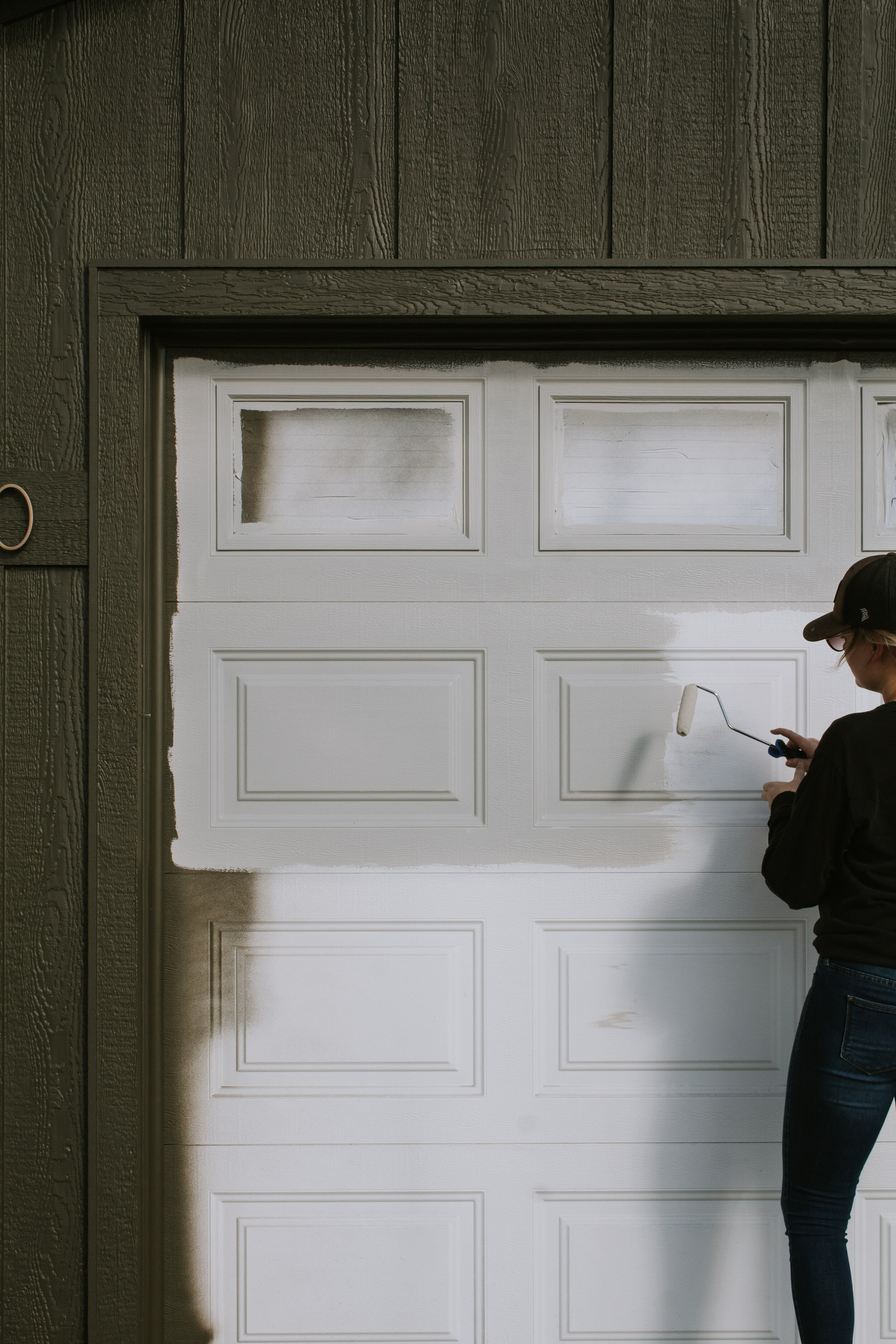
Step 4: Paint Large Areas
Use a roller for flat panels. Apply paint in thin, even layers. Don’t press too hard; this avoids streaks.
Step 5: Work Top To Bottom
Painting from the top down prevents drips from ruining finished areas.
Step 6: Let Paint Dry
Follow paint can instructions. Most paints dry to touch in 2-4 hours, but wait at least 6-8 hours before adding a second coat.
Step 7: Add Second Coat
Most garage doors need two coats for even coverage. This also boosts durability.
Step 8: Remove Tape And Clean Up
Take off painter’s tape before paint fully hardens (but after it’s dry to touch). Clean brushes and rollers right away.
Step 9: Reattach Hardware
Once paint is fully dry (usually 24-48 hours), reinstall handles, locks, or decorative items.
Step 10: Inspect And Touch Up
Check for missed spots or thin areas. Touch up as needed.
| Step | Tool | Time (per coat) | Common Mistake |
|---|---|---|---|
| Brush Edges | Paintbrush | 30 min | Skipping corners |
| Roll Panels | Roller | 45 min | Too thick coats |
| Drying | None | 2-4 hours | Painting too soon |
| Second Coat | Brush/Roller | 45 min | Skipping second coat |
Common Mistakes And How To Avoid Them
Painting a metal garage door seems simple, but many beginners make mistakes that ruin the finish or cause fast peeling. Here’s what to watch out for:
1. Not Cleaning Well
Paint won’t stick to dirt or grease. Always wash and rinse the door fully.
2. Skipping Primer
Primer is essential for metal. Skipping it leads to peeling and rust.
3. Painting In Bad Weather
Humidity, rain, or extreme heat cause paint to dry poorly. Wait for ideal conditions.
4. Using Wrong Paint
Not all paints are made for metal. Use exterior metal paint or specialty garage door paint.
5. Applying Thick Coats
Thick paint takes longer to dry and may sag or crack. Use thin, even coats.
6. Not Sanding
Smooth surfaces help paint stick. Sanding after cleaning is a must.
7. Not Removing Hardware
Painting around handles or locks leads to messy edges. Remove hardware when possible.
8. Skipping Drop Cloths
Paint can drip onto your driveway or floor. Use drop cloths to keep things clean.
9. Rushing Dry Time
Let each coat dry fully before adding the next. Rushing leads to smudges and poor adhesion.
10. Ignoring Rust
Even small rust spots can spread. Treat rust before painting.
Many beginners don’t realize that skipping small steps can cost them hours later. Take your time and follow each part.
Maintenance After Painting
A freshly painted garage door needs care to stay looking good. Here’s how to maintain it:
- Clean regularly: Wash the door every few months with mild soap and water.
- Check for chips: Touch up small chips or scratches right away to prevent rust.
- Avoid harsh chemicals: Don’t use strong cleaners that can damage paint.
- Inspect for rust: Look for new rust spots, especially at edges or bottom.
- Lubricate moving parts: Keep hinges and rollers working smoothly, but avoid getting oil on painted areas.
- Repaint every 5-8 years: Depending on climate and paint quality.
A well-maintained painted door can last years with little effort. If you live in a rainy or coastal area, check more often for rust.
Advanced Tips For A Professional Finish
If you want your garage door to look like it was painted by a pro, try these advanced tips:
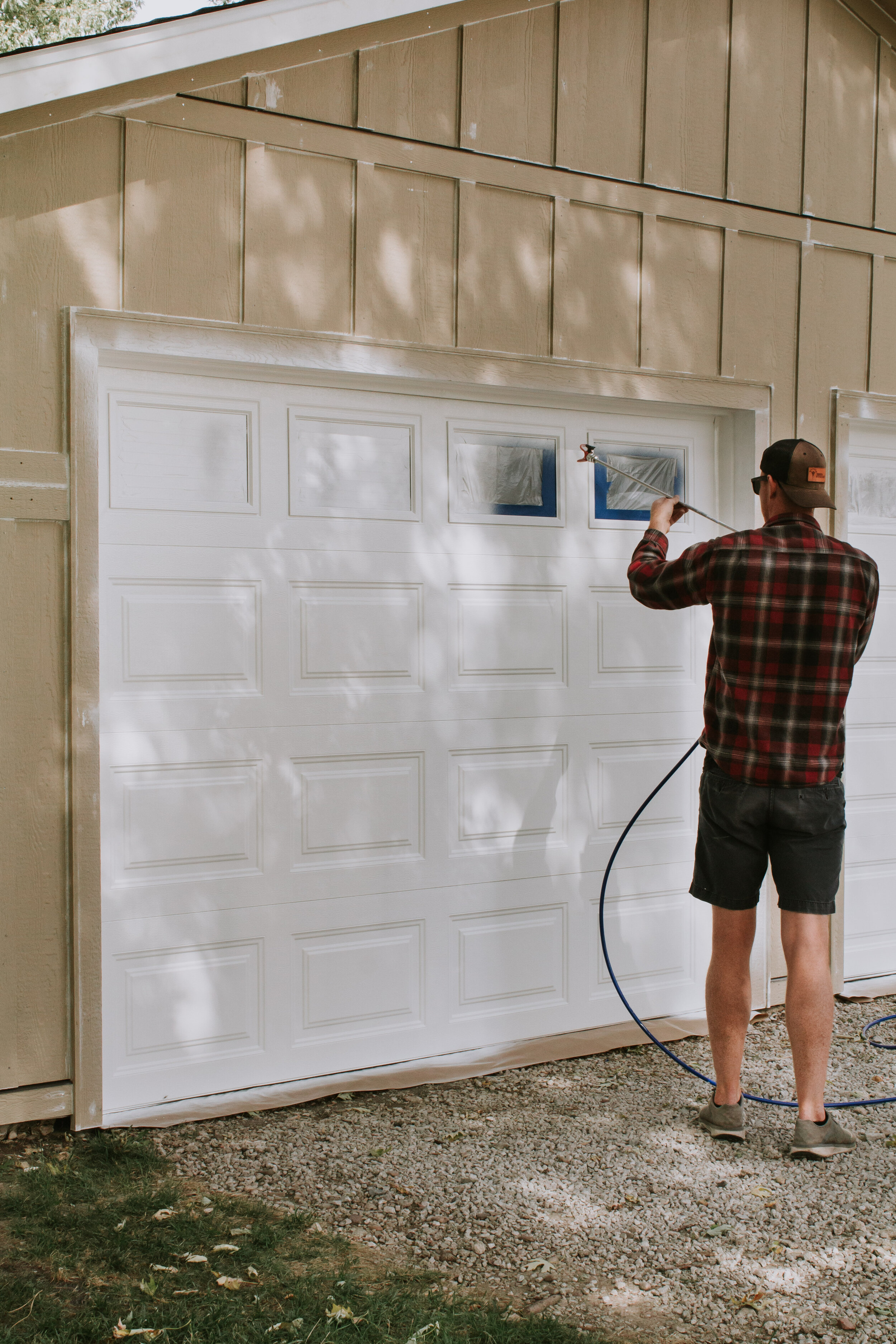
Using A Spray Paint Machine
Spray machines give a smoother finish but need practice. Cover nearby surfaces and wear a mask. Keep the spray moving—don’t linger in one spot.
Temperature Control
Paint dries best at 60-75°F. If it’s too cold, paint dries slowly and may crack. Too hot, and paint dries too fast, leaving lines.
Using High-quality Brushes And Rollers
Cheap brushes leave bristles or streaks. Invest in good tools for a smooth finish.
Mixing Paint For Consistency
If you use multiple cans, mix them together in a large bucket. This avoids slight color differences.
Sanding Between Coats
For a super-smooth finish, lightly sand after the first coat, then wipe with a damp cloth before the second coat.
Painting Decorative Panels
If your door has decorative panels or grooves, use a small brush to reach inside.
Adding A Clear Topcoat
For extra protection, add a clear polyurethane topcoat after paint dries. This helps in harsh climates.
Dealing With Heavy Rust
If rust is severe, use a rust converter before priming. It changes rust to a paintable surface.
Matching Home Exterior
Choose a color that matches your home’s trim or shutters. This gives a unified look.
Keeping Paint Records
Write down the paint brand, color, and batch number. If you need to touch up later, you can match exactly.
Many homeowners don’t realize that small details like tool quality and sanding make a big difference. Take a little extra time for a finish you can be proud of.
Real-life Example: Painting A Metal Garage Door
Let’s look at an example. John in Houston had a 15-year-old garage door with faded paint and rust spots. He followed these steps:
- Washed the door with soap and water.
- Used a wire brush and sandpaper to remove rust.
- Filled small dents with metal filler and sanded smooth.
- Masked windows and handles with painter’s tape.
- Applied rust-inhibiting primer, let it dry 4 hours.
- Painted edges with a brush, panels with a roller.
- Added a second coat after 8 hours.
- Removed tape and reattached hardware.
- Touched up missed spots with a small brush.
After painting, his garage door looked new. The paint lasted through heavy rain and sun for over 7 years before needing a touch-up. He noted that careful cleaning and slow, even painting made the difference.
How Long Does It Take To Paint A Metal Garage Door?
Painting a garage door is not a one-hour job. Here’s a rough timeline:
- Preparation: 2-3 hours (cleaning, sanding, masking)
- Priming: 30-60 minutes (plus 2-4 hours drying)
- Painting (first coat): 1-2 hours
- Drying: 6-8 hours
- Painting (second coat): 1-2 hours
- Final drying: 24-48 hours before heavy use
Total time: 2-3 days, including drying. Most of the time is waiting for paint or primer to dry. Don’t rush; patience leads to the best results.
Cost Breakdown: Diy Vs Professional
How much does painting a metal garage door cost? Here’s a comparison:
| Item | DIY Cost | Professional Cost |
|---|---|---|
| Paint & Primer | $60-$120 | Included |
| Brushes/Rollers | $25-$40 | Included |
| Preparation Supplies | $20-$35 | Included |
| Labor | $0 | $200-$400 |
| Total | $105-$195 | $200-$400 |
DIY saves money, but takes time and effort. Professionals finish faster and handle tough jobs, but cost more. For most homeowners, DIY is affordable and gives good results if you follow steps carefully.
Environmental And Safety Considerations
Painting involves chemicals and dust. Here’s how to stay safe:
- Wear gloves and goggles when sanding or painting.
- Use a dust mask while sanding.
- Paint in a well-ventilated area; keep the door open if possible.
- Dispose of paint cans and brushes safely (check local rules).
- Keep paint away from children and pets.
- Clean spills quickly to avoid stains.
Some paints have strong odors or VOCs (volatile organic compounds). Choose low-VOC paints when possible for safer air.
Non-obvious Insights For Beginners
Many first-time painters miss these key ideas:
- Paint expands and contracts: Metal doors change with temperature. Flexible paint lasts longer.
- Timing matters: Painting in late afternoon avoids harsh midday sun, which can dry paint too fast.
- Primer is not optional: Even if paint says “no primer needed,” use a separate primer for metal. It prevents hidden rust.
- Don’t paint over wet primer: Even if primer feels dry to touch, wait the full recommended time.
- Sand between coats: Light sanding gives a smoother finish and helps paint stick.
Following these tips avoids common problems and gives a result that lasts.
Frequently Asked Questions
How Long Does Painted Metal Garage Door Last?
A well-painted metal garage door can last 5-8 years before needing repainting, depending on weather and paint quality. Regular cleaning and quick touch-ups extend its life.
Can I Paint A Metal Garage Door Without Primer?
No. Primer is essential for metal surfaces. It prevents rust and helps paint stick. Skipping primer leads to peeling and early failure.
What Is The Best Paint For A Metal Garage Door?
Acrylic latex or oil-based exterior paint made for metal works best. Specialty garage door paints are even better, especially in harsh climates.
How Do I Fix Peeling Paint On My Garage Door?
Scrape off loose paint, sand the area smooth, apply primer, then repaint. Don’t paint over peeling spots without fixing them first.
Is It Better To Use A Brush, Roller, Or Spray Machine?
Rollers work best for large panels, brushes for edges, and spray machines for a smooth, pro finish if you have experience. Beginners often get best results with roller and brush.
Final Thoughts
Painting a metal garage door is a practical, rewarding project for any homeowner. With careful preparation, good tools, and the right paint, you can create a finish that boosts your home’s look and protects your garage for years. Don’t rush through steps or skip crucial details like primer and sanding.
Take your time, follow each part, and you’ll get results that stand up to weather and daily use.
If you need more guidance on paint types or techniques, check resources like Family Handyman for expert advice. Whether you’re changing colors or fixing old paint, painting your metal garage door gives your home a fresh, clean look that lasts.