
A garage door is more than just a large moving panel that opens and closes your garage. It’s a system that combines mechanics, physics, electronics, and safety features to protect your home and make daily life easier. Most people use their garage door several times a day, but few understand how all the parts work together.
If you’ve ever wondered what happens behind the scenes when you push that button, this guide will break it down in simple terms. You’ll learn about the main components, how different types of garage doors function, and what makes them safe and reliable.
Understanding your garage door can help you spot problems early, maintain it better, and even handle minor repairs yourself. It can also help you choose the right type of door if you’re planning to replace or upgrade your current one.
Let’s explore everything you need to know about how a garage door works, from the frame to the opener and the safety sensors.
The Basic Structure Of A Garage Door
Every garage door, no matter its style or size, shares some common structural elements. Knowing these will help you understand the rest of the system.
Panels And Sections
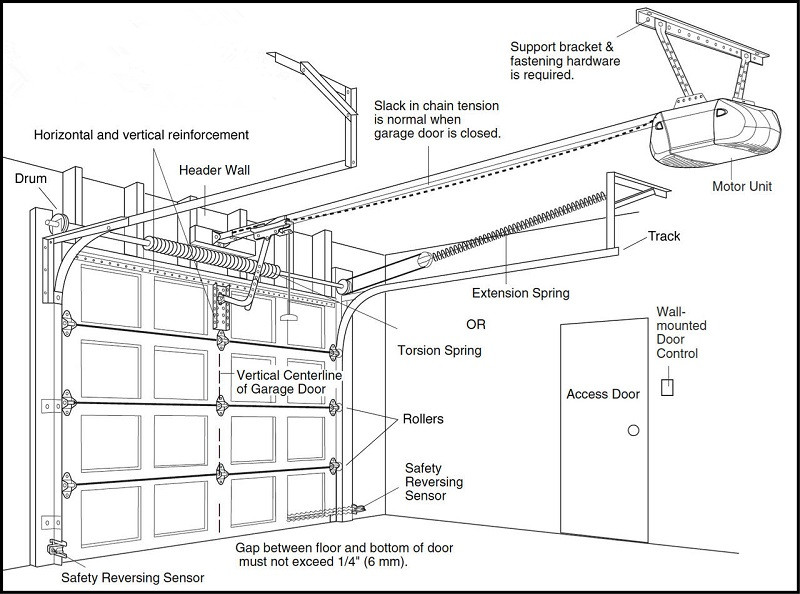
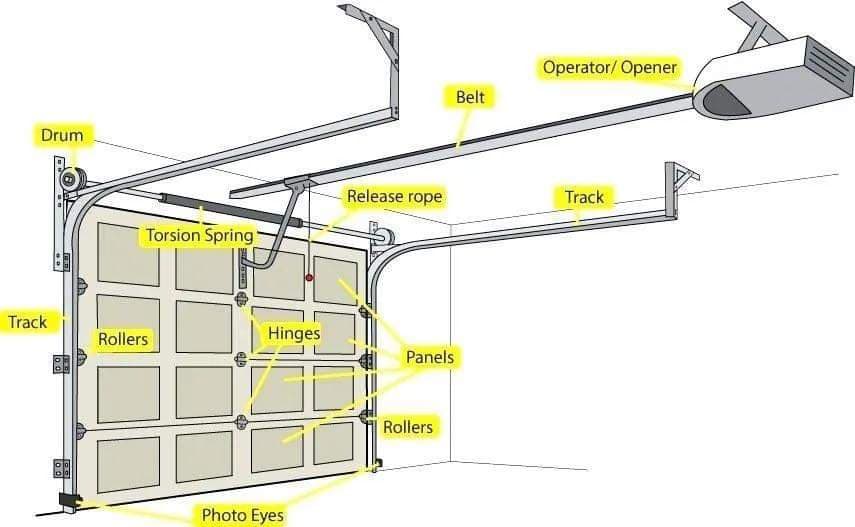
Most modern residential garage doors are made of several panels or sections connected by hinges. These panels allow the door to bend as it follows the curved path of the tracks. Common materials include steel, wood, aluminum, and fiberglass. Steel is the most popular because of its strength and low maintenance.
Tracks And Rollers
The tracks guide the door as it opens and closes. There are usually two vertical tracks attached to the sides of the garage opening and two horizontal tracks that run along the ceiling. Rollers—small wheels attached to the sides of the door—move inside the tracks, allowing the door to glide smoothly.
Hinges And Brackets
Hinges are placed between the panels, letting each section pivot as the door moves. Brackets hold rollers in place and anchor cables. High-stress points, like the bottom bracket, are made stronger since they handle more force.
Weather Seals
Weather seals are strips of rubber or vinyl placed around the door’s edges. These seals keep out rain, wind, and pests. The bottom seal compresses against the floor for a snug fit.
Main Types Of Garage Doors
Not all garage doors work the same way. The type you have affects how it operates and how you maintain it.
Sectional Garage Doors
These are the most common in the US. The door is divided into horizontal panels that bend as the door opens and moves along tracks into the ceiling area.
One-piece (tilt-up) Garage Doors
This older style swings out and up as a single solid panel. It doesn’t bend, so it needs space in front of the garage to open.
Roll-up Garage Doors
Often used in commercial buildings, these doors are made of narrow steel slats that roll into a coil above the opening. They are very durable and save ceiling space.
Side-hinged Garage Doors
These doors open outward like large double doors. They are less common in homes but useful in garages with limited headroom.
Comparison Of Garage Door Types
Here’s a quick comparison to help you see the differences:
| Type | How It Opens | Space Needed | Best For |
|---|---|---|---|
| Sectional | Bends, moves along ceiling tracks | Low headroom needed | Most homes |
| One-Piece (Tilt-Up) | Swings out and up | Needs space in front | Older homes |
| Roll-Up | Rolls into coil above | Minimal ceiling space | Commercial use |
| Side-Hinged | Opens outward | Needs space in front | Special garages |
The Counterbalance System: Springs And Cables
Garage doors can weigh anywhere from 130 to 400 pounds (59 to 181 kg) or more. You might wonder, how can a small motor or a person lift that easily? That’s where the counterbalance system comes in.
Torsion Springs
Most modern doors use torsion springs. These are mounted above the door opening on a metal shaft. When you close the door, the springs wind up and store energy. When you open the door, the springs unwind and release this energy, making the door feel much lighter.
Torsion springs are safer and last longer than older extension springs. Still, they are under high tension and should only be adjusted by professionals.
Extension Springs
Some doors, especially older or lighter ones, use extension springs. These are mounted along the sides of the tracks. They stretch as the door closes and contract when it opens. Extension springs are more exposed and can be dangerous if they break.
Cables And Pulleys
Lift cables are attached to the bottom corners of the door. As you open the door, these cables wrap around drums on the torsion shaft, lifting the door. Pulleys help guide the cables and balance the load.
How The Counterbalance System Works
When you open your garage door, you’re not lifting the full weight. The springs do most of the work. The opener simply guides the door along the tracks. If your springs break, your door suddenly becomes very heavy and hard to move.
Non-obvious insight: Most door openers are not designed to lift a door’s full weight. If the door feels heavy, your springs may be failing.
The Garage Door Opener
The garage door opener is the device that automates the opening and closing. It’s what lets you use a remote, wall button, or even your phone to operate the door.
Main Parts Of An Opener
- Motor unit: Powers the movement.
- Drive mechanism: Connects the motor to the door.
- Rail: Guides the trolley as it moves.
- Trolley: Attaches to the door and pulls/pushes it.
- Limit switches: Tell the opener when to stop.
- Remote controls and keypads: Let you open the door from a distance.
Types Of Drive Mechanisms
There are three main types of garage door opener drives:
- Chain Drive: Uses a metal chain to pull the door. It’s reliable and affordable, but can be noisy.
- Belt Drive: Uses a rubber belt instead of a chain. Quieter, but usually costs more.
- Screw Drive: Uses a threaded steel rod. Fewer moving parts, but can be louder in cold weather.
Opener Drive Type Comparison
Here’s a look at the pros and cons of each type:
| Drive Type | Noise Level | Cost | Maintenance | Best For |
|---|---|---|---|---|
| Chain | Loud | Low | Regular lubrication | Detached garages |
| Belt | Quiet | Medium to high | Low | Attached garages, bedrooms nearby |
| Screw | Medium | Medium | Some lubrication | Warm climates |
Smart Garage Door Openers
Modern openers can connect to Wi-Fi, letting you control your door from a smartphone app. Some can send alerts if you forget to close the door or allow package deliveries inside your garage.
Non-obvious insight: Smart openers often have built-in cameras and can integrate with home security systems.
Safety Features
Garage doors are heavy and powerful. Without safety features, they could cause serious injuries or property damage.
Auto-reverse Mechanism
All automatic doors sold in the US since 1993 must have an auto-reverse feature. If the door hits something while closing, it reverses direction. This is usually done with a pressure sensor in the opener.
Photoelectric Safety Sensors
Photoelectric sensors are mounted near the floor on both sides of the door. They create an invisible beam. If something (like a child or pet) breaks the beam while the door is closing, the door stops and reverses.
Emergency Release
A red emergency release cord hangs from the opener’s trolley. If the power goes out, you can pull this cord to disconnect the door from the opener and open or close it by hand.
Manual Locks
Some garage doors have manual locks for extra security, especially when you’re away for long periods.
Security Features
Modern openers use rolling code technology, changing the remote code each time you use it. This prevents thieves from copying your remote signal.
How A Garage Door Opens And Closes: Step By Step
Let’s walk through what happens when you open and close your garage door.
Opening The Door
- You press a remote button or wall switch.
- The opener receives the signal and powers the motor.
- The motor moves the drive mechanism (chain, belt, or screw).
- The trolley pulls the door along the tracks.
- As the door rises, the springs unwind, helping to lift the weight.
- The rollers guide the door into the horizontal tracks.
- Limit switches stop the opener when the door is fully open.
Closing The Door
- You press the button again.
- The opener reverses direction.
- The trolley pushes the door down.
- The springs wind up, storing energy.
- The door lowers into place, compressing the weather seal.
- The opener stops at the limit switch.
- Safety sensors check for obstacles—if anything is detected, the door reverses.
Common Problems And Troubleshooting
Even with good maintenance, garage doors can run into issues. Understanding the signs can help you fix minor problems or know when to call a professional.
Door Won’t Open Or Close
- Check the power: Make sure the opener is plugged in and the breaker isn’t tripped.
- Remote battery: Replace the battery if the remote doesn’t work.
- Manual lock: If you hear the motor but the door doesn’t move, check for a manual lock.
Door Is Heavy Or Hard To Lift
This usually means the springs are broken or losing tension. Stop using the door and call a professional—springs are dangerous to repair.
Noisy Operation
- Chain drive: Lubricate the chain and moving parts.
- Rollers: Worn out rollers can squeak or grind.
- Loose hardware: Tighten bolts and screws as needed.
Door Reverses Before Closing
- Safety sensors: Check for dirt or misalignment.
- Obstructions: Make sure nothing is blocking the tracks.
Remote Or Keypad Not Working
- Range: Try standing closer to the door.
- Battery: Replace if old.
- Reprogram: Sometimes the opener needs to be reset.
Practical tip: Keep the tracks clean and free of debris. Even small stones can cause the rollers to jam.
Maintenance For Long Life
Regular maintenance keeps your garage door quiet and reliable. Here’s what you should do:
Every Month
- Inspect the rollers, cables, and springs for wear or damage.
- Listen for strange noises during operation.
- Test the auto-reverse and safety sensors.
Every 6 Months
- Lubricate moving parts: Hinges, rollers, and springs (use garage door lubricant, not WD-40).
- Check the weather seals and replace if worn.
Every Year
- Tighten all hardware—vibrations can loosen bolts over time.
- Clean the tracks with a damp cloth.
- Test the balance: Disconnect the opener and lift the door halfway. It should stay in place. If it falls, the springs may need adjustment.
Non-obvious insight: Avoid painting or sealing the bottom weather strip—this can cause it to stick to the floor, making the opener work harder.
Modern Features And Upgrades
Garage doors have changed a lot in recent years. Here are some modern features you might find useful:
Insulation
Many garage doors now come with insulated panels. This keeps your garage warmer in winter and cooler in summer, saving energy.
Windows And Decorative Elements
Windows add light and style. Make sure any windows are made of impact-resistant glass for safety.
Battery Backup
Some openers include a battery backup, so you can still open your garage during a power outage.
Smartphone Integration
Wi-Fi enabled openers let you check or control your door from anywhere. Some can even send alerts if you leave the door open.
Quiet Operation
Upgrading to a belt drive or replacing old metal rollers with nylon ones can make your door much quieter.
Practical tip: If your garage is attached to your house, a quiet opener is worth the extra cost.
Energy Efficiency And Insulation
Heating and cooling costs are higher if your garage is not well-insulated. Modern doors often have an R-value rating—a measure of insulation effectiveness.
Insulated Vs Non-insulated Doors
| Feature | Insulated Door | Non-Insulated Door |
|---|---|---|
| Temperature Control | Keeps garage warmer/cooler | Poor temperature control |
| Noise Reduction | Quieter operation | No noise control |
| Durability | Stronger panels | Less durable |
| Cost | Higher | Lower |
Non-obvious insight: A well-insulated garage door can increase your home’s value and reduce noise from outside.
Safety Tips For Homeowners
- Test the auto-reverse feature monthly by placing a block of wood in the door’s path.
- Never try to adjust or remove torsion springs yourself—they can cause serious injury.
- Teach children not to play with the garage door or remotes.
- Always keep the emergency release cord within easy reach, but out of reach of small children.
When To Call A Professional
Some tasks are safe for homeowners, but others require a trained technician:
- Spring replacement: Springs are under extreme tension and can cause injury.
- Track alignment: If tracks are bent or the door is off-track, call a pro.
- Opener installation: Proper setup ensures all safety features work.
Experience-based advice: If your door makes a loud bang or refuses to open, stop using it until it’s checked by a professional.
Environmental Impact And Recycling
Garage doors are large and made from a mix of materials. When replacing your door, check if the manufacturer offers recycling. Some steel doors can be recycled, and wood can be repurposed.
Practical tip: Look for doors with eco-friendly insulation materials like polyurethane.
Real-world Example: Upgrading An Old Garage Door
Let’s look at what happens when a homeowner upgrades from a 30-year-old tilt-up door to a new insulated sectional door with a smart opener.
- Noise: The new door is much quieter, thanks to nylon rollers and a belt drive opener.
- Safety: Modern sensors and auto-reverse features reduce risk.
- Energy: Insulated panels keep the garage 10–15°F warmer in winter.
- Convenience: The homeowner can open the door from anywhere using a smartphone app.
This upgrade cost about $1,500, but improved comfort, security, and home value.
Additional Resources
For more technical details, visit the Wikipedia page on garage door openers.

Frequently Asked Questions
How Often Should I Lubricate My Garage Door?
Lubricate your garage door’s hinges, rollers, and springs every six months. Use a silicone-based or garage door-specific lubricant—not WD-40. Lubrication reduces noise and prevents wear.
Why Does My Garage Door Only Open Halfway?
This could be caused by misaligned safety sensors, a broken spring, or an issue with the opener’s limit settings. Check for obstructions, clean the sensors, and review your opener’s manual.
What Should I Do If My Garage Door Won’t Open During A Power Outage?
Pull the red emergency release cord to disconnect the opener from the door. You can then lift the door manually. Be careful, especially if the springs are weak.
Are Insulated Garage Doors Worth The Extra Cost?
Yes, especially if your garage is attached to your home or used for more than storage. Insulation saves energy, reduces noise, and can make your garage more comfortable year-round.
Can I Install A Garage Door Myself?
It’s possible for experienced DIYers, but it’s risky. Springs are under tension and can be dangerous. Professional installation ensures safety features work properly and often includes a warranty.
A garage door may look simple, but it’s a complex system with many parts working together. Understanding how it works can keep your family safe, your home secure, and your door running smoothly for years. If you take care of your garage door, it will take care of you.