
A two car garage is a classic part of many American homes. It offers space not just for vehicles, but also for storage, hobbies, and even home projects. But if you are planning to build, buy, or renovate a garage, one important detail often stands out: the size of a 2 car garage door. This is not just about fitting two vehicles, but also about comfort, convenience, and safety. Understanding garage door sizes helps you avoid costly mistakes and ensures your investment works for your needs.
Many people assume all 2 car garage doors are the same. But in reality, there are several standard sizes, plus custom options. The right choice depends on your home, vehicles, and lifestyle. This article will help you understand everything about 2 car garage door sizes—how big they are, why size matters, and how to choose the best one for your needs.
Along the way, you’ll also discover key facts, expert tips, and answers to common questions.
What Is A 2 Car Garage Door?
A 2 car garage door is a single, wide door designed to allow two vehicles to enter and exit side by side. Most often, you’ll see these doors on attached garages in homes built after the 1960s, but they’re also common in detached garages, workshops, and even some small commercial buildings.
Unlike two separate single doors, a double door gives you a larger, uninterrupted opening. This can make parking easier, especially if you have larger vehicles or want extra storage space along the sides.
Standard 2 Car Garage Door Sizes
When people ask, “How big is a 2 car garage door?”, they’re usually talking about the most common sizes found in the US. Here are the standard dimensions you’ll see in most homes:
| Garage Door Width (ft) | Garage Door Height (ft) | Common Uses |
|---|---|---|
| 16 | 7 | Standard homes, most sedans/SUVs |
| 16 | 8 | Taller vehicles, trucks, or lifted SUVs |
| 14 | 7 | Older homes, compact garages |
| 18 | 7 | Extra-wide garages, more space between cars |
Most Common Size
The 16 feet wide by 7 feet high door is the most popular size for a 2 car garage. This size fits almost all standard cars, crossovers, and small SUVs with ease.
Height Options
While 7 feet is standard, 8 feet high doors are becoming more common, especially as more people drive taller vehicles or want space for roof racks.
Width Variations
You may also see 14 feet wide doors on older or smaller homes, but this size can be tight for two cars. On the other hand, 18 feet wide doors offer more comfort, especially if you own larger vehicles or want extra room for bikes or lawn equipment.
Why Garage Door Size Matters
Choosing the right garage door size is about more than just fitting vehicles. Here’s why size is so important:
- Vehicle Size Compatibility: Modern trucks, SUVs, and vans are bigger than older cars. A door that’s too small can make parking stressful or even impossible.
- Safety: Narrow doors increase the risk of scraping mirrors or doors, especially at night or in bad weather.
- Storage Flexibility: Wider doors give you space for bikes, storage shelves, or tools along the sides of your vehicles.
- Home Value: A well-sized door makes your garage more usable and can increase your home’s resale value.
- Aesthetics: The garage door is a big part of your home’s curb appeal. The right size looks balanced and welcoming.
Measuring Your Garage For The Right Door Size
Before you order or install a new 2 car garage door, it’s essential to measure your space carefully. Here’s how to do it:
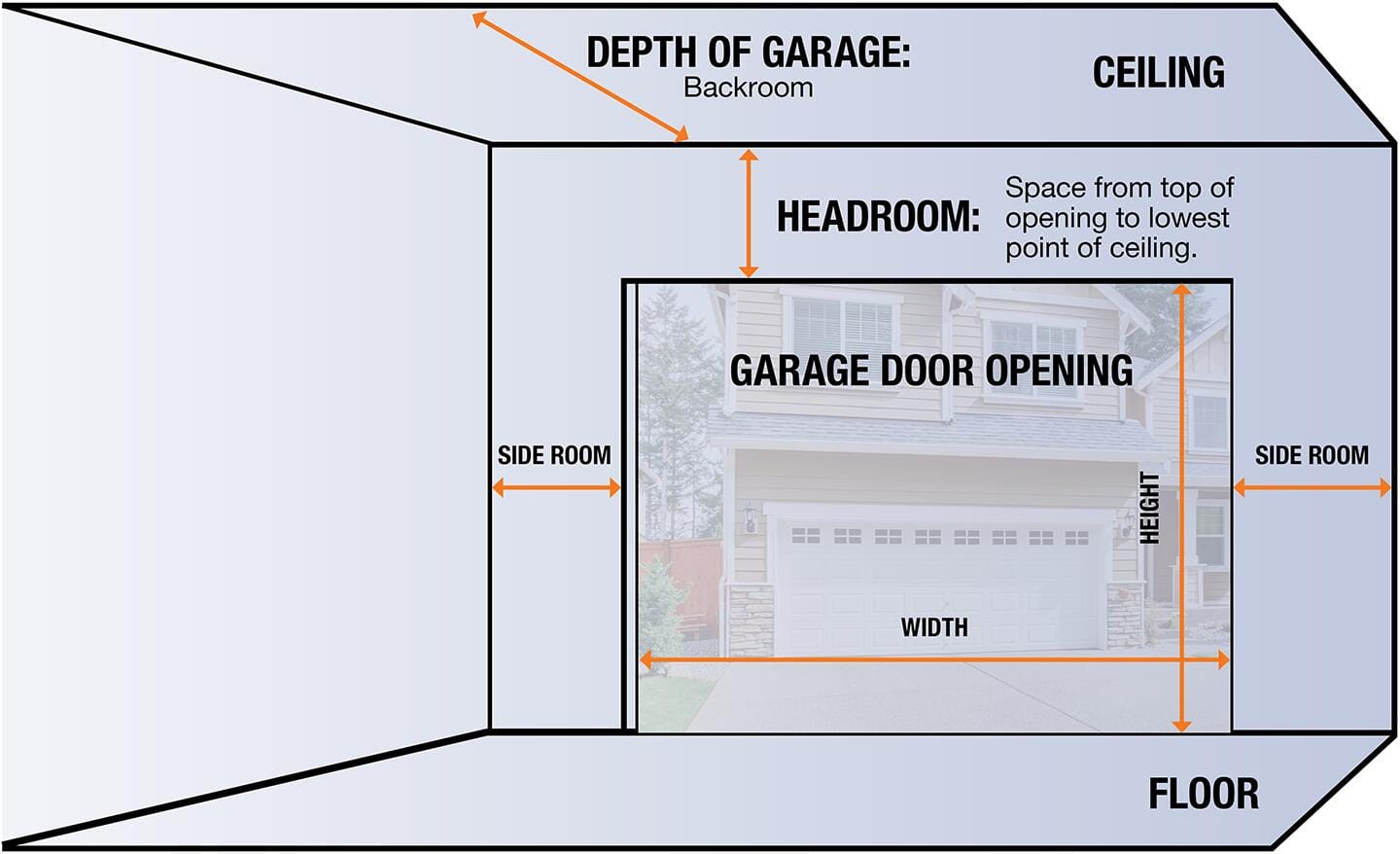
- Measure the Width: Use a tape measure from one finished inside edge of the opening to the other. For a 2 car garage, this is usually between 14 and 18 feet.
- Measure the Height: Start at the finished floor and measure up to the finished top of the opening. Most doors are 7 or 8 feet high.
- Check the Headroom: Measure the space between the top of the opening and the ceiling. Most garage door openers need at least 12 inches of headroom.
- Side Room: You’ll need at least 3.5 to 5 inches on each side of the opening for the tracks and hardware.
- Backroom: Make sure you have enough depth inside the garage for the door to open fully. This usually means the garage should be at least 18 feet deep for a standard door.
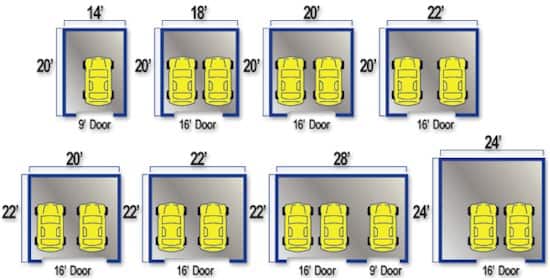
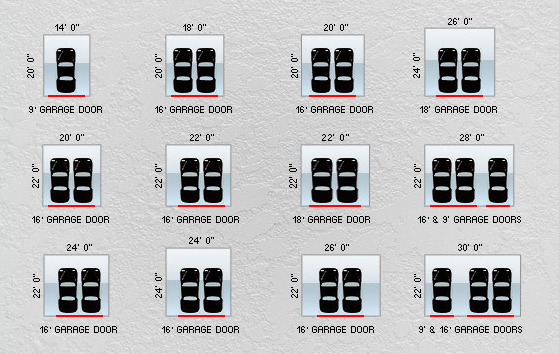
Here’s a quick reference for minimum garage dimensions for a 2 car door:
| Garage Door Size (ft) | Minimum Garage Width (ft) | Minimum Garage Depth (ft) | Recommended Headroom (inches) |
|---|---|---|---|
| 14 x 7 | 18 | 18 | 12 |
| 16 x 7 | 20 | 20 | 12 |
| 18 x 7 | 22 | 22 | 14 |
Tip: Always measure the finished opening, not the framing. If you’re replacing a door, measure the old door and the opening to be sure.
Custom 2 Car Garage Door Sizes
While standard sizes fit most needs, some garages call for custom doors. These are made-to-order and can be wider, taller, or shaped differently than normal.
Reasons To Choose A Custom Size
- You have a wider or taller garage (for RVs, boats, or trucks).
- The garage was built before standard sizes became common.
- You want extra room for workbenches or storage.
- Unique architectural features require a special door.
Custom doors can be made in almost any size, but common custom sizes include:
- 9 or 10 feet high (for lifted vehicles)
- 20 feet wide (for oversized garages or three small cars)
- Odd widths (15 feet, 17 feet, etc.) For unique openings
Pros And Cons Of Custom Doors
Pros:
- Perfect fit for unusual spaces
- Can match unique home styles
- More flexibility for your needs
Cons:
- Higher cost (sometimes double a standard door)
- Longer wait for manufacturing and installation
- Harder to replace or repair parts
If you’re considering a custom door, talk to a professional garage door installer. They can help you decide if custom is necessary or if a standard door will work.
Single Vs Double Garage Doors: Which Is Better?
Many garages are built with either one large double door or two single doors. Each option has pros and cons:
Double Door (one Large Door)
Pros:
- Easier to park and back out
- More room in the middle for moving or storage
- Cleaner, modern look
Cons:
- If the opener fails, both cars are trapped
- Larger opening can let in more cold or hot air
Two Single Doors
Pros:
- If one opener fails, you can still use the other side
- Better control over temperature inside garage
- Can look more classic or traditional
Cons:
- Less room in the middle for big vehicles
- More expensive (two openers, more hardware)
For most families, a 16 x 7 ft double door is the best mix of price, convenience, and flexibility. But if you have a classic home or want the look of two doors, single doors are a good option.
Factors That Affect The Best Garage Door Size
The “right” size for your 2 car garage door depends on several factors:
1. Vehicle Types
- Standard cars: 16 x 7 ft works for almost all sedans, crossovers, and small SUVs.
- Large trucks/SUVs: Consider 18 ft wide or 8 ft high for extra space.
- Vans, lifted vehicles: 8 ft high or custom heights are best.
2. Garage Layout
- Width: If you have storage shelves or water heaters along the walls, choose a wider door.
- Depth: A shallow garage may need a shorter door to fit the opener and tracks.
3. Local Building Codes
Some cities have rules about minimum garage sizes, especially in new developments. Always check with your local building department before you order.
4. Homeowner Association (hoa) Rules
If you live in a community with an HOA, they may have rules about garage door styles, colors, or sizes.
5. Budget
Standard size doors are much cheaper than custom sizes. If you’re on a tight budget, stick to 16 x 7 ft unless you truly need something else.
Common Mistakes When Choosing A 2 Car Garage Door
Many homeowners regret their garage door choice later. Here are mistakes to avoid:
- Choosing the smallest size that barely fits two cars—it may work now, but what if you buy a bigger car or want more storage?
- Forgetting about headroom—not all garages have enough ceiling space for a tall door or opener.
- Ignoring future needs—kids grow up, families get bigger, hobbies change.
- Not considering custom vehicles—roof racks, bike carriers, or trailers need extra height.
- Overlooking hardware and opener space—tracks and openers need space above and beside the door.
2 Car Garage Door Size Examples
Let’s look at some real-life examples to help you picture how different garage door sizes work.
Example 1: Suburban Home
- Garage Door: 16 x 7 ft
- Vehicles: Midsize SUV and sedan
- Result: Both cars fit with enough space to open doors, plus storage along the walls.
Example 2: Older Home
- Garage Door: 14 x 7 ft
- Vehicles: Two compact cars
- Result: Very tight fit; parking must be careful. No room for larger vehicles or extra storage.
Example 3: Large Home With Workshop
- Garage Door: 18 x 8 ft
- Vehicles: Pickup truck, SUV, bikes
- Result: Plenty of space for parking, moving around, and side storage. Great for families with active lifestyles.
Example 4: Custom Garage For Rv
- Garage Door: 20 x 10 ft
- Vehicles: RV, boat, and small car
- Result: Expensive, but offers maximum flexibility and future-proofing.
How Garage Door Size Affects Opener Choice
Not all garage door openers can handle extra-wide or extra-tall doors. Here’s what you need to know:
- Standard openers (chain, belt, or screw drive) work for 7 ft high doors.
- For 8 ft or taller doors, you may need a heavy-duty opener or an extension kit.
- Wide doors (18 ft or more) are heavier and require stronger openers and springs.
- Always check the door weight and manufacturer recommendations before choosing an opener.
Insider tip: If you plan to upgrade to a heavy insulated door or add windows, tell your installer. These features add weight and may require a stronger opener.
Insulation And Door Thickness
When thinking about garage door size, also consider insulation and thickness:
- Standard doors are usually 1 3/8 to 2 inches thick.
- Insulated doors have two or three layers (steel, insulation, steel).
- Insulated doors are heavier but help with temperature control and noise.
A thicker, insulated door can make your garage more comfortable year-round, especially if you use the space as a workshop or gym.
Garage Door Size And Energy Efficiency
A wider or taller garage door can let in more heat, cold, and wind. If you live in a climate with extreme temperatures, consider:
- Insulated doors to reduce energy loss
- Tight weatherstripping around the door
- Automatic closers to prevent the door from staying open too long
These upgrades cost more up front but can save money on heating and cooling over time.
2 Car Garage Door Styles And Materials
Size is just one part of your garage door decision. The door’s style and material also matter:
Common Materials
- Steel: Durable, low maintenance, can be insulated
- Wood: Classic look, but needs more care
- Aluminum: Lightweight, resists rust, less strong
- Fiberglass: Good for coastal areas, can look like wood
- Vinyl: Dent-resistant, good for kids
Styles
- Raised panel: Most common, works with any home style
- Carriage house: Looks like old barn doors, great for traditional homes
- Contemporary: Clean lines, often with windows or glass
Most materials and styles can be made in standard or custom sizes, but custom doors may limit your choices.
Cost Of 2 Car Garage Doors By Size
The price of a 2 car garage door depends on size, material, insulation, and installation. Here’s a rough guide:
| Door Size | Material | Estimated Cost (Installed) |
|---|---|---|
| 16 x 7 ft | Steel, non-insulated | $1,200 – $1,800 |
| 16 x 7 ft | Steel, insulated | $1,800 – $2,800 |
| 18 x 7 ft | Steel, insulated | $2,500 – $3,500 |
| 16 x 8 ft | Wood | $3,000 – $6,000 |
| Custom (20 x 8 ft or larger) | Any | $5,000 and up |
Tip: Installation costs vary by region and complexity. Always get several quotes.
Future-proofing Your Garage Door Size
Many people wish they had chosen a larger door after they buy a new vehicle or start new hobbies. Here’s how to plan ahead:
- If you might buy a truck, SUV, or RV, choose at least a 16 x 8 ft door or go custom.
- If you plan to use the garage as a workshop, get an 18 ft wide door for more flexibility.
- If your family is growing, more garage space can add value and comfort.
It’s usually cheaper to install a bigger door now than to expand later.
Professional Installation Vs Diy
Garage door installation is best left to professionals, especially for double doors. Why?
- Double doors are heavy and require precise balancing.
- Incorrect installation can be dangerous—springs and cables are under high tension.
- Warranty may not cover DIY mistakes.
- A pro can help you choose the right opener and safety features.
If you’re handy, you can handle maintenance and small repairs, but let experts handle installation.
Non-obvious Insights Most People Miss
- Garage slab height and slope: The concrete floor may slope toward the door for drainage. Measure from the highest point inside, or you may end up with a door that doesn’t seal properly at the bottom.
- Local wind and weather ratings: In hurricane-prone areas, local codes may require wind-rated doors, which are usually thicker and heavier. These affect both the size and the opener needed.
When Should You Upgrade Your Garage Door Size?
Consider upgrading if:
- Your current door is less than 16 feet wide and you struggle to park.
- You’ve bought a larger vehicle and the door is too low or narrow.
- You want to use the garage for more than parking (workshop, gym, storage).
- You plan to sell your home and want to boost curb appeal and value.
Where To Get More Information
For more details on garage door sizes, installation, and safety, visit Home Depot’s Garage Door Buying Guide. It’s a trusted resource with up-to-date advice.
Frequently Asked Questions
What Is The Typical Width Of A 2 Car Garage Door?
The most common width is 16 feet. This fits two standard cars with enough space to open doors comfortably. Some older homes have 14 ft doors, while newer or custom homes may have 18 ft or wider doors.
How Tall Should A 2 Car Garage Door Be?
Most 2 car garage doors are 7 feet high, but 8 feet is a popular upgrade for tall vehicles or roof racks. Custom doors can be made taller, up to 10 feet or more.
Can I Install A Bigger Garage Door In My Existing Garage?
Yes, but it depends on your garage’s structure. Widening the opening may require changes to the walls, ceiling, or roof. Always consult a professional to check if your garage can support a larger door.
Is It Better To Have Two Single Doors Or One Double Door?
One double door (16 or 18 ft wide) is more convenient for most people, but two single doors offer more flexibility if you want to isolate one side. Consider your home’s style, your vehicles, and your preferences.
What Garage Door Size Is Best For Trucks And Suvs?
For most full-size trucks and SUVs, choose at least a 16 x 8 ft door. If you have a lifted vehicle or plan to buy one, consider an 18 ft wide or custom height door for more comfort and safety.
A well-chosen 2 car garage door adds value, style, and convenience to your home. Take the time to measure, plan for the future, and work with experts. That way, your garage will serve you well for years to come.