
A single car garage door is a detail many people overlook—until they need to replace, build, or renovate a garage. Whether you’re a homeowner planning a new garage, a DIY enthusiast updating your property, or simply curious, understanding the exact width of a single car garage door makes a big difference.
It affects not just what kind of vehicle you can park, but also your home’s style, security, and even resale value. Let’s explore everything you need to know about single car garage door widths, including standard sizes, custom options, installation tips, and common mistakes.
What Is A Single Car Garage Door?
A single car garage door is designed for one vehicle. It’s the most common type of residential garage door, especially in homes built before the popularity of large SUVs and trucks. But garage doors are not just about parking a car—they also allow for storage, workshop space, and even easy access to your home.
While the name suggests “one car,” the true width can vary based on several factors:
- When the home was built (older homes often have smaller garages)
- The type of vehicle you drive
- Regional building codes and trends
Many people think all single garage doors are the same size. This is not true. There’s a range of standard widths, plus special sizes for unique needs.
Standard Widths For Single Car Garage Doors
Across the United States, most single car garage doors fall within a few common measurements. Let’s break down the most typical sizes and what they mean for homeowners.
Most Common Standard Widths
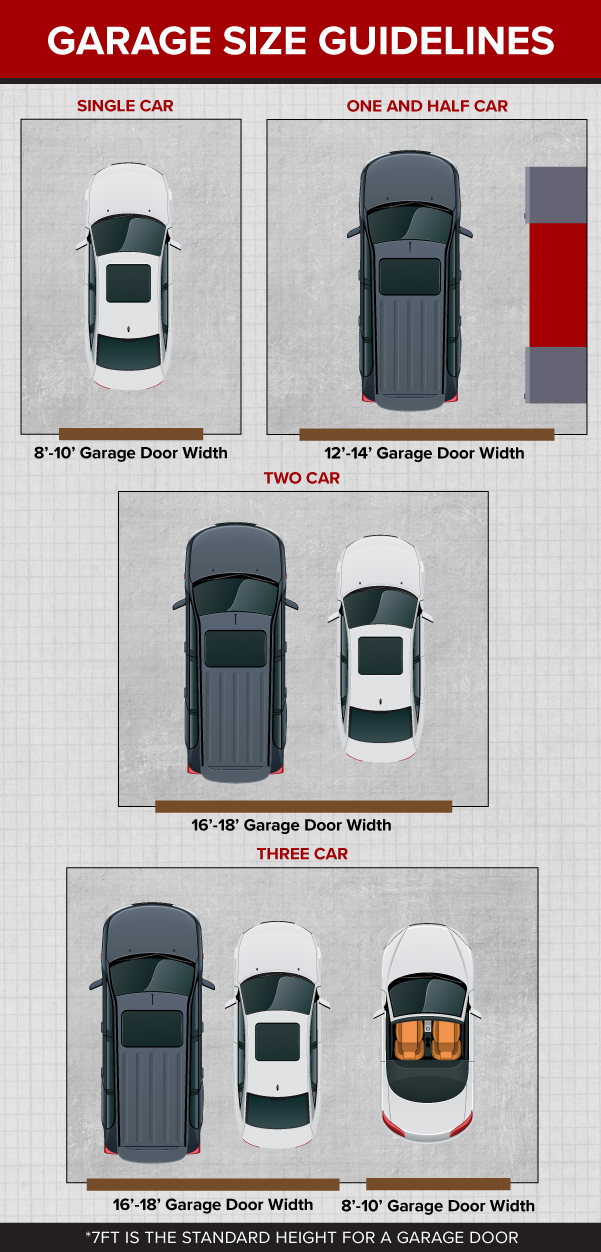
- 8 feet wide (8’0” or 96 inches)
- This is the most common size for single car garage doors.
- It easily fits most sedans, small SUVs, and standard pickup trucks.
- Provides enough space for comfortable entry and exit for most drivers.
- 9 feet wide (9’0” or 108 inches)
- Gaining popularity as vehicles get wider.
- Offers more room for opening car doors and maneuvering.
- Especially useful for owners of SUVs, larger cars, or anyone who wants extra clearance.
- 10 feet wide (10’0” or 120 inches)
- Less common but ideal for oversized vehicles, large SUVs, or work trucks.
- Provides very generous space, but may require special ordering or custom framing.
Other Sizes You Might See
- 7 feet wide (7’0” or 84 inches): Sometimes found in older homes or where space is limited. It’s a tight fit for modern vehicles.
- 8.5 feet wide (102 inches): Rarely used, but sometimes installed for slightly more space without committing to a full 9 or 10 feet.
Typical Height
The standard height for a single car garage door is 7 feet (84 inches). However, 8-foot tall doors are also available, especially for homes with higher ceilings or tall vehicles.
Quick Comparison Of Common Sizes
Here’s a table summarizing the most common single car garage door sizes.
| Width (feet) | Width (inches) | Height (feet) | Fits Most |
|---|---|---|---|
| 7′ | 84″ | 7′ | Compact cars, older homes |
| 8′ | 96″ | 7′ or 8′ | Sedans, small SUVs |
| 9′ | 108″ | 7′ or 8′ | Mid-size SUVs, larger cars |
| 10′ | 120″ | 7′ or 8′ | Full-size SUVs, trucks |
Insight: Choosing a wider door, even by just a foot, can make daily use much easier—especially if you have more than one driver or often park in a hurry.

Why Size Matters For A Single Car Garage Door
The width of your garage door is about more than just your current car. It affects convenience, safety, and future plans for your home.
Vehicle Fit And Comfort
- Tight spaces can lead to scratched car doors, difficulty unloading groceries, and stressful parking.
- Wider doors offer space for opening car doors fully, getting in and out easily, and even storing bikes or tools along the wall.
Accessibility For All Users
A too-narrow garage door can be a challenge for:
- Families with children (car seats need extra space)
- Seniors or people with mobility aids
- Owners of larger vehicles
Home Value And Resale
A standard or larger garage door is often a selling point. Homes with very narrow garage doors may turn off buyers with modern cars or trucks.
Local Building Codes
Some regions have minimum garage door sizes in their building codes. Always check with your local authorities before planning a new build or a replacement.
Non-obvious tip: Even if your current car fits, future buyers might drive something larger. Choosing a wider door now avoids expensive upgrades later.
Measuring For A Single Car Garage Door
Ordering the right size depends on accurate measurements. Here’s how to do it like a pro.
Steps To Measure
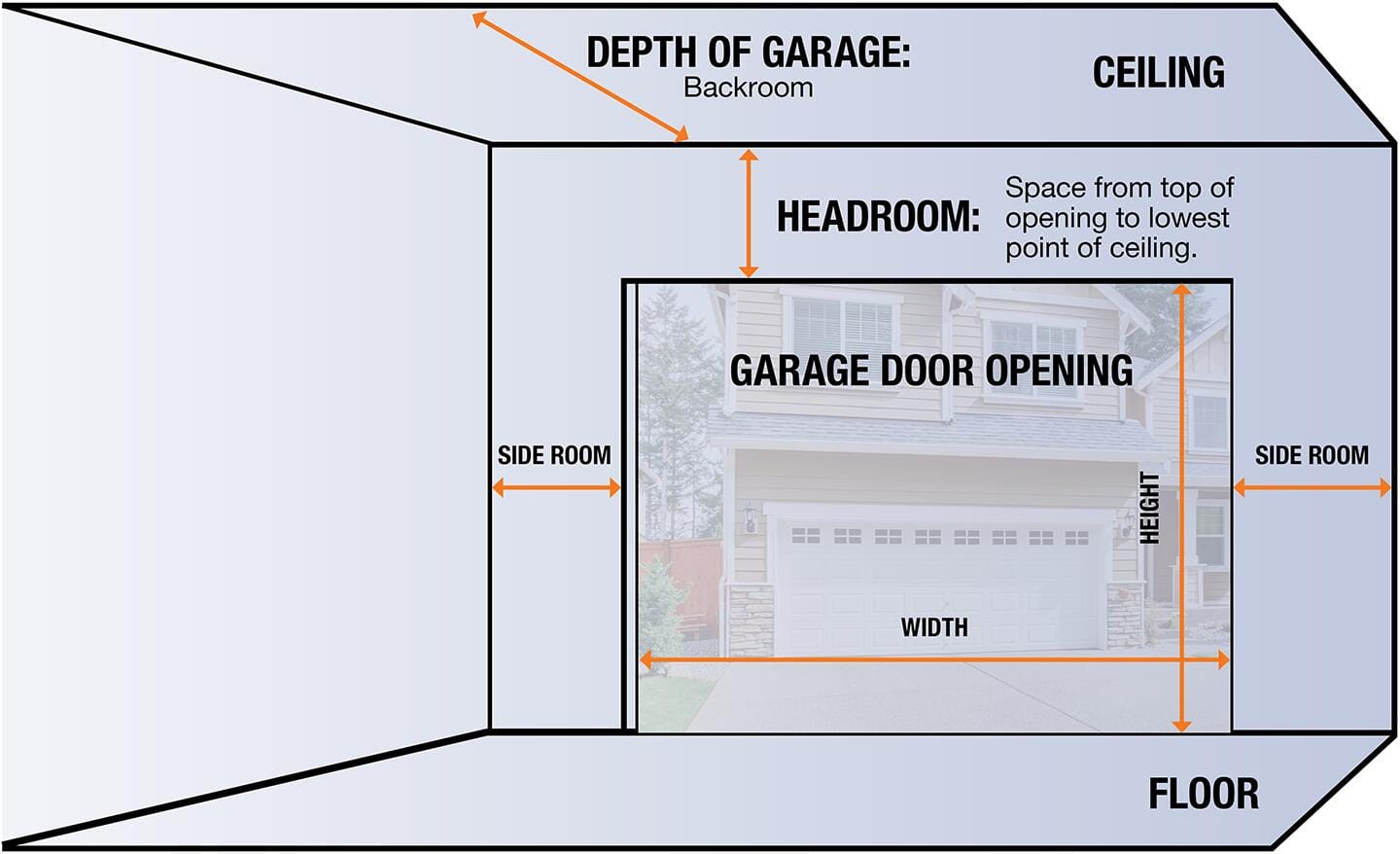
- Width: Measure the widest point of the garage opening (from left edge to right edge), inside the frame.
- Height: Measure from the floor to the highest point of the opening.
- Side Room: Check the space on both sides of the opening (should be at least 3.5–4 inches on each side for tracks and hardware).
- Headroom: Measure the space between the top of the opening and the ceiling (at least 10–12 inches is typical for standard doors).
- Backroom: Measure from the opening to the back wall of the garage (door length plus at least 18 inches).
Example: Measuring An Existing Garage
Let’s say your opening is 8’ 11” wide by 7’ 1” high. You’d likely need a 9’ x 7’ garage door, as doors are sold in whole-foot increments. Always round up to the nearest size and trim or fill small gaps as needed.
Measuring Mistakes To Avoid
- Measuring only the existing door, not the opening (the frame size may be different)
- Ignoring headroom (not enough space for tracks leads to installation problems)
- Forgetting side room (can block the door from opening fully)
Custom Garage Door Sizes
While most homes use standard sizes, some situations call for custom widths.
When Custom Sizes Make Sense
- Older homes with non-standard openings
- Garages converted from barns or outbuildings
- Unusual vehicle sizes (oversized trucks, vans, or specialty cars)
- Design preferences for a unique look
Custom Width Ranges
Single car garage doors can be made as narrow as 5 feet or as wide as 12 feet. However, anything outside the 7’–10’ range may be more expensive, and you’ll need to check with local installers or manufacturers.
Pros And Cons Of Custom Sizes
Pros:
- Perfect fit for unique spaces
- More style options
- Accommodates unusual needs
Cons:
- Higher cost
- Longer wait times for delivery
- Harder to find replacement parts
Non-obvious insight: If you need a custom width, consider future resale. Extreme sizes can make your home harder to sell unless the garage is easily converted back to standard.
Choosing The Right Width For Your Needs
Before you buy, think about these factors:
1. Vehicle Type
- Compact car: 7’–8’ wide is usually enough.
- Mid-size sedan or SUV: 8’–9’ is more comfortable.
- Full-size truck, van, or large SUV: Aim for 9’–10’ wide.
2. Storage And Workspace
Do you plan to:
- Store bikes, tools, or lawn equipment along the wall?
- Use part of the garage as a workshop?
- Need extra walking space around your car?
A wider door (9’ or 10’) makes these much easier.
3. Driveway Width And Approach
Is your driveway narrow or at an angle? Wider doors help with turning in and out without scraping the sides.
4. Local Climate And Conditions
In snowy or icy areas, extra width allows for easier parking when visibility is low. Also, consider if you need extra height for roof racks or tall vehicles.
5. Future Plans
If you might buy a larger car, upgrade to a truck, or convert your garage into a home gym, a wider opening is more flexible.
Quick Reference: What Fits?
Here’s a handy comparison of single car garage door widths and common vehicle types.
| Garage Door Width | Type of Vehicle | Comfort Level |
|---|---|---|
| 7′ | Compact car | Tight fit |
| 8′ | Sedan, small SUV | Comfortable |
| 9′ | Large sedan, SUV | Spacious |
| 10′ | Truck, van | Very spacious |
Installation Tips For Single Car Garage Doors
Whether you’re hiring a pro or doing it yourself, installation is key to performance and safety.
Things To Consider
- Professional installation is recommended for most homeowners. Garage doors are heavy, and springs can be dangerous.
- Check framing: Your garage opening should be square and level. Uneven openings can cause sticking or gaps.
- Weather sealing: Proper seals keep out water, wind, and pests. Make sure the installer uses high-quality weatherstripping.
- Hardware: Choose sturdy tracks and rollers, especially for wider or heavier doors.
- Opener compatibility: If you’re adding an automatic opener, check that it matches your door’s size and weight.
Diy Vs. Professional Installation
DIY installation can save money, but risks include:
- Incorrect measurements
- Poor sealing or fit
- Spring injuries (torsion springs can be dangerous)
- Voiding the warranty
Professional installation costs more but ensures a safe, reliable result.
Pro tip: Even if you’re handy, consider hiring a pro for the final spring setup. This is the most dangerous part of the job.
Insulation And Material Choices
The width of your garage door also affects what materials and insulation you can choose.
Common Materials
- Steel: Most popular, durable, available in all widths.
- Wood: Customizable, classic look, heavier (may need stronger hardware).
- Aluminum: Lightweight, modern appearance.
- Fiberglass or Vinyl: Good for special climates, less common.
Insulation
- Single-layer: Just the door material, no insulation. Cheapest, but not energy efficient.
- Double-layer: Material plus a layer of insulation (polystyrene or polyurethane).
- Triple-layer: Two layers of material with insulation sandwiched between. Best for noise and temperature control.
A wider door (9’–10’) may need thicker insulation to stay strong and quiet.
Energy Efficiency
If your garage is attached to your home, insulated doors reduce energy loss and keep rooms above or next to the garage more comfortable.
Costs Associated With Single Car Garage Doors
How much should you budget? The width, material, insulation, and style all affect the price.
Typical Price Ranges
- 7’ or 8’ wide: $400–$1,000 (basic steel, no opener)
- 9’ wide: $500–$1,200 (steel, mid-range)
- 10’ wide or custom: $700–$2,000+ (premium materials, custom sizes)
- Installation: $200–$500 (depending on location and complexity)
- Opener: $150–$500 extra
Factors That Increase Cost
- Custom widths or heights
- Decorative windows or panels
- Premium materials (wood, high-end steel)
- Insulation or weatherproofing upgrades
- Smart garage openers
Example Cost Comparison
| Width | Material | Basic Door Cost | Insulated Door Cost |
|---|---|---|---|
| 8′ | Steel | $500 | $750 |
| 9′ | Steel | $650 | $900 |
| 10′ | Wood | $1,200 | $1,700 |
Non-obvious insight: Sometimes the cost increase from 8’ to 9’ is small, but the comfort boost is significant. Consider investing a bit more for a size that fits all your needs.
Common Mistakes When Choosing Garage Door Width
Many homeowners make these errors—here’s how to avoid them.
1. Focusing Only On The Current Car
You may drive a compact car now, but what if your next vehicle is an SUV? Or what if a family member gets a larger car? Plan for flexibility.
2. Not Checking Local Building Codes
Some cities require a minimum door width for new garages. Always check before buying or building.
3. Ignoring The Importance Of Height
If you have a roof rack, tall van, or plan to add storage, a taller door (8’ high) may be worth it.
4. Overlooking Side And Headroom
If the opening is too close to the garage wall or ceiling, you may not be able to fit the tracks or opener.
5. Forgetting About Insulation And Sealing
A wider door with poor insulation can drive up your energy bills and let in dust, pests, or noise.
Pro tip: Always measure twice, and ask your installer about the best width for your specific situation.
Trends In Single Car Garage Door Sizes
Garage doors have changed over the decades. Modern lifestyles, vehicle sizes, and design preferences have influenced what’s standard today.
Bigger Vehicles, Wider Doors
As more Americans drive SUVs, trucks, and vans, the 9’ wide garage door has become the new standard in many areas. Even homes built in the last ten years often feature 9’ or 10’ wide single doors.
Multi-use Spaces
Garages are not just for cars anymore. Many people use them for:
- Home gyms
- Workshops
- Storage rooms
- Mudrooms
Wider doors allow for easier movement of large items.
Curb Appeal
Homeowners are investing in garage doors that match their home’s style, with custom widths, unique windows, and specialty materials.
Smart Technology
Modern garage doors can be opened with a smartphone, feature built-in cameras, or have advanced safety sensors—all of which must fit the chosen width and design.
For more on changing garage door trends, you can check This Old House.
Frequently Asked Questions
How Wide Is A Standard Single Car Garage Door?
The most common width is 8 feet (96 inches), but 9 feet (108 inches) is also very popular, especially for newer homes and larger vehicles. Widths can range from 7 feet to 10 feet depending on the home and your needs.
Will A 7-foot Wide Garage Door Fit A Modern Car?
A 7-foot wide door can fit most compact cars, but it’s a tight squeeze for many sedans and SUVs. It may not provide enough room to open doors comfortably or for safe entry and exit.
Can I Install A Wider Single Garage Door In An Existing Garage?
Often, yes—if your garage walls and framing allow it. You may need to widen the opening, which can involve structural changes. Always consult with a contractor before making changes.
Is A 10-foot Wide Single Car Garage Door Too Big?
A 10-foot wide door offers lots of space and is ideal for large vehicles or those who want extra storage. However, it may look oversized on small homes and could cost more. For most homes, 8 or 9 feet is enough.
What Is The Difference Between Garage Door Width And Opening Width?
Garage door width is the actual size of the door itself. Opening width is the size of the framed hole in your garage wall. You need to match the door size to the opening, usually rounding up to the next standard size if in doubt.
Final Thoughts
Choosing the right width for a single car garage door affects how you use your garage every day. It’s not just about fitting your current car—it’s about comfort, safety, home value, and future flexibility. Take the time to measure carefully, consider your needs, and don’t be afraid to invest in a little extra space.
With the right width, your garage will be a valuable, convenient part of your home for years to come.