Now Reading: How Big is a Two Car Garage Door? Exact Measurements Explained
- 01
How Big is a Two Car Garage Door? Exact Measurements Explained

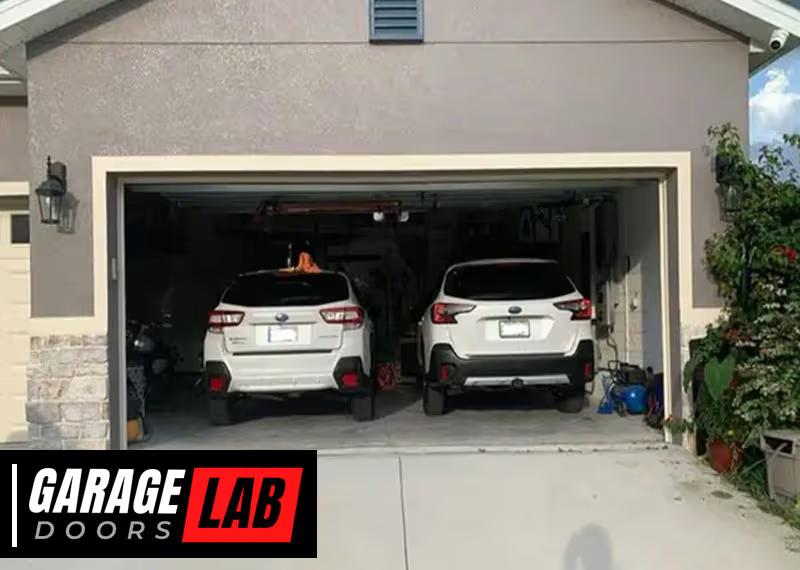
Many homeowners wonder about the exact size of a two car garage door. It’s a detail that seems simple, but when you start planning a new garage or upgrading an old one, you realize there’s a lot more to consider. Door size impacts not only your parking but also your home’s design, security, and even your property’s value. If you’re thinking of building, renovating, or simply curious about garage door sizes, understanding the right measurements and options is essential.
This article will explain everything you need to know about the size of a two car garage door. You’ll discover standard dimensions, why these sizes matter, and how to pick the right door for your needs. We’ll also discuss custom options, installation tips, and the most common mistakes people make.
By the end, you’ll have a clear picture of what works best for your home, your cars, and your lifestyle.
What Is A Two Car Garage Door?
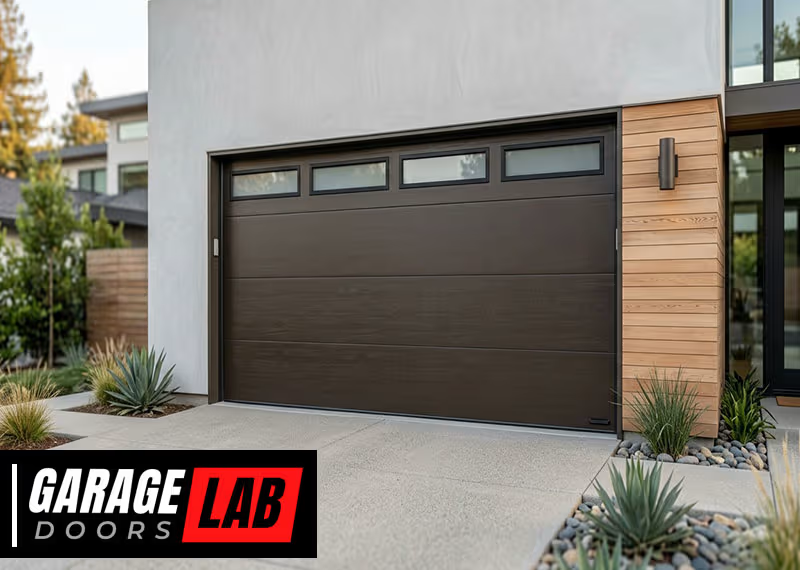
A two car garage door is a single, wide door that allows two vehicles to park side by side in the same enclosed space. Unlike two single doors placed next to each other, a double door provides one large opening.
This can make parking, moving items, and cleaning the garage easier.
People choose two car garage doors for different reasons. Some like the clean look of one wide door on the front of their house. Others prefer the convenience—opening one door instead of two every time they come and go. It’s also a popular choice for families with multiple vehicles, or for people who use their garages for both cars and storage.
Standard Dimensions Of A Two Car Garage Door
The most common question is: “How big is a two car garage door?” The answer varies, but in the United States, there are industry standards.
Typical Width And Height
Most two car garage doors are:
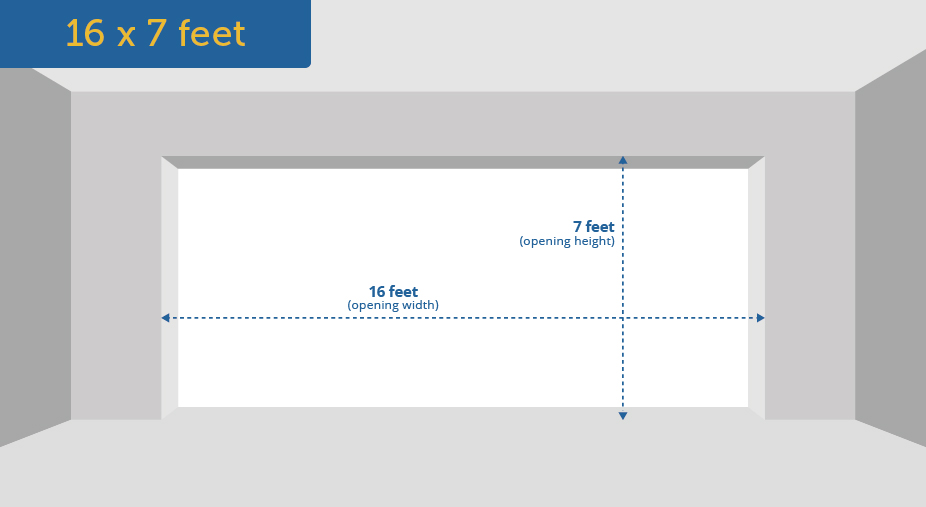
- Width: 16 feet (192 inches)
- Height: 7 feet (84 inches)
Some doors are slightly shorter or taller, with heights of 6 feet 8 inches (80 inches) or 8 feet (96 inches) also available. The width, however, is nearly always 16 feet for a true two car garage door.
Less Common Sizes
Sometimes, builders use different measurements. It’s not rare to find:
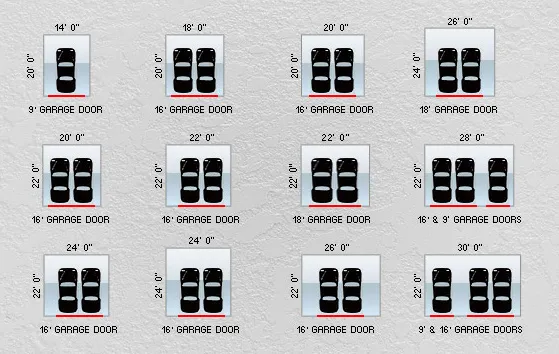
- 14 feet wide for smaller two car garages or tight spaces
- 18 feet wide for extra-large garages or if you want more space to open car doors inside
Height Considerations
While 7 feet is standard, some garages need more height. For example, if you own a large SUV, truck, or van, you might want an 8-foot door. This also helps if you plan to store large items or install a car lift.
Quick Comparison
To help you visualize, here’s a comparison between single and two car garage doors.
| Garage Door Type | Standard Width | Standard Height |
|---|---|---|
| Single Car Door | 8-9 feet | 7-8 feet |
| Two Car Door | 16 feet | 7-8 feet |
Why Size Matters: Practical Reasons
Choosing the right size for your two car garage door is more than just picking a number. The size you select affects your daily life in several ways.
Vehicle Fit And Comfort
A 16-foot wide door gives enough room for most cars, SUVs, and even some trucks to park side by side. You have enough space to open doors, load groceries, and move around without bumping into the walls or each other.
If the door is too narrow, you might struggle to park two vehicles. Car doors might hit the walls or each other, causing dents and scratches. It’s even harder if you have a large vehicle, like a pickup or a minivan.
Safety And Security
A properly sized garage door can improve safety. If your door is too small, you may need to squeeze in or out, risking injury. A door that’s too large for the opening, on the other hand, can have gaps that make it easier for pests, water, or even intruders to get inside.
Home Value And Appearance
Garage doors are a big part of your home’s front. The right size door looks balanced and modern. A door that’s too small can look awkward, while a door that’s too large might overwhelm the rest of your house.
Storage And Access
Many people use their garages for more than just cars. If you store bikes, tools, or boxes, the size of your garage door affects how easily you can get things in and out. A wider door makes moving large items much simpler.
Standard Two Car Garage Door Sizes Explained
Let’s look deeper at the most common sizes you’ll find when shopping for or building a two car garage door.
16 X 7 Feet
This is the most popular size in the US. It fits two average-sized cars, like sedans or smaller SUVs, with room to spare. You’ll have about 8 feet per car, which is enough for most families.
16 X 8 Feet
If you own taller vehicles or want more headroom for overhead storage, an 8-foot tall door is a smart choice. This size is common in new homes or luxury garages.
14 X 7 Feet
A 14-foot wide door is less common, but you see it in older homes or small lots. It can fit two compact cars but is tight for two SUVs or trucks. It’s a space-saving option but not as comfortable.
18 X 7 Or 18 X 8 Feet
These extra-wide doors are perfect for large vehicles or if you want extra space between cars. They’re often used in custom homes or garages designed for both vehicles and extra storage.
How Do You Measure A Garage Door?
To find the right size, measure the opening of your garage—not the old door. Use a tape measure from the left edge to the right edge for width, and from the floor to the top for height. Always measure in feet and inches for accuracy.
Custom Sizes And Special Cases
Not every home fits the standard. There are situations where you might need a custom two car garage door.
Older Homes
Older garages sometimes have unique shapes or sizes. If your garage is very old, it may have a smaller or odd-sized opening. In these cases, custom doors can be made to fit, but they cost more and may take longer to install.
Special Vehicles
If you have a large truck, RV, or a boat, you’ll need a taller or wider door. Some people ask for 9-foot tall doors or 20-foot wide doors for special uses. Always measure your vehicle with mirrors and any racks or accessories before ordering.
Unique Designs
People who want a special look for their home can order custom shapes, like arched doors or doors with windows and decorative panels. These don’t always match standard sizes, so be sure to check with your builder or door supplier.
Commercial Or Workshop Spaces
If you use your garage as a workshop, gym, or for commercial work, you may want a door that’s even wider or taller than the standard. This helps move equipment or larger items with ease.
Common Materials And Their Impact On Size
The material you choose for your two car garage door can affect the size options available and even the weight and operation of the door.
Steel
Steel garage doors are strong and come in many styles and sizes. They’re often used for 16-foot and 18-foot wide doors because steel can support the weight and width without bending.
Wood
Wood doors look beautiful but are heavier, especially in larger sizes. For very wide doors, you may need extra-strong hardware and a powerful opener. Wood also needs more maintenance to prevent warping.
Aluminum
Aluminum doors are lightweight and resist rust. They work well for wide doors, but can dent easily, so they may not be ideal in areas with lots of kids or sports activity.
Fiberglass
Fiberglass doors are light and can mimic the look of wood. They’re popular in coastal areas because they resist salt and moisture.
Vinyl
Vinyl doors are durable, low-maintenance, and can be made in most standard sizes. However, they may have fewer style options compared to other materials.

Single Door Vs. Two Single Doors: Which Is Better?
When planning a two car garage, you have a choice: one large door or two single doors.
One Large Door (double Door)
- Pros: Clean look, easy to park large vehicles, only one opener to maintain, more space to move things in and out.
- Cons: If the opener fails, both cars are stuck; can be more expensive to replace; uses more power.
Two Single Doors
- Pros: If one opener fails, you can still get one car out; classic look; can save energy.
- Cons: Harder to park large vehicles; less space in the middle.
Here’s a side-by-side comparison:
| Feature | Double Door | Two Single Doors |
|---|---|---|
| Standard Width | 16-18 feet | 2 x 8-9 feet |
| Opener Needed | 1 | 2 |
| Parking Large Vehicles | Easier | Harder |
| Energy Use | Higher | Lower |
How To Choose The Right Size For Your Home
Picking the perfect garage door size isn’t just about following the most common standard. Here’s how you can make the best decision:
1. Measure Your Space
Always measure the width and height of your garage opening before shopping. Include any framing or finish materials that might change the size.
2. Consider Your Vehicles
Think about what you drive now and what you might drive in the future. Larger vehicles need more space, not just to park but to open doors.
3. Factor In Storage And Uses
If you use your garage for storage, bikes, or as a workshop, a wider door is helpful. It’s easier to move large items in and out.
4. Think About The Future
Homeowners often regret choosing the smallest possible door. You may buy a larger vehicle later, or want more space for hobbies or storage.
5. Check Local Building Codes
Some neighborhoods or cities have rules about garage door sizes and appearances. Check with your local building department before buying or installing a new door.
Installation And Framing Considerations
The size of your garage door is only part of the story. Installation and framing can affect the final fit and function.
Framing Size Vs. Door Size
The rough opening (the hole in the wall) should match the width and height of the garage door. However, you also need extra space for the door tracks, springs, and opener.
For example, a 16 x 7 foot door usually needs at least 18 inches of headroom above the opening and 12 inches on each side for the tracks and hardware.
Professional Installation
Installing a large garage door is not a DIY project for most people. Double doors are heavy and require strong springs and safe installation. A professional will make sure the door is balanced, opens smoothly, and seals well.
Opener Strength
A 16-foot or 18-foot door is heavy, especially if made of wood. You’ll need a powerful garage door opener, usually at least 1/2 horsepower, and sometimes 3/4 horsepower for the heaviest doors.
Insulation And Energy Efficiency
Large garage doors can let in a lot of outside air. If you use your garage as a workshop or want to keep it warmer in winter, consider an insulated garage door. Insulation helps keep temperatures stable and can reduce noise.
Most manufacturers offer double-layer or triple-layer construction for better insulation. The higher the R-value, the better the insulation. For a two car garage door, aim for an R-value of at least 10 if you live in a cold or hot climate.
Cost Of A Two Car Garage Door
The price of a two car garage door depends on the size, material, insulation, and features.
Typical Price Range
- Standard steel door (16 x 7 feet): $900 – $2,500 installed
- Insulated steel door: $1,300 – $3,000 installed
- Wood or custom doors: $2,500 – $8,000 installed or more
Extra Costs To Consider
- Removing an old door
- Upgrading to a stronger opener
- Adding windows or decorative panels
- Special colors or finishes
- Permit fees (in some areas)
Ways To Save
Basic steel doors are usually the most affordable. You can save by choosing simple designs, standard colors, and fewer extras. However, investing in insulation and a quality opener can save money on energy and repairs in the long run.
Common Mistakes When Choosing A Two Car Garage Door
It’s easy to make mistakes when picking a garage door. Here are some pitfalls to avoid:
1. Measuring Only The Old Door
Always measure the opening, not just the old door. Framing and finish materials can change the size needed.
2. Picking A Door That’s Too Small
A 14-foot wide door is tight for two cars. If possible, choose at least 16 feet for comfort and future needs.
3. Forgetting About Height
If you have a tall vehicle or plan to buy one, choose an 8-foot tall door. Don’t get stuck with a door that’s too short.
4. Ignoring Insulation
Many people skip insulation to save money, but later regret it when their garage is too hot or cold.
5. Not Considering Appearance
Garage doors are a major part of your home’s curb appeal. Choose a style and color that matches your house.
Maintenance And Durability
A larger garage door needs regular care to keep it working well.
Lubricate Moving Parts
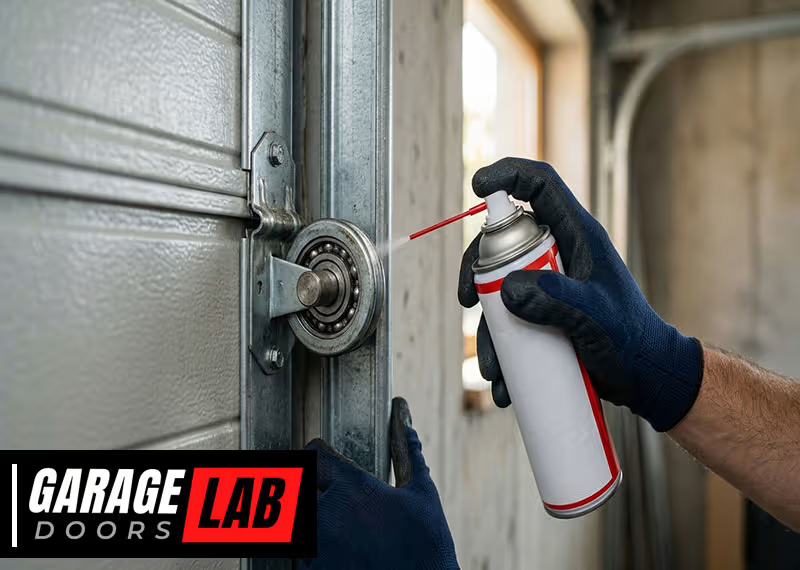
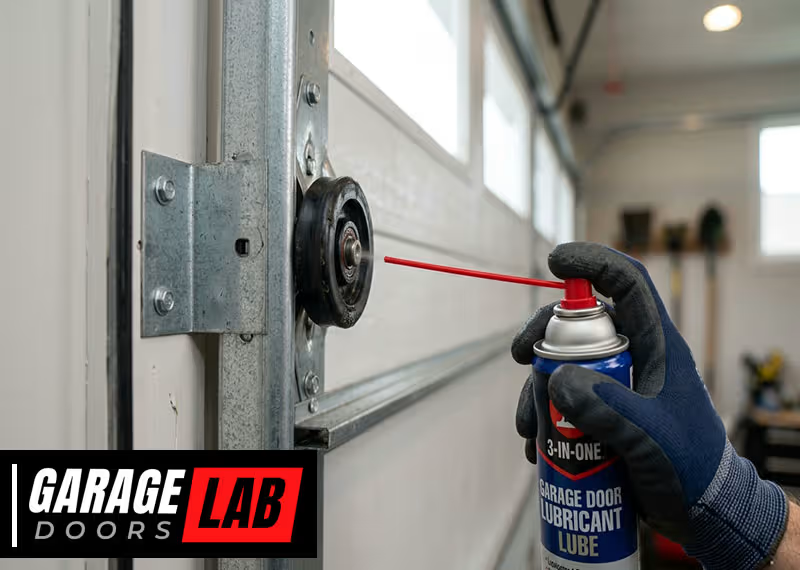
The rollers, hinges, and tracks should be lubricated at least twice a year. This keeps the door opening smoothly and prevents wear.
Check The Balance
A heavy, wide door can get out of balance. If your door is hard to lift or doesn’t stay open, call a professional to check the springs.
Inspect The Weatherstripping
Wide doors have long seals at the bottom and sides. Check for gaps or damage that let in water or pests.
Paint And Protect
If you have a wood door, keep it painted or stained to prevent rot. Steel doors should be cleaned and checked for rust.
Modern Features For Two Car Garage Doors
Today’s garage doors offer more than just size options. You can choose from many features to make your door safer, smarter, and more stylish.
Windows And Decorative Panels
Add windows to your garage door for natural light and a modern look. Decorative panels can match your home’s style.
Smart Openers
Many new garage door openers connect to your smartphone. You can open or close your door from anywhere, get alerts if you forget to close it, or set schedules for opening.
Safety Sensors
Modern doors come with sensors that stop the door if something is in the way. This is essential for families with children or pets.
Quiet Operation
If your garage is near bedrooms, look for doors and openers designed to be quiet. This makes early mornings or late nights less disturbing.
Regional And Climate Considerations
Where you live can affect the best choice for your garage door.
Cold Climates
In areas with snow and ice, an insulated door is important. Steel and fiberglass resist the cold better than wood.
Coastal Areas
If you live near the ocean, choose a door with rust-resistant hardware and materials. Aluminum and fiberglass are good choices.
Wind Zones
Some regions require wind-rated garage doors that can withstand hurricanes or strong storms. Always check local building codes.
How Two Car Garage Door Size Affects Your Home’s Value
A properly sized, attractive garage door can increase your home’s curb appeal and value. Real estate agents often say that homes with modern, well-maintained garage doors sell faster and for more money.
A door that’s too small, old, or in poor condition can be a turn-off for buyers. Investing in the right size and style can pay off when you sell your home.
Real-world Examples
Suburban Family
A family in the suburbs with two SUVs chose a 16 x 8 foot steel garage door. They have room for both cars, bikes, and can move strollers or groceries easily.
Urban Home
A city home with a narrow lot used a 14 x 7 foot door. It’s tight, but fits two compact cars. The owner regrets not choosing a wider door, as parking is tricky.
Luxury Home
A homeowner with a large truck and sports car selected an 18 x 8 foot insulated wood door. It was expensive, but matches the style of their custom house and gives plenty of room for both vehicles and storage.
How To Order And Install A Two Car Garage Door
Find The Right Supplier
Look for a local garage door company with good reviews. Ask to see samples and material options.
Get A Home Visit
A professional should visit your home to measure the opening, check framing, and recommend the best size and style.
Choose Your Features
Pick your material, insulation, windows, color, and opener. Get a written estimate before ordering.
Schedule Installation
Professional installation usually takes one day. The installer will remove the old door, fit the new one, and test the opener and safety features.
Summary Table: Key Facts About Two Car Garage Doors
Here’s a quick reference to the most important points:
| Feature | Details |
|---|---|
| Standard Width | 16 feet |
| Standard Height | 7 feet (8 feet optional) |
| Common Materials | Steel, wood, aluminum, fiberglass, vinyl |
| Cost Range | $900 – $8,000+ installed |
| Insulation | Double or triple layer, R-value 10+ |
| Professional Installation | Recommended for safety and performance |
Frequently Asked Questions
What Is The Standard Size For A Two Car Garage Door?
The most common size for a two car garage door in the US is 16 feet wide by 7 feet tall. Some doors are 8 feet tall or 18 feet wide for extra space.
Can Two Suvs Fit Comfortably Through A Standard Two Car Garage Door?
Yes, most SUVs can fit through a 16-foot wide door with room to open doors and move around. For large trucks or vans, an 18-foot wide door offers more comfort.
Is It Better To Have One Double Door Or Two Single Garage Doors?
Both options have pros and cons. One double door is easier for parking large vehicles and moving big items. Two single doors offer more flexibility if one opener fails and can save energy.
How Much Does A Two Car Garage Door Cost?
Prices range from about $900 for a basic steel door to $8,000 or more for custom wood doors with insulation and features. Most homeowners spend between $1,500 and $3,500 for a quality insulated door.
Where Can I Find More Information About Garage Door Standards?
You can find more details and building codes at the Wikipedia page on garage doors.
A two car garage door is a big investment that affects your daily life and your home’s value. By understanding the standard sizes, materials, and features, you can choose the door that fits your needs now and in the future.
Take the time to measure carefully, compare options, and work with a trusted installer. With the right choice, your garage will be more useful, more attractive, and more secure for years to come.