
Getting locked out of your garage can be stressful, especially if you need something inside right away. Many people panic and call a locksmith or even consider damaging the door. But what if you could open a garage door lock yourself, safely and legally?
If you’ve lost your keys or the lock is stuck, learning how to pick a garage door lock is a practical skill. This article explains everything you need to know—step by step, with clear advice, safety tips, and real-world examples.
You’ll discover tools you can use, how different locks work, and mistakes to avoid. Whether you’re helping a neighbor, dealing with an emergency, or just curious, you’ll be ready to handle most garage door lockouts without causing damage. Let’s look at how you can unlock your garage door efficiently and responsibly.
Understanding Garage Door Locks
Before you try to pick a garage door lock, it’s important to know what type you’re dealing with. Not all garage door locks are the same, and using the wrong technique can make things worse.
Most garage doors use one of these lock types:
- T-Handle Locks: Common on older metal garage doors. The handle has a lock in the center.
- Deadbolt Locks: Similar to house doors, but sometimes with a longer bolt.
- Sliding Bar Locks: A horizontal bar slides into a slot, usually with a key cylinder.
- Padlocks: Used with hasps or chains, often on side doors.
- Electronic Locks: Keypads or smart locks, less common on basic garage doors.
Each lock type requires a different approach. For example, a T-handle lock can usually be picked with simple tools, while electronic locks need a different method—or sometimes a reset code.
Why Knowing Your Lock Matters
Using the wrong method can damage the lock or door. For example, forcing a padlock might snap the hasp, making repairs expensive. Understanding your lock type saves time and money.
Common Mistakes Beginners Make
- Trying to force the lock open. This can bend or break the mechanism.
- Using the wrong tools. For example, a bobby pin might work on a simple lock but not a deadbolt.
- Not checking for alternative entries. Sometimes, another door or window is unlocked.
Legal And Safety Considerations
Picking a garage door lock is only legal if you own the property or have permission. Never attempt to pick a lock that isn’t yours, even as a joke—it’s illegal in many places and can lead to arrest.
- If you rent, ask your landlord for help.
- If you’re unsure, contact a professional locksmith.
- Never pick a lock if a child, pet, or vulnerable person could be at risk inside.
Safety tip: Always have identification and proof of ownership ready if you’re picking your own lock. Neighbors or police might ask questions if they see you working on a lock.
Tools You’ll Need For Picking Garage Door Locks
Picking a garage door lock doesn’t require expensive gear. Most methods use simple tools, some of which you might already have at home.
Basic Tools
- Tension wrench (sometimes called a torsion wrench)
- Lock pick (hook pick, rake, or homemade)
- Paperclip or bobby pin (for simple locks)
- Small flathead screwdriver
- WD-40 or graphite lubricant (for sticky locks)
- Flashlight
- Gloves (to protect your hands)
Advanced Tools
- Lock pick gun: Speeds up the process, best for experienced users.
- Bump key: Used for pin tumbler locks, but requires practice.
- Shim: Helps bypass some padlocks.
Comparison Of Basic And Advanced Tools
Here’s a quick look at how different tools compare in cost, difficulty, and success rate:
| Tool | Cost | Skill Needed | Success Rate | Best For |
|---|---|---|---|---|
| Tension Wrench & Pick | Low | Beginner | Good | T-Handle, Deadbolt |
| Paperclip/Bobby Pin | Very Low | Beginner | Moderate | Simple Locks |
| Lock Pick Gun | Medium | Intermediate | High | Pin Tumbler |
| Bump Key | Low | Intermediate | High | Pin Tumbler |
| Shim | Low | Beginner | Good | Padlocks |
Insider tip: Many inexpensive lock picking kits are available online, but quality matters. Cheap tools break easily and can get stuck in the lock.
How Garage Door Locks Work
If you understand how a lock works, picking it becomes much easier.
Pin Tumbler Mechanism (most Common)
- Most garage door locks use pin tumbler mechanisms. Inside the lock are pins of different lengths.
- When you insert the right key, the pins line up at the “shear line,” letting the cylinder turn.
- Picking a lock means using tools to move the pins into the right place, then turning the cylinder.
Wafer Locks
- Some T-handle or sliding locks use wafer locks. These have flat wafers instead of pins.
- Picking technique is similar, but wafers are often easier to move.
Deadbolts And Padlocks
- Deadbolts use pins but have a heavier bolt.
- Padlocks can use pins or discs, depending on quality.
Electronic Locks
- Keypads and smart locks don’t have pins or wafers. Picking usually doesn’t work.
- In these cases, you may need to reset or bypass the lock using a code.
Beginner’s mistake: Many people forget to apply gentle, steady tension when picking. Too much force can bend pins, while too little won’t move them.

Step-by-step: How To Pick A Garage Door Lock
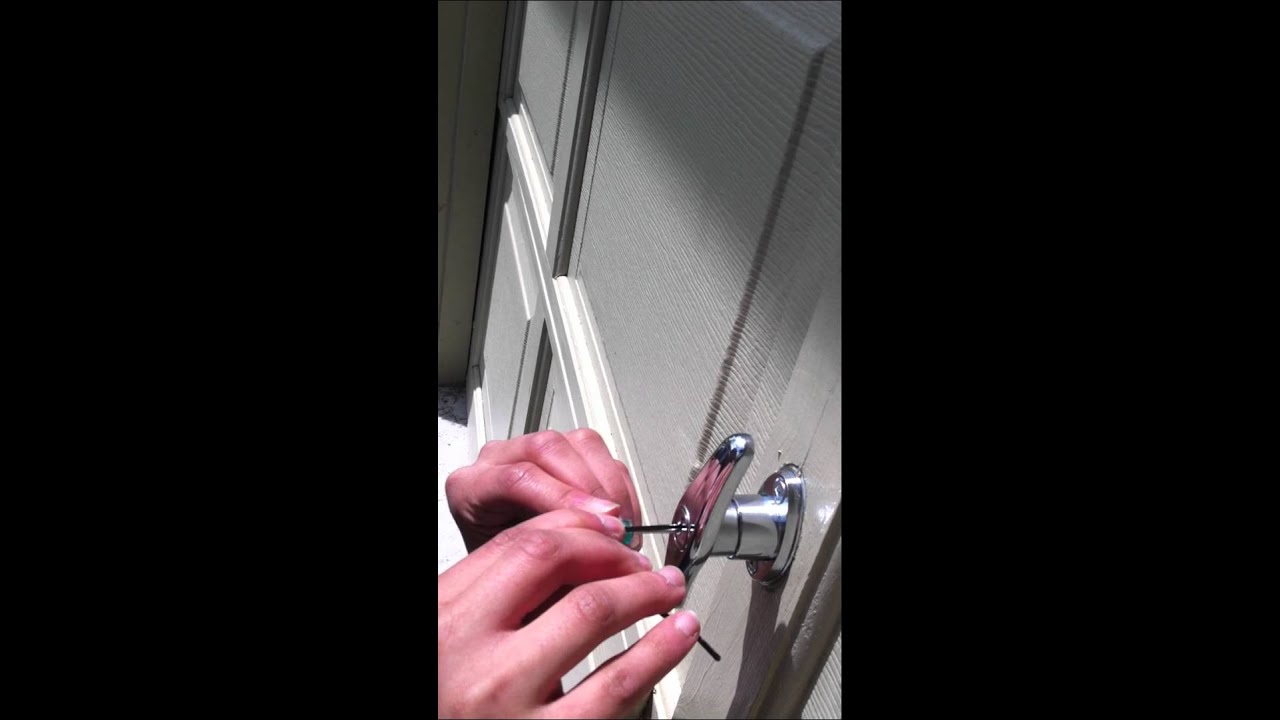
Let’s walk through the process for a standard T-handle or pin tumbler lock. This is the most common lock on garage doors.
1. Prepare Your Tools And Workspace
- Gather your tension wrench and pick, or two sturdy paperclips if you don’t have a kit.
- Make sure the area is well-lit. Use a flashlight if needed.
- Wear gloves to avoid scratches or pinched fingers.
2. Apply Lubricant
Spray a small amount of WD-40 or graphite lubricant into the keyhole. This helps the pins move smoothly and reduces the chance of breaking your tool.
3. Insert The Tension Wrench
- Place the tension wrench in the bottom of the keyhole.
- Apply gentle pressure in the direction the key would turn (usually to the right).
4. Insert The Pick
- Insert your pick (or a bent paperclip) into the top of the keyhole.
- Gently push up on the pins inside. You’ll feel them move.
5. Set The Pins
- While holding tension with the wrench, lift each pin until you hear or feel a tiny “click.”
- Move from back to front, or front to back, depending on the lock.
- If the wrench slips, start again. Too much force can break the tool.
6. Turn The Lock
- Once all pins are set, the tension wrench should turn the lock.
- If it doesn’t, check for missed pins or reduce pressure.
7. Open The Garage Door
- Pull the handle or slide the bar as usual.
- If the lock sticks, apply more lubricant and try again.
Example: Picking A T-handle Lock With Household Items
Let’s say you don’t have a lock pick set. Here’s how you can use two paperclips:
- Straighten one paperclip, then bend a small L-shape at one end (tension wrench).
- Straighten another paperclip, then bend a tiny hook at the end (pick).
- Use the L-shaped clip to apply gentle tension.
- Use the hooked clip to push up on the pins.
- Listen for clicks, then turn the L-shaped clip to open the lock.
Non-obvious insight: If the lock is old or rusty, pins may stick. Gently tapping the lock with a screwdriver handle can help loosen them.
Special Techniques For Other Garage Door Lock Types
Not all garage locks are the same. Here’s how to handle some common variations.
Deadbolt Locks
- Use a standard pick and tension wrench.
- Deadbolts are harder because the bolt is heavier, so apply steady, firm tension.
- For stubborn deadbolts, a lock pick gun can speed up the process.
Sliding Bar Locks
- If the lock cylinder is exposed, use a pick and tension wrench as described.
- Sometimes you can access the bar directly from inside (if there’s a gap above the door).
Padlocks
- Use a shim if available. Slide the shim into the space between the hasp and shackle to release the lock.
- If shimming doesn’t work, use a rake pick and tension wrench.
Electronic Or Keypad Locks
- Picking usually won’t work. Check for a manual key override.
- If not, look for a reset button or code. If you don’t know the code, you’ll need the owner’s manual or professional help.
Table: Difficulty And Success Rates By Lock Type
Here’s how different garage door locks compare for picking:
| Lock Type | Picking Difficulty | Success Rate | Damage Risk |
|---|---|---|---|
| T-Handle (Pin Tumbler) | Easy | High | Low |
| Deadbolt | Medium | Medium | Medium |
| Sliding Bar | Medium | High | Low |
| Padlock | Easy-Medium | High | Low |
| Electronic/Keypad | Very Hard | Low | Low |
Expert tip: Always start with the least destructive method. Avoid drilling or hammering unless you’re ready to replace the lock.
What To Do If Picking Fails
Sometimes, picking doesn’t work—maybe the lock is jammed, damaged, or too advanced. Here’s what you can try:
- Double-check all entry points. Sometimes a side door or window is unlocked.
- Try lubricating again. Sticky pins can be freed with more lubricant.
- Reverse picking. Try picking with the door slightly pushed in or out. Pressure on the door can affect the pins.
- Use a lock pick gun. If you have one, this tool can help with stubborn pins.
- Contact a locksmith. If all else fails, professional help is safest.
- Consider removing the lock. If you must, drilling out the core is a last resort. Protect your eyes and hands.
Insider detail: Many people don’t realize that cold weather can make locks stick. Gently warming the lock with a hair dryer can help.
Preventing Future Lockouts
Once you’ve opened your garage, prevent this problem from happening again.
Make Spare Keys
- Keep a spare with a trusted neighbor or in a secure lockbox.
- Don’t hide keys near the garage—thieves know common hiding spots.
Upgrade Your Lock
- Consider a modern lock with a key override or keypad.
- Smart locks can be opened with a phone app or code.
Regular Maintenance
- Spray lubricant every few months.
- Check for rust, dirt, or loose screws.
Security Tip
- If your lock was difficult to pick, that’s good for security.
- If you opened it easily, consider upgrading to a more secure model.
Non-obvious insight: Many lockouts happen after storms or power outages. Check your garage door after bad weather to make sure everything works.
When To Call A Professional
If you’re not comfortable picking a lock, there’s no shame in calling a pro. Locksmiths have the right tools and experience to open locks without damage.
- If the lock is high-security, electronic, or badly damaged, call for help.
- If you’ve tried picking for more than 20 minutes without success, stop—further attempts can cause damage.
Cost tip: Locksmiths usually charge between $75–$150 for a garage door lockout, depending on complexity and location.
Common Problems And Fixes
Sometimes, opening the lock is only part of the challenge. Here are other problems you might run into:
Key Broke In Lock
- Use needle-nose pliers to remove the piece.
- If it’s stuck, a key extractor tool can help.
Lock Spins But Doesn’t Open
- The tailpiece might be broken.
- You may need to open the lock from inside or replace it.
Lock Is Rusty Or Dirty
- Clean with compressed air and lubricant.
- Avoid using water, which can cause more rust.
Lock Won’t Turn After Picking
- Double-check that all pins are set.
- Reduce tension and try again.
Pro tip: Always test the lock several times after picking to make sure it works smoothly.
Garage Door Security After Picking
After you’ve picked your garage door lock, make sure your property stays secure.
- Replace the lock if it was damaged during picking.
- Check that the door closes and locks properly.
- Consider upgrading to a higher-security model.
Table: Security Features To Consider
If you want better protection, look for these features in your next garage door lock:
| Feature | Why It Matters | Common in |
|---|---|---|
| Bump-Resistant Pins | Prevents bump key attacks | Modern Deadbolts |
| Key Control | Restricts key duplication | High-Security Cylinders |
| Drill Plates | Stops drilling attacks | Heavy-Duty Locks |
| Smart Lock Features | Remote control and alerts | Electronic Locks |
Security insight: The best lock is only as strong as the door and frame. Reinforce weak spots for better security.
Useful Resources
For more on lock picking and garage security, check out the Lock Picking Wikipedia page. It covers the history, tools, and techniques in detail.
Frequently Asked Questions
How Long Does It Take To Pick A Garage Door Lock?
For a beginner, it might take 10–30 minutes to pick a simple T-handle or pin tumbler lock. With practice, you can do it faster. Complex locks, like deadbolts, may take longer—sometimes up to an hour. If you’re struggling for more than 20 minutes, take a break and try again.
Is It Legal To Pick My Own Garage Door Lock?
Yes, it’s legal to pick your own lock, or a lock you have permission to open. Picking someone else’s lock without permission is illegal and considered breaking and entering. Always have proof of ownership if you’re picking a lock in a public place.
Can I Damage The Lock By Picking It?
Yes, there’s a small risk of damage, especially if you use too much force or the wrong tools. Pins can bend, or the keyway can get scratched. To minimize damage, use gentle pressure and proper tools. If you notice the lock sticking after picking, apply lubricant or consider replacing it.
What If I Can’t Pick The Lock And Need To Get In Urgently?
If there’s an emergency (child or pet locked inside), call a locksmith or emergency services right away. Don’t try to force the lock or break the door—it’s dangerous and can cause expensive damage. For non-emergencies, keep trying with the right tools, or call a professional.
Are There Locks That Can’t Be Picked?
Some high-security locks are designed to be pick-resistant or even “unpickable” with standard tools. Electronic locks, smart locks, and locks with special pins are much harder to pick. In these cases, only a professional locksmith or the manufacturer can help.
Picking a garage door lock is a useful skill in emergencies, but always use it responsibly. With patience and the right technique, you can handle most garage lockouts without stress or damage. Remember, prevention is best—keep spare keys, maintain your locks, and upgrade security where needed.