
Now Reading: How to Choose Your Garage Door Mgapgarage: Expert Tips
- 01
How to Choose Your Garage Door Mgapgarage: Expert Tips

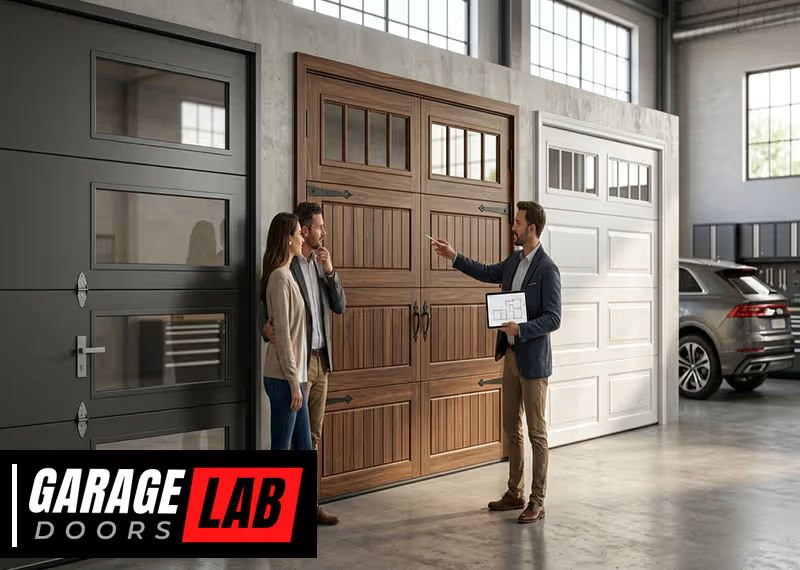
Choosing the right garage door is not just about looks. It’s about safety, convenience, value, and making your daily life easier. Many people think picking a garage door is simple—just choose a style and color. But there are many important factors to consider, from security features to insulation, from materials to smart technology. If you’re searching for your next garage door with Mgapgarage, you’ll want to get the best fit for your home, budget, and lifestyle. This guide will help you navigate all the key choices so you can make a confident decision, even if you’re new to garage doors.
Understanding Your Needs
Before you start shopping, take a moment to think about your actual needs. Garage doors are used every day, so making the right choice can save money and frustration.
What’s Your Main Purpose?
Ask yourself: Is your garage mainly for parking? Storage? A workspace? If your garage is attached to your home, insulation and security matter more. If it’s a detached shed, maybe you want a simple, strong option.
Climate And Location
Your local weather changes what garage door you need. For example, if you live in a cold area, you’ll want good insulation. If storms are common, you need strong materials and wind resistance.
Budget
Garage doors come in many prices. Set a clear budget before shopping. Remember, the cheapest door may cost more later in repairs or wasted energy.
Materials: Choosing What’s Right For You
Garage doors are made from different materials. Each has strengths and weaknesses. Here’s a quick comparison:
| Material | Durability | Maintenance | Insulation | Cost |
|---|---|---|---|---|
| Steel | High | Low | Good | Medium |
| Aluminum | Medium | Low | Fair | Medium |
| Wood | Medium | High | Excellent | High |
| Fiberglass | Medium | Low | Good | Medium |
| Vinyl | Medium | Low | Fair | Low |
Steel
Steel doors are popular because they’re strong, last long, and need little care. They resist dents and rust if painted. Many modern steel doors have foam insulation, making them great for energy savings.
Aluminum
Aluminum doors are light and resist rust. They’re good for humid or coastal areas. The downside is they can dent more easily. Some aluminum doors have glass panels for a modern look.
Wood
Wood doors are classic and beautiful. They offer great insulation, but need regular painting or staining to stay strong. They’re heavier and cost more, but can boost your home’s curb appeal.
Fiberglass
Fiberglass doors are light and resist salt air, so they’re good for coastal homes. They mimic wood but don’t warp or rot. However, they may crack in extreme cold.
Vinyl
Vinyl doors are affordable and resist dents. They’re low-maintenance and handle rough weather well, but don’t insulate as well as other types.
Insulation: Comfort And Savings
Insulation is a hidden hero. It keeps your garage warmer in winter and cooler in summer. If your garage is attached to your house, or if you use it for hobbies, insulation matters.
Types Of Insulation
Most garage doors use polystyrene or polyurethane foam. Polyurethane is denser, giving better insulation.
The insulation value is measured by R-value. Higher R-value means better insulation.
| Insulation Type | Typical R-value | Benefits |
|---|---|---|
| Single-layer (no insulation) | ~1-2 | Lowest cost, poor insulation |
| Polystyrene (double-layer) | ~6-8 | Good for mild climates |
| Polyurethane (triple-layer) | ~12-18 | Best for energy savings |
Why It Matters
A well-insulated door can:
- Lower your energy bills
- Make your garage comfortable for work or play
- Reduce noise from outside or inside
Many new buyers forget to check insulation, but it’s a smart long-term investment.
Security Features: Protecting Your Home
Garage doors are a common entry point for burglars. Security is more than a strong lock.
Key Security Options
- Automatic locking systems: Some modern doors lock themselves when closed.
- Rolling code technology: Changes the code each time you use the remote, stopping thieves from copying signals.
- Smart openers: Connect to your phone, let you monitor activity, and alert you if something is wrong.
- Heavy-duty materials: Thicker doors and reinforced panels resist break-ins.
Common Security Mistakes
- Leaving your remote in your car (thieves can steal it)
- Using old openers without rolling codes
- Not checking for gaps or weak points in the door
Investing in a secure garage door can protect your family and belongings.
Style And Appearance
Your garage door is a big part of your home’s look. It can add value and curb appeal.
Popular Styles
- Traditional: Raised panels, classic shapes, often steel or wood
- Carriage House: Looks like old barn doors, often with decorative hardware
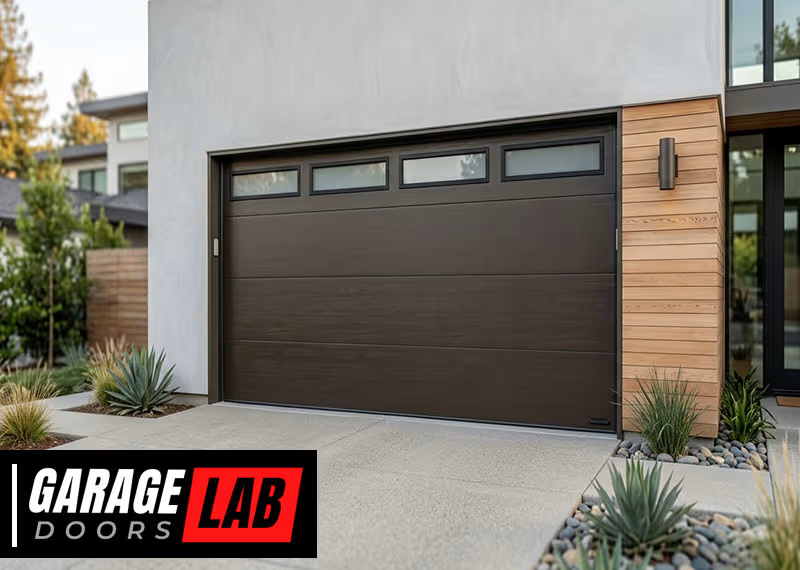
- Modern: Clean lines, glass panels, aluminum or steel
Customization
You can choose:
- Color
- Windows: Add light, make the garage feel bigger
- Hardware: Handles, hinges, decorative details
Pick a style that matches your house, but don’t be afraid to add your personality.
Size And Fit
Garage doors come in standard sizes, but measuring is important. A door that doesn’t fit causes problems.
Common Sizes
- Single garage door: Usually 8 to 9 feet wide, 7 to 8 feet high
- Double garage door: Usually 16 feet wide, 7 to 8 feet high
Measure your opening carefully, including height, width, and headroom (space above the opening).
Why Size Matters
- Too small: Won’t cover the opening, poor security
- Too big: Won’t fit, expensive to adjust
- Wrong headroom: Door may not open fully
If your garage is unusual, you may need a custom door. Always double-check measurements before ordering.
Operation Types: How Your Door Opens
Garage doors open in different ways. The most common is the sectional overhead door, but there are other options.
Types Of Operations
- Sectional doors: Most popular, rise up and slide back along the ceiling.
- Roll-up doors: Roll into a cylinder above the opening, good for smaller spaces.
- Swing-out doors: Open like barn doors, need clear space in front.
- Slide-to-the-side doors: Move sideways along the wall, good for garages with low ceilings.
Each type has pros and cons. Sectional doors are easy to automate. Swing-out doors are simple but need more space.
Garage Door Openers: Convenience Matters
Today, most garage doors use automatic openers. The right opener adds security and comfort.
Types Of Garage Door Openers
| Opener Type | Noise Level | Strength | Best For |
|---|---|---|---|
| Chain Drive | High | Strong | Heavy doors, detached garages |
| Belt Drive | Low | Strong | Attached garages, quiet operation |
| Screw Drive | Medium | Medium | Moderate use |
| Direct Drive | Very Low | Strong | Attached garages |
Smart Features
Modern openers offer:
- Wi-Fi connectivity: Control from your smartphone
- Battery backup: Works during power outages
- Safety sensors: Stop the door if something is in the way
Choose an opener that matches your door’s weight and your need for quiet or smart features.
Safety Considerations
Safety is essential, especially if you have children or pets.
Safety Features To Look For
- Auto-reverse sensors: Door stops and reverses if something is underneath.
- Manual release: Lets you open the door in emergencies.
- Pinch-resistant panels: Prevent fingers from getting caught.
- Tamper-proof brackets: Stop accidents during maintenance.
Many accidents happen because old doors lack these features. Always ask about safety when buying.
Maintenance And Longevity
A garage door is a big investment. You want it to last and need little care.
Maintenance Needs By Material
- Steel and aluminum: Just wash and check for rust.
- Wood: Needs painting or staining every few years.
- Vinyl and fiberglass: Wash with soap and water, check for cracks.
Signs Of Wear
Watch for:
- Noisy operation
- Slow opening
- Visible damage or sagging
- Rust or rot
These signs mean it’s time for repairs or a new door.
Energy Efficiency
Many buyers overlook energy efficiency. But a well-insulated door can make a big difference.
How Garage Doors Impact Energy
- Insulated doors keep warm air in during winter, cool air in during summer.
- Seals and weatherstripping stop drafts.
This saves money, especially if your garage is connected to your house.
Data Example
Studies show that insulated doors can reduce heat loss by up to 70% compared to non-insulated doors. This can save hundreds of dollars per year on heating and cooling.
Cost Vs. Value
Garage doors range from a few hundred dollars to several thousand. Think about total value, not just price.
What Impacts Price?
- Material
- Size
- Insulation
- Design
- Customization
- Opener features
A mid-range steel door with insulation and a smart opener offers good value for most homes.
Hidden Costs
- Installation fees (usually $300–$500)
- Repair costs
- Maintenance (especially for wood)
- Energy savings (insulation pays back over time)
Professional Installation Vs. Diy
Some people try to install garage doors themselves. This is risky unless you have experience.
Why Professional Installation Is Recommended
- Safety: Springs and heavy doors can cause injury.
- Warranty: Many manufacturers require professional installation.
- Precision: Proper alignment ensures smooth operation.
For most buyers, hiring a pro is smart. Ask for quotes and check reviews.
Warranty And Support
Don’t forget about warranty. It protects your investment.
What To Check
- Length: Many doors offer 1–10 years warranty.
- Coverage: Does it include parts, labor, or just the door?
- Exclusions: Some warranties don’t cover rust, fading, or accidental damage.
Ask about after-sales support. A good company helps with repairs and questions.
Environmental Impact
Modern buyers care about the environment. Garage doors can be eco-friendly.
Green Options
- Doors made from recycled materials
- Low-VOC paints and finishes
- Efficient insulation to reduce energy use
Choosing green features helps the planet and may qualify for local incentives.
Smart Technology Integration
Smart tech is changing garage doors. You can control, monitor, and automate your door.
Examples Of Smart Features
- Remote access: Open and close from anywhere
- Activity alerts: Get notified if the door opens unexpectedly
- Integration with home systems: Connect to Alexa, Google Home
Some smart systems also allow temporary access for deliveries.
Practical Insight
Smart features are not just for tech lovers. They also improve security and convenience. For instance, you can check if you left the garage door open from your phone.
Comparing Garage Door Brands
Mgapgarage offers many brands, each with strengths.
Top Brand Comparison
| Brand | Material Options | Warranty | Smart Features | Price Range |
|---|---|---|---|---|
| Clopay | Steel, wood, composite | Up to 10 years | Available | $400–$4,000 |
| Amarr | Steel, wood, aluminum | Up to 5 years | Available | $500–$3,500 |
| Wayne Dalton | Steel, wood, fiberglass | Up to 10 years | Limited | $600–$5,000 |
| Overhead Door | Steel, aluminum | Up to 5 years | Available | $400–$3,800 |
Each brand offers different styles, materials, and smart options. Compare based on your needs.
Common Mistakes To Avoid
Many buyers make mistakes that cost money and comfort.
Mistake 1: Ignoring Insulation
Even in mild climates, insulation helps with noise and comfort.
Mistake 2: Choosing Based Only On Looks
A beautiful door can be weak or hard to maintain. Balance style with function.
Mistake 3: Not Measuring Correctly
Wrong measurements lead to delays and extra costs.
Mistake 4: Skipping Security Features
Old-style locks and remotes are easy targets.
Mistake 5: Forgetting About Maintenance
Wood doors look great but need regular care. If you want low-maintenance, pick steel, aluminum, or vinyl.
Practical Tips For Choosing With Mgapgarage
- Visit the showroom: See doors in person, feel materials, check quality.
- Ask for samples: Get material and color samples for your home.
- Request a free measurement: Mgapgarage offers this to avoid mistakes.
- Check reviews: See what other buyers say about durability and service.
- Compare warranties: Longer and broader coverage is better.
- Test openers: Try quiet and smart options, see what fits your home.
- Get a written quote: Compare prices and services clearly.
Real-life Example
A family in Chicago chose a steel, insulated door with a smart opener. Their energy bills dropped by 15% in the first year. They also got alerts when their teenagers came home, adding peace of mind. The door cost $2,000 installed, but saved money and hassle over time.
Non-obvious Insights
- Garage doors impact home insurance: Strong, secure doors may lower premiums.
- Noise reduction: Insulated doors can make your home quieter, especially if bedrooms are above the garage.
- Smart openers can track usage: You can see who enters and when, useful for families or rentals.
Where To Find More Information
For more details on garage door types and safety standards, visit the International Door Association.
Frequently Asked Questions
What Is The Best Material For Garage Doors?
The best material depends on your needs. Steel is durable and low-maintenance. Wood looks great but needs care. Aluminum is light and rust-resistant. For most homes, steel with insulation is a good choice.
How Much Does A Garage Door Cost?
Prices range from $400 to $5,000 depending on material, size, insulation, and features. Installation usually costs $300–$500 extra. Smart openers add $150–$500.
Can I Install A Garage Door Myself?
It’s possible, but risky. Springs and heavy doors can cause injury. Most experts recommend professional installation for safety and warranty.
How Long Do Garage Doors Last?
A quality garage door lasts 15–30 years with proper care. Wood doors need more maintenance. Steel and aluminum last longer with less upkeep.
Are Smart Garage Doors Worth It?
Yes, smart doors offer security, convenience, and peace of mind. You can monitor activity, control from your phone, and get alerts. For busy families or frequent travelers, it’s a valuable feature.
Choosing your garage door with Mgapgarage is a big decision, but it doesn’t have to be stressful. With this guide, you know what to look for, what mistakes to avoid, and how to get the best value for your home. Take your time, ask questions, and select a door that will serve you well for years.