
Now Reading: How To Get A Copy Of Garage Door Opener
- 01
How To Get A Copy Of Garage Door Opener

When your garage door opener remote stops working, it can be a significant inconvenience. Whether it’s lost, damaged, or simply malfunctioning, you need a reliable way to access your garage. Fortunately, obtaining a replacement or a new copy of your garage door opener is usually a straightforward process.
This guide will walk you through the various methods, from identifying your existing opener to programming a new one, ensuring you can regain seamless entry to your home. Understanding the different types of openers and their compatibility is key to making the right choice and avoiding unnecessary expenses.
Key Takeaways
- Identify Your Opener: Knowing the brand and model of your garage door opener is the first step to finding a compatible remote.
- Check the Remote: Look for brand names, model numbers, and the color of the “learn” button on the opener unit itself.
- Universal Remotes: These can be programmed to work with many different brands, offering flexibility.
- Manufacturer Remotes: Buying a direct replacement from the original manufacturer guarantees compatibility.
- Programming Methods: Remotes can be programmed by the opener unit (using the learn button) or sometimes by cloning an existing remote.
- Professional Help: If you’re unsure, a garage door technician can identify your opener and provide or program a new remote.
- Safety First: Always disconnect power to the opener when working on it to avoid accidental activation.
Understanding Your Garage Door Opener System
Before you can get a copy of your garage door opener, it’s crucial to understand the components involved. A garage door opener system typically consists of the motor unit (mounted on the ceiling), a drive mechanism (chain, belt, or screw), a trolley, safety sensors, and the remote control (or remotes) and wall button. The remote control communicates wirelessly with a receiver unit inside the motor unit, sending a unique code to open or close the garage door. Different brands use different radio frequencies and coding technologies, making compatibility a significant factor when choosing a replacement remote.
Identifying Your Garage Door Opener Brand And Model
The most critical step in acquiring a replacement remote is correctly identifying the brand and model of your existing garage door opener. This information is usually found in a few key places:
- The Motor Unit: Look for a label or sticker on the main motor unit mounted on your garage ceiling. This label typically displays the manufacturer’s name (e.g., LiftMaster, Chamberlain, Genie, Craftsman, Overhead Door, Sommer) and a model number.
- The Original Remote: If you still have a working remote, check it for any brand markings or model numbers. Sometimes, these are small and discreet, so you may need good lighting.
- Owner’s Manual: If you kept the original owner’s manual for your garage door opener, it will contain all the necessary identifying information.
Pro Tip: Even if you can’t find a model number, the brand name is often enough to narrow down your options, especially when combined with other visual cues.
Understanding Remote Technology: Fixed Vs. Rolling Codes
Garage door opener remotes have evolved significantly over the years. There are two primary types of coding technology you’ll encounter:
- Fixed Code: These remotes use a single, unchanging code. While simpler, they are less secure as anyone with a similar remote could potentially open your garage. Many older systems use fixed codes.
- Rolling Code (or Security+): This is the more common and secure technology in modern openers. Each time you press the button, the remote sends a new, unique code from a vast, encrypted sequence. The opener’s receiver is synchronized with the remote, so it knows which code to expect next. This significantly enhances security. Brands like LiftMaster and Chamberlain use their proprietary Security+ technology, while Genie has its own Intellicode system.
Knowing whether your system uses a fixed or rolling code is essential, as it affects the type of replacement remote you can use and the programming process.
Methods For Obtaining A Replacement Garage Door Opener Remote
Once you’ve identified your opener system, you have several avenues for acquiring a new remote. Each method has its advantages and considerations.
Purchasing A Direct Replacement From The Manufacturer
The most straightforward way to ensure compatibility is to buy a remote specifically designed for your garage door opener’s brand and model.
- Where to Buy: You can often purchase these directly from the manufacturer’s website, authorized dealers, or large online retailers.
- Advantages: Guaranteed compatibility, often includes clear programming instructions tailored to your system, and maintains the original security features.
- Disadvantages: Can sometimes be more expensive than universal options, and finding a remote for very old or discontinued models might be challenging.
Example: If you have a LiftMaster garage door opener, you would look for a LiftMaster remote that is compatible with your specific Security+ version (e.g., Security+ 2.0, Security+ 315 MHz).
Opting For A Universal Garage Door Opener Remote
Universal remotes are designed to be programmed to work with a wide range of garage door opener brands and models. This offers a flexible and often cost-effective solution.
- How They Work: Universal remotes typically have a set of buttons that can be programmed to mimic the codes of various brands. You often program them by holding down specific button combinations or by “teaching” them the code from an existing working remote or the opener unit itself.
- Popular Brands: Chamberlain, Genie, LiftMaster, Craftsman, and Marantec are among the brands commonly supported by universal remotes.
- Advantages: Can operate multiple garage doors from different manufacturers with a single remote, often less expensive than brand-specific remotes, and widely available.
- Disadvantages: Programming can sometimes be more complex, and not all universal remotes are compatible with every single opener model, especially very new or very old ones. Always check the compatibility list before purchasing.
- Programming: Many universal remotes use a cloning process where you hold the new remote next to your old one and press buttons to transfer the code. Others require programming via the opener’s “learn” button.
A common and well-regarded universal remote brand is The Remote Controls Store (which offers a wide variety of compatible remotes). You can find detailed compatibility charts on many retail sites that sell these.
Cloning Your Existing Remote (if Possible)
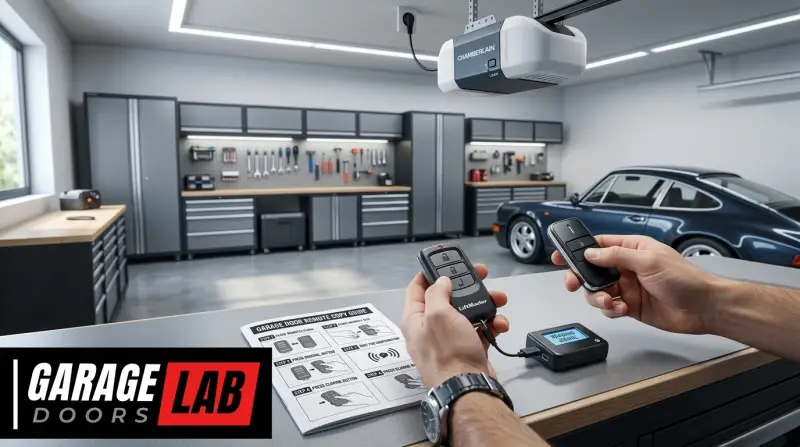
If you have a working remote and your system supports it, you might be able to “clone” the remote. This involves programming a new, blank remote to mimic the signal of your existing one.
- When This Works: This method is most common for fixed-code remotes or some multi-button remotes where each button can be programmed independently. It’s less common for advanced rolling-code systems as the receiver unit needs to be synchronized.
- How to Do It: You typically place the new remote next to the old one and follow specific button-pressing sequences on both remotes to transfer the code. The instructions will vary significantly depending on the new remote’s brand.
- Limitations: This method won’t work for all systems, especially those with advanced rolling code technology that requires synchronization with the opener unit itself.
Purchasing From Online Marketplaces And Specialty Stores
Beyond major retailers, various online marketplaces (like Amazon, eBay) and specialty garage door parts stores offer a vast selection of remotes, including OEM (Original Equipment Manufacturer) and aftermarket options.
- Considerations:
- Seller Reputation: When buying from marketplaces, check seller reviews and ratings to ensure you’re purchasing from a reputable source.
- Product Description: Read the product description carefully to confirm compatibility with your opener model.
- Return Policy: Understand the return policy in case the remote doesn’t work.
Programming Your New Garage Door Opener Remote
Once you have your new remote, the next step is programming it to your garage door opener. The method for programming depends heavily on the type of remote and opener you have.
Programming Using The “learn” Button On The Opener Unit
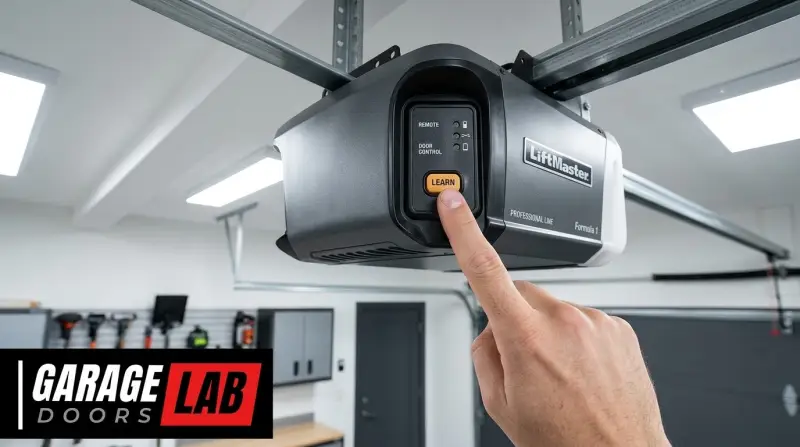
This is the most common method for programming original manufacturer remotes and many universal remotes. The “learn” button is typically located on the motor unit of your garage door opener.
Steps (General Guide):
- Locate the Learn Button: Find the “learn” or “program” button on your garage door opener’s motor unit. It’s often a small, colored button (red, orange, purple, yellow, or green) near the antenna wire or the light bulb cover. The color of this button can indicate the frequency or code system your opener uses.
- Press and Release the Learn Button: Press the button once and release it. A nearby LED indicator light should illuminate or start blinking, indicating it’s in programming mode. You usually have about 30 seconds to complete the next step.
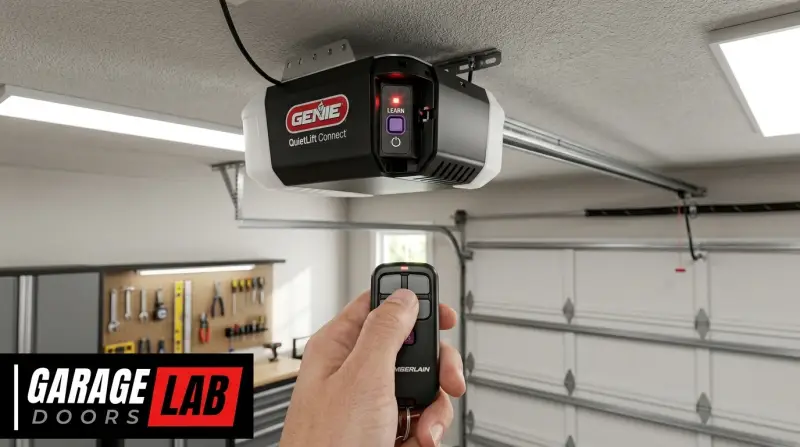
- Press the Remote Button: Immediately press and hold the button on your new remote that you want to use to open your garage door.
- Observe the Opener: Hold the remote button down until you see the garage door opener’s lights flash or hear an audible click. This signifies that the remote has been successfully programmed.
- Test the Remote: Release the remote button and press it again to test if it operates the garage door.
Important Considerations:
- Safety: Before starting, it’s advisable to disconnect the power to your garage door opener to prevent accidental door movement. You can do this by unplugging the unit or flipping the circuit breaker. Remember to plug it back in or restore power after programming.
- Specific Instructions: Always refer to the manual for your specific garage door opener model or the instructions that came with your new remote, as the exact procedure can vary. For example, programming a LiftMaster garage door opener remote might differ slightly from programming a Genie remote.
Programming By Cloning An Existing Remote
If your new remote is designed for cloning, the process involves synchronizing it with your old, working remote.
Steps (General Guide):
- Position Remotes: Place the new, unprogrammed remote and your existing working remote face-to-face, usually within a few inches of each other.
- Enter Programming Mode (New Remote): Press and hold a specific button or combination of buttons on the new remote until an LED indicator starts blinking. Refer to your new remote’s manual for the exact sequence.
- Initiate Transmission (Old Remote): Press and hold the button on your *old* remote that you want to copy the code from.
- Transfer Code: While still holding the button on the old remote, press and hold the corresponding button on the *new* remote.
- Confirmation: Hold both buttons until the LED on the new remote changes its blinking pattern or turns solid, indicating the code has been successfully copied.
- Test: Release the buttons and test the new remote to see if it operates the garage door.
Note: This method is generally not compatible with rolling code systems, as the opener unit needs to be involved in the synchronization process.
Programming Keypads And Other Access Devices
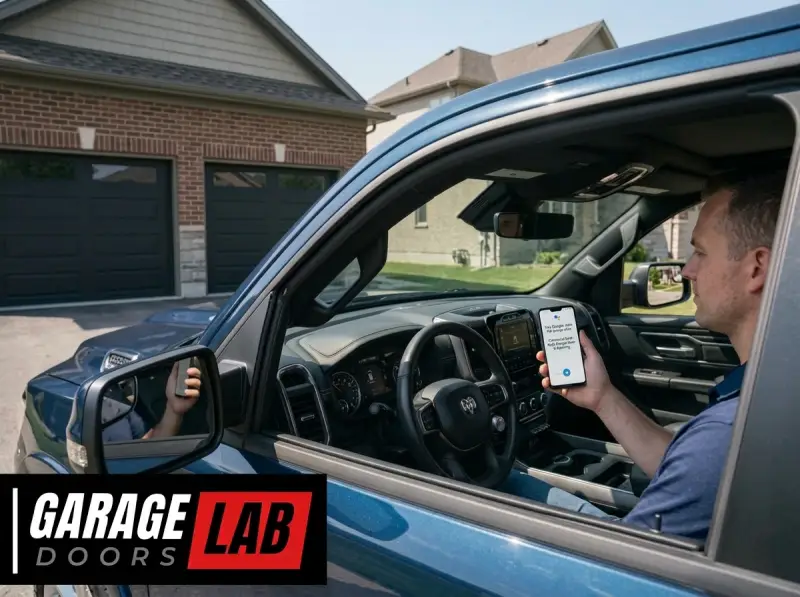
While this article focuses on remotes, it’s worth noting that keypads (both wired and wireless) and even smartphone-based openers also require programming. The process for these devices is typically outlined in their specific manuals and often involves entering a PIN and then performing a learn function on the opener unit. If you’re looking to reprogram a keypad, resources like how to reprogram a Genie garage door keypad can be helpful.
Troubleshooting Common Remote Issues
Even after obtaining and programming a new remote, you might encounter issues. Here are some common problems and their solutions:
Remote Not Working After Programming
- Incorrect Programming: The most frequent cause. Try reprogramming the remote, carefully following the instructions for your specific opener model. Ensure you are using the correct “learn” button and completing the steps within the allotted time.
- Compatibility Issues: Double-check that the remote you purchased is indeed compatible with your garage door opener’s brand and model.
- Dead Battery: The battery in the new remote might be weak or dead. Try replacing it with a fresh one.
- Range Problems: The remote might be too far from the opener unit, or there might be interference. Try programming closer to the unit.
- Opener Unit Issues: The receiver in the opener unit itself might be faulty.
Limited Remote Range
- Antenna Issues: Check the antenna wire hanging from the motor unit. Ensure it’s not damaged, cut, or obstructed. Sometimes, extending or re-positioning the antenna can improve reception.
- Interference: Other wireless devices operating on similar frequencies (like some wireless doorbells, security systems, or even neighboring garage door openers) can cause interference.
- Low Battery: A weak battery in the remote can reduce its transmission power.
- Obstructions: Metal objects, structures, or even certain types of insulation can block or weaken the signal.
Opener Responds To Other Remotes
- Rolling Code Synchronization: If you have a rolling code system, and it seems like the opener is only responding to older remotes, it might be out of sync. Try reprogramming all your remotes to ensure they are on the same sequence. A full reset of the opener’s memory and then reprogramming all remotes might be necessary. You can find guidance on how to reset your garage door opener which often involves clearing all programmed remotes.
- Security Concerns: If you suspect someone else’s remote is opening your garage, it indicates a potential security issue, possibly due to an older fixed-code system or a compromised rolling code.
When To Call A Professional
While many garage door opener remote issues can be resolved with DIY troubleshooting, there are times when seeking professional help is the best course of action.
Identifying Obscure Or Old Models
If you have a very old garage door opener or a less common brand, identifying compatible remotes can be challenging. A professional technician will have the experience and resources to identify these systems and source the correct parts.
Complex Programming Or System Malfunctions
Some rolling code systems, especially newer ones with advanced features, can have complex programming requirements. If you’ve tried the standard procedures and are still unsuccessful, a technician can efficiently handle the programming. Furthermore, if multiple remotes fail or the opener unit itself seems unresponsive, it might indicate a deeper electrical or mechanical issue that requires expert diagnosis.
Safety Concerns
Working with garage door openers involves potential safety hazards, including the risk of the heavy door falling unexpectedly or electrical shock. If you are uncomfortable with any aspect of the troubleshooting or programming process, it’s always safer to hire a qualified garage door technician.
They have the proper tools and safety equipment to perform the work correctly.
Cost Considerations
The cost of a replacement garage door opener remote can vary significantly based on the type and brand.
- Manufacturer Remotes: These typically range from $30 to $70, depending on the brand and model. For example, a standard LiftMaster or Chamberlain remote might be on the lower end, while a more specialized remote could be higher.
- Universal Remotes: Universal remotes are often more budget-friendly, typically costing between $20 and $50. Their advantage lies in their ability to work with multiple systems.
- Professional Installation/Programming: If you hire a technician to provide and program the remote, expect to pay additional labor costs. This can range from $75 to $150 or more, depending on your location and the complexity of the job.
It’s also worth considering the overall cost of garage door systems. If your opener is very old and frequently requires repairs or new remotes, it might be more cost-effective in the long run to replace the entire opener unit. The cost of a new garage door and opener system can vary widely, but investing in a newer, more reliable unit can save money and hassle over time.
Frequently Asked Questions
How Do I Know If My Garage Door Opener Is Rolling Code Or Fixed Code?
Most garage door openers manufactured after the mid-1990s use rolling code technology for enhanced security. If your opener has a “learn” button that is typically red, orange, purple, or green, it’s likely a rolling code system. Older models with DIP switches (small switches you set to a specific pattern) usually have fixed codes.
You can also consult your opener’s manual or look up the model number online.
Can I Use A Remote From A Different Brand Than My Garage Door Opener?
Yes, you can often use a universal garage door opener remote that is compatible with your specific brand and model. Direct replacement remotes from the same manufacturer are always guaranteed to work. Always check the compatibility list for universal remotes before purchasing to ensure it supports your opener.
What Should I Do If I Lose My Garage Door Opener Remote?
If you lose a remote, it’s a good security practice to erase the opener’s memory and then reprogram all your existing remotes and any new ones you acquire. This ensures that the lost remote can no longer open your garage door. You can find instructions on how to do this in your opener’s manual or by searching for guides on how to reset your specific opener model.
How Many Remotes Can Be Programmed To A Single Garage Door Opener?
Most modern garage door openers can be programmed to accept between 3 to 10 remotes, though some might support more. Check your owner’s manual for the specific limit of your model. If you need more remotes than the opener supports, you might need to consider upgrading your opener unit.
Is It Safe To Buy A Used Garage Door Opener Remote?
It is generally not recommended to buy a used garage door opener remote, especially for rolling code systems. A used remote might have been programmed to another garage door opener, or if it was a rolling code remote, it might be out of sync with your system, making it difficult or impossible to program correctly. Furthermore, if the original owner didn’t properly erase the opener’s memory after selling their home, the old remote could still potentially operate your garage door.
Obtaining a functional garage door opener remote is essential for convenient and secure access to your home. By understanding your opener’s brand, model, and technology, and by following the correct programming procedures, you can ensure a seamless replacement. Whether you opt for a manufacturer-specific remote or a versatile universal option, taking the time to identify your system accurately will save you time, money, and frustration in the long run.
Remember to prioritize safety during the programming process and don’t hesitate to consult a professional if you encounter any difficulties.