Now Reading: How Big Of Garage Door Opener Do I Need
- 01
How Big Of Garage Door Opener Do I Need

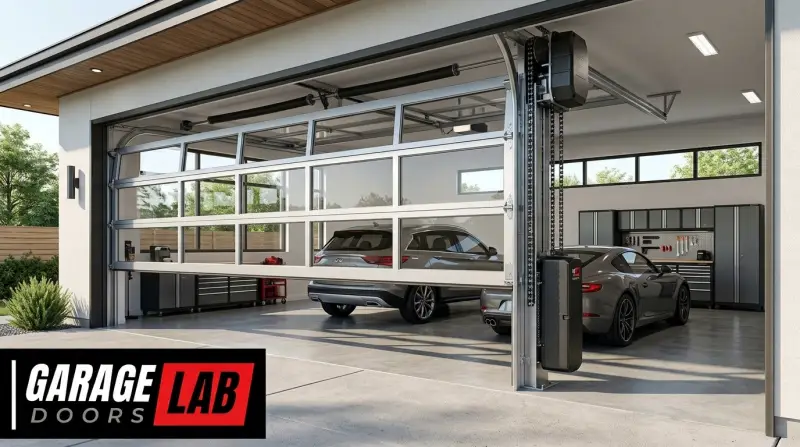
When considering a new garage door opener, one of the most common questions homeowners grapple with is: “How big of a garage door opener do I need?” This seemingly simple question delves into a complex interplay of factors, from the sheer size and weight of your garage door to the operational demands you place on the system. Choosing the right opener isn’t just about brute force; it’s about finding a balanced, efficient, and reliable solution that ensures smooth operation, longevity, and safety for years to come.
The “size” of a garage door opener isn’t measured in physical dimensions, but rather in its horsepower (HP) and towing capacity. These metrics directly correlate to the opener’s ability to lift and lower your specific garage door. Overestimating can lead to an unnecessarily expensive and potentially overpowered system, while underestimating can result in strain, premature wear, and even safety hazards. This guide will equip you with the knowledge to confidently select the perfect garage door opener for your needs, ensuring your garage door functions flawlessly.
Key Takeaways
- Horsepower is Key: Garage door opener strength is primarily measured in horsepower (HP), with common ratings being 1/2 HP, 3/4 HP, and 1 HP.
- Door Weight Matters Most: The weight of your garage door is the single most critical factor in determining the required opener HP. Heavier doors demand more powerful openers.
- Door Size & Type: While weight is paramount, the door’s dimensions (height and width) and material (steel, wood, aluminum, glass) also influence the load.
- Duty Cycle & Frequency of Use: Consider how often you’ll use the opener. High-traffic garages need openers built for a higher duty cycle.
- Environmental Factors: Extreme temperatures and humidity can affect opener performance and require consideration for motor type and lubrication.
- Drive Type vs. Power: The drive mechanism (chain, belt, screw) impacts noise and maintenance, but the HP rating dictates lifting power.
- Professional Consultation: When in doubt, consult a garage door professional to assess your specific door and recommend the appropriate opener.
Understanding Garage Door Opener Horsepower (hp)
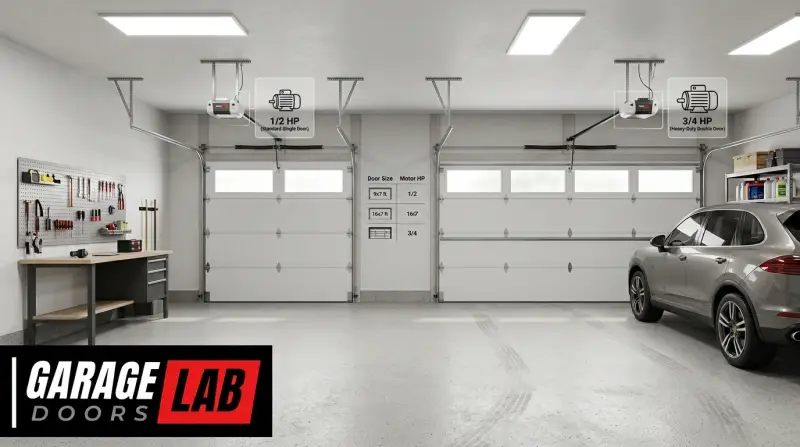
The horsepower (HP) rating of a garage door opener is the most crucial specification for determining its lifting and closing power. It essentially quantifies the motor’s strength. Garage door openers typically come in a few standard HP ratings:
- 1/2 HP: This is the most common rating and is suitable for the majority of standard residential garage doors.
- 3/4 HP: This offers more power and is recommended for heavier doors or doors that experience frequent use.
- 1 HP: This is the most powerful option, designed for very heavy doors, such as solid wood or carriage house styles, or in situations with extreme weather conditions.
It’s important to understand that the HP rating isn’t the sole determinant of performance. The efficiency of the motor, the gearbox design, and the overall build quality all play a role. However, for the purpose of matching an opener to your door, HP is your primary guide.
The Role Of Motor Efficiency And Gearbox
While HP signifies raw power, the motor’s efficiency dictates how effectively that power is converted into usable force. A more efficient motor can provide the same lifting power with less energy consumption. The gearbox connects the motor to the drive mechanism (chain, belt, or screw). A robust and well-lubricated gearbox is essential for transmitting power smoothly and reliably. Issues with the gearbox can lead to grinding noises, reduced lifting capacity, and premature failure. Regular maintenance, such as learning how to lube garage door rollers, can indirectly support the opener’s longevity by reducing overall strain.
Understanding Duty Cycle
The duty cycle refers to how often an opener can operate within a given period without overheating. Residential openers are typically rated for a specific duty cycle, often expressed as a percentage or a number of cycles per hour.
- Light-duty openers might be rated for 10-15 cycles per hour.
- Medium-duty openers can handle 20-30 cycles per hour.
- Heavy-duty openers are designed for continuous operation and can handle a much higher cycle count.
If your garage is used frequently, for example, if you live on a busy street, have multiple vehicles, or run a home-based business requiring frequent access, you’ll need an opener with a higher duty cycle to prevent overheating and premature wear.
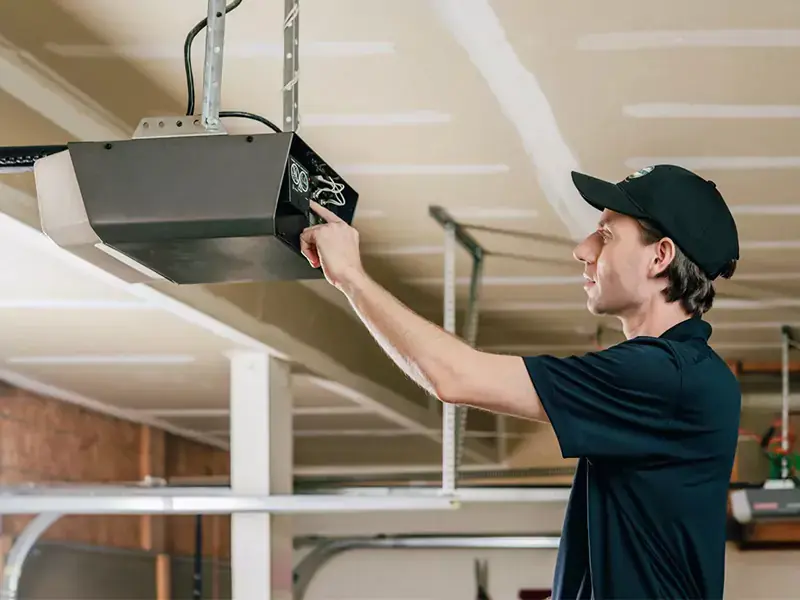
Credit: www.precisiondoor.net
Factors Influencing Opener Selection
Beyond horsepower, several other factors critically influence the type and power of the garage door opener you should choose. Neglecting these can lead to an underperforming or quickly failing system.
Garage Door Weight: The Primary Determinant
The weight of your garage door is the single most important factor in selecting the correct opener. Garage doors vary significantly in weight based on their material, construction, and size.
- Lightweight doors (e.g., aluminum, single-layer steel, insulated but thin doors) typically weigh between 75-150 pounds. These can usually be adequately operated by a 1/2 HP opener.
- Medium-weight doors (e.g., double-layer steel, some wood doors) can range from 150-250 pounds. A 1/2 HP opener might suffice, but a 3/4 HP opener offers more robust performance and longevity.
- Heavy doors (e.g., solid wood, steel with heavy insulation, carriage house styles, custom doors) can weigh 250 pounds or more, sometimes exceeding 400 pounds. These absolutely require a 3/4 HP or even a 1 HP opener.
How to Determine Your Door’s Weight:
The most accurate way to determine your door’s weight is to consult the manufacturer’s specifications. If this isn’t available, you can perform a simple test:
- Disengage the opener from the door (usually via a red emergency release cord).
- Manually lift the door halfway. It should stay open on its own with minimal effort. If it slams shut or requires significant force to hold, the springs are not balanced, and you should not proceed with the opener test until the springs are adjusted by a professional. This is a critical safety step.
- Carefully lift the door to its fully open position and then slowly lower it. Note the amount of effort required.
- To estimate weight: With the door fully open, try to lift it slightly more. The amount of force you need to apply to lift it further is roughly equivalent to the tension of the springs. The door’s weight is approximately twice the force needed to lift it when it’s already open. This is a rough estimate, but it gives you a good idea. For precise measurements, a scale or professional assessment is best.
Garage Door Size And Material
While weight is paramount, the dimensions of your garage door also play a role. A very large, but relatively light, door might still place significant stress on an opener due to the leverage involved.
- Standard Residential Doors: Typically 8×7 feet or 9×7 feet.
- Double Doors: Often 16×7 feet or 16×8 feet. These are heavier and require more robust openers.
The material of the door is a key indicator of its weight:
- Steel: Can range from lightweight single-layer to heavy insulated double or triple-layer.
- Wood: Varies greatly from lightweight cedar to heavy oak or solid panel designs. Wood doors are prone to warping, which can increase strain.
- Aluminum/Glass: Often lighter but can be fragile. Full glass doors are very heavy.
- Composite/Vinyl: Offer a range of weights depending on construction and insulation.
Frequency Of Use And Duty Cycle Requirements
As mentioned earlier, the frequency of use dictates the necessary duty cycle. A garage door opener is a motor, and like any motor, it can overheat if pushed beyond its designed limits.
- Single-car garage with one vehicle: Likely to be used 2-4 times per day. A standard 1/2 HP opener with a moderate duty cycle is usually sufficient.
- Two-car garage with two vehicles: Usage can easily double to 4-8 times per day. A 1/2 HP opener might still work, but a 3/4 HP with a higher duty cycle is a safer bet for longevity.
- High-traffic garages: (e.g., shared driveways, frequent guest access, home businesses) may require 10+ cycles per day. A 3/4 HP or 1 HP opener with a heavy-duty rating is essential.
Environmental Considerations
The climate in which you live can also influence your choice.
- Extreme Cold: Can make garage doors heavier and opener mechanisms stiffer. A more powerful opener (3/4 HP or 1 HP) can better handle this increased resistance. Lubricants can also freeze, so ensuring proper lubrication is key. Learning how to lubricate garage door rollers is crucial in colder climates.
- Extreme Heat: Can cause motors to overheat more easily. A higher duty cycle rating or a more powerful motor that doesn’t have to work as hard can be beneficial.
- Humidity/Coastal Areas: Can lead to rust and corrosion on metal components. Stainless steel or corrosion-resistant parts are advantageous, and regular maintenance becomes even more critical.
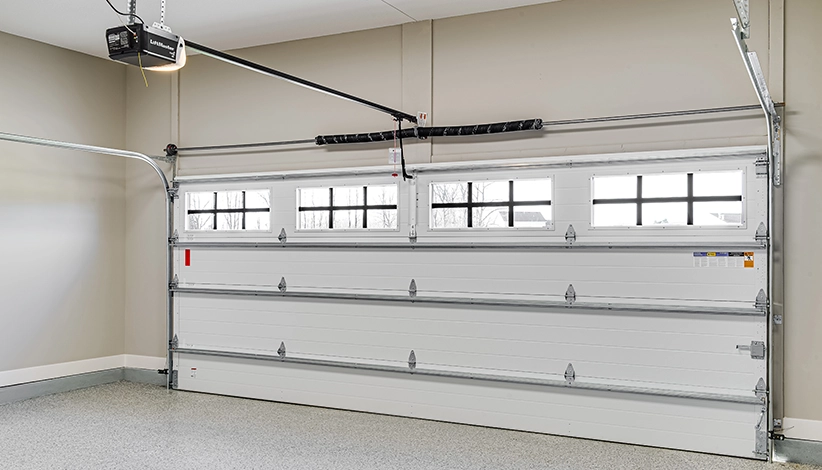
Credit: www.clopaydoor.com
Matching Opener Power To Door Weight: A Practical Guide
To simplify the selection process, here’s a general guideline for matching opener horsepower to common garage door weights. Remember, these are starting points, and consulting the door manufacturer or a professional is always recommended for certainty.
1/2 Hp Garage Door Openers
- Ideal For: Lightweight to medium-weight residential garage doors.
- Typical Door Weight Range: 75 lbs to 150 lbs.
- Door Types: Single-layer steel, aluminum, vinyl, or lighter wood doors. Standard 8×7 ft or 9×7 ft doors.
- Usage: Suitable for average residential use (2-4 cycles per day).
- Limitations: May struggle with very heavy doors, doors with unbalanced springs, or doors experiencing frequent use, potentially leading to overheating and reduced lifespan.
3/4 Hp Garage Door Openers
- Ideal For: Medium-weight to heavy residential garage doors, or doors with frequent use.
- Typical Door Weight Range: 150 lbs to 300 lbs.
- Door Types: Double-layer steel, insulated steel, heavier wood doors, or larger standard doors (e.g., 16×7 ft).
- Usage: Recommended for higher traffic households (4-8 cycles per day) or in climates with moderate temperature extremes.
- Advantages: Provides more robust lifting power, reducing strain on the motor and increasing the opener’s lifespan. Offers better performance in colder weather.
1 Hp Garage Door Openers
- Ideal For: Very heavy garage doors or specialized applications.
- Typical Door Weight Range: 300 lbs and above.
- Door Types: Solid wood doors (oak, mahogany), carriage house styles, custom-built heavy doors, or doors with significant insulation.
- Usage: Essential for the heaviest doors, high-cycle applications, or extreme environmental conditions.
- Considerations: Often overkill for standard doors and may be more expensive. Ensure your door and mounting hardware can handle the increased power and potential speed.
Comparison Table: Opener Hp Vs. Door Weight
| Opener Horsepower (HP) | Typical Garage Door Weight | Recommended Door Types | Typical Usage Frequency |
|---|---|---|---|
| **1/2 HP** | 75 – 150 lbs | Single-layer steel, aluminum, vinyl, light wood, standard size | Light to Moderate |
| **3/4 HP** | 150 – 300 lbs | Double-layer steel, insulated steel, heavier wood, larger size | Moderate to High |
| **1 HP** | 300+ lbs | Solid wood, carriage house, custom heavy doors | Very High / Extreme |
*Note: These are general guidelines. Always verify your specific garage door’s weight and consult manufacturer recommendations.*

Credit: spectrumoverheaddoor.com
Beyond Horsepower: Other Opener Considerations
While HP is critical, several other features and types of openers should be considered to ensure you get the best overall system for your needs.
Drive Types: Chain, Belt, And Screw Drive
The drive type dictates how the opener moves the door. This primarily affects noise levels and maintenance requirements, not the lifting power itself (which is determined by HP).
- Chain Drive:
- Pros: Most common, generally the most affordable, durable, and reliable.
- Cons: Noisiest option due to the metal chain and sprockets.
- Best For: Budget-conscious buyers, detached garages where noise isn’t a concern.
- Belt Drive:
- Pros: Significantly quieter than chain drives as they use a rubber belt, offering a smoother operation.
- Cons: Typically more expensive than chain drives, belt may require occasional tension adjustments.
- Best For: Attached garages where noise reduction is a priority, living spaces near the garage.
- Screw Drive:
- Pros: Relatively quiet (quieter than chain, often comparable to belt), fewer moving parts, low maintenance.
- Cons: Can be slower than chain or belt drives, performance can be affected by extreme temperature fluctuations (lubricant viscosity changes).
- Best For: Areas with consistent temperatures, homeowners seeking a balance of quiet operation and low maintenance.
Motor Types: Ac Vs. Dc
Modern garage door openers increasingly use DC motors, offering several advantages over traditional AC motors.
- AC Motors:
- Pros: Robust, long-standing technology, generally less expensive upfront.
- Cons: Can be noisier, often lack the advanced features of DC motors (like soft start/stop), may have a lower duty cycle.
- DC Motors:
- Pros: Quieter, more energy-efficient, allow for soft start and soft stop features (which reduce wear and tear), often have battery backup capabilities integrated more easily, can offer variable speed.
- Cons: Typically more expensive upfront.
The soft start/soft stop feature is particularly beneficial. It allows the opener to gradually increase speed when opening and gradually decrease speed when closing. This smooths out the operation, reduces stress on the door and opener components, and minimizes noise. In my experience, this feature significantly enhances the perceived quality and longevity of an opener.
Smart Features And Connectivity
Many modern garage door openers come equipped with smart technology, allowing for remote operation and monitoring via a smartphone app.
- Remote Access: Open or close your garage door from anywhere using your smartphone.
- Real-time Alerts: Receive notifications when your garage door is opened or closed.
- Integration with Smart Home Systems: Compatibility with platforms like Amazon Alexa, Google Assistant, or Apple HomeKit.
- Guest Access: Grant temporary access to family members, pet sitters, or delivery personnel.
These features add convenience and enhance security, but they don’t directly impact the opener’s lifting power. Ensure the opener’s HP rating is sufficient for your door’s weight *before* considering these smart capabilities.
Installation And Maintenance: Ensuring Longevity
Even with the correct horsepower, improper installation or a lack of maintenance can drastically shorten the lifespan of your garage door opener.
Professional Installation Vs. Diy
While some homeowners are comfortable with DIY projects, garage door opener installation involves working with heavy components, electrical wiring, and crucial safety mechanisms (like torsion springs).
- Professional Installation:
- Pros: Ensures the opener is installed correctly according to manufacturer specifications, guarantees safety, often comes with a warranty on labor, saves time and potential frustration. Professionals can also assess if your garage door needs adjustments, like balancing or lubrication, which is critical for opener longevity.
- Cons: Higher upfront cost.
- DIY Installation:
- Pros: Potential cost savings.
- Cons: Requires mechanical aptitude, specialized tools, understanding of electrical wiring and safety protocols. Incorrect installation can void warranties, lead to damage, and create safety hazards. If you’re unsure about any step, it’s best to stop and call a professional.
If you opt for DIY, thoroughly read the manual and watch reputable installation videos. Pay close attention to the mounting bracket installation and the alignment of the opener rail with the garage door’s travel path. Incorrect alignment is a common cause of opener strain.
Regular Maintenance For Optimal Performance
Consistent maintenance is key to ensuring your garage door opener operates efficiently and lasts for years.
- Lubrication: Periodically lubricate the roller bearings, hinges, and opener rail (check your manual for specific lubrication points and recommended lubricants). This reduces friction and strain on the motor. Skipping lubrication can lead to increased noise and wear.
- Tension Checks: Ensure the torsion springs are properly balanced. An unbalanced door is heavy and puts excessive strain on the opener. If the door is difficult to lift manually or doesn’t stay put halfway, the springs need adjustment by a professional.
- Alignment: Check that the opener rail is properly aligned with the door’s track. Misalignment can cause binding and excessive wear.
- Safety Sensor Checks: Test your photo-eye sensors monthly to ensure they are clean and properly aligned. Obstructions or misalignment can prevent the door from closing, posing a safety risk.
- Remote and Keypad Reset/Reprogramming: Over time, remotes or keypads may need reprogramming. Resources like how to reset Liftmaster garage door opener remote or guides on how to reprogram Genie garage door keypad can be invaluable.
- Listen for Unusual Noises: Grinding, squeaking, or clicking noises can indicate a problem that needs immediate attention, such as a worn gear or a loose chain/belt. You might need to learn how to adjust chain on garage door opener if it’s loose.
Real-world Examples
Let’s consider a couple of scenarios to illustrate these principles:
Example 1: The Lightweight Door Dilemma
Sarah has a standard 8×7 foot, single-layer steel garage door on her attached home. The door weighs approximately 90 pounds. She lives in a moderate climate and uses her garage door about 4 times a day. She’s looking at openers and sees a powerful 1 HP belt-drive model advertised. While it’s quiet and has all the smart features she wants, a 1 HP opener is overkill for her lightweight door. A 1/2 HP chain drive or belt drive opener would be perfectly adequate, significantly cheaper, and still provide reliable service for years. Investing in a higher HP model here would be unnecessary expense.
Example 2: The Heavy Wood Door Challenge
Mark recently replaced his old, flimsy garage door with a beautiful, solid oak carriage house door. The new door weighs an estimated 350 pounds. His previous 1/2 HP opener struggled significantly, making loud noises and eventually failing. He needs an opener with substantially more power. A 3/4 HP opener might struggle with this weight, especially during colder months. The best choice for Mark is a 1 HP opener, likely a belt or screw drive for quieter operation given it’s an attached garage. This ensures the opener can lift the heavy door smoothly and without premature wear. He also needs to ensure the opener’s mounting hardware is robust enough for the door’s weight and the forces involved. For more information on general garage door costs, see how much for a garage door.
Frequently Asked Questions
What Is The Difference Between Ac And Dc Garage Door Openers?
AC (Alternating Current) openers are the traditional type, known for their robustness and lower initial cost. DC (Direct Current) openers are newer, generally quieter, more energy-efficient, and often come with advanced features like soft start/stop and battery backup integration. DC motors also tend to have a higher duty cycle and better performance in variable temperatures.
How Often Should I Test My Garage Door Opener’s Safety Features?
You should test your garage door opener’s safety features at least once a