
The smooth operation of a garage door is something most homeowners take for granted until it malfunctions. One of the most unsettling issues is when the door begins to bend or buckle in the middle, especially as it opens. This not only looks alarming but can also indicate underlying problems that, if left unaddressed, could lead to more significant damage, costly repairs, or even safety hazards.
Understanding why this bending occurs is the first step toward a swift and effective solution, ensuring your garage door continues to function reliably and safely for years to come.
Key Takeaways
- Structural Integrity is Key: Garage door bending often stems from weakened structural components, including the door panels themselves, hinges, or the horizontal supports.
- Weight and Balance: An imbalanced door or one that is excessively heavy can put undue stress on the tracks and opener, leading to bending.
- Opener Strain: The garage door opener might be struggling due to worn-out parts, misaligned tracks, or an improper chain adjustment, causing the door to flex.
- Weather and Age: Extreme temperatures, humidity, and the natural wear and tear of time can degrade materials, making them more susceptible to bending.
- Regular Maintenance is Crucial: Consistent inspection and lubrication of moving parts, along with checking for loose hardware, can prevent many bending issues before they become severe.
- Professional Inspection Recommended: For persistent or severe bending, consulting a qualified garage door technician is essential for accurate diagnosis and repair.
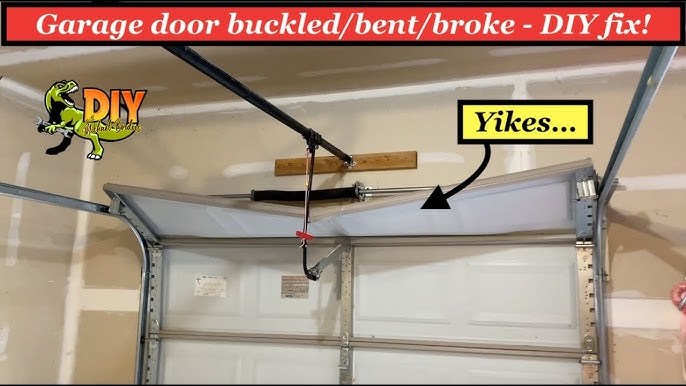
Credit: www.youtube.com
Understanding The Mechanics Of Garage Door Bending
A garage door, despite its seemingly simple function, is a complex system of interconnected parts working in harmony. When it bends in the middle during operation, it signifies a breakdown in this coordinated effort. The door panels, typically made of steel, aluminum, wood, or composite materials, are designed to be rigid.
They are often reinforced with horizontal bracing and connected by hinges that allow them to articulate as they move along the vertical tracks. The garage door opener, whether chain-driven, belt-driven, or screw-driven, provides the force to lift and lower the door, working in conjunction with torsion springs or extension springs to counterbalance its weight.
The bending phenomenon typically occurs when the door is under load, either during the lifting or lowering process. As the opener pulls or pushes the door upwards, the force is distributed across the panels and their supports. If one section of the door is weaker, less supported, or encountering more resistance than others, it can flex or buckle.
This is analogous to how a piece of thin metal might bend if you try to lift it from the center without adequate support. The continuous cycle of opening and closing, coupled with environmental factors and wear and tear, can exacerbate these weaknesses over time, making the bending more pronounced.
The Role Of Door Panel Construction
The construction of the garage door panels themselves plays a significant role in their susceptibility to bending. Most modern garage doors are sectional, meaning they are made of several horizontal panels joined by hinges.
- Material Strength: The inherent strength of the material used is a primary factor. Steel and aluminum doors are generally more robust than wood or vinyl, though their gauge (thickness) also matters. Thinner gauge metals are more prone to denting and bending.
- Insulation and Reinforcement: Many doors feature insulation between inner and outer skins, or they might have internal steel reinforcing ribs. The quality and integrity of this reinforcement are critical. If the internal bracing is damaged, insufficient, or corroded, the panel’s rigidity is compromised.
- Age and Deterioration: Over years of exposure to sunlight, moisture, and temperature fluctuations, the materials can degrade. Wood can warp and rot, metal can rust and weaken, and even composites can become brittle or delaminate. This deterioration reduces the panel’s ability to withstand the stresses of operation.
- Impact Damage: Accidental impacts, such as being hit by a car or a stray object, can cause localized damage to a panel. Even if not immediately apparent, a weakened section can develop into a bending issue over time.
The Impact Of Hinges And Rollers
The hinges and rollers are the critical connection points that allow the door sections to move smoothly along the tracks. Their condition directly influences how evenly the door’s weight is distributed and how smoothly it operates.
- Worn Hinges: Hinges are subjected to constant stress. Over time, they can wear down, become loose, or even crack. If a hinge is damaged or excessively worn, it can prevent the adjacent panels from aligning correctly, leading to uneven pressure and potential bending, particularly in the center where multiple panels meet.
- Loose Hardware: Bolts and screws that secure hinges and mounting brackets can loosen due to vibration from the opener and general wear. When these fasteners are loose, the connection between panels and the track system weakens, allowing for more play and potential flexing.
- Damaged Rollers: Rollers, made of nylon or metal, glide within the tracks. If a roller is damaged, cracked, or seized, it can create friction and resistance. This increased resistance forces the opener to work harder, and the door itself may not be able to slide smoothly, leading to stress points that manifest as bending. A common issue is a roller popping out of its socket, which can jam the door and cause significant strain.
- Track Alignment: The vertical and horizontal tracks must be perfectly aligned for smooth operation. If the tracks are bent, misaligned, or obstructed, the rollers will not glide freely. This resistance can cause the door panels to bind and flex as the opener attempts to force movement. You might notice the door sticking or jerking as it opens or closes.
The Garage Door Opener’s Role
The garage door opener is the engine that drives the door’s movement. When the door bends, it’s often a symptom of the opener struggling to perform its task.
- Motor Strain: If the opener’s motor is old or has internal issues, it might not be able to provide consistent, sufficient power. This can lead to jerky movements and increased strain on the door structure, especially during the initial lift or final close.
- Chain/Belt/Screw Issues: The drive mechanism of the opener (chain, belt, or screw) can also be a source of problems. A loose chain or belt, or a worn screw drive, can cause inconsistent power delivery. In my experience, a chain that has become slack, perhaps due to needing an adjustment as detailed in how to adjust chain on garage door opener, can lead to the door lifting unevenly, putting stress on the panels.
- Force Settings: Modern openers have adjustable force settings that determine how much power is applied before the opener stops or reverses. If these settings are too high, the opener might be forcing a door that is encountering resistance, leading to bending. Conversely, if they are too low, the opener might stop prematurely, making it appear as though the door is binding.
- Opener Mounting: The opener is typically mounted to the ceiling and connected to the door via an arm. If the mounting bracket is loose, or the arm is bent or improperly aligned, it can create uneven pulling forces on the door, contributing to bending.

Credit: www.youtube.com
Common Causes Of Garage Door Bending
Several factors can contribute to a garage door bending in the middle. These causes often overlap, and identifying the primary culprit requires careful observation and sometimes professional diagnosis.
Structural Weaknesses In The Door Itself
The most direct cause of bending is a lack of structural integrity within the door panels or their supporting framework.
- Inadequate Bracing: Some older or lower-quality doors may lack sufficient horizontal or vertical bracing. This is particularly true for very wide doors, which naturally experience more stress in the center. Without proper bracing, the panels are more susceptible to flexing under their own weight or the forces applied by the opener.
- Material Fatigue: Over many years, the constant stress of opening and closing, combined with exposure to the elements, can lead to material fatigue. Metal can develop micro-fractures, wood can warp and weaken, and composite materials can delaminate. This fatigue makes the door less rigid and more prone to bending.
- Corrosion and Rust: For steel doors, rust is a major enemy of structural integrity. Rust weakens the metal, especially around seams and edges. If rust progresses significantly, the panel can become brittle and easily deform. This is often visible as flaking paint and reddish-brown discoloration.
- Delamination: In doors with composite materials or layered construction (like insulated doors), delamination can occur. This is where the layers separate, creating voids and weakening the panel’s structure. This can lead to a noticeable sag or bend in the affected area.
Issues With Tracks And Rollers
The way the door moves along its tracks is fundamental to its stability. Problems here directly translate into stress on the door panels.
- Misaligned Tracks: Tracks can become misaligned due to foundation shifts, impacts, or improper initial installation. When tracks are not perfectly parallel or plumb, the rollers will bind, forcing the door to flex. A common scenario is the horizontal track becoming slightly angled downwards or upwards, creating a pinch point for the rollers.
- Bent Tracks: The tracks themselves can become bent, often from the door being forced open or closed when obstructed. A bent track creates a physical impediment that the rollers must overcome, resulting in significant stress on the door panels.
- Worn-Out Rollers: Rollers that are worn down, cracked, or have seized bearings create friction. This friction increases the load on the opener and the door structure. If a roller is particularly worn, it might not sit properly in the track, causing the door to tilt or bind, leading to bending.
- Obstructions in Tracks: Even small debris, such as rocks, dirt, or a fallen screw, can jam the rollers and cause the door to bind. This unexpected resistance can lead to sudden bending of the panel.
Problems With The Garage Door Opener System
The opener is designed to lift a balanced door smoothly. If the opener is malfunctioning or the door is not properly balanced, bending can occur.
- Improper Door Balance: A garage door is counterbalanced by torsion springs (mounted above the door) or extension springs (running along the horizontal tracks). If these springs are broken, weakened, or improperly adjusted, the door will be too heavy for the opener to lift easily. This imbalance forces the opener to work excessively hard, and the door may sag or bend under its own weight as it’s being lifted. You can test balance by disengaging the opener and trying to lift the door manually; it should move relatively easily and stay put when you let go. If it slams down or is impossible to lift, the spring system needs attention.
- Worn Opener Components: Gears within the opener motor can wear down, reducing its power and efficiency. The trolley mechanism that moves along the opener rail can also become stiff or damaged, creating drag.
- Loose Opener Rail or Mounts: The entire opener assembly, including the rail and its mounting points to the ceiling or bracket, must be secure. If the rail is sagging or the mounting brackets are loose, it can alter the angle at which the opener arm pulls the door, leading to uneven stress and bending.
- Drive Chain Tension: As mentioned earlier, a garage door opener’s drive chain needs proper tension. A chain that is too loose can slip or fail to lift the door consistently, while a chain that is too tight can put excessive strain on the opener’s motor and the door’s connection points. Proper adjustment is key, and resources like how to adjust chain on garage door opener can guide you.
Environmental Factors And Wear And Tear
The natural aging process and exposure to the elements also contribute to a door’s susceptibility to bending.
- Temperature Extremes: Significant temperature fluctuations can cause materials to expand and contract. While garage doors are designed to handle this, extreme or rapid changes can put stress on joints and panels, especially if there are pre-existing weaknesses. In very cold weather, materials can become more brittle.
- Moisture and Humidity: Prolonged exposure to moisture can lead to rot in wooden doors or rust in steel doors. High humidity can also cause wood to swell, making the door heavier and potentially warping panels.
- Sun Exposure (UV Rays): Ultraviolet rays from the sun can degrade materials over time, making them brittle and prone to cracking or warping, particularly plastics and painted surfaces.
- General Wear and Tear: Simply put, garage doors are mechanical systems that experience constant use. Over years, components naturally wear down, hinges loosen, springs lose tension, and materials fatigue. This gradual deterioration makes bending a more likely issue as the door ages.
Diagnosing The Bend: A Step-by-step Approach
Before calling a professional, you can often diagnose the root cause of your garage door bending by systematically inspecting its components. This process can save you time and money by pinpointing the problem area.
1. Visual Inspection Of The Door Panels
Start by carefully examining the door panels themselves, both from the inside and outside.
- Look for Visible Damage: Check for dents, cracks, rust spots, or areas where the material appears warped or weakened. Pay close attention to the horizontal seams where panels connect and the vertical edges.
- Assess Sagging: Stand back and observe the door when it’s fully open and fully closed. Is there a noticeable sag in the middle? Does the sag worsen as the door opens? A consistent sag might indicate a structural issue with the panels or inadequate support.
- Check for Loose Fasteners: Examine all visible bolts, screws, and rivets holding the panels together and attaching them to hinges. Tighten any that are loose.
2. Inspecting Hinges And Rollers
The connection points between panels and the tracks are crucial.
- Examine Hinges: Check each hinge for cracks, excessive wear, or signs of bending. Ensure they are securely bolted to the panels.
- Inspect Rollers: Look at each roller. Are they intact? Do they spin freely? Are they still seated properly in the tracks? Remove any debris that might be stuck in the rollers or tracks.
- Check Roller Mounts: Ensure the brackets that hold the rollers are securely attached to the door panels. Loose brackets can cause the rollers to misalign.
3. Evaluating Track Alignment And Condition
The tracks are the pathways for the door’s movement.
- Look for Misalignment: Check if the vertical tracks are plumb (perfectly vertical) and if the horizontal tracks are level. Use a level if necessary. Look for any bends or kinks in the tracks.
- Verify Track Spacing: Ensure the distance between the two vertical tracks is consistent from top to bottom. Inconsistent spacing can cause the door to bind.
- Clear Obstructions: Make sure there’s nothing inside the tracks that could impede roller movement.
4. Testing Door Balance And Spring Tension
This step is critical for understanding the load on your opener. Warning:Be extremely cautious when working with garage door springs, as they are under high tension and can cause serious injury if mishandled. It is often best left to professionals.
- Disengage the Opener: Locate the emergency release cord (usually a red handle hanging from the opener’s trolley) and pull it to disengage the opener from the door.
- Manually Lift the Door: Attempt to lift the door by hand. It should move smoothly and with moderate effort.
- Check for Balance: Once the door is halfway open, let go. A properly balanced door should stay in place without moving up or down significantly. If it slams shut or shoots upwards, the springs are likely broken or have lost tension and require professional attention.
- Inspect Springs: Visually inspect the torsion spring(s) above the door or the extension springs along the tracks. Look for any signs of breakage, fraying (for extension springs), or significant sagging.
5. Assessing The Garage Door Opener
The opener system should be the last thing you inspect after ruling out issues with the door itself.
- Listen for Unusual Noises: When the opener is operating, listen for grinding, squealing, or clicking sounds, which can indicate worn gears or motor problems.
- Check the Drive Mechanism: If you have a chain drive, check the tension. For belt or screw drives, listen for any unusual sounds during operation. You can find guidance on related maintenance in how do you adjust a Chamberlain garage door opener, though specific issues might vary by brand.
- Inspect the Opener Rail and Arm: Ensure the opener rail is securely mounted and the trolley is moving smoothly. Check the connection between the opener arm and the door bracket for looseness or damage.

Credit: www.reddit.com
Repair And Maintenance Strategies
Once you’ve identified the cause, you can implement the appropriate repair or maintenance strategy. Some issues can be addressed with DIY efforts, while others necessitate professional help.
Diy Fixes For Minor Issues
For less severe problems, you might be able to perform repairs yourself.
- Tightening Hardware: Regularly check and tighten loose bolts, screws, and brackets throughout the door system. This is a simple but effective preventative measure.
- Lubrication: Keep all moving parts, including hinges, rollers, and the opener’s chain or screw drive, properly lubricated. Use a silicone-based spray or white lithium grease. Neglecting lubrication can increase friction and strain, as detailed in guides like how do you lubricate garage door rollers for smooth operation.
- Cleaning Tracks and Rollers: Periodically clean debris from the tracks and ensure rollers are free of obstructions.
- Minor Track Adjustments: If tracks are only slightly misaligned and you’re comfortable with the process, you might be able to adjust them by loosening mounting bolts, repositioning, and re-tightening. Warning:Incorrect track alignment can cause more damage, so proceed with caution.
When To Call A Professional
Certain repairs are best left to experienced garage door technicians due to safety concerns and the complexity of the components involved.
- Spring Replacement: Garage door springs are under immense tension. Attempting to replace them without proper training and equipment is extremely dangerous. A broken spring will also prevent the door from operating correctly and can cause the opener to strain, potentially leading to bending.
- Panel Replacement or Repair: If a door panel is significantly bent, cracked, or rusted, it often needs replacement. While minor dents might be repairable, major structural damage compromises the door’s safety and integrity. Replacing a panel involves detaching and reattaching numerous components and ensuring a perfect fit.
- Track Replacement or Major Realignment: If tracks are severely bent or misaligned, professional replacement or realignment is usually necessary. This requires specialized tools and knowledge to ensure the new or adjusted tracks are perfectly positioned.
- Opener Repair or Replacement: Complex opener issues, such as internal motor problems or worn gear kits, often require professional diagnosis and repair. If the opener is old or has multiple issues, replacement might be more cost-effective.
- Persistent Bending: If you’ve performed basic checks and maintenance and the door continues to bend, it’s a sign of a more significant underlying issue that a professional can identify and fix.
Preventative Maintenance Schedule
Establishing a regular maintenance schedule can help prevent bending and other problems before they occur.
- Monthly:
- Listen for unusual noises during operation.
- Visually inspect rollers and tracks for obvious damage or obstructions.
- Test the opener’s auto-reverse feature by placing a piece of wood in the door’s path.
- Quarterly:
- Lubricate rollers, hinges, and the opener’s chain or screw drive.
- Check and tighten any loose hardware on the door and opener.
- Clean tracks and rollers thoroughly.
- Annually:
- Perform a balance test on the door (after disengaging the opener).
- Inspect springs, cables, and pulleys for signs of wear or damage (seek professional help for spring inspection/replacement).
- Check the opener’s mounting brackets and rail for security.
- Examine panels for any signs of rust, rot, or delamination.
Real-world Examples And Scenarios
To better understand how garage door bending manifests, consider these common scenarios:
Scenario 1: The Old Steel Door with Rust
An older homeowner notices their single-layer steel garage door is starting to sag noticeably in the middle as it opens. Upon inspection, they find significant rust around the bottom edge and at the seams between the panels. The rust has weakened the metal, causing the panels to lose their rigidity.
The opener seems to be struggling more than usual.
- Diagnosis: Structural weakness due to rust.
- Solution: While minor surface rust might be treated, extensive rust often necessitates replacing the affected panels or the entire door. The homeowner opts for a new, insulated steel door with better bracing.
Scenario 2: The Newly Installed Door Binding
A homeowner recently had a new, insulated garage door installed. Shortly after, they notice a slight bend in the middle panel when opening. They realize the installer may not have perfectly aligned the tracks during installation.
- Diagnosis: Misaligned tracks causing binding.
- Solution: The homeowner contacts the installer to come back and adjust the tracks. After proper alignment