
The jarring realization hits when you’re rushing out the door, keys in hand, only to remember: the garage door remote is missing. Or perhaps it’s dead, or the opener itself has malfunctioned. Suddenly, your primary entry point is a locked barrier, leaving you stranded outside your own home. This common, yet intensely frustrating, scenario can throw off your entire day, whether you’re heading to work, picking up the kids, or simply trying to get your car out of the garage. The convenience of a garage door opener is so ingrained in our daily routines that its absence can feel like a major disruption.
Fortunately, being locked out of your garage due to a lost or malfunctioning opener isn’t a permanent problem. A variety of solutions exist, ranging from simple troubleshooting steps to more involved manual overrides and even emergency access methods. Understanding these options can turn a moment of panic into a manageable situation.
This comprehensive guide will walk you through what to do when you’ve lost your garage door opener and can’t get in, covering everything from immediate fixes to preventative measures.
Key Takeaways
- Immediate Access: Utilize the emergency release cord to manually open the garage door, but remember this bypasses security.
- Backup Entry Points: Ensure you have an alternative way into your house, like a keypad or a side door.
- Remote Troubleshooting: Check the remote’s battery, reprogram it, or test other remotes/keypads if available.
- Opener Unit Checks: Inspect the garage door opener’s power supply, sensors, and manual lock.
- Manual Operation: Learn how to disengage and re-engage the opener for manual door lifting.
- Preventative Measures: Keep spare remotes, consider a keypad, and maintain your opener system.
- Professional Help: Know when to call a qualified garage door technician for complex issues.
Credit: www.homejelly.com
Immediate Steps: Accessing Your Garage Without The Opener
When faced with the immediate problem of a lost opener and a closed garage door, your first priority is to gain entry. Several methods can help you bypass the opener system temporarily. It’s crucial to understand that some of these methods involve compromising the automatic security features of your garage door.
The Emergency Release Cord: Your Manual Lifeline
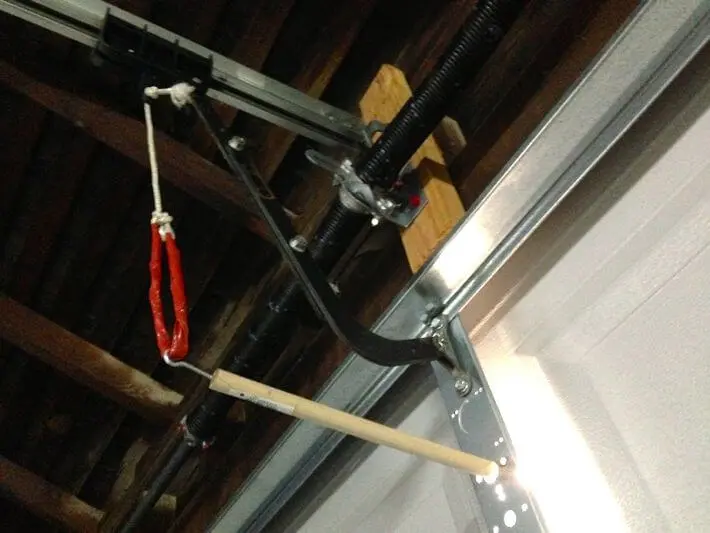
Almost all modern garage door openers are equipped with an emergency release cord. This is typically a red rope hanging from the trolley mechanism that travels along the opener’s rail. Pulling this cord disengages the trolley from the opener motor, allowing you to lift the garage door manually.
How to Use the Emergency Release Cord:
- Locate the Cord: Look for the red cord hanging from the opener’s carriage on the rail.
- Pull Down and Out: Grasp the cord firmly and pull it downwards and slightly outwards. You should hear or feel a click as the mechanism disengages.
- Lift the Door: With the opener disengaged, you can now lift the garage door by hand. It might be heavy, especially if it’s a large or older door, so be prepared for some effort.
- Secure the Door: Once the door is open, you can manually secure it in the open position.
Important Considerations for the Emergency Release:
- Security Risk: Once the emergency release is activated, your garage door is no longer secured by the opener’s automatic locking mechanism. Anyone could potentially lift the door.
- Re-engagement: After you are done and need to use the opener again, you will need to re-engage the trolley. This usually involves pulling the cord again or, more commonly, operating the wall-mounted control button or the remote once the door is fully closed. Check your opener’s manual for specific re-engagement instructions.
- Accessibility: If your garage door is high off the ground and the cord is out of reach, you might need a ladder or a long pole to access it.
Checking Other Access Points
While the emergency release is a direct solution for opening the door, it’s also a good time to assess your other entry points.
- Side or Pedestrian Door: If your garage has a separate door leading into your house, this is your most convenient alternative. Ensure this door is functional and not locked from the inside in a way that prevents you from entering.
- Keypad Entry: Many modern garages have an external keypad for entry. If you have one, try using your code. If the keypad isn’t working, it might be a battery issue or a programming problem, which leads to other troubleshooting steps. You can find guides on how to reprogram specific brands like Chamberlain or Genie: reprogram Chamberlain garage door keypad and reprogram Genie garage door keypad.
- Windows: While not ideal for security or convenience, accessible windows could be a last resort if you absolutely need to get into your garage or house.

Credit: www.clopaydoor.com
Troubleshooting The Lost Or Malfunctioning Remote
The “lost opener” scenario often means the remote is misplaced, but it could also be that the remote itself is the problem. Before assuming it’s truly lost, go through these troubleshooting steps.
The Battery Conundrum
The most common reason a remote stops working is a dead battery. This is especially true if you haven’t replaced it in a while.
- Identify Battery Type: Most garage door remotes use coin-cell batteries (like CR2032) or small alkaline batteries (like A23). Check your remote’s manual or the battery compartment for the exact type.
- Replace the Battery: Purchase a fresh battery of the correct type and replace the old one. Ensure it’s inserted with the correct polarity.
- Test: After replacing the battery, try using the remote again.
Reprogramming The Remote
Sometimes, remotes can lose their programming connection to the garage door opener unit. This can happen after a power surge, a reset of the opener, or sometimes for no apparent reason.
- Consult Your Manual: The exact reprogramming procedure varies significantly by brand and model. Your garage door opener’s manual is the best source of information.
- Common Steps (General):
- Locate the “Learn” Button: This is usually on the back or side of the garage door opener motor unit in the garage. It might be a colored button (often red, orange, purple, or green) alongside an LED indicator light.
- Press and Release “Learn” Button: Press and release the learn button. The LED indicator light should illuminate or blink.
- Press Remote Button: Within a short timeframe (usually 30 seconds), press and hold the button on your remote that you want to program.
- Confirmation: The opener lights may flash, or you might hear a click, indicating successful programming.
- Test: Release the remote button and try operating the garage door.
- Brand-Specific Guides: If you’ve lost your manual, search online for your specific opener model. For example, if you have a Liftmaster, you might need to follow steps specific to resetting a Liftmaster remote. Similarly, Craftsman openers have their own procedures, and you can find guides on resetting Craftsman remotes.
Testing Other Remotes Or Keypads
If you have multiple remotes or an external keypad, test them to see if the issue is with a single device or the entire opener system.
- Multiple Remotes: If another remote works, your primary one is likely the problem (dead battery, faulty).
- Keypad: If a keypad works, the issue might be with your remote specifically, or its programming. If the keypad also fails, the problem could be with the opener unit itself or its power supply.
Investigating The Garage Door Opener Unit
If remotes and keypads aren’t working, the issue might lie with the main garage door opener unit mounted on the ceiling.
Power Supply Check
The most fundamental check is to ensure the opener unit is receiving power.
- Is it Plugged In? Visually confirm the opener’s power cord is securely plugged into the electrical outlet.
- Check the Outlet: Test the outlet with another device (like a lamp or phone charger) to ensure it’s functional.
- Circuit Breaker: If the outlet is dead, check your home’s circuit breaker panel. A tripped breaker can cut power to the garage. Reset it if necessary. If it trips again immediately, there may be an electrical issue requiring an electrician.
- GFCI Outlets: Some garage outlets are Ground Fault Circuit Interrupter (GFCI) protected. These have “Test” and “Reset” buttons. If the outlet is a GFCI and it has tripped, press the “Reset” button.
Safety Sensors
Most modern garage door openers have safety sensors located near the bottom of the door tracks. These sensors prevent the door from closing if an obstruction is detected. If these sensors are misaligned, dirty, or blocked, they can prevent the opener from functioning, including closing the door, and sometimes even opening it.
- Visual Inspection: Look for two small sensors, one on each side of the garage door track, usually a few inches off the ground. There should be an indicator light on one of them (often green) that is steadily lit when they are aligned and unobstructed.
- Alignment: If the light is off or blinking, the sensors may be out of alignment. Gently adjust them until the light is steady.
- Obstructions: Ensure nothing (tools, boxes, debris) is blocking the path between the two sensors.
- Cleanliness: Wipe the lenses of the sensors with a soft, dry cloth. Dirt or cobwebs can sometimes interfere with their operation.
Manual Lock Mechanism
Some garage door openers have a manual lock switch, often located on the motor unit itself. If this switch is accidentally engaged, it can prevent the opener from operating.
- Locate the Switch: Refer to your opener’s manual to find the location of the manual lock switch.
- Check its Position: Ensure the switch is in the unlocked position. If it’s engaged, disengage it and then test the opener.

Credit: www.reddit.com
Manual Operation: When The Opener Is Out Of Commission
If troubleshooting fails or you need to use the garage while the opener is being repaired, you’ll need to operate the door manually. This involves disengaging the opener and then lifting the door by hand.
Disengaging The Opener
As mentioned earlier, the emergency release cord is the primary way to disengage the opener. Pulling this cord disconnects the trolley from the motor.
Lifting The Door Manually
Once disengaged, you can lift the door. Garage doors are counterbalanced by springs, which makes them relatively easy to lift by hand, even though they can be heavy.
- Grip: Grasp the handle on the bottom of the garage door.
- Lift Smoothly: Lift the door straight up, smoothly and steadily. Avoid jerky movements.
- Support: If the door is heavy, you might need assistance.
- Securing: Once open, you can use the manual lock (if your door has one) or prop it open securely.
Re-engaging The Opener
After you’ve addressed the issue with the opener or need to resume automatic operation, you must re-engage the opener’s trolley.
- Using the Release Cord: Often, pulling the emergency release cord again or operating the wall-mounted control button or remote once the door is fully closed will re-engage the trolley.
- Specific Instructions: Always refer to your specific garage door opener’s manual for the correct re-engagement procedure. Incorrect re-engagement can damage the mechanism. You can find general guidance on manually opening a garage door and how to re-engage the system.
Preventative Measures: Avoiding Future Lockouts
The best way to deal with a lost garage door opener is to prevent the situation from happening in the first place. Implementing a few preventative strategies can save you a lot of hassle.
Maintain Spare Remotes
- Extra Remote: Purchase at least one extra remote for your garage door opener. Keep one in your car, one in your purse or backpack, and perhaps a spare inside the house.
- Cost-Effective: While an additional remote has a cost, it’s significantly less than the potential cost of a service call or the inconvenience of being locked out. The average cost for a replacement remote can range from $30 to $70, depending on the brand and features.
- Programming: Program the spare remote(s) according to your opener’s manual. Remember to keep the programming instructions handy.
Install A Keypad
- Convenience: An external keypad is an excellent alternative to a remote. You can program a unique code that allows entry without a physical remote. This is particularly useful if you often forget your remote or if multiple family members need access.
- Security: Most keypads offer rolling codes or secure encryption to prevent unauthorized access.
- Installation: Keypads are relatively easy to install and can be found for most major opener brands, including Chamberlain and Genie.
Regular Maintenance
A well-maintained garage door opener system is less likely to fail unexpectedly.
- Battery Checks: Regularly check and replace batteries in your remotes and keypads, especially before winter or long trips. A simple reminder in your calendar can help.
- Sensor Cleaning: Keep the safety sensors clean and properly aligned.
- Lubrication: Ensure the moving parts of the garage door system, like rollers and tracks, are properly lubricated. This reduces strain on the opener motor. You can learn more about this in guides like how to lube garage door rollers.
- Chain/Belt Tension: If you have a chain or belt-driven opener, check and adjust the tension periodically. Improper tension can affect performance. A guide on adjusting the chain can be helpful.
Keep Opener Manuals Accessible
Store your garage door opener’s manual in a safe, accessible place. This will be invaluable if you need to reprogram a remote, reset the system, or understand specific functions. If you’ve lost the physical copy, most manufacturers offer downloadable PDF versions on their websites.
When To Call A Professional
While many garage door issues can be resolved with DIY troubleshooting, some problems require the expertise of a professional garage door technician.
Complex Mechanical Failures
- Spring Issues: If you suspect a problem with the garage door springs (e.g., the door is extremely heavy to lift, or a spring appears broken), do not attempt to repair it yourself. Garage door springs are under immense tension and can cause serious injury.
- Opener Motor Problems: If the opener motor hums but doesn’t move the door, or if there are grinding noises, the motor itself might be failing.
- Track or Roller Damage: Bent tracks or damaged rollers can prevent the door from operating smoothly and safely.
Electrical Issues Beyond Breakers
If you’ve checked the power outlet and the circuit breaker, but the opener still shows no signs of life, there might be an internal electrical fault within the opener unit or the wiring. This is best handled by a qualified technician.
Security Concerns
If you believe your remote or opener code has been compromised, or if you’ve experienced attempted break-ins, it’s wise to have your system inspected and potentially reset by a professional.
Cost Of Professional Service
The cost of a professional garage door repair can vary. A service call might range from $75 to $150 for diagnosis, with additional costs for parts and labor. For complex repairs or part replacements, the total cost could be several hundred dollars. The cost of garage door repairs depends heavily on the issue and your location.
Case Study: The “accidental Lockout”
Sarah, a busy mother of two, was rushing to get her children to school. She grabbed her purse, her coffee, and headed for the car. As she pressed the button on her garage door remote, nothing happened. A quick check revealed the remote was dead, the battery had finally given out.
Panic set in as she realized she was now locked out of the garage with her kids waiting.
Remembering a tip from a previous service call, Sarah knew about the emergency release cord. She located the red cord hanging from the opener unit, pulled it, and managed to lift the heavy garage door manually. She quickly got her car out and then, realizing the door was now unsecured, she carefully lowered it back down by hand, ensuring it was fully closed.
Once inside, she found a spare battery in a kitchen drawer, replaced it in the remote, and followed the instructions in her opener’s manual to re-engage the trolley. She then programmed a spare remote she had purchased earlier and stored it in her purse, vowing never to be caught unprepared again.
This incident taught her the importance of spare remotes and regular battery checks.
Frequently Asked Questions
What Is The Quickest Way To Get Into My Garage If I’ve Lost My Remote?
The quickest way is to use the emergency release cord on your garage door opener. Pulling this cord will disengage the opener mechanism, allowing you to lift the garage door manually. Remember this bypasses the opener’s security, so be mindful of that.
How Do I Re-engage My Garage Door Opener After Using The Emergency Release?
Re-engaging typically involves pulling the emergency release cord again or operating the wall-mounted button or a working remote once the door is fully closed. The exact method varies by opener model, so consult your owner’s manual. For many systems, operating the opener with the door fully closed will re-engage the trolley.
Can I Open My Garage Door From The Outside Without A Remote Or Keypad?
Yes, if you have access to the emergency release cord. You might need to reach it from an open window or use a tool if it’s out of reach. Otherwise, without a remote, keypad, or manual access to the release cord, you would need to contact a professional.
My Garage Door Opener Remote Isn’t Working, But I Know It’s Not Lost. What Should I Do?
Start by replacing the battery in the remote. If that doesn’t work, try reprogramming the remote to the opener unit. Check your opener’s manual for specific instructions on reprogramming, as the process differs by brand. If multiple remotes or keypads are also failing, the issue may be with the opener unit itself.
How Can I Prevent Being Locked Out Of My Garage In The Future?
The best preventative measures include keeping a spare remote programmed and accessible (e.g., in your home, not just your car), installing an external keypad for code-based entry, and performing regular maintenance on your garage door opener system, including checking batteries and sensors.
When you find yourself standing in front of a closed garage door with no opener in sight, it’s easy to feel that momentary panic. However, by understanding the basic mechanisms of your garage door system and having a few backup strategies in place, you can quickly regain access.
From the crucial emergency release cord to simple troubleshooting steps for your remotes and openers, there are several ways to overcome this common inconvenience. Proactive measures, such as maintaining spare remotes and keypads, are your best defense against future lockouts, ensuring your garage door remains a convenient entry point, not a frustrating obstacle.