
Wayne Dalton is a well-known name in the garage door industry, offering a wide array of styles and functionalities. Many homeowners considering a new garage door often inquire about insulation, as it plays a crucial role in energy efficiency, noise reduction, and overall comfort.
Understanding whether Wayne Dalton garage doors are insulated, and to what extent, is key to making an informed purchase that meets your specific needs and budget.
This article will explore the insulation options available with Wayne Dalton garage doors, breaking down the different types of construction, R-values, and the benefits of choosing an insulated model. We’ll look at how insulation impacts your home’s climate control, security, and even its resale value, providing you with the comprehensive insights needed to decide if a Wayne Dalton insulated garage door is the right fit for your home.
Key Takeaways
- Insulation Varies: Wayne Dalton offers both insulated and non-insulated garage door models. Insulation is typically achieved through foam cores (polystyrene or polyurethane) sandwiched between steel or aluminum panels.
- R-Value Matters: The R-value indicates a door’s resistance to heat flow. Higher R-values mean better insulation. Wayne Dalton doors can range from non-insulated (R-0) to R-18 or higher for their most advanced insulated options.
- Benefits of Insulation: Insulated doors provide better energy efficiency, reducing heating and cooling costs for attached garages. They also offer superior sound dampening, enhanced durability, and can improve security.
- Construction Types: Wayne Dalton’s insulated doors often feature a steel-foam-steel or steel-foam-vinyl construction, providing a robust and energy-efficient barrier.
- Model Specifics: Insulation levels differ significantly by model. It’s crucial to check the specifications for each Wayne Dalton series (e.g., Classic Steel, Carriage House, Designer) to determine its insulation capabilities.
- Cost Consideration: Insulated doors are generally more expensive upfront than non-insulated models, but the long-term savings on energy bills and increased comfort can justify the investment.
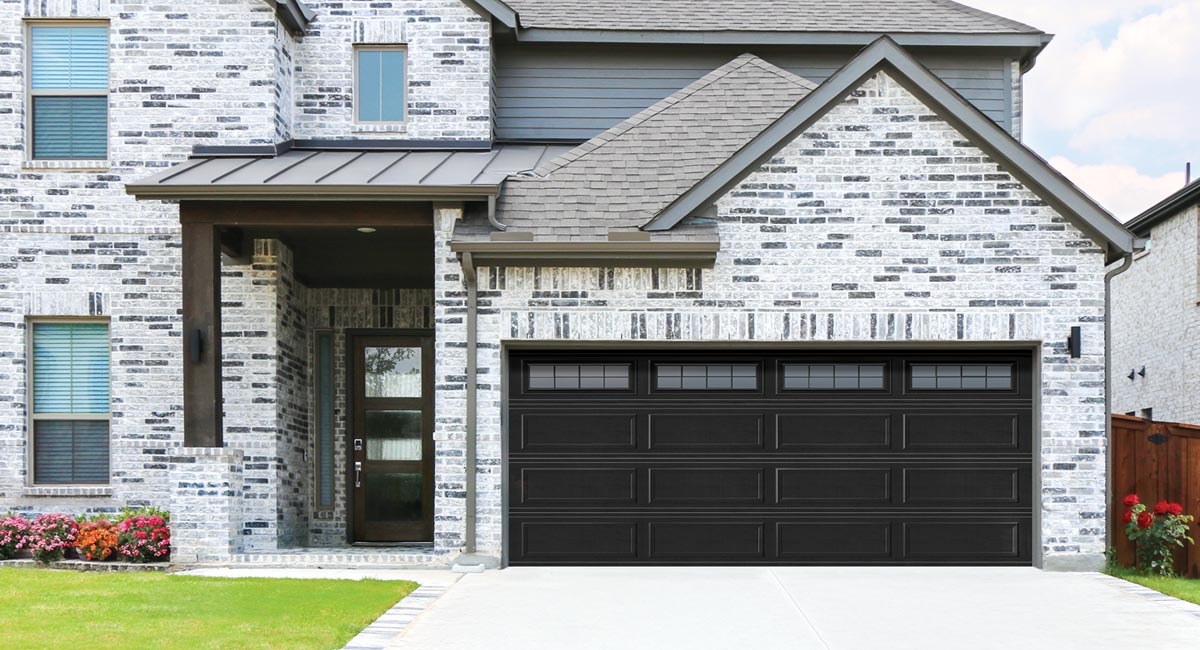
Credit: www.wayne-dalton.com
Understanding Garage Door Insulation
Garage door insulation is a critical feature for many homeowners, impacting everything from utility bills to the comfort of adjacent living spaces. It’s not a one-size-fits-all solution, and understanding the underlying technology is essential. The primary goal of garage door insulation is to create a barrier that resists heat transfer, keeping the garage cooler in the summer and warmer in the winter.
This is achieved through various materials and construction methods.
The effectiveness of insulation is measured by its R-value. This metric quantifies a material’s thermal resistance, the higher the R-value, the better it insulates. For garage doors, R-values can vary significantly based on the materials used and the door’s construction. Non-insulated doors, often made of a single layer of metal, offer minimal thermal resistance, typically with an R-value of 0. Insulated doors, on the other hand, incorporate materials like expanded polystyrene (EPS) or polyurethane foam, often sandwiched between layers of steel, aluminum, or vinyl. These materials significantly increase the R-value, providing a much more effective thermal barrier.
Beyond temperature regulation, insulation also plays a role in sound dampening. A well-insulated garage door can significantly reduce the noise from the street, your garage door opener, and general outdoor sounds, contributing to a quieter home environment. Furthermore, the added layers and materials in insulated doors often contribute to their overall durability and strength, making them more resistant to dents and damage. For attached garages, an insulated door is particularly important as it directly affects the climate control of the adjoining home, preventing conditioned air from escaping and unconditioned air from entering.
Wayne Dalton’s Approach To Insulated Garage Doors
Wayne Dalton, a prominent brand under the Overhead Door Corporation umbrella, offers a diverse range of garage door products, many of which are designed with energy efficiency and thermal performance in mind. The company understands the importance of insulation and provides various options across its product lines to cater to different needs and budgets.
Not all Wayne Dalton doors are inherently insulated; some of their most basic, single-layer models are uninsulated. However, their multi-layer construction doors are where insulation becomes a key feature.
The primary methods Wayne Dalton employs for insulation involve incorporating foam insulation cores within the door panels. These cores are typically made from either expanded polystyrene (EPS) or polyurethane foam. EPS is a rigid foam material known for its good insulating properties and cost-effectiveness. Polyurethane foam, on the other hand, is denser and offers a higher R-value per inch compared to EPS, making it a premium insulation choice. These foam cores are strategically placed between the door’s exterior and interior layers, which can be constructed from steel, aluminum, or vinyl.
The construction of an insulated Wayne Dalton door often follows a sandwich panel design. For example, a common configuration is a steel exterior, a foam insulation core, and a steel interior (steel-foam-steel). This structure provides not only thermal insulation but also adds significant rigidity and strength to the door panel. Other models might feature a steel exterior, a foam core, and a vinyl interior (steel-foam-vinyl), offering a balance of durability, insulation, and low maintenance. The specific construction and insulation type will vary depending on the model series.
Insulation Levels And R-values In Wayne Dalton Doors
The insulation performance of Wayne Dalton garage doors is quantified by their R-value. This is a crucial metric for consumers looking to understand the thermal efficiency of a particular door model. Wayne Dalton offers a spectrum of R-values across its product lines, from doors with no added insulation to those with high R-values designed for maximum thermal performance. It’s important to note that the R-value can also be influenced by factors like the gauge of the steel used and the presence of seals and weatherstripping, which contribute to overall air infiltration reduction.
Non-Insulated Doors: These are typically single-layer doors, often made of a single sheet of steel or aluminum. They offer minimal thermal resistance, with an R-value of approximately R-0. These are generally the most budget-friendly options but provide little to no benefit in terms of energy efficiency or sound dampening. They are best suited for detached garages or workshops where climate control is not a primary concern.
Standard Insulated Doors: Many of Wayne Dalton’s popular series, like the Classic Steel Collection (9100, 9600), feature double-layer construction with an insulation core. These doors often use EPS foam and can achieve R-values in the range of R-6 to R-10. They offer a noticeable improvement in thermal performance and sound reduction compared to non-insulated models, making them a popular choice for attached garages.
Premium Insulated Doors: For homeowners seeking superior thermal performance, Wayne Dalton offers premium insulated models, such as those in the Carriage House Collection (9700, 9800) or the Designer Collection (5700, 5800). These doors often utilize polyurethane foam insulation, which provides a higher R-value per inch. These models can achieve R-values typically ranging from R-11 to R-18 or even higher. They are constructed with a steel-foam-steel or steel-foam-vinyl sandwich design, offering excellent durability, significant noise reduction, and substantial energy savings.
To illustrate the difference, consider a comparison table:
| Wayne Dalton Series | Construction Type | Insulation Material | Approximate R-Value | Primary Benefit |
|---|---|---|---|---|
| Classic Steel (e.g., 9100) | Double-layer (Steel-Foam-Steel) | EPS Foam | R-6 to R-10 | Good balance of cost, insulation, and durability |
| Carriage House (e.g., 9700) | Triple-layer (Steel-Foam-Steel) | Polyurethane Foam | R-11 to R-18 | Superior insulation, enhanced aesthetics, quiet operation |
| Designer (e.g., 5700) | Triple-layer (Steel-Foam-Steel or Steel-Foam-Vinyl) | Polyurethane Foam | R-12 to R-18+ | High thermal performance, premium look, enhanced security |
| Modern Aluminum (e.g., 8000) | Single-layer Aluminum (often frameless glass) | None | R-0 to R-2 (depending on glass) | Modern aesthetics, light transmission |
When selecting a Wayne Dalton door, always refer to the specific product specifications provided by the manufacturer or your dealer. The R-value is a key indicator of thermal performance, and choosing a higher R-value will generally translate to better energy efficiency and comfort.
Benefits Of Insulated Wayne Dalton Garage Doors
Investing in an insulated Wayne Dalton garage door offers a multitude of advantages that extend beyond simple climate control. These benefits contribute to a more comfortable, efficient, and secure home environment, making the upfront cost a worthwhile consideration for many homeowners.
The enhanced thermal performance is often the primary driver for choosing an insulated model, but the positive impacts are far-reaching.
One of the most significant benefits is improved energy efficiency. For homes with garages attached to the main living space, the garage can act as a thermal buffer. An insulated garage door significantly reduces the amount of heat that transfers between the garage and the house. In colder months, this means less heated air from your home escapes into the garage, and less cold air enters. In warmer months, it prevents the hot garage air from seeping into your home. This leads to a reduced workload for your HVAC system, resulting in lower energy bills. Studies have shown that upgrading to an insulated garage door can lead to substantial savings on heating and cooling costs over time.
Enhanced comfort is another key advantage. A well-insulated garage door helps maintain a more moderate temperature within the garage itself. This makes the garage a more usable space year-round, whether you use it for parking vehicles, as a workshop, or for storage. Instead of enduring extreme temperatures, you can work or spend time in the garage without feeling excessively cold or hot.
Insulated doors also offer superior sound dampening capabilities. The layered construction and foam core act as a barrier against noise pollution. This means less external noise from traffic or neighbors will penetrate your home, and the sound of your garage door opener operating will be significantly muffled. This contributes to a quieter and more peaceful living environment.
Furthermore, the construction of insulated doors often leads to increased durability and strength. The sandwich panel design, with metal skins and a foam core, provides greater rigidity and resistance to impact compared to single-layer doors. This can make them more resistant to dents, dings, and general wear and tear. This enhanced structural integrity can also contribute to improved security, as a more robust door can be harder to force open.
Finally, a high-quality insulated garage door can add value to your home. When it’s time to sell, features like energy efficiency and enhanced durability are attractive selling points for potential buyers. A modern, well-insulated garage door can improve curb appeal and signal to buyers that the home has been well-maintained and upgraded with energy-saving features.

Credit: www.reddit.com
Wayne Dalton Garage Door Construction Types And Insulation
Wayne Dalton offers a variety of construction methods for their garage doors, and understanding these can help you identify which models are insulated and how they achieve their thermal performance. The most common constructions involve multiple layers designed to provide strength, durability, and insulation.
The type of materials used for the exterior, interior, and the insulation core itself will dictate the door’s overall performance characteristics, including its R-value and resistance to the elements.
Double-layer Construction (steel-foam-steel)
This is a very common construction method for insulated Wayne Dalton garage doors. It involves an exterior steel panel, a layer of insulation (typically EPS foam), and an interior steel panel. This “sandwich” construction offers several advantages:
- Insulation: The foam core provides a thermal barrier, significantly improving the door’s R-value compared to single-layer doors. Models using EPS foam in this construction typically achieve R-values in the R-6 to R-10 range.
- Durability: The two layers of steel provide a robust and strong door panel, offering good resistance to dents and impacts.
- Quiet Operation: The foam core helps to dampen noise, making the door operate more quietly than a hollow or single-layer door.
- Appearance: The interior steel panel can be finished to provide a clean, attractive look inside the garage.
Many of Wayne Dalton’s Classic Steel Collection models, such as the 9100 and 9600 series, utilize this double-layer construction. They represent a good balance between cost, insulation performance, and durability, making them a popular choice for many homeowners with attached garages.
Triple-layer Construction (steel-foam-steel Or Steel-foam-vinyl)
Wayne Dalton’s premium insulated garage doors often feature triple-layer construction, which typically offers higher R-values and enhanced features. This construction involves:
- Exterior Layer: Usually steel, often with decorative designs or finishes to mimic the look of wood or carriage house doors.
- Insulation Core: A thicker layer of high-performance insulation, most commonly polyurethane foam. Polyurethane is denser than EPS and provides a higher R-value per inch, allowing for superior thermal performance.
- Interior Layer: This can be another layer of steel for maximum strength and a clean interior finish, or it can be a vinyl layer. Vinyl offers a low-maintenance interior surface that is resistant to moisture and easy to clean.
Doors with triple-layer construction, especially those using polyurethane foam, can achieve significantly higher R-values, often in the R-11 to R-18 range or even higher. This level of insulation is ideal for homes in colder climates or for homeowners who want to maximize energy savings and comfort in their garage.
Examples of Wayne Dalton series that often feature triple-layer construction include:
- Carriage House Collection (e.g., 9700, 9800): These doors combine the aesthetic appeal of traditional carriage house designs with modern, high-performance insulation.
- Designer Collection (e.g., 5700, 5800): These collections offer a wide range of styles and finishes, with advanced insulation options for superior thermal efficiency.
The triple-layer construction provides the highest level of insulation, durability, and noise reduction among Wayne Dalton’s offerings. It’s a more significant investment but delivers the best performance for demanding applications.
Single-layer Construction (non-insulated)
While not focused on insulation, it’s important to mention Wayne Dalton’s single-layer doors for completeness. These doors are typically made from a single sheet of steel or aluminum. They are the most basic and economical option.
- Construction: A single panel of metal.
- Insulation: None. The R-value is effectively R-0.
- Benefits: Lowest cost, lightweight.
- Drawbacks: Poor thermal performance, minimal sound dampening, less durable than multi-layer doors.
These doors are generally suitable for detached garages, sheds, or workshops where insulation and noise reduction are not priorities. Examples might include some of the more basic models within the Classic Steel Collection or specific utility-grade doors.
When choosing a Wayne Dalton door, identifying the construction type and the insulation material used is key to understanding its performance. Always consult the product specifications for the exact R-value and construction details of the model you are considering.
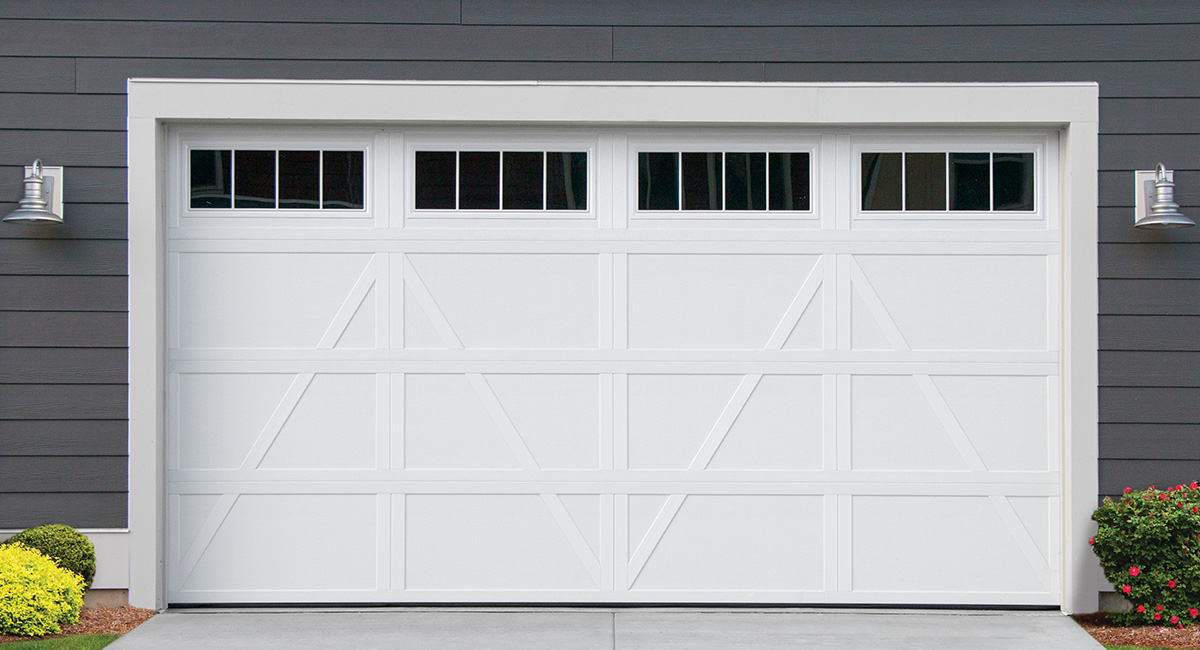
Credit: www.wayne-dalton.com
How To Determine If A Wayne Dalton Garage Door Is Insulated
With various models and construction types available, it’s essential to know how to identify whether a specific Wayne Dalton garage door is insulated. This isn’t always immediately obvious from the model name alone, so checking the product details and understanding key indicators is crucial.
Whether you’re looking at a new purchase or trying to understand your current door’s capabilities, there are several ways to find this information.
Checking Product Specifications And Model Numbers
The most reliable way to determine if a Wayne Dalton garage door is insulated is by consulting the official product specifications. When purchasing a new door, this information will be readily available on the manufacturer’s website, in product brochures, or through authorized dealers. Look for details related to:
- Construction: Keywords like “double-layer,” “triple-layer,” “sandwich construction,” “steel-foam-steel,” or “steel-foam-vinyl” are strong indicators of an insulated door.
- Insulation Material: Mention of “polystyrene foam (EPS)” or “polyurethane foam” confirms the presence of insulation.
- R-Value: A stated R-value (e.g., R-10, R-16) is the definitive measure of the door’s thermal resistance. Any door with an R-value greater than 0 is insulated.
- Model Series: Certain Wayne Dalton series are known for their insulation. For example, the Classic Steel (9100, 9600), Carriage House (9700, 9800), and Designer (5700, 5800) collections typically feature insulated options. Conversely, basic single-layer steel doors or aluminum-framed glass doors (like some in the Modern Aluminum Collection) are generally not insulated.
If you know the model number of your existing door, you can often search for it on the Wayne Dalton website or contact a dealer for its specifications.
Visual Inspection (if Possible)
For an existing door, a visual inspection might provide clues, although it’s not always definitive without knowing the exact construction.
- Panel Thickness: Insulated doors often have thicker panels due to the added insulation core. Compare the thickness of your door panels to known non-insulated doors if possible.
- Interior Finish: If you can see the interior side of the door panels, look for a distinct interior steel or vinyl layer. Non-insulated doors usually have a simpler, unfinished-looking interior, or just the back of the single metal sheet. A smooth, finished interior surface often indicates a multi-layer, insulated door.
- Seams: In some multi-layer doors, you might be able to discern the layers or seams where the insulation is sandwiched between the exterior and interior skins.
However, visual inspection can be misleading. Some manufacturers use materials that make it difficult to distinguish layers from the outside, and the interior finish can vary.
Consulting A Professional
The most straightforward and accurate method for determining if your current Wayne Dalton garage door is insulated is to consult a professional garage door technician. They have the expertise to identify different construction types and can often tell by looking at the door, or by checking the model number and consulting their resources. If you’re considering a new door, a reputable dealer will guide you through the options and clearly explain the insulation levels and R-values of each model. They can help you match the right door to your climate and budget needs.
Factors To Consider When Choosing An Insulated Wayne Dalton Door
When you decide to invest in a Wayne Dalton insulated garage door, several factors beyond just the R-value should influence your decision. The ideal choice depends on your specific needs, budget, climate, and aesthetic preferences. Making an informed decision ensures you get the most value and performance from your purchase.
Climate And Energy Efficiency Needs
Your local climate is a primary consideration. If you live in an area with extreme temperatures (very hot summers or very cold winters), a higher R-value door will provide greater benefits in terms of energy savings and comfort.
- Cold Climates: A high R-value door (R-11 or higher) is crucial to prevent heat loss from your home into the garage and to keep the garage itself warmer, making it more comfortable to use.
- Hot Climates: Insulation helps prevent the intense heat from the sun radiating off the garage door from entering your home, reducing the load on your air conditioning system.
- Mild Climates: While still beneficial, the energy savings might be less dramatic, but the noise reduction and durability benefits remain significant.
Consider the location of your garage relative to your living space. An attached garage will benefit most significantly from insulation.
Budget And Long-term Value
Insulated garage doors are generally more expensive upfront than their non-insulated counterparts. However, it’s important to consider the long-term value. The energy savings on heating and cooling bills can offset the initial cost over time. Additionally, the increased durability and potentially longer lifespan of a well-constructed insulated door can contribute to overall value. Wayne Dalton offers a range of insulated options at different price points, allowing you to balance initial cost with desired performance. Think about your budget not just for the purchase but also for potential long-term savings. Understanding the total cost of ownership is key.
Durability And Material Choices
Wayne Dalton uses various materials for their doors, including steel, aluminum, and vinyl, often in combination with foam insulation.
- Steel: Offers excellent strength and durability, often used for both exterior and interior panels in sandwich constructions. It can be susceptible to rust in humid or coastal environments if not properly coated and maintained.
- Aluminum: Lighter than steel and resistant to rust, but generally less dent-resistant. Often used in modern designs with glass panels.
- Vinyl: Lightweight,