
The garage door is more than just a barrier; it’s a significant component of your home’s overall structure, influencing everything from security and aesthetics to energy efficiency. For many homeowners, the primary concern is its function as an entry and exit point, and perhaps its visual appeal. However, a often-overlooked aspect of garage door functionality is its insulation. An insulated garage door can dramatically impact your home’s comfort, energy bills, and even the longevity of your garage door system.
In a world where energy costs are a constant consideration and home comfort is paramount, understanding the benefits of an insulated garage door is crucial. Unlike older, uninsulated models, modern insulated doors offer a tangible return on investment through enhanced thermal performance.
This article will explore the multifaceted advantages of upgrading to an insulated garage door, covering everything from energy savings and noise reduction to increased durability and property value.
Key Takeaways
- Energy Efficiency: Insulated doors significantly reduce heat transfer, lowering heating and cooling costs for both the garage and attached living spaces.
- Enhanced Comfort: They create a more comfortable garage environment, making it a usable space year-round and preventing extreme temperature fluctuations in adjacent rooms.
- Noise Reduction: Insulation acts as a sound dampener, minimizing noise from both inside and outside the garage, leading to a quieter home.
- Increased Durability and Longevity: Insulated doors are typically constructed with more robust materials, offering better resistance to dents, impacts, and wear and tear.
- Improved Security: The added structural integrity of insulated doors can make them more resistant to forced entry.
- Higher Property Value: An insulated garage door is an attractive feature for potential buyers, contributing to increased home resale value.
- Environmental Benefits: Reduced energy consumption translates to a smaller carbon footprint.
Understanding Garage Door Insulation
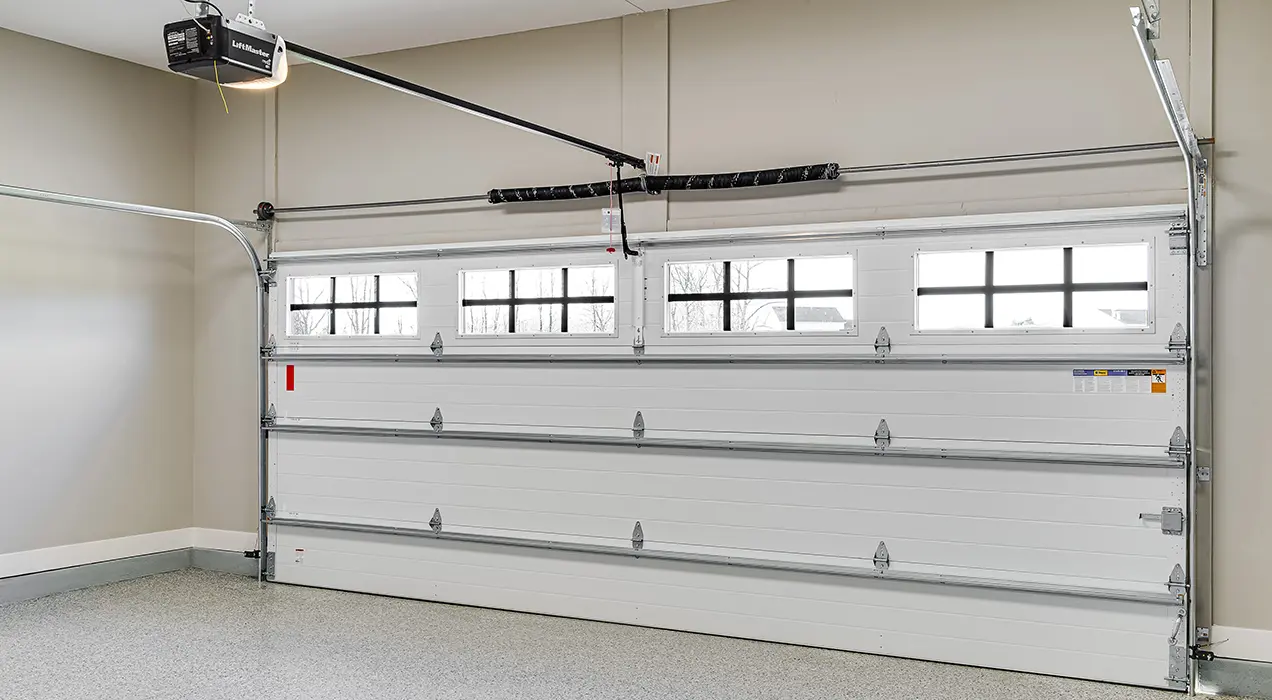
Before diving into the benefits, it’s essential to understand what makes a garage door insulated and how it works. Traditional garage doors are often made of single-layer materials like unadorned steel, aluminum, or wood. These materials offer little to no resistance against temperature changes. An insulated garage door, on the other hand, typically features a multi-layer construction.
Construction Of Insulated Doors
The most common construction for insulated garage doors involves three layers:
- Outer Layer: This is the visible exterior of the door, usually made of steel, aluminum, or composite materials. It provides the aesthetic appeal and primary protection against the elements.
- Insulation Core: Sandwiched between the outer and inner layers is the insulating material. Common types include:
- Polystyrene Foam (EPS): Expanded polystyrene foam is a rigid foam board that provides good insulation. It’s often found in older or more budget-friendly insulated doors.
- Polyurethane Foam (PU): Polyurethane foam is injected into the door cavities and expands to create a dense, highly effective insulating barrier. It offers superior R-values compared to EPS.
- Polyisocyanurate Foam (Polyiso): This is a high-performance foam offering even better insulation values than polyurethane, often used in premium models.
- Inner Layer: This layer, often made of steel or aluminum, provides structural integrity and a finished appearance to the inside of the door. The combination of the outer layer, insulation core, and inner layer creates a sandwich panel effect.
R-value And Its Significance
The effectiveness of insulation is measured by its R-value. The R-value quantifies a material’s resistance to heat flow. The higher the R-value, the better the insulation. For garage doors, R-values typically range from R-4 to R-16 or even higher for premium models. A higher R-value means less heat will escape from your home in the winter and less heat will enter in the summer.
For context, a standard uninsulated single-pane window might have an R-value of around R-1. A well-insulated wall in a home can have an R-value of R-13 to R-19 or more. An insulated garage door, with an R-value of R-10 or higher, can significantly contribute to your home’s overall thermal performance, much like an insulated wall.
Credit: www.clopaydoor.com
The Multifaceted Benefits Of An Insulated Garage Door
Upgrading to an insulated garage door offers a wide array of advantages that extend beyond simple functionality. These benefits impact your home’s comfort, your finances, and even the lifespan of your garage door system.
1. Significant Energy Savings
One of the most compelling reasons to invest in an insulated garage door is its direct impact on your energy bills. Garages, especially those attached to a home, can be a major source of heat loss or gain.
Reduced Heating And Cooling Costs
If your garage is attached to your home, the temperature inside it significantly affects the temperature of adjacent rooms, such as a bedroom, kitchen, or living area. In the winter, an uninsulated garage door allows precious heated air to escape, forcing your home’s HVAC system to work harder to maintain a comfortable temperature in the connected rooms.
Conversely, in the summer, a hot garage can radiate heat into your home, increasing your air conditioning load.
An insulated garage door acts as a thermal barrier, minimizing this heat transfer. This means:
- Lower Heating Bills: In colder months, the insulation helps retain heat within the garage, preventing it from seeping into your home and reducing the demand on your furnace.
- Lower Cooling Bills: In warmer months, the insulation blocks external heat from entering the garage and radiating into your home, easing the burden on your air conditioner.
Studies have shown that an insulated garage door can reduce energy transfer by as much as 40-50% compared to an uninsulated model. This translates into tangible savings on your monthly utility bills. For example, a home in a colder climate could see a reduction in heating costs by up to 10-20% in rooms directly adjacent to the garage.
Maintaining A Stable Garage Temperature
Beyond impacting the main house, insulation also makes the garage itself a more comfortable space. Instead of fluctuating wildly between extreme heat and cold, an insulated garage maintains a more moderate temperature. This can be particularly beneficial if you use your garage for:
- Storage: Protects stored items like paint, chemicals, or even seasonal decorations from extreme temperature damage.
- Workshop or Hobby Space: Makes it more comfortable to work in your garage year-round.
- Parking Vehicles: Reduces the strain on your car’s engine and battery in extreme temperatures, as it starts in a slightly warmer environment during winter and a cooler environment during summer.
2. Enhanced Home Comfort
The comfort level within your home is directly influenced by the thermal performance of its various components, including the garage door. An insulated garage door contributes to a more consistent and pleasant living environment.
Reducing Temperature Fluctuations In Adjacent Rooms
As mentioned, attached garages can significantly impact the temperature of adjoining rooms. Without insulation, these rooms often feel noticeably colder in winter and warmer in summer. An insulated door acts as a buffer, creating a more stable thermal environment. This means fewer drafts and a more consistent temperature throughout your home, leading to greater overall comfort.
Making The Garage A Usable Space
Many homeowners view their garage as merely a place to park cars or store items. However, an insulated garage can transform this space into a functional extension of your living area. Whether you dream of a home gym, a crafting studio, a small workshop, or simply a comfortable place to tinker, insulation makes it achievable.
You can spend more time in your garage without being subjected to the harshness of extreme outdoor temperatures.
3. Superior Noise Reduction
Garage doors can be a source of considerable noise, both from within the garage (appliances, power tools, vehicles) and from the outside environment. The materials and construction of an insulated garage door provide excellent sound-dampening qualities.
Minimizing External Noise Intrusion
The insulation core, typically made of dense foam, absorbs sound waves. This means less noise from traffic, neighbors, or other external sources will penetrate your garage and potentially your home. This is especially valuable in urban or suburban environments where ambient noise levels can be high.
Containing Internal Noise
Conversely, the insulation also helps contain noise generated within the garage. If you have a workshop with loud machinery, or if your garage door opener is particularly noisy, the insulation will absorb some of that sound, preventing it from disturbing the rest of your household.
This creates a quieter and more peaceful living environment for everyone.
A study published by the National Association of Home Builders (NAHB) highlighted that homeowners increasingly prioritize quiet living spaces, and features like insulated doors contribute significantly to this goal.
4. Increased Durability And Longevity
Insulated garage doors are generally built with a more robust construction than their uninsulated counterparts. This multi-layer design not only provides thermal benefits but also enhances the door’s structural integrity and resistance to damage.
Stronger Construction
The “sandwich” construction of insulated doors, with the rigid foam core bonded between metal or composite layers, creates a stronger, more rigid panel. This makes the door less susceptible to:
- Dents and Dings: Accidental impacts from bicycles, sports equipment, or even minor vehicle bumps are less likely to cause significant damage.
- Warping and Cracking: The added structure helps prevent the door panels from warping or cracking due to temperature fluctuations or age.
- Wind Resistance: A more robust door can better withstand strong winds, reducing the risk of damage during storms.
Longer Lifespan
Because insulated doors are built to be more resilient, they often have a longer operational lifespan than basic uninsulated models. The enhanced durability means fewer repairs and replacements over time, making it a more cost-effective investment in the long run. Regular maintenance, such as ensuring your rollers are properly lubricated as outlined in our guide on how to lubricate garage door rollers, will further extend its life.
5. Improved Security
While the primary function of a garage door is security, insulation can add an extra layer of deterrence against potential intruders.
Enhanced Structural Integrity
The reinforced construction of an insulated door makes it more difficult to force open. The rigid foam core, combined with the inner and outer metal layers, creates a sturdier barrier that is harder to pry or break through compared to a single-layer door.
This can be a significant deterrent for opportunistic burglars.
Quieter Operation
While not a direct security feature, the noise reduction benefits can indirectly contribute to security. A quieter door operation means less noise when the door opens or closes, which can be less conspicuous and potentially avoid alerting intruders to your presence or absence.
6. Increased Property Value
Investing in home improvements that offer tangible benefits like energy efficiency, comfort, and durability can significantly enhance your property’s marketability and value. An insulated garage door is a desirable feature for many homebuyers.
Attractive Feature For Buyers
When selling your home, potential buyers often look for features that promise lower utility bills and greater comfort. An insulated garage door signals that the home is well-maintained and energy-efficient. This can make your home stand out in the market and justify a higher asking price. According to some real estate analyses, upgrades like energy-efficient windows and doors, including garage doors, can yield a return on investment of 70-80% upon resale.
Modern Appeal
Insulated garage doors often come with modern designs and finishes that can improve your home’s curb appeal. This aesthetic upgrade, combined with the functional benefits, makes it a worthwhile investment for both current enjoyment and future resale value.
7. Environmental Benefits
In an era of increasing environmental awareness, making choices that reduce energy consumption is more important than ever. Insulated garage doors contribute to a smaller carbon footprint.
Reduced Energy Consumption
By minimizing the need for excessive heating and cooling in both the garage and adjacent living spaces, insulated doors directly contribute to lower overall energy consumption. This reduction in energy use translates to fewer greenhouse gas emissions associated with power generation.
Sustainable Choice
Choosing energy-efficient upgrades for your home is a sustainable practice. An insulated garage door is a step towards a more eco-friendly home, aligning with growing consumer demand for green building practices.

Credit: raynor.com
Types Of Insulated Garage Doors And Their Specific Benefits
While the general benefits apply across the board, different types of insulated garage doors offer varying levels of performance and features. Understanding these distinctions can help you choose the best option for your needs.
Steel Insulated Garage Doors
Steel remains the most popular material for garage doors due to its durability, affordability, and versatility. Insulated steel doors typically feature a steel exterior and interior layer with foam insulation in between.
- Pros: Excellent durability, resistance to dents and impacts, good insulation potential (especially with polyurethane), wide range of styles and finishes, cost-effective.
- Cons: Can be susceptible to rust if the protective coating is damaged, heavier than aluminum doors.
- R-Value: Typically ranges from R-10 to R-16.
- Best For: Homeowners seeking a balance of durability, insulation, and cost-effectiveness.
Aluminum Insulated Garage Doors
Aluminum doors are lighter than steel and inherently resistant to rust and corrosion, making them a good choice for coastal or humid environments.
- Pros: Lightweight, rust-resistant, modern aesthetic options (often with full-view glass panels).
- Cons: Can be more prone to denting than steel, insulation might be less robust in some models compared to high-end steel doors.
- R-Value: Varies widely, but typically lower than premium steel doors, often R-6 to R-10.
- Best For: Modern homes, areas with high humidity or salt air, homeowners prioritizing a sleek look.
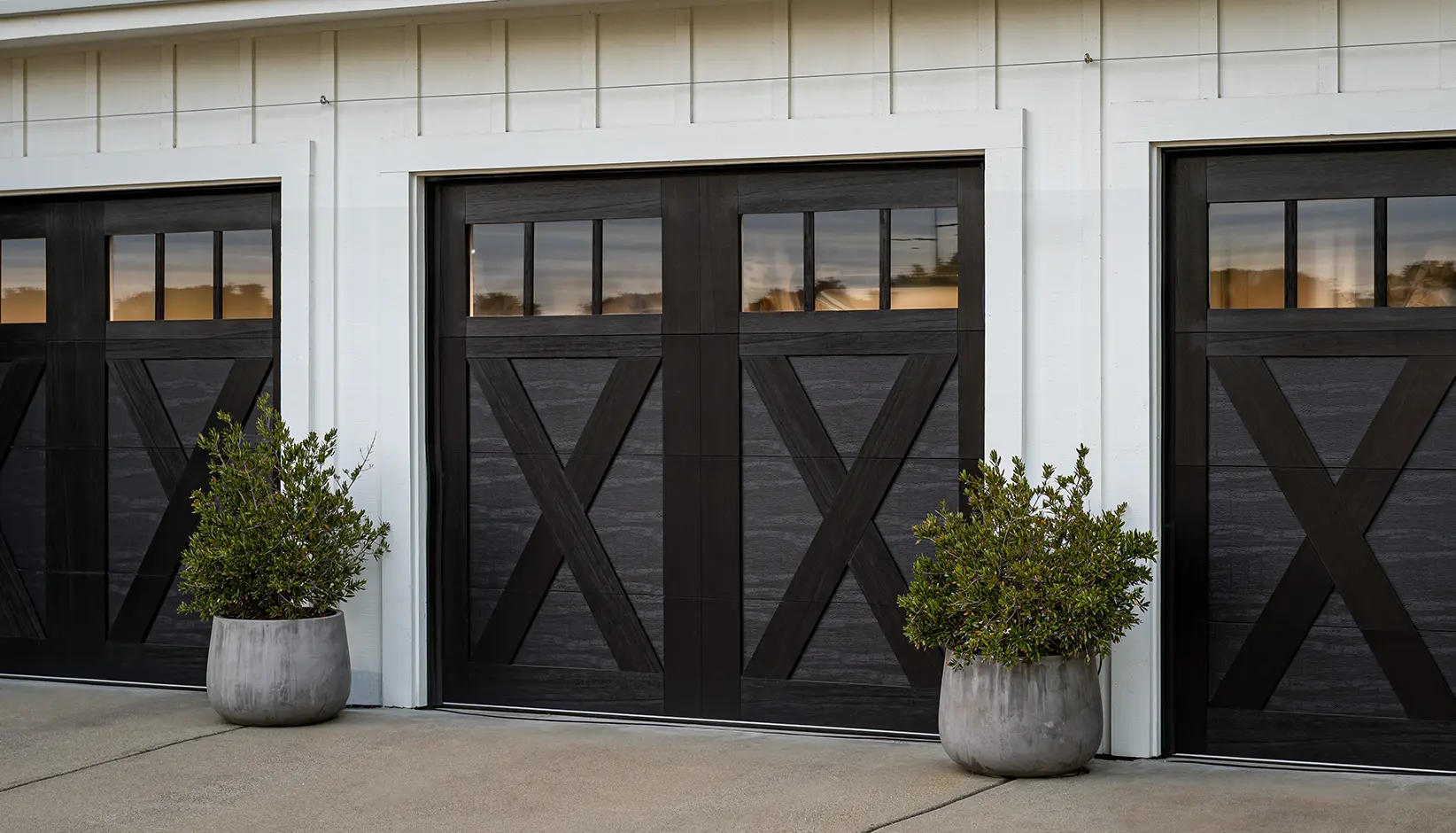
Wood And Composite Insulated Garage Doors
While solid wood doors can be insulated, they often require more maintenance. Composite doors, made from wood fibers and polymers, offer a wood-like appearance with enhanced durability and insulation capabilities.
- Pros: Excellent aesthetic appeal (especially composite mimicking wood grain), good insulation potential, composite materials are resistant to rot and insects.
- Cons: Can be more expensive, wood doors require regular maintenance (painting/staining), composite can still be susceptible to damage from extreme impacts.
- R-Value: Can range from R-10 to R-16 or higher, depending on the core material and construction.
- Best For: Homeowners prioritizing aesthetics and a natural look, willing to invest in higher-end options.
Full-view Insulated Garage Doors
These doors feature large glass panels, often framed in aluminum or steel, with insulated glass panes. They are popular for modern homes, especially those with garages that double as living or workshop spaces.
- Pros: Maximizes natural light, modern and stylish appearance, can be highly insulated if using double or triple-pane glass with low-E coatings.
- Cons: Higher cost, potential for heat loss/gain if not using high-performance glass, requires privacy solutions if the garage is visible from the street.
- R-Value: Can vary significantly based on glass type, but good quality units can achieve R-values of R-10 or more.
- Best For: Modern architectural styles, maximizing natural light, homeowners using the garage as a functional living space.
Credit: www.clopaydoor.com
Choosing The Right Insulated Garage Door: Key Considerations
When selecting an insulated garage door, several factors go beyond just the material and insulation type.
R-value Requirements
Determine the R-value that best suits your climate and needs. For most climates, an R-value of R-10 or higher is recommended for noticeable energy savings. In very cold or very hot climates, consider doors with R-values of R-12 to R-16 or more.
Door Style And Aesthetics
The garage door is a significant visual element of your home. Choose a style, color, and finish that complements your home’s architecture. Options range from traditional raised panel designs to modern flush styles, carriage house looks, and even full-view glass.
Garage Door Opener Compatibility
Insulated doors are generally heavier than uninsulated ones. Ensure your existing garage door opener is powerful enough to lift the new door. If not, you may need to upgrade your opener as well. Many modern openers are designed to handle the weight of insulated doors. If you’re experiencing issues with your opener, you might need to learn how to adjust a Chamberlain garage door opener or similar models.
Budget
Insulated garage doors are generally more expensive upfront than uninsulated models. However, their long-term energy savings and increased durability often provide a significant return on investment. Consider the total cost of ownership, not just the initial purchase price. According to industry data, insulated garage doors can cost 10-30% more than their uninsulated counterparts.
Local Climate
Your local climate plays a crucial role. If you live in an area with extreme temperatures (hot summers, cold winters), the benefits of a high R-value door will be much more pronounced. In milder climates, the energy savings might be less dramatic, but the comfort and noise reduction benefits will still be significant.
Installation
Proper installation is critical for the performance and longevity of any garage door. Ensure you hire a qualified and experienced professional for installation to guarantee optimal insulation, smooth operation, and safety.
Real-world Examples Of Insulated Garage Door Benefits
To illustrate the impact of insulated garage doors, consider these scenarios:
Example 1: The Energy-Conscious Family
The Smith family lives in a suburban home with a two-car garage attached to their kitchen. In winter, the kitchen always felt drafty and their heating bills were consistently high. After installing a double-layer steel insulated garage door with an R-value of R-12, they noticed a significant difference.
The kitchen felt warmer and more comfortable, and their heating bills decreased by approximately 15% during the coldest months. They also found their garage much more pleasant for storing seasonal items.
Example 2: The Home-Based Business Owner
Sarah runs a small woodworking business from her garage. Previously, the extreme summer heat made it difficult to work comfortably, and the noise from her tools was disruptive. She upgraded to a premium insulated garage door with a high R-value and added weatherstripping.
The insulated door dramatically reduced the heat entering the garage, making it a much more usable workspace. The added insulation also helped contain the noise from her machinery, improving the overall ambiance of her home.
Maintenance For Optimal Performance
Even the best insulated garage door requires proper maintenance to ensure it performs optimally and lasts for years.
Regular Inspections
Periodically inspect the door for any signs of damage, wear, or loose components. Check the seals and weatherstripping to ensure they are intact and providing a good seal against the elements.
Lubrication
Keep the moving parts of your garage door system lubricated. This includes the rollers, hinges, and tracks. Properly lubricated components reduce friction, ensure smooth operation, and prevent unnecessary wear and tear. You can find detailed instructions on how to lube garage door rollers to maintain quiet and efficient movement.
Cleaning
Clean the exterior of your garage door regularly with mild soap and water to maintain its appearance and prevent the buildup of dirt and grime.
Opener Maintenance
If you have an automatic garage door opener, follow the manufacturer’s guidelines for maintenance. This might include checking the chain tension (as detailed in our guide on how to adjust chain on garage door opener) or ensuring remotes are functioning correctly. If your remote has stopped working, you might need to learn how to reset Liftmaster garage door opener remote or other brands.
Frequently Asked Questions
What Is The R-value Of A Typical Insulated Garage Door?
The R-value of insulated garage doors typically ranges from R-4 to R-16 or higher. Basic insulated doors (often single-layer foam) might be around R-4 to R-6, while double-layer steel doors with polyurethane foam can reach R-10 to R-16. Premium models may exceed this.
The higher the R-value, the better the door’s resistance to heat transfer.
How Much More Does An Insulated Garage Door Cost Compared To An Uninsulated One?
On average, an insulated garage door can cost between 10% to 30% more than a comparable uninsulated model. However, this upfront cost is often offset by long-term energy savings, increased durability, and potential increases in home resale value. The exact price difference depends on the material, insulation type, brand, and features. You can explore general cost factors in our article on how much for a garage door.
Will An Insulated Garage Door Make A Significant Difference In My Energy Bills?
Yes, an insulated garage door can make a significant difference, especially if your garage is attached to your home. By reducing heat transfer, it lowers the workload on your HVAC system, leading to reduced heating and cooling costs. The exact savings vary based on your climate, the R-value