
A broken garage door spring can be a significant inconvenience, leaving you unable to access your garage or secure your home. The immediate question that arises is whether you can still operate the door, even with this critical component compromised. The answer is nuanced: while you *can* technically open your garage door, doing so without understanding the risks and proper procedures can lead to further damage, injury, or both. Garage door springs, whether torsion or extension springs, are under immense tension and are designed to counterbalance the weight of the door, making it easy to lift manually or with an opener. When a spring breaks, this counterbalance is lost, and the door becomes extremely heavy, posing a serious safety hazard.
Understanding the mechanics of your garage door is the first step in addressing a broken spring. The spring system is the most vital part of a garage door’s operation, responsible for taking on the door’s weight. Without functioning springs, the opener motor is left to lift the entire weight of the door, a task it is not designed to perform.
This can quickly lead to motor burnout and further mechanical issues. Therefore, while the urge to force the door open might be strong, it’s crucial to approach the situation with caution and knowledge. This article will guide you through the implications of a broken spring, the safety precautions you must take, and the steps involved in safely opening your garage door, along with when to call a professional.
Key Takeaways
- A broken garage door spring severely compromises safety due to the immense tension released and the door’s increased weight.
- Never attempt to force open a garage door with a broken spring without first disengaging the opener and taking extreme precautions.
- The garage door opener motor is not designed to lift the full weight of the door and can be permanently damaged.
- Manually opening a door with a broken spring is possible but extremely difficult and dangerous without proper knowledge and assistance.
- Immediate professional repair is the safest and most recommended course of action after a spring breaks.
- Always disengage the opener before attempting any manual operation with a broken spring.
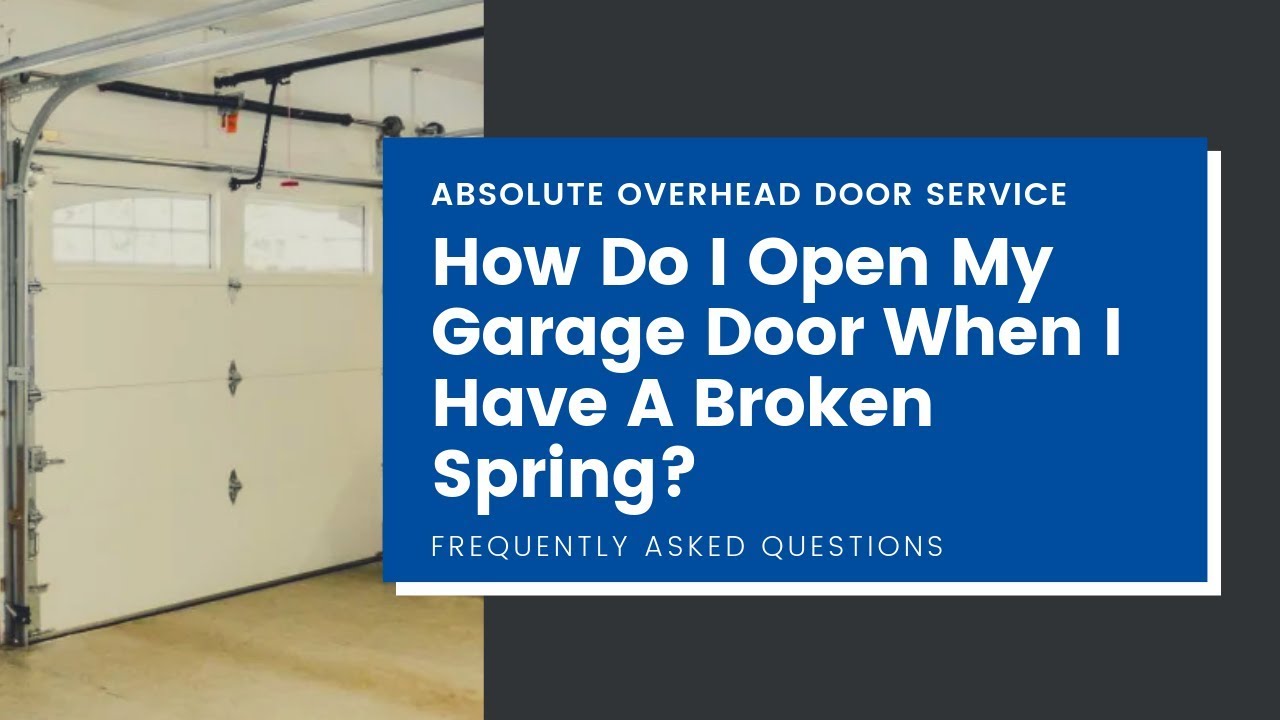
Credit: www.youtube.com
Understanding Garage Door Springs And Their Function
Garage doors are complex systems, and their springs are arguably the most critical components for smooth operation. They are designed to offset the substantial weight of the door, typically weighing between 100 and 400 pounds, or even more for custom or oversized doors. This counterbalance allows the garage door opener to lift and lower the door with relative ease, and it also enables manual operation without excessive force. There are two primary types of garage door springs: torsion springs and extension springs.
Torsion Springs
Torsion springs are mounted on a metal rod above the garage door opening. They work by coiling and uncoiling as the door moves. When the door is closed, the springs are under tension, storing energy. As the door opens, the springs unwind, releasing this energy and lifting the door.
This system is generally considered safer and more efficient than extension springs, as the coils are contained and the potential for sudden snapping is reduced. A broken torsion spring will typically make a loud snapping sound, and you will notice the door is difficult to lift and will not stay open on its own.
Extension Springs
Extension springs are typically installed above the horizontal tracks on either side of the garage door. They are long, coiled springs that run parallel to the tracks. When the door is closed, these springs are stretched, storing energy. As the door opens, the springs contract, assisting in lifting the door.
Most extension spring systems also include safety cables that run through the springs. These cables are crucial safety features designed to prevent the spring from flying across the garage if it breaks. A broken extension spring can also cause a loud noise, and the door will feel significantly heavier.
The Dangers Of A Broken Garage Door Spring
A broken garage door spring is not just an inconvenience; it’s a serious safety hazard. The immense tension stored in these springs means that when one breaks, it can release a significant amount of energy. This release can cause the spring to snap violently, sending metal fragments flying at high speeds, potentially causing severe injury or property damage.
Furthermore, the loss of the spring’s counterbalancing effect means the garage door becomes incredibly heavy.
High Tension And Potential For Injury
Garage door springs are under extreme tension, often thousands of pounds per square inch. When a spring breaks, it can recoil suddenly. If you are near the door or the spring assembly when this happens, you could be struck by flying debris, leading to cuts, bruises, or more severe injuries.
This is why it’s imperative to stand clear of the garage door and its mechanism immediately after hearing a loud snap or noticing the door is behaving unusually.
Imbalance And Risk Of The Door Falling
With a broken spring, the garage door loses its crucial counterbalance. This means the full weight of the door is no longer supported. If you attempt to lift the door manually, you will be fighting against the entire weight of the door, which can be hundreds of pounds.
This can cause you to lose your grip, potentially leading to the door slamming down unexpectedly. This uncontrolled descent can cause damage to the door itself, the opener, or anything (or anyone) underneath it.
Damage To The Garage Door Opener
Garage door openers are designed to assist in lifting a balanced door, not to lift the door’s entire weight. Attempting to operate the opener with a broken spring will put an enormous strain on the motor and internal components. This can lead to the motor overheating, gears stripping, or the entire opener mechanism failing.
Repairing or replacing a damaged opener can be significantly more expensive than simply replacing the broken spring.

Credit: smartgarage.ca
Can You Open Your Garage Door If The Spring Broke?
The short answer is yes, but with extreme caution and understanding of the risks involved. It is generally not recommended for an untrained individual to attempt to open a garage door with a broken spring due to the inherent dangers. However, if you find yourself in a situation where you absolutely must open it, here’s a breakdown of what’s involved and why it’s so challenging.
The Manual Override And Its Limitations
All garage door openers have a manual release mechanism. This is typically a red cord hanging from the opener’s trolley. Pulling this cord disengages the opener from the door, allowing you to operate it manually. When a spring is broken, pulling this cord means you are now responsible for lifting the entire weight of the door.
Pro Tip: Before pulling the manual release, ensure the garage door is in the fully closed position. If it’s partially open, the door is already unbalanced and much heavier to manage.
The Extreme Difficulty And Physical Strain
Lifting a garage door that weighs several hundred pounds without the assistance of springs is an incredibly difficult physical task. It requires significant strength and stability. Without proper technique or assistance, you risk injury to yourself or damage to the door.
Many homeowners find it impossible to lift the door even a few inches.
Why It’s Not Recommended For Most People
The risks associated with attempting to manually open a garage door with a broken spring far outweigh the convenience. The potential for severe injury from the spring itself or the falling door, coupled with the high likelihood of damaging the opener and other door components, makes this a task best left to professionals.

Credit: www.reddit.com
Steps To Safely Open A Garage Door With A Broken Spring (with Extreme Caution)
If you are in a situation where you *must* attempt to open the door and have assessed the risks, follow these steps precisely. This process is best undertaken with at least one other person to assist.
Step 1: Disengage The Garage Door Opener
Locate the manual release cord on your garage door opener. This is usually a red rope hanging down. Pull it firmly. You should hear a click as the opener’s trolley disconnects from the chain or belt drive. This action disables the automatic opener and makes the door operate purely manually.
Step 2: Secure The Area And Gather Assistance
Ensure children and pets are kept away from the garage. Inform other household members that you are attempting to open the door. It is highly recommended to have at least one other strong adult present to help lift and stabilize the door.
Step 3: Attempt To Lift The Door Slowly And Steadily
With your assistant(s), position yourselves at the sides of the garage door. Grip the bottom edge firmly. Slowly and carefully begin to lift the door. You will immediately feel the immense weight. Lift it only as far as you can comfortably manage without strain.
The goal is to lift it just enough to clear the opening or to secure it in an open position.
Step 4: Secure The Door In An Open Position
Once you have lifted the door to the desired height, you need to secure it. Crucially, do NOT rely on the springs to hold the door open, as they are broken. You will need to use sawhorses, sturdy blocks of wood, or other strong supports placed securely under the door to prevent it from falling. Never place your body parts under the door.
Step 5: Avoid Operating The Opener Until Repaired
Once the door is open and secured, do not attempt to re-engage the opener or use it to close the door. The opener is not designed to operate with a broken spring and doing so will likely cause further damage.
When To Call A Professional Garage Door Technician
In almost all scenarios involving a broken garage door spring, the safest and most efficient solution is to call a qualified garage door repair professional. They have the specialized tools, knowledge, and experience to handle these dangerous components safely and effectively.
The Expertise Of Professional Technicians
Professional technicians understand the complex mechanics of garage doors and the specific forces involved with broken springs. They are trained to handle the tension safely, diagnose the exact problem, and perform the necessary repairs or replacements. They can also inspect other components of your garage door system to ensure everything is functioning correctly and safely.
Safety Equipment And Tools
Repairing garage doors, especially those with broken springs, requires specialized safety equipment and tools. Technicians use winding bars, winding cones, safety glasses, heavy-duty gloves, and other gear to protect themselves and ensure the job is done correctly. Attempting these repairs without the proper tools can be incredibly dangerous.
Efficiency And Warranty
Professionals can typically replace broken springs quickly and efficiently, often within the same day. They also usually offer a warranty on their parts and labor, giving you peace of mind. This warranty protects you against faulty parts or improper installation.
Cost-effectiveness In The Long Run
While hiring a professional may seem like an added expense, it is often more cost-effective in the long run. A DIY attempt can lead to costly mistakes, such as damaging the opener, the door itself, or causing personal injury that incurs medical bills. Professional repair ensures the job is done right the first time, preventing future problems and expenses. The average cost for a garage door spring replacement can range from $200 to $400, depending on the type of spring and labor costs in your area. This is generally a worthwhile investment for safety and longevity. For more detailed cost information, consider resources like garage door cost guides.
Common Misconceptions About Broken Springs
Several myths and misconceptions surround broken garage door springs, often leading homeowners to make unsafe decisions. Understanding these can help you approach the situation more realistically.
Misconception 1: The Opener Will Still Work Fine
As mentioned earlier, this is a critical misunderstanding. The opener is designed to assist, not to bear the full load. Its motor can be easily damaged, leading to expensive repairs.
Misconception 2: It’s A Simple Diy Fix
While some minor garage door maintenance tasks can be DIY-friendly, spring replacement is not one of them. The extreme tension and potential for injury make it a job for experienced professionals. Attempting to fix it yourself without proper knowledge and tools is exceptionally risky.
Misconception 3: All Springs Are The Same
Torsion springs and extension springs operate differently and require distinct replacement procedures. Even within these types, springs vary in size, gauge, and cycle life, determined by the weight and size of your specific garage door. A professional can identify the correct replacement spring.
Preventing Future Spring Breakage
While spring breakage is often a sign of wear and tear, there are steps you can take to prolong their lifespan and potentially prevent premature failure.
Regular Maintenance And Lubrication
Just like any mechanical system, garage door springs benefit from regular maintenance. Keeping the tracks clean and lubricated can reduce strain on the entire system. Applying a silicone-based lubricant to the springs and other moving parts annually can help them operate smoothly and reduce friction, which can contribute to wear. For more on this, check out how to lube garage door rollers.
Listen For Warning Signs
Pay attention to any unusual noises your garage door makes. Creaking, grinding, or squeaking sounds can indicate that components are under stress or require lubrication. A sudden loud snapping sound is a clear indicator of a broken spring. Addressing minor issues promptly can prevent major failures.
Understand Spring Lifespan
Garage door springs are rated for a certain number of cycles (one cycle is one full open and close of the door). Most standard springs are rated for around 10,000 cycles. If your garage door is older or sees heavy daily use, the springs may be nearing the end of their lifespan.
A professional can often provide an estimate of remaining lifespan based on the door’s age and usage.
Garage Door Spring Types And Their Lifespans
Understanding the different types of springs and their expected lifespans can help you manage expectations and maintenance.
| Spring Type | Typical Lifespan (Cycles) | Mounting Location | Notes |
|---|---|---|---|
| **Torsion Spring** | 10,000 – 20,000+ | Above garage door opening | Generally more durable and safer; coils are contained. |
| **Extension Spring** | 7,000 – 15,000 | Above horizontal tracks | Requires safety cables to prevent injury if spring breaks. |
| **Heavy-Duty Torsion** | 20,000 – 30,000+ | Above garage door opening | For heavier doors or high-frequency use; higher initial cost. |
| **High-Cycle Torsion** | 25,000 – 50,000+ | Above garage door opening | Designed for extreme durability and frequent use; premium option. |
Factors Affecting Spring Lifespan
Several factors influence how long garage door springs last:
- Cycle Count: The most significant factor. More cycles mean more wear.
- Quality of Springs: Higher-quality springs from reputable manufacturers generally last longer.
- Door Weight and Balance: An improperly balanced door puts extra strain on springs.
- Environmental Conditions: Extreme temperatures and humidity can affect metal components.
- Maintenance: Regular lubrication and inspection can help prevent premature failure.
Comparison: Diy Attempt Vs. Professional Repair
| Feature | DIY Attempt (Risky) | Professional Repair |
|---|---|---|
| **Safety** | Extremely High Risk of Injury | High Safety Standards, Trained Technicians |
| **Cost** | Potentially higher due to damage & tool purchase | Predictable cost, often includes warranty |
| **Time** | Can be lengthy and frustrating | Usually completed within hours |
| **Effectiveness** | Often leads to further damage or incomplete repair | Ensures proper installation and door function |
| **Warranty** | None | Typically includes parts and labor warranty |
| **Peace of Mind** | Low; constant worry about safety and damage | High; job done correctly by experts |
| **Opener Protection** | High risk of opener damage | Prevents opener damage by fixing the core issue |
Example Scenario: A Homeowner’s Experience
Sarah noticed a loud bang from her garage one morning. Upon inspection, she saw that one of the torsion springs above her garage door had snapped. Her first instinct was to try and lift the door manually. She pulled the red emergency release cord, but even with the help of her teenage son, they could barely lift the door a few inches before it became impossibly heavy.
They immediately stopped, fearing the door would crash down. Sarah then called a local garage door repair company. The technician arrived within two hours, safely replaced both torsion springs (as is standard practice to ensure balanced operation), and serviced the opener.
The entire process took about an hour, and Sarah felt relieved knowing the job was done safely and correctly, avoiding potential injury or further damage.
Frequently Asked Questions
How Do I Know If My Garage Door Spring Is Broken?
You’ll typically hear a loud snapping or banging sound when the spring breaks. Visually, you might see a gap in the spring if it’s a torsion spring above the door, or the spring might appear detached or hanging loosely if it’s an extension spring. The most common sign is the garage door feeling extremely heavy when you try to lift it manually, and the automatic opener struggling or failing to lift it.
Can I Just Leave The Garage Door Open If The Spring Is Broken?
While you can leave it open, it’s not advisable for security or safety reasons. An open garage door leaves your home vulnerable. Furthermore, leaving a door that’s no longer properly balanced can put residual stress on other components, and it’s a potential hazard if it unexpectedly shifts or falls. It’s best to get it repaired as soon as possible.
How Long Does It Take To Replace A Garage Door Spring?
For a professional technician, replacing garage door springs typically takes between 30 minutes to 1.5 hours, depending on the type of springs, the accessibility of the mechanism, and whether any other minor adjustments or lubrication are performed. It’s usually a same-day service.
Do I Need To Replace Both Springs If One Breaks?
For torsion springs, it is highly recommended to replace both springs at the same time. Torsion springs are usually installed in pairs, and they work together to balance the door. If one breaks due to wear, the other is likely not far behind. Replacing both ensures the door remains properly balanced and prevents a recurrence of the problem shortly after the repair. For extension springs, if one breaks, it’s often recommended to replace both for balanced operation, though sometimes a single spring can be replaced if the other is in excellent condition.
What Is The Lifespan Of A Garage Door Spring?
The lifespan of garage door springs is measured in cycles, with one cycle being a full open and close of the door. Standard residential springs typically last between 10,000 to 15,000 cycles. Higher-quality or “high-cycle” springs can last much longer, sometimes up to 25,000 cycles or more. The actual lifespan can vary based on usage, maintenance, and the weight of the garage door.
When a garage door spring breaks, it’s a critical situation that demands immediate attention and professional expertise. While the temptation to force the door open might be strong, the significant risks of injury and further damage make this a dangerous gamble.
Understanding the mechanics, the dangers, and the proper procedures is paramount. Always prioritize safety by disengaging the opener and, if attempting manual operation, do so with extreme caution and assistance. Ultimately, the most reliable and safest path forward is to contact a qualified garage door technician.
They possess the necessary skills, tools, and safety knowledge to replace the broken spring correctly, ensuring your garage door operates smoothly and securely once again, and preventing potential hazards for you and your family.