
A garage door that bounces when opening can be a startling and potentially dangerous issue. This sudden, uncontrolled movement isn’t just an annoyance; it can signal underlying mechanical problems that, if left unaddressed, could lead to more significant damage or even injury.
Understanding why your garage door might be exhibiting this behavior is the first step toward a safe and functional garage. From worn-out springs to misaligned tracks or issues with the opener itself, several components could be the culprit.
This guide will explore the common reasons behind a garage door’s bouncing opening action, offering practical diagnostic steps and outlining when it’s time to call in a professional. We’ll break down the complex mechanics of your garage door system, providing you with the knowledge to identify potential problems and ensure your door operates smoothly and reliably.
Key Takeaways
- A bouncing garage door during opening is often caused by issues with torsion springs, extension springs, rollers, tracks, or the garage door opener.
- Worn or unbalanced springs are a primary suspect, as they are responsible for counterbalancing the door’s weight.
- Misaligned or damaged tracks can impede smooth roller movement, leading to jerky actions.
- Faulty rollers can seize or become damaged, contributing to an uneven opening.
- Opener issues, such as a misadjusted force setting or a worn drive gear, can also cause bouncing.
- Regular maintenance and timely repairs are crucial for preventing this problem and ensuring safety.
- Safety precautions are paramount when inspecting or attempting any repairs, especially involving springs.
Understanding Garage Door Mechanics
Before diving into the specific causes of a bouncing garage door, it’s essential to grasp the basic mechanics of how a garage door system functions. A typical garage door is a heavy, counterbalanced system designed to lift and lower smoothly. The weight of the door is managed by either torsion springs (mounted horizontally above the door) or extension springs (running parallel to the tracks). These springs store and release energy to assist in lifting the door, making it feel lighter and easier for the opener to manage.
The door itself moves along vertical tracks attached to the garage walls. Rollers attached to the edges of the door move within these tracks, guiding its path. The garage door opener, an electric motor, engages with a drive mechanism (like a chain, belt, or screw) to pull the door upwards and push it down. The opener also has safety mechanisms, including force settings and photo-eye sensors, designed to stop or reverse the door if it encounters an obstruction. When any of these components are out of sync, damaged, or worn, the door’s movement can become erratic, leading to issues like bouncing.

Credit: www.youtube.com
Common Causes Of A Bouncing Garage Door
A garage door that bounces during its opening cycle is a clear indicator that something is not functioning as intended. This bouncing can manifest as a sudden upward jerk, a stuttering ascent, or a complete stop and reverse. Identifying the root cause is key to resolving the issue effectively and safely.
Worn Or Broken Springs
The most frequent culprits for a bouncing garage door are its torsion springs or extension springs. These are the workhorses of the system, providing the necessary counterbalance.
- Torsion Springs: Mounted on a bar above the garage door, torsion springs rotate as the door opens and closes. If one or both torsion springs are worn, weakened, or have snapped, they lose their ability to properly counterbalance the door’s weight. This imbalance causes the opener to struggle, leading to jerky movements and bouncing as it tries to lift the door without sufficient spring assistance. A broken torsion spring will often make a loud bang sound when it snaps.
- Extension Springs: These springs are located above the horizontal tracks on either side of the door. They stretch as the door closes and contract as it opens, assisting in lifting. If an extension spring is weakened, broken, or its safety cable is frayed, it won’t provide adequate lift. This can cause the door to feel excessively heavy, resulting in the opener motor straining and the door bouncing erratically.
Pro Tip: Garage door springs are under immense tension and can be extremely dangerous to handle. Attempting to replace or adjust them without proper knowledge and safety equipment is strongly discouraged. Always consult a qualified professional for spring-related repairs.
Damaged Or Misaligned Tracks
The tracks are the pathways along which the garage door rollers travel. For smooth operation, these tracks must be perfectly aligned and securely fastened.
- Misalignment: If the vertical tracks are bent, dented, or not properly aligned with the horizontal tracks, the rollers can snag or bind. This obstruction forces the opener to work harder, causing the door to hesitate, bounce, or even derail from the track. Even a slight misalignment can create friction and impede smooth movement.
- Loose Fasteners: Tracks are typically secured to the garage wall with brackets and lag screws. If these fasteners become loose over time due to vibrations or wear, the entire track system can shift. This shifting creates play in the system, allowing the door to move unevenly and bounce.
- Obstructions: Sometimes, debris, tools, or other objects can fall into the tracks, physically blocking the rollers. This immediate obstruction will cause the door to stop abruptly and potentially bounce backwards as the opener’s safety mechanism engages.
Faulty Rollers
The rollers are critical components that allow the door to glide smoothly within the tracks. They are typically made of metal or nylon and have bearings that facilitate rotation.
- Worn Bearings: Over time, the bearings within the rollers can wear out, becoming stiff or seizing up. This prevents them from rotating freely, causing them to drag or get stuck in the track. As the door tries to move, the stuck roller creates resistance, leading to a bouncing or stuttering motion.
- Cracked or Broken Rollers: Rollers can also become physically damaged. Cracks or chips in the roller material, or the complete breakage of a roller, will disrupt the smooth travel along the track. This damage can cause the door to jump or bounce as it attempts to move past the damaged section.
- Nylon Roller Wear: Nylon rollers, while quieter, can wear down over time, especially if the door is operated frequently or if the tracks are not kept clean. Worn nylon rollers may not roll as freely, contributing to friction and uneven movement.
Garage Door Opener Issues
While springs, tracks, and rollers are mechanical components of the door itself, the garage door opener plays a vital role in its operation and can also be the source of bouncing.
- Force Limit Settings: Garage door openers have adjustable force limit settings. These settings determine how much force the opener will exert before stopping or reversing. If these limits are set too low, the opener might interpret normal resistance (like a slightly sticky roller or a bit of friction) as an obstruction. This can cause the opener to stop and reverse prematurely, making the door appear to bounce. Incorrectly set force limits are a common cause of this issue. You can learn more about adjusting these settings in guides like How Do You Adjust a Chamberlain Garage Door Opener Easily.
- Drive Gear Problems: Inside the opener unit, a drive gear (often made of plastic or metal) engages with the chain, belt, or screw drive to move the door. If this gear is worn, stripped, or damaged, it can slip or fail to engage properly. This can result in jerky movements, a lack of power, and the door bouncing as the opener struggles to maintain a consistent connection.
- Photo-Eye Sensor Malfunction: The photo-eye safety sensors are located near the bottom of the tracks. They project an invisible beam across the opening. If this beam is broken while the door is closing, the door will reverse. While primarily a closing safety feature, a malfunctioning or misaligned photo-eye sensor could potentially interfere with opening operations in some opener models, though this is less common for bouncing *during opening*. However, if the sensors are dirty, blocked, or misaligned, they can send false signals.
- Travel Limit Adjustment: Similar to force limits, travel limits dictate when the opener stops the door at its fully open or fully closed position. If these are improperly set, the opener might not be allowing the door to fully reach its open position, causing it to stop and potentially rebound slightly.
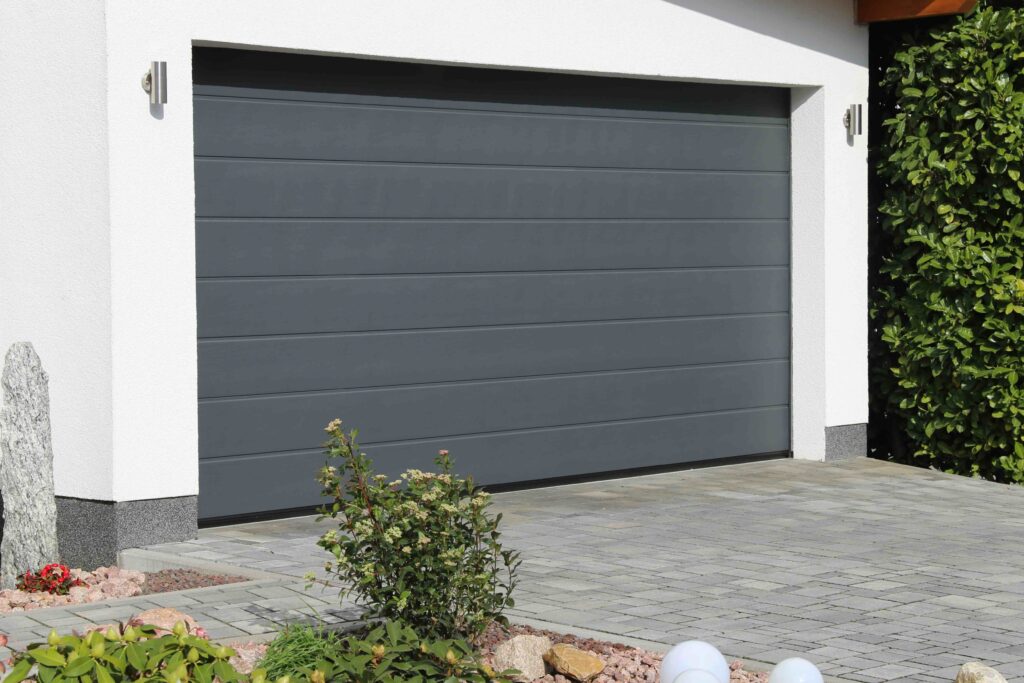
Credit: www.armadillo.one
Diagnostic Steps For A Bouncing Garage Door
When your garage door starts bouncing, the first instinct might be to panic, but a systematic approach can help pinpoint the problem. Before you start, ensure you understand the safety protocols for working with garage doors.
Safety First!
- Disconnect Power: Always unplug the garage door opener from the electrical outlet before performing any inspection or maintenance. This prevents accidental activation.
- Manual Operation: If possible, disengage the opener and try to operate the door manually. This helps determine if the issue lies with the door’s mechanics or the opener itself. You can learn how to do this by consulting a guide on How Can I Open My Garage Door Manually: Step-by-Step Guide.
- Spring Caution: Never attempt to adjust or repair garage door springs yourself. They store a tremendous amount of energy and can cause severe injury.
Step-by-step Inspection
- Visual Inspection of Springs:
- Torsion Springs: Look at the spring(s) located above the door on a metal rod. Check for any visible breaks, cracks, or gaps in the coils. If there’s a noticeable gap, the spring is likely broken.
- Extension Springs: Examine the springs running parallel to the tracks. Check for fraying, visible breaks, or signs of wear. Ensure they are properly attached at both ends.
- Check Tracks and Rollers:
- Track Alignment: Stand back and observe the vertical tracks. Are they perfectly parallel? Are they securely attached to the wall? Look for any dents or bends in the metal.
- Roller Condition: Open the door manually (if safe to do so) and observe the rollers as they move. Do they spin freely? Are any cracked, chipped, or seized? Listen for grinding or scraping noises. You might need to remove a roller to inspect it closely. For smoother operation, consider learning How Do You Lubricate Garage Door Rollers for Smooth Operation.
- Examine the Opener System:
- Drive Mechanism: With the power still disconnected, try to move the door manually. Does it feel excessively heavy or unbalanced? This points towards spring issues. If the door moves relatively easily by hand but bounces with the opener, the problem is likely with the opener itself or its settings.
- Force Limits: Once the door is reconnected to power, test the opener. If the door bounces, try slightly increasing the opening force limit setting on your opener. Consult your opener’s manual for instructions, as the procedure varies by brand (e.g., Chamberlain, LiftMaster). Incorrect force settings are a very common cause.
- Drive Gear: Listen for unusual noises coming from the opener motor unit when it attempts to open the door. Grinding or slipping sounds could indicate a worn drive gear.
- Photo-Eyes: Ensure the photo-eye sensors at the bottom of the tracks are clean, unobstructed, and aligned. Check for indicator lights on the sensors; they usually show if the beam is aligned.
- Listen for Clues: Pay attention to the sounds the door makes. A loud bang often indicates a broken spring. Grinding or squeaking might point to worn rollers or tracks. Clicking or slipping sounds from the opener unit can signal drive gear issues.
When To Call A Professional
If you identify a broken spring, severely damaged tracks, or are uncomfortable performing any of the diagnostic steps, it’s time to call a qualified garage door technician. Attempting complex repairs without the right tools, knowledge, or safety precautions can be dangerous and lead to further damage. For issues related to the opener’s internal components like the drive gear, professional diagnosis is usually required.
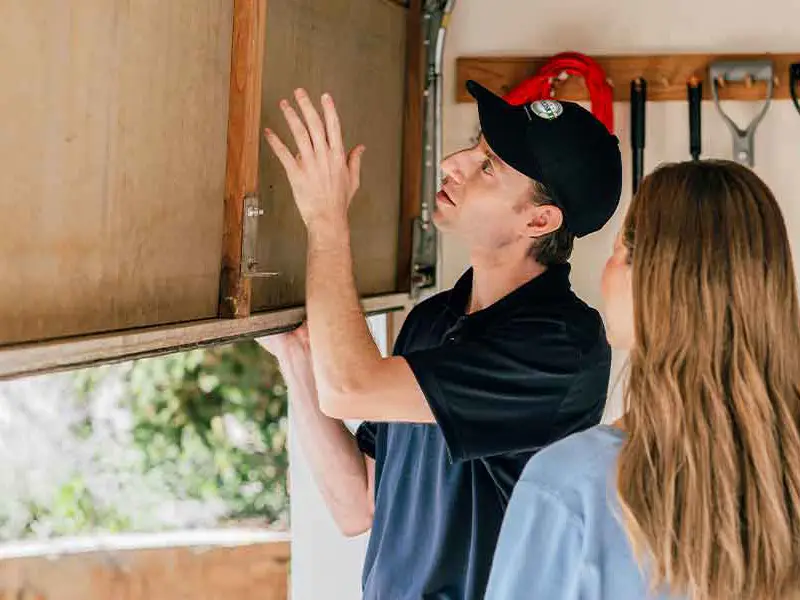
Credit: www.precisiondoor.net
Repair And Maintenance Strategies
Addressing a bouncing garage door involves either repair of faulty components or preventative maintenance to avoid future issues.
Repairing Common Issues
- Spring Replacement: This is a job for professionals. They have the specialized tools (winding bars, heavy-duty wrenches) and expertise to safely remove the old springs and install new ones. The cost for spring replacement can vary, but it’s a critical repair for door functionality and safety. The overall cost of a garage door can range significantly, so understanding potential repair costs is also important: How Much for a Garage Door: Costs, Factors, and Savings Tips.
- Track Realignment or Repair: Minor track misalignment can sometimes be corrected by loosening the mounting brackets, adjusting the track, and re-tightening. If tracks are significantly bent or damaged, they may need to be replaced entirely. Ensure all fasteners are tight after adjustments.
- Roller Replacement: Replacing worn or broken rollers is often a manageable DIY task for some homeowners. You’ll need to carefully lift the door slightly (using props if necessary), remove the old roller, and insert the new one. Lubricating new rollers before installation can help.
- Opener Adjustments: Adjusting force limits and travel limits is usually outlined in the opener’s manual. For example, adjusting a Chamberlain opener might involve pressing specific buttons, while a LiftMaster might have screw adjustments. If you’re unsure, a technician can perform these adjustments quickly. If your opener remote isn’t working in conjunction with these issues, you might need to reset it: How Do I Reset My Garage Door Opener: Step-by-Step Guide.
- Drive Gear Replacement: This typically requires disassembling part of the opener unit and is best left to a professional technician who can source the correct replacement gear.
Preventative Maintenance Schedule
Regular maintenance is the best way to prevent issues like bouncing and extend the lifespan of your garage door system.
- Lubrication: Periodically lubricate the rollers, hinges, and springs (if recommended by the manufacturer, some springs do not require lubrication). Use a silicone-based spray lubricant designed for garage doors. This reduces friction and ensures smoother operation. This is covered in detail in guides like How to Lube Garage Door Rollers for Smooth, Quiet Operation.
- Cleaning: Keep the tracks clean and free of debris. Wipe them down regularly with a dry cloth. Also, ensure the photo-eye sensors are free of dust and cobwebs.
- Tightening Fasteners: Periodically check and tighten any loose bolts or screws on the tracks, hinges, and opener mounting hardware.
- Inspecting Cables and Rollers: Look for any signs of wear or damage on the vertical lift cables (if applicable) and the rollers.
- Opener Check: Test the safety reversal system monthly by placing a piece of wood (like a 2×4) on the ground where the door closes. The door should reverse upon contact. Test the photo-eye sensors by blocking the beam while the door is closing; it should reverse.
- Professional Inspection: Consider having a professional garage door technician inspect your system annually or bi-annually. They can identify potential issues before they become major problems.
Case Study: The Stuttering Ascent
Sarah, a homeowner in suburban Ohio, noticed her garage door began to stutter and bounce slightly every morning as it opened. It wasn’t a dramatic bounce, but a noticeable hesitation that made the ascent feel rough. Initially, she thought it was just the opener needing a reset, as she had recently experienced issues with her remote How to Reset Garage Door Remote Craftsman: Easy Step-by-Step Guide. However, after trying a remote reset without success, she decided to investigate further.
Her inspection revealed that while the torsion springs appeared intact, one of the nylon rollers on the right side of the door seemed stiff. It wasn’t spinning as freely as the others. Additionally, she noticed a slight wobble in the vertical track on that same side, suggesting a loose bracket.
Sarah decided to tackle the roller first. After safely disconnecting the opener and carefully propping the door, she managed to remove the stiff roller. She found that the bearing inside had indeed become gummy and resistant. She replaced all the rollers on that side with new ones, ensuring they were properly lubricated.
She also tightened the bolts on the wobbly track bracket.
After reconnecting the opener, she tested it. The stuttering was gone, replaced by a smooth, quiet opening motion. This case highlights how even seemingly minor issues with components like rollers and track stability can lead to noticeable operational problems like bouncing.
Understanding Opener Sensitivity Settings
Garage door openers are designed with sensitivity settings to prevent damage and injury. The force limit is a critical parameter here. This setting tells the opener how much resistance it can encounter before stopping or reversing. When this limit is set too low, even minor friction points in the door’s mechanism, such as a slightly sticky roller, a bit of dust in the track, or a stiff hinge, can be misinterpreted as an obstruction. The opener then stops and reverses, causing the door to bounce.
How Force Limits Work:
- Opening Force: This setting determines the maximum upward force the opener will exert.
- Closing Force: This setting determines the maximum downward force.
- Safety Reversal: This is a separate safety feature, often tied to force limits, that stops or reverses the door if it meets unexpected resistance.
Adjusting Force Limits:
The procedure for adjusting force limits varies significantly between opener brands and models.
- Chamberlain/LiftMaster: Many models adjust force limits using up/down arrow buttons and an “Enter” or “Learn” button. The opener typically runs the door through a full cycle to learn the new limits. Specific instructions can be found in the owner’s manual, or through guides like How Do You Adjust a Chamberlain Garage Door Opener Easily.
- Genie: Genie openers often use a force adjustment dial or buttons, sometimes requiring the opener to run through a cycle to calibrate.
- Craftsman: Similar to Chamberlain/LiftMaster, Craftsman openers often involve button sequences to set force limits.
Example of Adjustment (General):
- Disconnect Opener: Ensure the opener is disengaged from the door or power is off.
- Enter Programming Mode: Press and hold specific buttons (e.g., UP and DOWN arrows) until an indicator light flashes or turns off.
- Initiate Test Run: Press the UP button. The opener will run the door partially open.
- Adjust Force: Use the UP/DOWN arrows to slightly increase or decrease the force. You’re looking for a setting that allows smooth operation without excessive force.
- Finalize: Press the UP button again to run the door to its full open position. The opener will then run the door closed to set the downward force.
Warning: Always consult your specific garage door opener manual before attempting to adjust force limits. Setting them too high can be dangerous, as the door might not reverse properly in case of an obstruction.
When To Seek Professional Help
While some garage door maintenance and minor repairs can be handled by a DIY enthusiast, certain situations unequivocally require the expertise of a professional garage door technician. Recognizing these situations is crucial for safety and effective repair.
Situations Demanding Professional Intervention
- Broken Springs: As repeatedly emphasized, torsion springs and extension springs are under extreme tension. Their replacement involves specialized tools and knowledge to prevent serious injury. A broken spring also means the door is severely unbalanced, making manual operation potentially hazardous.
- Opener Motor Issues: If you suspect the drive gear is stripped, the motor itself is failing, or there are complex electrical issues within the opener unit, a professional is needed. These repairs often require specific diagnostic equipment and replacement parts that may not be readily available to consumers.
- Cable Problems: The lift cables attached to the bottom corners of the door are also under tension, especially when the door is closed. If these cables are frayed, broken, or have come off their pulleys, attempting to fix them without expertise can lead to the door falling unexpectedly.
- Derailment: If the garage door has come off its tracks, it