
The summer sun beats down, and your garage door opener, usually a reliable workhorse, decides to take a siesta. You press the button, and… nothing. Or perhaps it groans, strains, and then stops mid-motion. This isn’t just an inconvenience; it can leave you stranded, vulnerable, or unable to access your home.
While garage door openers are built to withstand various conditions, extreme heat can push their components to their limits, leading to frustrating malfunctions. Understanding why this happens and how to address it is crucial for maintaining the smooth operation of your garage door, especially during the hottest months.
Key Takeaways
- Heat Sensitivity: Garage door opener components, particularly electronics and lubricants, can be negatively affected by high temperatures.
- Motor Strain: Overheating can cause the opener’s motor to overheat and shut down or perform erratically.
- Lubrication Issues: Extreme heat can thin out lubricants, increasing friction and making it harder for the opener to move the door.
- Expansion and Contraction: Metal and plastic parts can expand in heat, potentially causing binding or misalignment.
- Power Supply Fluctuations: High demand for electricity during hot weather can sometimes lead to power surges or brownouts that affect sensitive electronics.
- Troubleshooting Steps: Simple checks like ensuring clear pathways, checking power, and examining the trolley can often resolve issues.
- Maintenance is Key: Regular lubrication, cleaning, and professional inspections can prevent heat-related problems.
- Emergency Solutions: Knowing how to manually operate your garage door is a vital backup.
Why Extreme Heat Affects Garage Door Openers
Garage door openers are complex electromechanical systems designed for durability. However, the relentless intensity of hot weather can create a perfect storm of conditions that lead to malfunctions. It’s not just a matter of the opener “getting too hot”; it’s how that heat interacts with the various materials and processes involved in its operation.
From the intricate circuitry of the logic board to the simple viscosity of lubricants, heat can alter performance in predictable, yet frustrating, ways.
The Impact On Electronic Components
The logic board, the brain of your garage door opener, is a sophisticated piece of electronics. Like many electronic devices, it has an optimal operating temperature range. When temperatures soar, components on the board, such as capacitors and transistors, can become less efficient. This can lead to erratic behavior, such as the opener not responding to remote signals, the lights flickering erratically, or the entire unit failing to power on. In some cases, excessive heat can cause temporary failure, where the unit works again once it cools down. This phenomenon is often due to the increased resistance of electronic components at higher temperatures or even the thermal expansion of solder joints, leading to intermittent connections.
Motor Overheating And Thermal Cut-offs
The motor is the powerhouse of your garage door opener. It’s designed to handle the weight and movement of the door. However, when the ambient temperature is already high, the motor has to work even harder. If the door is heavy, if there’s any binding in the tracks, or if the opener is used frequently on a very hot day, the motor can overheat. To protect itself from permanent damage, most modern garage door openers are equipped with a thermal cut-off switch. This safety feature automatically shuts down the motor when it reaches a critical temperature. Once the motor cools down sufficiently, the opener might start working again. This is a critical protective measure, but it means your garage door will be inoperable until the temperature drops.
Lubricant Viscosity And Friction
Lubrication is vital for the smooth operation of any mechanical system, and your garage door opener is no exception. Lubricants, whether they are greases or oils, are designed to reduce friction between moving parts like the chain, trolley, and gears. In extreme heat, these lubricants can become thinner and less viscous. This reduction in viscosity means the lubricant is less effective at coating and separating the metal surfaces. As a result, friction increases, making it harder for the motor to move the door. This increased strain can contribute to motor overheating and, in some cases, lead to premature wear on mechanical components.
Expansion And Contraction Of Materials
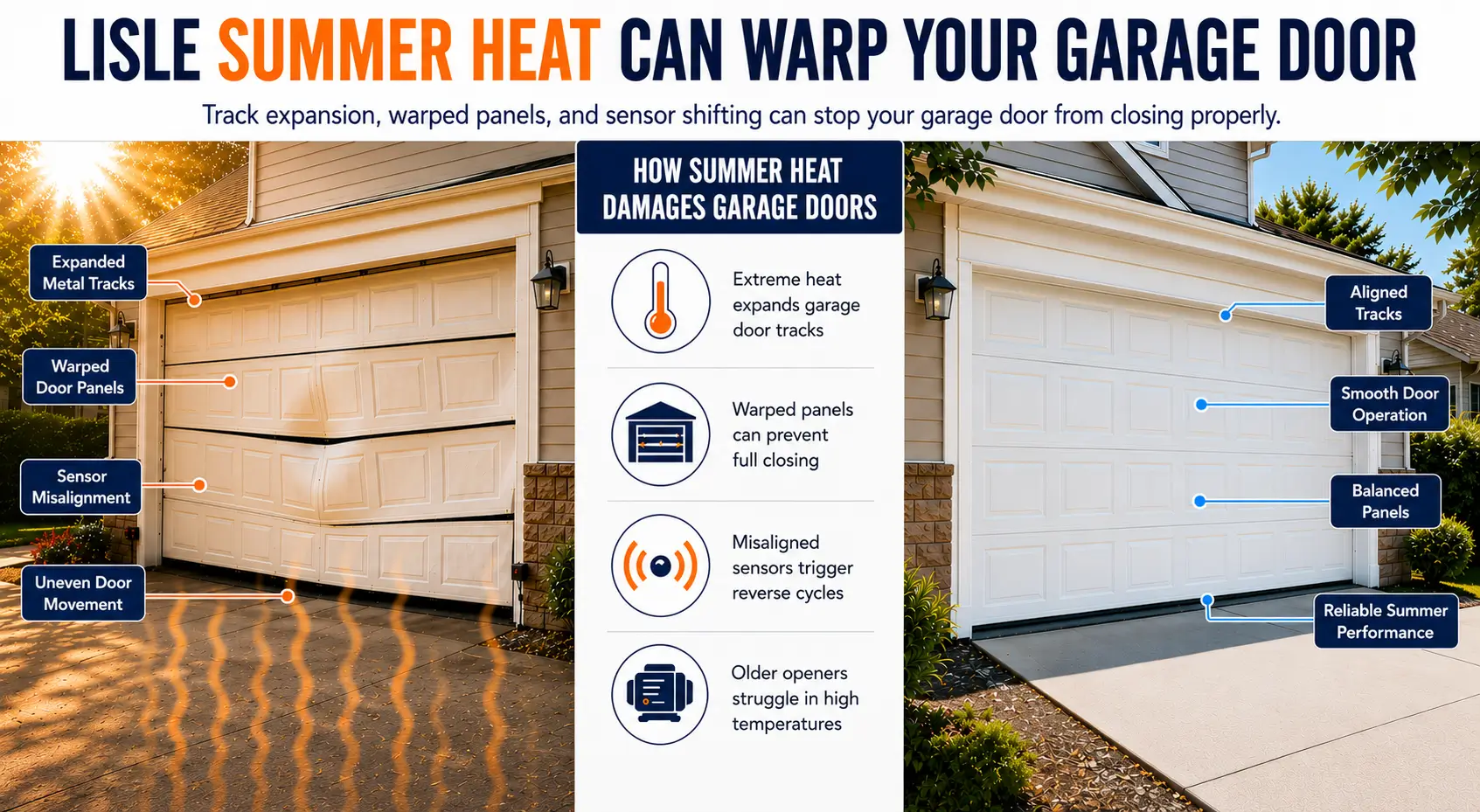
Most garage door systems are made from a combination of metal and plastic components. Both materials are subject to thermal expansion, they expand when heated and contract when cooled. In extremely hot weather, metal tracks, rollers, and the door panels themselves can expand. This expansion can cause the garage door to fit more snugly within its frame. If the fit becomes too tight, it can create binding, where the door encounters resistance as it moves. This increased resistance puts extra strain on the opener’s motor, potentially leading to overheating or the opener struggling to lift or lower the door. Similarly, plastic components can warp or become more pliable, affecting the precise fit of gears within the opener mechanism.
Power Supply Issues
While less direct, extreme heat can also indirectly affect garage door opener performance through the power grid. During hot spells, demand for electricity surges as people run air conditioners and other cooling devices. This increased demand can lead to voltage drops or brownouts. A garage door opener that is already struggling due to heat might be particularly sensitive to fluctuations in voltage. Insufficient power can prevent the motor from engaging properly or cause it to operate with less torque, leading to a failure to open or close the door.

Credit: okdiscountgaragedoor.com
Common Symptoms Of A Garage Door Opener Failing In Heat
When your garage door opener starts acting up in hot weather, it often presents with a set of recognizable symptoms. Recognizing these signs early can help you diagnose the problem and take appropriate action before you’re completely locked out or in.
These symptoms are direct indicators that the heat is affecting the opener’s ability to function correctly.
Inconsistent Remote Response
One of the first signs you might notice is an inconsistent response from your remote control or wall button. You press the button, and nothing happens. You press it again, and it might work, or it might take several attempts. This erratic behavior is often linked to the electronic components on the opener’s logic board becoming heat-sensitive. The signal from the remote might be received, but the board struggles to process it correctly due to elevated temperatures.
Opener Stops Mid-operation
Another common symptom is the garage door opener stopping suddenly while the door is in motion, either opening or closing. You might hear the motor strain for a moment before it shuts down completely. This is frequently a sign that the motor has overheated and triggered its internal thermal cut-off switch. The door will remain in its partially open or closed position until the motor cools down.
Unusual Noises Or Straining
An opener struggling with the heat might begin to make unusual noises. Instead of its usual smooth hum, you might hear grinding, whining, or straining sounds. These noises often indicate increased friction due to thinning lubricants or mechanical parts binding due to thermal expansion. The motor is working harder than usual, and you can often hear the difference.
Lights Not Working Or Flickering
The lights on the garage door opener unit might also act up. They may fail to turn on at all, flicker erratically, or stay on constantly. This is another symptom pointing towards issues with the electronic control board, where heat affects the performance of the lighting circuitry or the logic controlling it.
Door Moves Slowly Or Jerkily
In some cases, the door might still operate, but it will do so much slower than usual, or it might move in a jerky, uneven fashion. This sluggishness or jerky motion is a classic sign of increased friction in the system. The motor is fighting against more resistance, whether it’s from thinning lubricants or binding components, and can’t maintain a smooth, consistent speed.
Credit: innovativegaragedoor.com
Troubleshooting Steps For A Heat-stressed Opener
When your garage door opener refuses to cooperate on a scorching day, don’t panic. Many issues can be resolved with a few straightforward troubleshooting steps. These actions focus on identifying and mitigating the common heat-related problems without requiring extensive technical knowledge.
Allow The Opener To Cool Down
The simplest solution is often the most effective: give it a break. If the opener has stopped mid-operation, it’s likely due to thermal overload. Unplug the opener or turn off the circuit breaker that powers it. Then, wait for at least 30 minutes to an hour, or until the unit feels cool to the touch. Once cooled, try operating it again. This is particularly important if the opener has been used frequently on a very hot day.
Check For Obstructions And Binding
Heat can cause materials to expand, potentially leading to binding. Visually inspect the garage door tracks for any debris, such as small stones or debris, that might have become lodged. Also, check if the door itself seems to be sticking or binding in the frame. Try to move the door manually (after disengaging the opener, see below). If it feels exceptionally heavy or difficult to move, there might be a mechanical issue exacerbated by the heat. You can learn more about how to open your garage door manually if needed.
Verify Power Supply
Ensure the opener is receiving adequate power. Check that the unit is plugged in securely. If you suspect voltage issues, check other electrical devices in your home to see if they are also experiencing problems. You can also try resetting the circuit breaker that controls the garage door opener. Sometimes, a simple breaker reset can resolve temporary power-related glitches.
Inspect The Trolley And Chain/belt
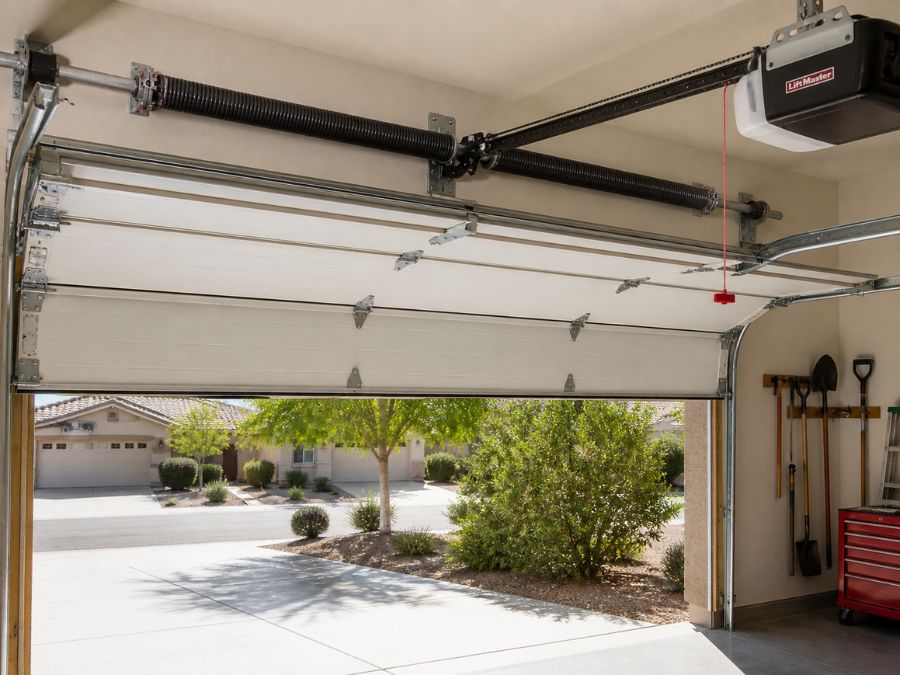
The trolley is the component that moves along the opener’s rail, connected to the door via a chain or belt. Ensure the trolley is properly engaged with the chain or belt and that there are no obstructions preventing its movement. If you have a chain-driven opener, check the chain tension. While this is usually an adjustment for smooth operation, severe heat could theoretically affect tension, though it’s less common. You can learn how to adjust the chain if it appears excessively loose or tight.
Examine The Remote And Wall Button
If the issue seems to be with the remote or wall button not working, try these steps:
- Replace the remote battery: A weak battery can sometimes lead to inconsistent performance, especially if the opener’s electronics are also stressed.
- Reprogram the remote or keypad: Sometimes, the connection between the remote and the opener can be lost due to electronic glitches. Try reprogramming your remote or keypad. For Liftmaster, you might need to reset the Liftmaster remote. For other brands, general reprogramming guides are available. Resetting a garage door remote is often a quick fix.
Credit: geckogarage.com
Addressing Mechanical Issues Exacerbated By Heat
Beyond the immediate electronic or motor overheating, extreme heat can reveal or worsen underlying mechanical issues within the garage door system. These problems often involve increased friction, misalignment, or strain on components that are already working hard to move the door against the resistance of the warm air and potentially expanded materials.
The Role Of Lubrication In High Temperatures
As mentioned, heat thins out lubricants. This thinning increases friction between moving parts, such as the rollers, hinges, and the opener’s chain or belt. Insufficient or degraded lubrication means the motor has to exert more force to overcome this resistance. In hot weather, this added strain can quickly lead to motor overheating.
Pro Tip: Ensure you are using the correct type of lubricant for your garage door system. Silicone-based sprays are generally recommended for garage doors, as they perform well in a wide temperature range and don’t attract dust like petroleum-based products. Regular lubrication is key. You can find detailed guidance on lubricating garage door rollers.
Thermal Expansion And Component Fit
The expansion of metal and plastic parts in high heat can lead to a phenomenon known as binding. This is when components that are normally spaced slightly apart press against each other due to expansion.
- Tracks: Garage door tracks can expand, making them narrower or causing slight warping, which increases friction for the rollers.
- Rollers and Hinges: These can become tight, impeding smooth rotation.
- Door Panels: The panels themselves can expand, causing the door to become a tighter fit within the frame.
If you notice the door is harder to move manually or seems to catch on something, this binding is a likely culprit. Addressing this often involves ensuring the tracks are clean and properly aligned, and that the rollers are in good condition.
Chain And Belt Tension Adjustments
While less common as a direct heat-induced problem, the tension of the opener’s chain or belt can affect how hard the motor works. If a chain is too loose, it can slip, and if it’s too tight, it puts undue stress on the motor and gears. Extreme temperature fluctuations, even over a single day, could theoretically cause minor shifts in tension for some materials. However, it’s more likely that an existing tension issue becomes more problematic when the motor is already stressed by heat. Proper tension ensures efficient power transfer from the motor to the door.
Gear Wear And Opener Strain
The internal gears within the garage door opener motor are crucial for its operation. If these gears are worn, or if the lubricant within the opener unit itself is degraded, the motor will have to work harder. In hot weather, this increased workload can accelerate wear and tear and contribute significantly to overheating. A worn gear might also start to slip or grind under load, producing new, concerning noises.
When To Call A Professional
While many heat-related garage door opener issues can be troubleshooted at home, there are times when it’s best to call a qualified garage door technician. If you’ve tried the basic troubleshooting steps and the problem persists, or if you suspect a more serious mechanical or electrical issue, professional help is recommended.
Signs You Need Professional Assistance
- Persistent Motor Issues: If the opener motor continues to overheat and shut down after cooling periods, or if it makes loud grinding or burning smells, it may require professional diagnosis or repair.
- Mechanical Binding: If you’ve checked for obvious obstructions and the door still binds significantly, there might be an issue with track alignment, roller damage, or even the torsion springs, which are under significant tension and should only be handled by professionals.
- Electrical Problems: If you suspect an electrical fault beyond a simple breaker reset, or if the logic board appears damaged, a professional electrician or garage door technician is needed. Do not attempt to repair the logic board yourself.
- Repeated Failures: If your opener consistently fails in hot weather, even after basic maintenance, it might indicate an underlying design flaw or wear that a professional can identify and fix.
- Lack of Confidence: If you’re uncomfortable performing any of the troubleshooting steps, or if you’re unsure about the cause of the problem, it’s always safer to call an expert.
Benefits Of Professional Maintenance
Regular professional maintenance can often prevent heat-related failures before they occur. A technician can:
- Inspect and properly lubricate all moving parts.
- Check and adjust spring tension.
- Ensure tracks are clean, aligned, and free of obstructions.
- Test the motor and electrical components for signs of wear or overheating.
- Identify potential issues before they become major problems.
Investing in professional maintenance, especially before the peak of summer, can save you the frustration and potential expense of dealing with a malfunctioning opener during the hottest part of the year. The cost of a professional tune-up is often far less than emergency repair services.
For example, the national average cost for garage door repair can range from $150 to $350, with some complex repairs costing upwards of $1,000, according to various home service cost estimators.
Preventative Measures For Hot Weather Garage Door Opener Reliability
Proactive maintenance is the most effective strategy to ensure your garage door opener performs reliably, even when temperatures climb. By addressing potential issues before they become critical, you can avoid the inconvenience and potential security risks associated with a non-functional garage door.
These measures focus on keeping the system running smoothly and efficiently, reducing the strain that heat can place on its components.
Regular Lubrication Schedule
Consistent lubrication is paramount. Apply a silicone-based lubricant to the opener’s chain or belt, as well as to the hinges and rollers of the garage door itself, at least twice a year. Many experts recommend a quarterly schedule. This ensures that moving parts have a protective layer to reduce friction, especially important as lubricants thin in the heat. Don’t forget to lubricate the trolley mechanism where it slides along the rail. This is a step often overlooked, but crucial for smooth operation.
Cleaning Tracks And Rollers
Keep the garage door tracks and rollers free of dirt, dust, and debris. Accumulated grime can increase friction and strain the opener. Periodically wipe down the tracks and rollers with a dry cloth. If you notice any rust or buildup, a wire brush can help remove it before you lubricate. Clean rollers ensure the door glides smoothly, reducing the workload on the motor.
Checking And Adjusting Tensions
Periodically check the tension of the opener’s chain or belt. If it appears too loose, it can cause the opener to slip or fail to engage properly. If it’s too tight, it can put excessive strain on the motor and gears. Refer to your owner’s manual for specific adjustment instructions, or consult a professional. Similarly, ensure the torsion springs (if applicable) are in good condition and properly tensioned, as these are critical for balancing the door’s weight.
Inspecting The Motor Unit
Keep the motor unit itself clean and free of cobwebs or debris. Ensure the vents are clear to allow for proper air circulation, which helps prevent overheating. Listen for any unusual noises during operation, grinding, squealing, or clicking can indicate worn gears or other internal problems that should be addressed before they worsen.
Testing Safety Features
Regularly test your safety reversal system. Most openers have a safety reversing sensor at the bottom of the door. Place a piece of wood (about 1.5 inches thick) on the ground in the door’s path and try to close the door. The door should automatically reverse upon contact. If it doesn’t, the sensor may need adjustment or cleaning, or there might be an issue with the opener’s logic board. This is a critical safety feature that should always be functioning correctly, regardless of the weather.
Consider Opener Age And Efficiency
If your garage door opener is over 10-15 years old, it might be nearing the end of its typical lifespan. Older models are often less energy-efficient and may not have the advanced thermal protection features found in newer units. If you’re experiencing frequent issues, especially during hot weather, it might be time to consider replacing your opener. Newer models often come with quieter operation, better security features, and improved resistance to environmental factors. The average cost for a new garage door opener installation can range from $300 to $700, depending on the brand and features, according to home improvement cost guides.
Emergency Manual Operation
In situations where your garage door opener fails completely due to heat or any other reason, knowing how to operate your garage door manually is essential. This ensures you can still access your home or vehicle. Most modern openers have a quick-release mechanism that allows you to disengage the opener from the door.
How To Disengage The Opener
- Locate the Emergency Release Cord: This is typically a red cord hanging from the opener’s trolley mechanism.
- Pull the Cord: Pull the cord down and slightly back towards the opener motor. You should hear or feel a click as the trolley disengages from the chain or belt.
- Manually Lift the Door: Once disengaged, the garage door can be lifted or lowered by hand. It should move relatively smoothly if the springs are properly balanced. If the door is very heavy or difficult to lift, do not force it, as this could indicate a problem with the door’s balance or springs, which requires professional attention.
Re-engaging The Opener
To re-engage the opener after manual operation:
- Ensure the Door is Closed (or in a safe position): It’s often easiest to re-engage when the door is fully closed or fully open.
- Pull the Release Cord Again (or follow specific instructions): Some systems require another pull of the cord, while others might have a lever or button. Consult your opener’s manual for specific instructions.
- Reconnect the Trolley: You may need to manually move the trolley back into position to reconnect it with the chain or belt.
- Test the Opener: Once re-engaged, operate the opener using the remote or wall button to ensure it’s working correctly.
Warning: Never attempt to adjust or tamper with the torsion springs or extension springs that counterbalance the garage door. These springs are under immense tension and can cause serious injury if mishandled. Always leave spring adjustments to trained professionals.
Frequently Asked Questions
Why Does My Garage Door Opener Only Work Sometimes In Hot Weather?
This intermittent functionality is often due to thermal overload protection in the opener’s motor. When the