
The distinct *click* of a garage door opener, followed by silence instead of the familiar hum of machinery and the smooth ascent of your garage door, is a universally frustrating sound. It’s a common problem that can leave you stranded, late for appointments, or concerned about your home’s security.
This unexpected pause in your daily routine often signals a mechanical or electrical issue that needs prompt attention. Understanding the potential causes behind this single *click* is the first step toward a swift resolution, whether it’s a simple fix you can handle yourself or a sign that it’s time to call in a professional.
Key Takeaways
- A single click from your garage door opener usually indicates a power issue, a problem with the remote or wall button, or a safety sensor obstruction.
- Troubleshooting steps should begin with the simplest solutions: Checking power, batteries, and remote signal.
- Safety sensors are a common culprit, and their alignment or obstruction can prevent the door from operating.
- Internal motor issues or worn-out drive components (like gears or belts) can also cause the opener to click without moving the door.
- Force limit settings that are too low can cause the opener to stop prematurely, mimicking a click and stop scenario.
- Regular maintenance, including lubrication and inspection of moving parts, can prevent many of these issues.
Understanding The Garage Door Opener’s Click
When you press the button on your garage door remote or the wall-mounted opener, you’re sending a signal to the motor unit. This signal initiates a sequence of events: the motor engages, it pulls a chain or belt, or turns a screw, which in turn moves the garage door. A single *click* suggests that the opener received the signal and attempted to engage, but something prevented the actual movement of the door. It’s like turning a key in a car and hearing the starter engage, but the engine doesn’t turn over.
The click itself is often the sound of the solenoid or relay within the opener’s logic board attempting to engage the motor or activate a specific function. If the motor doesn’t then spin or the drive mechanism doesn’t engage, it means the signal was received, but the subsequent action was interrupted or impossible. This interruption is the key to diagnosing the problem. The issue could be external, such as a blocked path, or internal, related to the opener’s mechanics or electronics.

Credit: randrdoors.com
Common Causes For A Garage Door Opener’s Single Click
The most frequent reasons for your garage door opener to emit a single *click* without operating are rooted in power delivery, signal reception, safety mechanisms, or mechanical obstructions. Pinpointing the exact cause often involves a process of elimination, starting with the easiest checks.
Power And Remote Issues
The most basic troubleshooting starts with ensuring the opener has the necessary power and that the signal is being sent correctly.
- No Power to the Opener: While seemingly obvious, it’s crucial to verify that the opener unit itself is receiving power. Check if the motor unit is plugged in and if the circuit breaker for the garage has tripped. Sometimes, a power surge or a simple electrical issue can cut power to the opener. If the light on the motor unit is off, this is a primary suspect.
- Dead Remote Batteries: The remote control is the most common way to activate the opener. If the batteries are dead or weak, the remote might still send a weak signal that the opener registers as a *click* (indicating it heard *something*), but it’s not strong enough to fully engage the motor. Try replacing the batteries in your remote. If you have multiple remotes, test them all.
- Remote Signal Interference or Malfunction: In rare cases, radio frequency interference can disrupt the signal from your remote. More commonly, the remote itself might be malfunctioning. If replacing batteries doesn’t help, consider reprogramming the remote. For LiftMaster openers, you might need to reset the Liftmaster garage door opener remote. For other brands, the process to reset a garage door remote is often similar.
Safety Sensor Problems
Garage door openers are equipped with safety sensors located near the bottom of the tracks on each side of the garage door. These sensors are designed to prevent the door from closing if an obstruction is detected. If these sensors are misaligned, dirty, or malfunctioning, they can trick the opener into thinking there’s an obstruction, even when there isn’t.
- Misaligned Safety Sensors: The most common issue is misalignment. The two sensors must be perfectly lined up for the infrared beam between them to be unbroken. If they are even slightly off, the opener will not operate. Look for indicator lights on the sensors; usually, one light is solid, and the other blinks if the beam is interrupted. If both are off or blinking erratically, misalignment is likely. Gently adjust them until the indicator lights show a proper connection.
- Blocked Safety Sensors: Anything obstructing the beam between the sensors, a dust bunny, a cobweb, a tool left on the floor, or even direct sunlight in some cases, can trigger the safety mechanism. Visually inspect the sensors and the area between them. Clean them with a soft cloth.
- Damaged Safety Sensors: If the sensors have been hit or damaged, they might require replacement. This is less common than misalignment but can happen.
Internal Opener Mechanism Issues
Beyond power and safety signals, the internal workings of the opener unit itself can be the source of the *click*.
- Worn-Out Drive Gears: Inside the opener’s motor unit, plastic gears transmit power from the motor to the chain, belt, or screw drive. Over time, these gears can wear down or strip, especially in older or heavily used openers. When you press the button, the motor might spin, but if the gears are stripped, they can’t engage the drive mechanism, resulting in a *click* as the motor turns freely. This often requires replacing the gear kit or the entire opener.
- Motor Capacitor Failure: The start capacitor in the motor helps give the motor the initial jolt of power it needs to start turning. If this capacitor fails, the motor might not have enough power to engage, even though the logic board is trying to send the signal. You might hear a click from the relay attempting to start the motor, but the motor itself won’t spin. This is a repair that typically requires a qualified technician.
- Logic Board Issues: The logic board is the “brain” of the garage door opener, interpreting signals from remotes and sensors and controlling the motor. A faulty logic board can malfunction, sending the signal to engage but failing to properly activate the motor or other components. This can manifest as a single *click*. Sometimes, a power surge can damage the logic board.
Mechanical Obstructions And Balance Issues
The opener is designed to lift and lower a properly balanced garage door. If the door itself is experiencing issues, the opener might struggle or refuse to move it.
- Obstructed Door Tracks: The garage door travels along vertical and horizontal tracks. If these tracks are bent, dented, or blocked by debris, the door can become stuck. When the opener tries to lift it, the resistance can be too great, causing the opener to click and stop. Check the tracks for any obstructions or damage.
- Broken or Stretched Torsion Spring: The torsion spring (or extension springs on some systems) is the primary mechanism that balances the weight of the garage door, making it easier for the opener to lift. If a torsion spring breaks or becomes significantly stretched, the door will be extremely heavy. The opener’s safety mechanism might detect this excessive load and prevent operation, or the opener’s internal components might be unable to overcome the added weight, resulting in a click. Warning: Torsion springs are under extreme tension and can be very dangerous. Do not attempt to adjust or repair them yourself.
- Binding Rollers or Hinges: If the rollers that guide the door along the tracks are worn out, or if the hinges are stiff or damaged, the door can bind. This creates resistance that the opener struggles with. You can manually test for binding by trying to move the door up and down (with the opener disengaged). If it feels heavy or catches at any point, this could be the issue. Ensuring your rollers and hinges are properly lubricated, as outlined in guides on lubricating garage door rollers, can help prevent this.
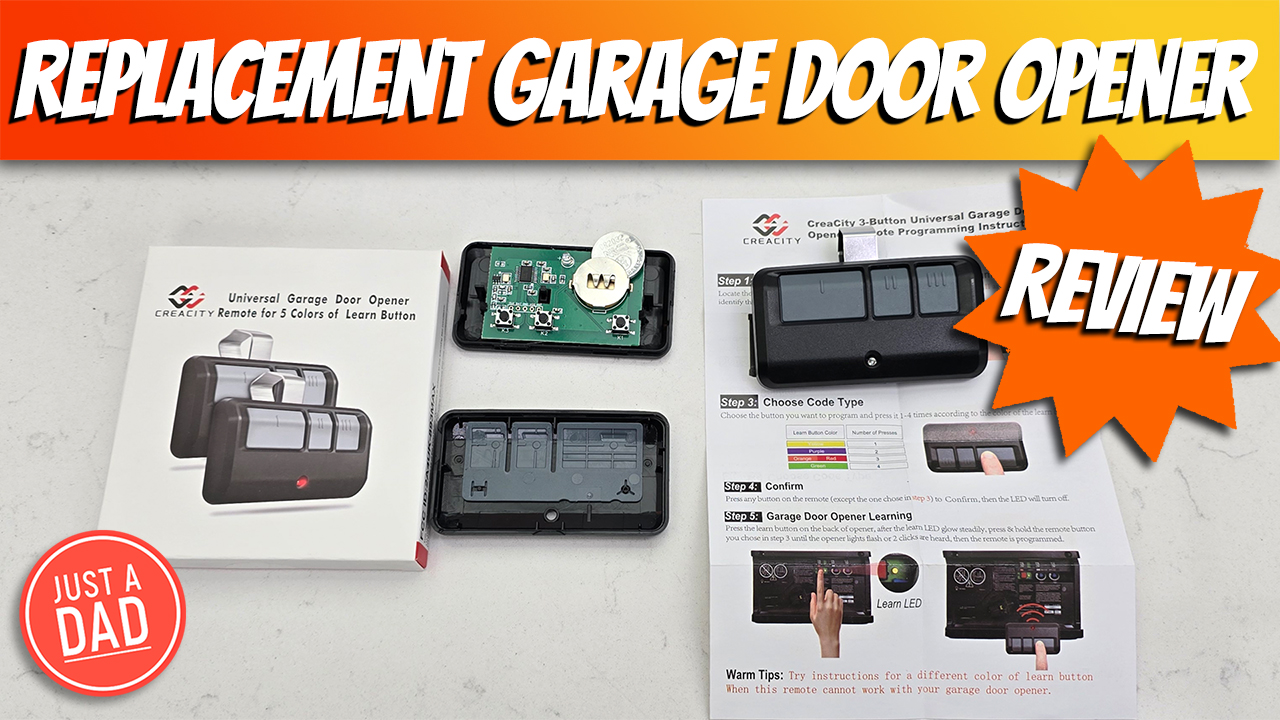
Credit: www.amazon.com
Troubleshooting Steps: A Systematic Approach
When your garage door opener just clicks, a methodical approach to troubleshooting can save you time and money. Start with the simplest checks and gradually move to more complex possibilities.
Step 1: Check The Basics (power And Remote)
- Verify Opener Power:
- Look for an indicator light on the opener motor unit. If it’s off, check the power cord to ensure it’s plugged in securely.
- Locate your home’s circuit breaker panel and check the breaker that controls the garage. If it’s tripped, reset it. If it trips again immediately, there may be an electrical short that requires professional attention.
- Test the Remote:
- Replace the batteries in your remote control. This is the most frequent fix for remote-related issues.
- If you have a keypad, try using it. If the keypad works, the issue is likely with the remote. If neither works, the problem is likely with the opener unit or sensors.
- Try a second remote if you have one. If the second remote works, the first remote may be faulty or need reprogramming. You can often reset a Craftsman garage door remote or follow similar procedures for other brands.
- Check the Wall Button:
- Press the wired wall button inside your garage. If this works, the problem is likely with your remotes or the opener’s receiver. If the wall button also only produces a click, the issue is more likely with the opener unit or safety sensors.
Step 2: Inspect The Safety Sensors
This is a critical step for openers that click but don’t move.
- Locate Sensors: Find the two small safety sensors at the bottom of the garage door tracks on either side.
- Check Indicator Lights: Observe the indicator lights on each sensor.
- Typically, one sensor (the sender) has a solid light, and the other (the receiver) has a solid light when the beam is unobstructed.
- If the receiver light is off or blinking, the beam is broken. This could be due to misalignment, obstruction, or a faulty sensor.
- Clean the Sensors: Use a soft, dry cloth to wipe away any dust, dirt, or cobwebs from the sensor lenses.
- Check for Obstructions: Ensure nothing is physically blocking the path between the two sensors, no tools, sports equipment, or debris.
- Realign the Sensors: If the lights indicate a broken beam, gently adjust the position of the sensors. Often, you’ll need to slightly pivot one or both sensors until the indicator lights show a solid connection. This process might vary slightly depending on your opener model, but the principle remains the same. For specific adjustments, consult your opener’s manual.
Step 3: Manually Operate The Garage Door
To diagnose issues with the door itself or the opener’s drive mechanism, you need to disconnect the opener and try to move the door by hand.
- Disengage the Opener: Locate the emergency release cord (usually a red rope hanging from the opener’s trolley). Pull this cord down and away from the motor unit to disengage the door from the opener. You should now be able to lift and lower the door manually. Opening your garage door manually is straightforward once disengaged.
- Test Door Balance and Movement:
- Lift the door halfway. If it stays in place, it’s properly balanced. If it slams down or springs up, the torsion spring needs adjustment or replacement. Warning: Spring repair is dangerous and should only be done by a professional.
- Slowly open and close the door manually. Listen for grinding noises, squeaks, or stiff spots. This indicates problems with rollers, tracks, hinges, or cables. Address these issues by cleaning, lubricating (use appropriate lubricants for garage doors, not WD-40 on rollers), or repairing/replacing damaged parts. Proper lubrication of garage door rollers is essential for smooth operation.
Step 4: Examine The Opener’s Internal Components (advanced)
If the basic checks and manual door operation reveal no obvious issues, the problem might lie within the opener unit itself. This is where professional diagnosis is often recommended, but understanding the potential culprits is helpful.
- Listen Carefully: When you press the button, try to discern where the *click* is coming from. Is it from the motor housing? Does it sound like a relay engaging?
- Check the Drive Mechanism: With the opener disengaged, you can sometimes visually inspect the chain, belt, or screw drive for obvious damage or slack. A loose chain or belt, for example, might click when the motor tries to engage it. You may need to adjust the chain on your garage door opener if it’s too loose.
- Motor and Capacitor: If you suspect a motor issue or capacitor failure, these are internal components that are difficult and potentially dangerous to access without proper knowledge.
When To Call A Professional
While many garage door issues can be resolved with DIY troubleshooting, some problems require the expertise of a qualified garage door technician.
- Broken Torsion Springs: As mentioned, these are under immense tension and pose a significant safety risk. Never attempt to repair or replace them yourself.
- Electrical Issues: If you suspect a problem with the logic board, motor, or internal wiring, a professional has the tools and knowledge to diagnose and safely repair these components.
- Persistent Problems: If you’ve gone through the troubleshooting steps and the opener still only clicks, it’s time to call a pro. They have specialized diagnostic equipment and experience with a wide range of opener models.
- Difficulty with Manual Operation: If the garage door is extremely heavy, binds severely, or you cannot disengage the opener, it’s best to let a professional handle it to avoid further damage or injury.
The cost of a professional garage door repair can vary widely depending on the issue and your location. A simple sensor adjustment might be minimal, while replacing a motor or logic board can be more substantial. Understanding the potential costs can be helpful when budgeting for repairs, as explored in guides on garage door costs.
Maintenance Tips To Prevent Future Issues
Preventative maintenance is key to ensuring your garage door opener operates smoothly and reliably, avoiding common problems like the dreaded single *click*.
- Regular Lubrication: Lubricate rollers, hinges, and springs at least twice a year. Use a silicone-based lubricant or a specialized garage door lubricant. Avoid using household oils like WD-40 on rollers, as they can attract dust and grime.
- Inspect Moving Parts: Periodically check rollers, hinges, cables, and tracks for signs of wear, damage, or rust. Clean tracks and ensure rollers move freely.
- Check Safety Sensors: Regularly wipe down and check the alignment of your safety sensors. Ensure the indicator lights are functioning correctly.
- Test Opener Functionality: Monthly, test the safety reversal system by placing a 2×4 piece of wood flat on the ground in the door’s path. The door should reverse upon hitting the wood. Also, test the auto-reverse feature by holding the bottom edge of the door as it closes; it should stop and reverse.
- Listen for Changes: Pay attention to any unusual noises your opener or door makes. Squeaks, grinding, or clanking sounds can be early indicators of a problem that needs addressing before it leads to a complete failure.
Real-world Examples
To illustrate how these issues manifest, consider these scenarios:
Example 1: The Misaligned Sensor Scare
Sarah pressed her remote, and her garage door opener gave a single *click*. Frustrated, she tried again. Nothing. She checked the wall button, which also only clicked. Her first thought was a broken opener. However, before calling a technician, she remembered reading about safety sensors.
She walked to the garage door and noticed the small green light on one sensor was off, while the yellow light on the other was steady. A stray soccer ball had been left near the wall, slightly obstructing the beam.
She moved the ball, and the green light on the sensor illuminated. She pressed the remote, and the door opened perfectly. The issue was a simple obstruction, saving her a service call.
Example 2: The Worn-Out Gear Dilemma
Mark’s garage door opener started making a loud grinding noise followed by a *click* for several weeks. One day, it just clicked. He checked the batteries in his remote, the breaker, and even the safety sensors, all of which appeared fine.
He then disengaged the opener and tried to lift the door manually. It moved smoothly, indicating the door itself wasn’t the problem. Suspecting an internal issue, he contacted a local garage door repair company. The technician diagnosed a stripped gear in the opener’s motor unit.
The repair involved replacing the gear kit, resolving the *click* and restoring normal operation.
Frequently Asked Questions
Why Does My Garage Door Opener Click But Not Move When It’s Cold?
Cold weather can sometimes affect the lubrication on moving parts like rollers and tracks, making them stiffer. This increased resistance can cause the opener’s motor to struggle, and if the force limit settings are too low, it might trigger the safety mechanism or simply prevent the motor from engaging fully, resulting in a *click*. Additionally, extreme cold can sometimes affect the performance of the motor itself or the logic board. Ensure your door components are properly lubricated, and if the issue persists only in cold weather, consult your opener’s manual for temperature-related adjustments or consider professional inspection.
Can A Loose Chain Cause The Opener To Just Click?
Yes, a loose chain can definitely cause the garage door opener to click without moving the door. When the motor attempts to turn, the chain might slip on the sprocket, producing a clicking sound. If the chain is excessively loose, it may not have enough grip to engage the drive mechanism effectively. You might be able to fix this by adjusting the chain tension according to your opener’s manual, as detailed in guides on how to adjust the chain on a garage door opener. However, if the chain is significantly worn or damaged, it might need replacement.
My Garage Door Opener Clicks When I Try To Close It, But Not When I Open It. What Could Be Wrong?
This behavior often points to an issue with the closing force settings or the safety reversal system on the closing cycle. The opener might be detecting too much resistance when closing (perhaps due to binding in the tracks or rollers, or a slightly misaligned sensor) and engaging its safety stop. Conversely, the opening cycle might encounter less resistance. Check the door tracks for obstructions and ensure the rollers move freely. You may also need to check and adjust the force limit settings for the closing operation, but be cautious, as improper adjustment can be dangerous. If the problem persists, a technician can help diagnose specific issues with the closing cycle.
Is It Safe To Operate The Garage Door If It Only Clicks And Doesn’t Move?
It is generally not advisable to repeatedly try to operate a garage door opener that only clicks and doesn’t move. This often indicates an underlying problem that, if ignored, could lead to further damage to the opener or the door mechanism. For example, if the door is heavy due to a broken spring and the opener is repeatedly trying to lift it, it could burn out the motor. If the issue is a mechanical obstruction, repeated attempts could damage the opener’s drive system. It