
The sudden groan and resistance of a garage door as it begins its ascent can be a jarring start to your day. It’s a common problem: your garage door sticks when first opening. This isn’t just an annoyance; it can be a sign of underlying issues that, if left unaddressed, could lead to more significant damage or even a complete system failure. Understanding the potential causes and knowing how to troubleshoot them is crucial for maintaining your garage door’s functionality and ensuring your safety.
This article will guide you through the most frequent reasons your garage door might be sticking at the initial stages of opening. We’ll explore everything from simple lubrication needs to more complex mechanical and electrical faults. By systematically diagnosing the problem, you can often identify the culprit yourself and implement a solution, saving you time and money on professional repairs.
We’ll cover everything from worn-out parts and misaligned tracks to sensor issues and opener malfunctions, providing you with the knowledge to get your garage door moving smoothly again.
Key Takeaways
- Obstructions and Debris: The most common cause of a sticking garage door is physical blockages in the tracks or at the bottom seal.
- Lack of Lubrication: Moving parts, especially rollers and hinges, require regular lubrication to prevent friction and sticking.
- Worn or Damaged Rollers: Damaged, cracked, or seized rollers can prevent the door from moving freely.
- Bent or Misaligned Tracks: Tracks that are out of alignment or have dents can cause the rollers to jam.
- Tension Spring Issues: Broken or improperly tensioned springs can make the door feel excessively heavy, leading to sticking.
- Opener Malfunctions: Problems with the opener’s motor, gears, or logic board can affect its ability to lift the door smoothly.
- Safety Sensor Problems: Misaligned or obstructed safety sensors can cause the opener to reverse or halt the door’s movement.
- Weather Impact: Extreme temperatures can affect the garage door’s components, causing them to expand or contract and potentially stick.

Credit: www.youtube.com
Common Causes For A Sticking Garage Door
When your garage door hesitates or refuses to budge smoothly from its closed position, it’s usually due to a few primary culprits. These issues range from simple maintenance oversights to more serious mechanical failures. Identifying the exact cause is the first step toward a swift resolution.
Obstructions And Debris In The Tracks
Perhaps the simplest reason for a garage door sticking is the presence of physical obstructions. Small pebbles, dirt, leaves, or even ice can accumulate in the garage door tracks, preventing the rollers from moving freely. When the door is closed, these items can be easily lodged, and as the door begins to open, the rollers encounter resistance.
- Visual Inspection: Carefully examine both the vertical and horizontal sections of your garage door tracks. Look for any foreign objects that might be lodged inside.
- Cleaning the Tracks: Use a stiff brush or a putty knife to gently dislodge any debris. A vacuum cleaner can also be effective for removing loose dirt and dust. For stubborn grime, a damp cloth can be used, but ensure the tracks are thoroughly dried afterward to prevent rust.
- Bottom Seal Check: The rubber or vinyl seal at the bottom of your garage door can sometimes freeze to the concrete floor in cold weather or become stiff and resistant if it’s old and cracked. Ensure this seal is flexible and not obstructed by debris or ice.
Insufficient Lubrication Of Moving Parts
Garage doors are complex mechanisms with numerous moving parts that require regular lubrication to function efficiently. Over time, lubricant can dry out, evaporate, or become contaminated with dirt and grime, leading to increased friction. This friction is a primary cause of sticking, especially at the initial stage of opening when the door’s weight is most significant.
- Rollers: The rollers that guide the door along the tracks need to spin freely. If they are dry, they can bind, causing the door to stick.
- Hinges: The hinges connecting the vertical sections of the door also require lubrication to allow for smooth articulation.
- Springs: While not typically lubricated in the same way as rollers, the torsion and extension springs should be kept free of rust and corrosion, which can hinder their smooth operation.
A lack of lubrication can exacerbate wear on other components, leading to premature failure. For detailed guidance on this, refer to our article on how to lubricate garage door rollers.
Worn Or Damaged Rollers
Garage door rollers are critical components that allow the door to travel smoothly along its tracks. They are typically made of nylon or steel and have bearings that enable them to rotate. Over time, these rollers can wear down, crack, or seize up, leading to significant sticking.
- Nylon Rollers: These are quieter but can become brittle and crack, especially in extreme temperatures, or wear down over time.
- Steel Rollers: These are more durable but can rust and seize if not properly maintained, or if the bearings become damaged.
- Signs of Wear: Look for cracks in the nylon, rust on the metal shafts or bearings, or rollers that no longer spin freely when manually turned.
If a roller is significantly damaged, it can cause the door to bind, potentially damaging the tracks or even dislodging the door from its tracks. Replacing worn rollers is a relatively straightforward DIY task for many homeowners.
Bent Or Misaligned Tracks
The tracks are the pathways for the garage door rollers. If these tracks are bent, dented, or out of alignment, the rollers will encounter resistance as they try to navigate these imperfections. This is particularly noticeable when the door starts to open, as the initial movement requires precise alignment.
- Causes of Misalignment: Tracks can become misaligned due to impact (e.g., a car hitting the door), improper installation, or the house settling over time.
- Identifying the Problem: Visually inspect the tracks for any obvious bends, dents, or signs that they are not parallel. A slight misalignment might cause a subtle sticking, while a significant bend can cause the door to jam completely.
- Correction: Minor bends might be carefully straightened with a rubber mallet or adjustable wrench. However, if the tracks are severely damaged or the misalignment is significant, professional adjustment or replacement may be necessary. It’s crucial that the tracks are perfectly parallel and level for smooth operation.
Problems With Garage Door Springs
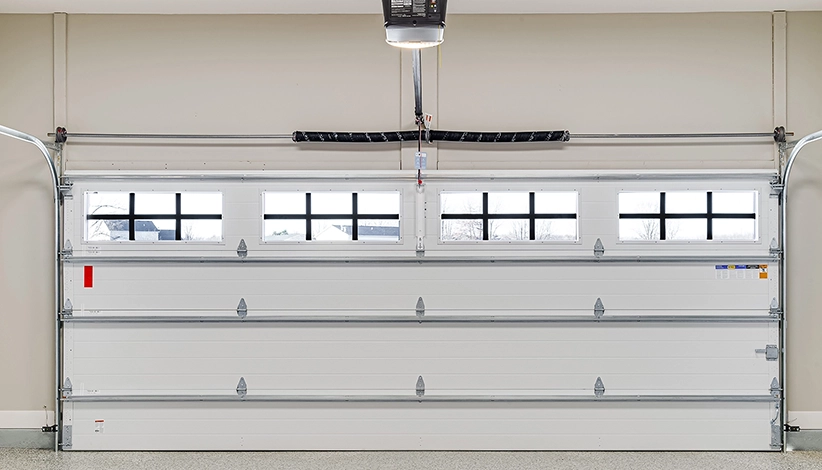
Garage door springs are under immense tension and are essential for counterbalancing the weight of the door. This counterbalance makes it easier for the opener to lift the door and for you to open it manually. If the springs are broken, weakened, or improperly tensioned, the door will feel extremely heavy, leading to sticking.
- Torsion Springs: These are mounted above the garage door opening on a bar. If one breaks, the door will likely sag on one side and be very difficult to lift.
- Extension Springs: These run parallel to the tracks. If they break or lose tension, the door will feel heavy and may not lift evenly.
- Warning: Garage door springs are under high tension and can cause serious injury if handled improperly. Never attempt to adjust or repair springs yourself unless you have the proper training and safety equipment. If you suspect a spring issue, it is best to call a professional.
Garage Door Opener Issues
While the door might stick initially due to mechanical issues, sometimes the problem lies with the garage door opener itself. The opener is responsible for providing the initial force to lift the door. If it’s not functioning correctly, the door may not move or will move with difficulty.
- Drive Mechanism: The gears inside the opener’s motor can wear out or break. This can result in a grinding noise or a lack of power to lift the door.
- Limit Settings: The opener has settings that determine how far the door opens and closes. If these limits are improperly set, the opener might stop the door prematurely or cause it to struggle. Adjusting these can often resolve sticking issues related to the opener’s operation. For LiftMaster openers, you might need to reset the remote as part of troubleshooting.
- Logic Board: The electronic control board can malfunction, leading to erratic behavior, including the door sticking.
- Force Settings: Similar to limit settings, the opener has force adjustments. If the force required to open the door exceeds the opener’s set limit, it will stop or reverse.
Credit: www.clopaydoor.com
Diagnosing The Sticking Point
Pinpointing exactly *when* and *where* the garage door sticks is crucial for effective troubleshooting. This involves a systematic approach, combining visual inspection with functional testing.
Manual Operation Test
Before involving the opener, it’s vital to test the door’s movement manually. This helps isolate whether the problem is with the door mechanism itself or the opener.
- Disengage the Opener: Locate the emergency release cord, usually a red rope hanging from the opener’s trolley. Pull it firmly to disengage the opener from the door. You should now be able to lift the door by hand.
- Lift the Door Slowly: Grasp the handle of the garage door and attempt to lift it slowly.
- If the door lifts smoothly and easily: The problem is likely with the garage door opener or its settings. Proceed to check opener-related issues.
- If the door feels extremely heavy, jerky, or sticks significantly: The issue is mechanical, related to the door itself, its tracks, springs, or rollers.
Inspecting Tracks And Rollers Closely
When the door is manually operated and exhibits sticking, a close inspection of the tracks and rollers is the next logical step.
- Track Condition: Run your fingers along the inside of the tracks. Feel for any rough spots, dents, or foreign objects. Ensure the vertical tracks are plumb and the horizontal tracks are level.
- Roller Movement: As you manually lift the door, observe each roller. Does it rotate freely? Does it seem to bind or jump out of the track? Pay attention to the rollers at the top of the door’s travel, as they often bear the most weight and stress.
- Hinge Check: Inspect the hinges connecting the door panels. Are they bent, rusted, or loose? Do they allow the panels to articulate smoothly?
Checking The Springs And Cables
The springs and cables are under high tension and are critical for the door’s balance.
- Visual Spring Inspection: Look for any signs of breakage or severe corrosion on the torsion or extension springs. A broken spring will have a visible gap.
- Cable Tension: Ensure the cables attached to the bottom corners of the door are taut and not frayed. These cables work in conjunction with the springs to lift and lower the door.
- Balance Test: With the opener disengaged, lift the door halfway. If it stays in place without trying to spring shut or fall, it’s well-balanced. If it drifts significantly up or down, the springs may need adjustment or replacement, indicating a potential cause for sticking due to excessive weight.
Assessing Opener Performance
If the door operates smoothly manually but sticks with the opener, the opener system is the likely culprit.
- Listen for Unusual Noises: When you try to open the door with the opener, listen for grinding, clicking, or straining sounds. These can indicate worn gears, a failing motor, or an obstruction within the opener mechanism.
- Check the Drive Chain/Belt: If you have a chain or belt-driven opener, ensure it’s properly tensioned. A loose chain or belt can slip, preventing the trolley from moving the door effectively. Refer to guides on adjusting the chain or belt for smooth operation.
- Safety Sensor Alignment: The safety sensors located near the bottom of the tracks are designed to reverse the door if an obstruction is detected. If these sensors are misaligned, dirty, or blocked, they can falsely signal an obstruction, causing the door to stop or reverse. Check for indicator lights on the sensors; they should typically be lit steadily when aligned.

Credit: www.insulationmarketplace.com
Lubrication And Maintenance For Smooth Operation
Preventative maintenance, particularly regular lubrication, is key to avoiding a garage door that sticks. Keeping the moving parts well-oiled reduces friction and wear, ensuring a smoother, quieter operation.
What To Lubricate
Not all parts of a garage door require lubrication, and using the wrong type of lubricant can do more harm than good. Focus on the following:
- Rollers: Apply a silicone-based spray lubricant or a light lithium grease to the bearings and shafts of the rollers. Avoid WD-40 for long-term lubrication, as it can attract dust and dry out quickly.
- Hinges: Lubricate the pivot points of the hinges where the panels connect.
- Tracks: While not typically lubricated in the same way as rollers, a light spray of silicone lubricant on the inside surface of the tracks can sometimes help rollers glide more smoothly, especially if they tend to squeak. However, excessive lubricant can attract dirt.
- Opener Chain/Sprocket: If you have a chain-driven opener, lubricate the chain and sprocket assembly with a garage door specific lubricant or white lithium grease.
How Often To Lubricate
The frequency of lubrication depends on your climate and how often you use your garage door.
- General Recommendation: Lubricate your garage door components every 6 to 12 months.
- Harsh Climates: In areas with extreme temperatures, high humidity, or coastal salt spray, you may need to lubricate more frequently, perhaps every 3 to 6 months.
- Signs of Need: If your door starts to make squeaking or grinding noises, or if you notice increased resistance when operating it manually, it’s a sign that lubrication is needed.
Beyond Lubrication: Other Maintenance Tips
- Tighten Hardware: Periodically check and tighten any loose bolts or screws on the tracks, hinges, and opener mounts.
- Inspect for Rust: Address any signs of rust on metal components, especially springs and tracks, by cleaning them and applying a rust inhibitor or lubricant.
- Clean Tracks: Regularly clear debris from the tracks to prevent obstructions.
- Check Weather Stripping: Ensure the bottom weather seal is intact and flexible. Replace it if it’s cracked or brittle.
For a comprehensive guide, you can explore how to lube garage door rollers for smooth, quiet operation.
Addressing Specific Component Failures
When basic maintenance doesn’t resolve the sticking issue, it’s time to consider failures within specific components. These often require more targeted repair or replacement.
Roller Replacement
If your inspection reveals cracked, seized, or severely worn rollers, replacing them is often necessary.
- Safety First: Disengage the opener and ensure the door is securely propped open or closed to prevent unexpected movement.
- Remove Old Rollers: Loosen the bolts holding the roller bracket and slide the roller out of the track. For rollers at the top of the track, you may need to slightly lift or bend the track to remove them.
- Install New Rollers: Slide the new roller into place and re-secure the bracket. Ensure the roller spins freely.
- Test: Manually operate the door to ensure the new rollers move smoothly.
Track Realignment Or Replacement
Bent or misaligned tracks are a common cause of sticking and can also damage rollers and the opener over time.
- Minor Bends: Small kinks can sometimes be carefully hammered out with a rubber mallet.
- Misalignment: Tracks can be adjusted by loosening mounting bolts, repositioning the track, and retightening. Ensure both tracks are perfectly parallel and level.
- Severe Damage: If tracks are significantly bent, dented, or corroded, replacement is usually the best option. This is often a job best left to professionals due to the precision required.
Spring And Cable Issues
As mentioned, spring and cable issues are serious due to the high tension involved.
- Broken Springs: A broken spring must be replaced by a qualified technician. The tension is immense, and improper handling can lead to severe injury or death.
- Weakened Springs: If springs have lost tension over time, they can make the door feel heavy and difficult to lift, causing sticking. A professional can adjust the tension or replace the springs.
- Cable Problems: Frayed or broken cables also require professional attention, as they are critical to the door’s balance and safe operation.
Opener Motor And Gearbox Problems
The opener’s internal mechanisms can fail, leading to sticking.
- Worn Gears: The plastic or metal gears inside the opener’s gearbox can strip or wear down, causing grinding noises and a loss of power. Replacing the gearbox or the entire opener may be necessary.
- Motor Failure: The motor itself can overheat or burn out. If the opener hums but doesn’t move the door, or makes no sound at all, the motor might be the issue.
- Trolley Issues: The trolley that connects the opener to the door can become damaged or detached.
If the opener is old or has multiple issues, the cost of repair might approach that of a new opener. Consider this when evaluating repair options. You may also need to reset your garage door opener as a first step for some electronic glitches.
When To Call A Professional
While many common garage door issues can be addressed with DIY skills and a bit of effort, some problems require the expertise of a trained professional. Knowing when to call for help is crucial for safety and to prevent further damage.
Safety Concerns
- Springs and Cables: As repeatedly emphasized, never attempt to adjust, repair, or replace garage door springs or cables yourself. The risk of serious injury is extremely high.
- Electrical Issues: If you suspect electrical problems with the opener beyond simple resets or sensor cleaning, it’s best to consult an electrician or a garage door technician experienced with opener systems.
Complex Mechanical Failures
- Severely Damaged Tracks: If tracks are significantly bent, dented, or detached from the wall, professional realignment or replacement is usually necessary to ensure proper door operation and prevent it from coming off its tracks.
- Opener Gearbox or Motor Failure: While some minor opener adjustments are DIY-friendly, internal gearbox or motor failures often require specialized tools and knowledge for repair or replacement.
Lack Of Experience Or Tools
If you are uncomfortable working with heavy components, lack the necessary tools (like specialized wrenches or ladders), or are unsure about the diagnosis, it’s always safer to call a professional. Garage doors are heavy, and mistakes can be costly or dangerous.
Cost-benefit Analysis
Sometimes, the cost of professional repair for a minor issue might be comparable to the cost of a new, more reliable component or opener. A professional can provide an honest assessment of whether a repair is cost-effective or if replacement is a better long-term solution. For context, understanding how much a garage door costs can help in making informed decisions about repairs versus replacements.
Frequently Asked Questions
Why Does My Garage Door Only Stick When It’s Cold Outside?
Cold weather can cause metal components to contract and lubricants to thicken, increasing friction. Rubber seals can also become less pliable and stick to the concrete. In some cases, the opener motor may struggle more in colder temperatures due to the increased resistance.
Ensuring all parts are properly lubricated with a cold-weather-appropriate lubricant and checking the flexibility of the bottom seal can help.
Can A Loose Chain On My Garage Door Opener Cause It To Stick?
Yes, a loose chain can cause the opener to struggle or fail to lift the door consistently. The chain needs adequate tension to effectively engage the trolley and move the door. If the chain slips, the opener might stop or move erratically, making it appear as if the door is sticking. It’s important to adjust the chain tension as per the manufacturer’s instructions. You might also need to adjust a Chamberlain garage door opener if that’s your model.
My Garage Door Opener Makes A Grinding Noise When Trying To Open. What Could This Be?
A grinding noise typically indicates a problem with the opener’s internal gears or the drive mechanism. The gears inside the motor unit can become worn, stripped, or damaged, especially with age or if the door has been difficult to open for a long time.
It might also indicate an issue with the sprocket or the trolley mechanism. This often requires professional diagnosis and repair or replacement of the opener’s gearbox or the entire unit.
Is It Safe To Force The Garage Door Open If It’s Sticking?
It is generally not safe to force a sticking garage door, especially if the issue is related