
When you press the button on your garage wall or remote, your garage door opens smoothly. But behind the scenes, a garage door opener uses electricity—and the amount of power it draws can make a difference in your energy bill, electrical safety, and even the circuit you choose. If you’ve ever wondered, how many amps does a garage door opener use, you’re not alone. Understanding this helps with installation, troubleshooting, and planning for upgrades or backup power.
Many homeowners guess at these numbers, but small mistakes can lead to tripped breakers, failed openers, or even safety risks. This guide breaks down garage door opener amp usage in clear, simple language. You’ll learn about different types of openers, what affects their electricity use, and how to make smart decisions when installing or upgrading your system.
We’ll also dive into real data, examples, and practical advice that most articles miss.
Understanding Amps: The Basics
Electricity can feel confusing, but you don’t need an engineering degree to get the basics. Amps (short for amperes) measure the flow of electric current. Think of it like water in a hose—the amp rating tells you how much is flowing through your wires at once. Too many amps on one circuit can overload your wiring and cause problems.
The formula is simple:
Amps = Watts ÷ Volts
In the US, most home outlets provide 120 volts. If a device uses 600 watts, it draws 5 amps (600 ÷ 120 = 5). This is the same way you’ll calculate for garage door openers.
Typical Amp Draw Of Garage Door Openers
Most residential garage door openers use between 3 to 6 amps during operation. This range covers standard openers with motors from 1/2 horsepower (HP) to 1 1/2 HP. The amp usage is usually highest when the motor starts—just like a car engine uses more fuel to start than to keep running.
Real-world Examples
Let’s look at the amp draw for common garage door opener sizes:
| Horsepower (HP) | Watts | Starting Amps | Running Amps |
|---|---|---|---|
| 1/2 HP | 350-400 | 5-7 | 3-4.5 |
| 3/4 HP | 500-600 | 7-9 | 4.5-6 |
| 1 HP | 700-900 | 9-11 | 5.5-7.5 |
Starting amps are higher because the opener needs extra power to get the door moving. After a few seconds, the running amps become lower and more steady.
Why Amps Matter
If your opener pulls too many amps for the circuit, you’ll get tripped breakers or even damaged wiring. That’s why knowing the amp draw is essential when choosing the right circuit, breaker, or when wiring a new garage.
Factors That Affect Amp Usage
You might think every garage door opener uses the same power, but several factors can change the amp draw:
- Motor Size (Horsepower): Bigger motors (like 1 HP) use more amps than smaller ones.
- Door Size & Weight: Heavier or larger doors require more effort, which means higher amp draw.
- Type of Opener: Chain, belt, and screw drive openers have different efficiencies.
- Voltage Supply: Most US homes use 120V, but some heavy-duty openers use 240V (with lower amps for the same power).
- Age and Condition: Older openers can draw more amps if parts are worn or lack lubrication.
- Opener Features: Added lights, battery backup, Wi-Fi, or cameras increase total amp usage.
Example: Two Garages
Imagine two homes:
- Garage A: Uses a 1/2 HP opener on a lightweight, single aluminum door.
- Garage B: Uses a 1 HP opener on a double insulated steel door with windows.
Garage B will draw more amps, especially at startup, because the door is heavier and the motor is more powerful.
Amp Draw By Opener Type
Different drive types and technologies change how much power your opener uses. Here’s how the main types compare:
Chain Drive Openers
Chain drives are the most common and affordable. They’re reliable but less efficient.
- Amp usage: 4–7 amps running, up to 9 amps at startup
- Best for: Standard single or double doors
Belt Drive Openers
Belt drives are quieter and often a bit more efficient.
- Amp usage: 3–6 amps running, up to 8 amps at startup
- Best for: Homes with living space above the garage
Screw Drive Openers
Screw drives are strong but can be less efficient, especially in cold climates.
- Amp usage: 5–8 amps running, up to 10 amps at startup
- Best for: Heavy or frequently used doors
Direct Drive & Jackshaft Openers
Newer direct drive or side-mounted (jackshaft) openers are efficient and compact.
- Amp usage: 2–5 amps running, up to 6 amps at startup
- Best for: Space-saving or specialty installations
| Opener Type | Typical Running Amps | Startup Amps | Noise Level |
|---|---|---|---|
| Chain Drive | 4–7 | 6–9 | Medium |
| Belt Drive | 3–6 | 5–8 | Low |
| Screw Drive | 5–8 | 7–10 | High |
| Direct Drive/Jackshaft | 2–5 | 4–6 | Very Low |
Sizing Your Circuit And Breaker
One of the most common mistakes is connecting a garage door opener to an overloaded circuit. Most openers can run on a 15-amp circuit, but this assumes the circuit isn’t shared with heavy appliances (like a freezer or shop tools).
Nec Code And Recommendations
The National Electrical Code (NEC) recommends a dedicated 15-amp circuit for a garage door opener—especially for new installations. This keeps your opener running smoothly and avoids nuisance breaker trips.
- Wire gauge: 14 AWG minimum for 15 amps (common for garage outlets)
- Breaker size: 15 amps (never use a higher breaker for a standard opener)
- Dedicated circuit: Highly recommended for reliability
If you have a 240V opener (rare for residential), amp draw is lower, but a special breaker and wiring are needed.
Shared Circuits: Yes Or No?
Some older garages share one circuit for outlets, lights, and the opener. This works, but if you add high-power tools, you might overload the circuit. If you experience flickering lights or tripped breakers when using the opener, it’s time to consider a dedicated line.
What Happens If You Overload The Circuit?
When the circuit draws more amps than it can handle, the breaker trips. This protects your wiring but can be annoying. If this happens often:
- Check for other devices sharing the circuit
- Inspect the opener for worn parts or binding (which can increase amp draw)
- Consider upgrading to a dedicated circuit
If the breaker is old, it might trip too easily. Replacing it with a new one of the same size can help, but never use a larger breaker than the wiring is rated for.
Measuring Your Opener’s Amp Draw
If you want to know exactly how many amps your garage door opener uses, you can measure it easily:
- Plug-in Amp Meter (Kill A Watt): These plug between your opener and the outlet, showing real-time amp usage.
- Clamp Meter: For hardwired openers, clamp around the wire while the door operates.
- Check the Label: Most openers have a label showing volts, amps, and horsepower.
Tip: Always measure both startup and running amps. Startup draw is much higher, but only lasts a few seconds.
Example: Measuring A 1/2 Hp Opener
- Plug in a meter and open the garage.
- Startup: Meter shows 6.5 amps for 2 seconds.
- Running: Meter drops to 3.5 amps until the door stops.
- After stopping, the opener draws almost zero—just a trickle for standby electronics.
Garage Door Openers And Standby Power
Modern openers don’t just move doors—they have lights, wireless receivers, and sometimes Wi-Fi. Even when not running, most use a small amount of standby power (sometimes called “vampire power”).
- Typical standby: 1–5 watts (0.008–0.04 amps at 120V)
- Over a year, this adds up, especially with features like cameras or smart home connections.
Non-obvious insight: If your opener has Wi-Fi, it’s always “listening” for commands. This can double the standby draw compared to older models.
Special Cases: Battery Backup And Solar Openers
Some garage door openers include battery backup for power outages or even run on solar. These systems can change the amp draw:
- Battery backup: Uses a battery to run the opener for a few cycles during outages. Charging the battery adds to the normal amp usage.
- Solar openers: Use DC motors and batteries, with inverters for AC power. These are typically low-amp but may need careful circuit planning.
Tip: For battery backup systems, check both the opener’s and charger’s amp ratings to avoid surprises.
What About Double Or Heavy Garage Doors?
Many people install larger openers for double doors or very heavy, insulated doors. These can require:
- 3/4 HP or 1 HP motors
- Higher startup amps (8–11 amps)
- Possibly a dedicated 20-amp circuit for high-usage garages (rare, but recommended for shops or commercial spaces)
If you have a large or custom door, consult the manufacturer’s specs before installation.
Common Installation Mistakes
- Using an Undersized Circuit: If your wiring or breaker is too small, you risk tripping or overheating.
- Not Checking Door Balance: An unbalanced door makes the opener work harder, increasing amps.
- Ignoring Standby Draw: Smart openers can overload a shared circuit if other devices are present.
- Poor Lubrication: Dry rollers and tracks make the motor draw more current.
- Old or Damaged Wiring: Can’t handle even normal amp draw safely.
Non-obvious insight: Many “weak opener” complaints are actually due to sticky or unbalanced doors, not the opener itself.
Comparing Garage Door Opener Amps To Other Appliances
It helps to see how garage door opener amp draw compares to common devices:
| Device | Typical Amps |
|---|---|
| Garage Door Opener (1/2 HP) | 3–4.5 (running) |
| Coffee Maker | 5–9 |
| Hair Dryer | 12–15 |
| Refrigerator | 3–6 |
| LED Light Bulb | 0.08–0.15 |
| Microwave Oven | 9–12 |
As you can see, garage door openers use much less power than many kitchen or bathroom appliances.
Choosing The Right Garage Door Opener (amp Considerations)
If you’re buying a new opener, consider these points:
- Match Opener Power to Door Size: Don’t buy a 1 HP opener for a single, light door—it wastes energy.
- Consider Noise and Efficiency: Belt or direct drives use less power and are quieter.
- Check Circuit Availability: Make sure your garage has a dedicated circuit, especially for larger or smart openers.
- Look for Energy-Saving Features: Some models have low standby power or auto-shutoff lights.
- Read the Specs: Manufacturers list amps, volts, and watts—compare before buying.
Tip: Check for rebates or incentives for energy-efficient or smart openers in your area.
Troubleshooting High Amp Draw
If your opener starts tripping breakers or seems to work harder than before, here’s what to check:
- Door Balance: Disconnect the opener and manually lift the door. It should move smoothly and stay in place. If not, adjust the springs or call a pro.
- Lubrication: Apply garage door lubricant to rollers, hinges, and tracks.
- Obstructions: Look for sticks, debris, or ice blocking the door path.
- Opener Age: Motors over 10–15 years old can wear out and draw extra amps.
- Circuit Overload: Move other devices (freezers, tools) to different circuits if needed.
Energy Efficiency And Cost
A garage door opener doesn’t use much electricity overall, but efficiency still matters. The main costs come from:
- Startup and running: Only a few seconds each use, but can add up with frequent use.
- Standby power: Adds cost over time, especially for smart openers.
Example:
- Opener uses 4 amps (480 watts) for 10 seconds, 4 times a day = 0.005 kWh/day.
- Standby uses 3 watts = 0.072 kWh/day.
- Total yearly cost (at $0.15/kWh): Less than $5 for operation, $4 for standby.
Tip: Unplug the opener during long vacations to save on standby costs.
Backing Up Your Opener With Generators Or Ups
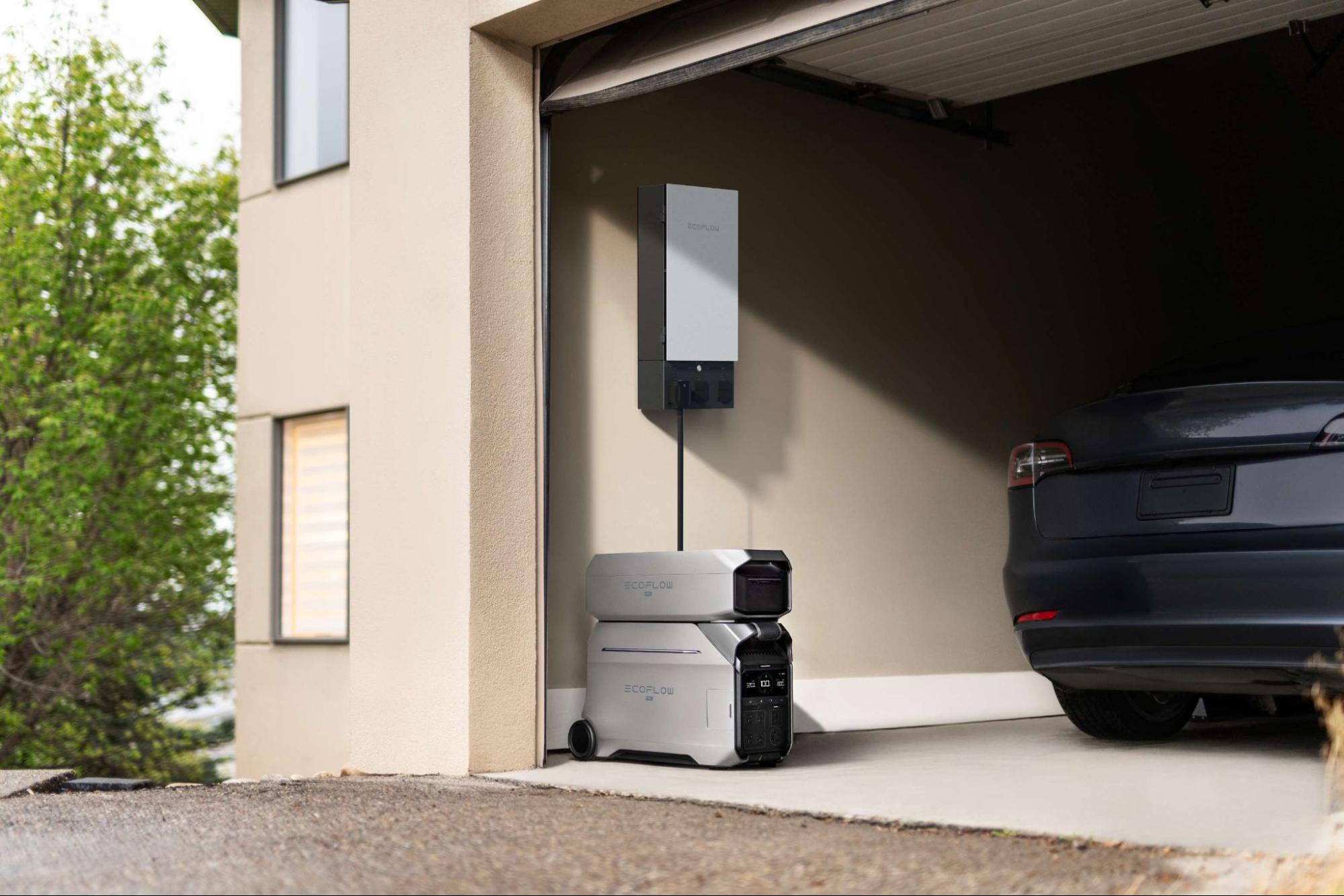
If you want your garage to work during power outages, you’ll need to know the opener’s amp draw for backup planning.
- Small generator (1000W): Can handle most openers easily.
- UPS (Uninterruptible Power Supply): Choose one rated for at least 600–900 watts for reliable startup.
Remember, always check the startup amps—not just running amps—when sizing backup power.
Key Takeaways
- Most residential garage door openers use 3–6 amps running, with higher startup amps.
- Circuit planning is important—use a dedicated 15-amp circuit for best results.
- Heavy doors, old motors, and poor maintenance can increase amp draw.
- Standby power for modern, smart openers can add up.
- Always check the specs and measure actual usage for your specific setup.
For further technical reading, you can visit the Wikipedia page on garage door openers.
Frequently Asked Questions
How Many Amps Does A 1/2 Hp Garage Door Opener Use?
A typical 1/2 HP opener uses about 3–4.5 amps while running, but the startup can be 5–7 amps for a couple of seconds. Always check the label on your opener for the exact rating.
Can I Use A 20-amp Breaker For A Garage Door Opener?
You can use a 20-amp breaker if your wiring supports it (12 AWG or larger), but most openers only need a 15-amp breaker. Using a larger breaker on undersized wires is dangerous. Always match the breaker to the wire gauge.
Will Adding Led Lights To My Opener Increase The Amp Draw?
LED lights use very little power—usually 0.1–0.15 amps per bulb. Adding them won’t overload your circuit or opener. In fact, they use less power than traditional bulbs.
What If My Garage Door Opener Keeps Tripping The Breaker?
Frequent breaker trips can mean too many devices on the circuit, a worn-out opener, or a binding door. Start by unplugging other devices, lubricating the door, and checking for obstructions. If the problem continues, consult an electrician or opener technician.
Is It Safe To Run Multiple Garage Door Openers On The Same Circuit?
If the circuit is dedicated and sized correctly (usually 15 or 20 amps), you can run two openers safely—especially if they’re only used one at a time. For busy garages or commercial use, consider separate circuits for each opener.
A well-chosen and maintained garage door opener is efficient, safe, and reliable. By understanding amp usage, you can make smarter decisions and avoid common problems—ensuring your garage door opens smoothly every time.