
Now Reading: How To Choose The Right Size Garage Door Opener
- 01
How To Choose The Right Size Garage Door Opener

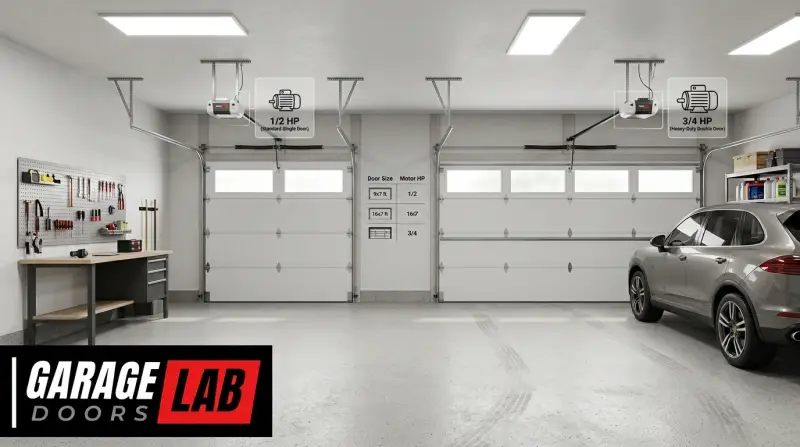
Choosing the right size garage door opener is crucial for ensuring smooth, reliable, and safe operation of your garage door. It’s not simply a matter of picking the most powerful option; rather, it involves a careful consideration of various factors that directly impact the opener’s performance, longevity, and your overall satisfaction.
An underpowered opener will struggle, leading to premature wear and tear, while an oversized one might be unnecessarily expensive and potentially even dangerous if not properly managed.
The garage door opener is the unsung hero of modern convenience, silently lifting and lowering what is often the largest moving object in our homes. From shielding vehicles from the elements to providing a secure entry point, the garage door plays a vital role.
When selecting an opener, understanding the nuances of horsepower, drive types, and the specific characteristics of your garage door is paramount. This guide will walk you through the essential considerations to help you make an informed decision, ensuring your garage door operates efficiently for years to come.
Key Takeaways
- Horsepower is Key: Garage door openers are rated by horsepower (HP), with 1/2 HP suitable for most standard doors, while heavier or oversized doors may require 3/4 HP or even 1 HP.
- Door Weight Matters Most: The weight of your garage door is the primary determinant of the opener’s required strength. Measure it accurately.
- Door Size and Type Influence Needs: Taller doors, double doors, and certain materials (like solid wood) demand more robust openers.
- Drive System Options: Chain, belt, and screw drive systems each offer different levels of noise, maintenance, and cost.
- Headroom and Ceiling Height: Ensure sufficient space for the opener’s rail and trolley system.
- Power Source and Electrical Requirements: Check your garage’s electrical capacity and outlet availability.
- Smart Features and Security: Consider Wi-Fi connectivity, battery backup, and rolling code technology for enhanced convenience and safety.
- Professional Installation Recommended: For safety and optimal performance, professional installation is often the best choice.
Understanding Garage Door Opener Horsepower Ratings
The horsepower (HP) rating of a garage door opener is perhaps the most significant factor when determining its “size” or capacity. This metric directly indicates the motor’s power and its ability to lift and control the garage door. While it might seem intuitive to simply opt for the highest HP, this isn’t always necessary or cost-effective. The right HP depends on the specific weight and size of your garage door.
Most residential garage doors are designed to operate with openers rated at 1/2 horsepower. This is a common and generally sufficient power level for standard single-car garage doors made from materials like aluminum, steel, or standard-gauge wood. For doors that are particularly heavy, such as those made of solid wood, or for double-width garage doors, a more powerful opener might be necessary.
In these cases, a 3/4 horsepower opener is often recommended. This increased power provides the necessary torque to lift heavier doors more smoothly and with less strain on the motor. For exceptionally heavy doors, such as those found in commercial applications or very large custom residential doors, a 1 horsepower opener might be considered, though these are less common in typical home garages.
It’s crucial to remember that the weight of your garage door is the most critical factor. An opener’s HP rating is designed to overcome the door’s weight and the friction within its components. Overestimating the required HP isn’t necessarily harmful, but it can lead to a more expensive purchase and potentially a more powerful motor than your door actually needs. Conversely, underestimating can lead to the opener working too hard, resulting in frequent breakdowns, reduced lifespan, and potentially unsafe operation.
Calculating Your Garage Door’s Weight
Before you even look at opener models, you need to know the weight of your garage door. This is the single most important piece of information. If your door is a standard size and material, you can often find its approximate weight by consulting the manufacturer’s specifications or by looking up similar models online.
However, for accuracy, especially with older doors or custom-built ones, weighing the door is the best approach.
To do this, you’ll need to disconnect the opener and manually lift the door. Have a bathroom scale or a heavy-duty scale ready. You’ll need to find a way to balance the door on the scale. This can be tricky. A more practical method for many homeowners is to simply measure the spring’s tension.
The Role Of Spring Tension
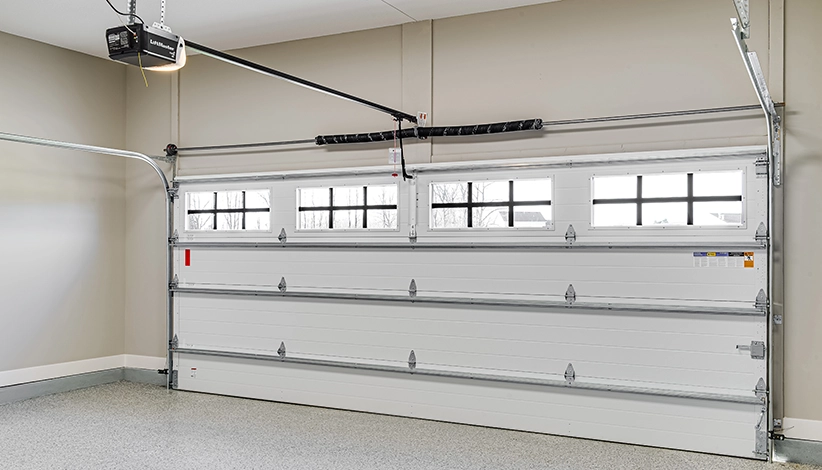
Garage doors are counterbalanced by torsion springs (mounted above the door) or extension springs (running along the horizontal tracks). These springs do the heavy lifting, making the door feel much lighter than its actual weight. The opener’s job is primarily to overcome the remaining resistance and provide controlled movement.
A properly balanced door should stay open on its own when you lift it halfway and let go. If it slams shut, the springs are too weak (or the door is too heavy for the springs), and you need more powerful springs or a heavier-duty opener. If it springs open, the springs are too tight. The opener’s force limit setting is designed to stop the door if it encounters an obstruction, but it’s not meant to do the primary lifting of a heavy, unbalanced door.

Credit: www.carwal.ca
Matching Opener Capacity To Door Characteristics
Beyond just horsepower, several other characteristics of your garage door play a significant role in selecting the right opener. These include the door’s size, material, and even its age and condition.
Door Size And Type
- Single vs. Double Doors: A single-car garage door is typically lighter and smaller than a double-car garage door. Double doors, especially if they are solid wood or metal, will invariably require a more powerful opener, often necessitating a 3/4 HP or even a 1 HP model.
- Height: Taller garage doors, even if they are standard width, have more surface area and can be heavier. This increased surface area can also catch more wind, putting additional strain on the opener during operation.
- Material:
- Steel/Aluminum Doors: These are generally lighter than wood doors. Standard gauge steel or aluminum doors often work well with 1/2 HP openers.
- Wood Doors: Solid wood doors are significantly heavier. Even a standard-sized wood door can weigh 150-300 pounds or more, often requiring a 3/4 HP opener. Insulated wood doors can also add considerable weight.
- Carriage House/Designer Doors: These often feature decorative elements, heavier hardware, and sometimes thicker materials, which can increase their overall weight.
- Insulated Doors: The insulation within a door adds weight. The type and density of the insulation will affect the total weight.
Door Age And Condition
An older garage door might have components that are worn or have increased friction. Rollers can become stiff, tracks can bend, and springs can lose tension over time. If your door is old and hasn’t been maintained, it might present more resistance to movement than a newer, well-maintained door of the same size and material. In such cases, opting for a slightly more powerful opener can compensate for this increased friction and extend the life of the opener and the door’s components. Regular maintenance, such as lubricating hinges and rollers, can significantly reduce the strain on the opener. You can learn more about maintaining your door’s components by reading about how to lubricate garage door rollers.
Example: The Heavy Solid Wood Door Scenario
Consider a homeowner with a 16-foot wide, 7-foot tall solid oak carriage house garage door. This door likely weighs upwards of 300 pounds. A standard 1/2 HP opener would struggle immensely. Attempting to lift such a door with an underpowered opener would lead to:
- Slow, jerky door movements.
- Excessive motor noise and heat.
- Frequent safety stops or failures to close/open fully.
- Premature burnout of the motor.
- Potential damage to the door or opener mechanism.
In this scenario, a 3/4 HP or even a 1 HP opener would be the appropriate choice. Coupled with correctly tensioned springs designed for this weight, the opener can operate efficiently and reliably.

Credit: www.lowes.com
Exploring Different Drive Systems
Beyond horsepower, the drive system of a garage door opener is another critical aspect to consider. This refers to the mechanism that moves the door along the track. The three main types are chain drive, belt drive, and screw drive, each offering distinct advantages and disadvantages regarding noise, maintenance, and cost.
Chain Drive Openers
- How it Works: Chain drive openers use a metal chain, similar to a bicycle chain, to move the trolley along a steel rail. The trolley is attached to the garage door via a curved arm.
- Pros:
- Durability and Reliability: Chains are known for their strength and longevity.
- Cost-Effective: Generally the most affordable option upfront.
- Powerful: Can handle heavier doors effectively.
- Cons:
- Noisy: The metal chain moving along the rail creates a distinct “clanking” sound, which can be disruptive, especially in homes with living spaces above or adjacent to the garage.
- Requires Lubrication: The chain and rail need periodic lubrication to ensure smooth operation and prevent wear. You can find guidance on this in articles about how to lube garage door rollers, which also emphasizes general maintenance.
- Best For: Homes where noise is not a primary concern, budget-conscious buyers, or garages housing very heavy doors.
Belt Drive Openers
- How it Works: Belt drive openers use a rubber belt, often reinforced with steel fibers, that runs along the same type of rail as a chain drive. The trolley moves along the belt.
- Pros:
- Quiet Operation: The belt material absorbs much of the noise, resulting in a significantly quieter operation compared to chain drives. This is their primary advantage.
- Smooth Movement: Belts provide a very smooth and consistent door movement.
- Low Maintenance: Generally require less lubrication than chain drives.
- Cons:
- Higher Cost: Belt drive openers are typically more expensive than chain drive models.
- Potentially Less Durable: While modern belts are very strong, a chain might be considered more robust for extremely heavy-duty applications, though this is increasingly rare for residential use.
- Best For: Homes with living spaces above or adjacent to the garage, homeowners prioritizing quiet operation, and those willing to invest a bit more for peace and quiet.
Screw Drive Openers
- How it Works: Screw drive openers utilize a long metal rod with a threaded groove (like a bolt). A motor rotates this rod, causing a trolley to travel up and down the length of the rod.
- Pros:
- Powerful: Capable of lifting heavy doors efficiently.
- Fewer Moving Parts: Can lead to less wear and tear over time, potentially increasing longevity.
- Relatively Quiet: Quieter than chain drives, though typically not as silent as belt drives.
- Cons:
- Sensitive to Temperature: The threaded rod can expand or contract with extreme temperature fluctuations, potentially affecting performance and requiring adjustments.
- Requires Lubrication: The rod needs regular lubrication.
- Can Be Slower: Some screw drive models can be slower than chain or belt drives.
- Cost: Often fall in the mid-to-high price range.
- Best For: Garages in areas with consistent temperatures, homeowners looking for a powerful and relatively quiet option, and those who don’t mind periodic lubrication.
Comparison Table: Drive Systems
| Feature | Chain Drive | Belt Drive | Screw Drive |
|---|---|---|---|
| **Noise Level** | Noisy | Very Quiet | Moderately Quiet |
| **Durability** | High | High | High |
| **Cost** | Lowest | Highest | Medium |
| **Maintenance** | Requires regular lubrication | Low maintenance | Requires regular lubrication |
| **Speed** | Standard | Standard to Fast | Standard to Slow |
| **Ideal For** | Budget-conscious, noise not an issue | Quiet operation needed, living spaces above | Consistent temperatures, heavy doors |
Credit: www.clopaydoor.com
Essential Considerations: Headroom, Power, And Security
Selecting the correct opener involves more than just horsepower and drive type. Several other practical factors need to be assessed to ensure compatibility and safe, effective operation.
Headroom And Ceiling Height
Headroom refers to the amount of vertical space available between the top of the garage door opening and the ceiling. This is crucial because the opener’s rail and trolley system needs to be mounted securely. Most standard opener installations require at least 6 inches of headroom. If you have a low ceiling or an unusually shaped garage, you might need a low-headroom track or a jackshaft opener.
- Standard Rail: Typically requires 6-8 inches of headroom.
- Low-Headroom Track: Can reduce headroom requirements to as little as 2-3 inches.
- Jackshaft Openers: These are mounted on the wall next to the garage door, directly turning the torsion spring shaft. They are an excellent solution for garages with very little headroom or high ceilings where a traditional opener might be difficult to install. They also tuck away neatly, freeing up ceiling space.
Power Source And Electrical Requirements
Before purchasing an opener, verify your garage’s electrical capacity. Most standard openers run on a 120-volt AC power supply, drawing a relatively small amount of amperage when operating. However, it’s essential to ensure:
- Adequate Circuit Capacity: Your garage’s electrical circuit can handle the opener’s load, especially when starting up.
- Proximity of an Outlet: Most openers require a grounded electrical outlet within a few feet of where the motor unit will be mounted. If an outlet isn’t conveniently located, you may need to hire an electrician to install one, which adds to the overall cost.
- Battery Backup: Consider openers with a battery backup system. This is invaluable during power outages, allowing you to open and close your garage door a limited number of times, ensuring you’re not trapped inside or outside. Many states and local building codes now mandate battery backups for new installations.
Security Features
Modern garage door openers come with advanced security features designed to protect your home.
- Rolling Code Technology: This is a standard feature on most new openers. Each time you press your remote button, the opener generates a new, unique code. This prevents “code grabbing” by thieves who might try to record your signal and use it later. Reputable brands like LiftMaster and Genie have implemented sophisticated rolling code systems.
- Secure Mounting and Wiring: Ensure the opener is securely mounted and that any wiring is protected from tampering.
- Smart Home Integration: Many openers now offer Wi-Fi connectivity, allowing you to monitor and control your garage door from a smartphone app. This provides real-time alerts if the door is opened or closed and allows for remote operation, adding a significant layer of security and convenience.
Installation: Diy Vs. Professional
The installation of a garage door opener is a critical step that directly impacts its performance, safety, and lifespan. While many homeowners consider a DIY approach to save money, it’s essential to weigh the pros and cons carefully.
Diy Installation
- Pros:
- Cost Savings: The primary advantage is avoiding professional installation fees, which can range from $200 to $500 or more depending on your location and the complexity of the installation.
- Sense of Accomplishment: For those who enjoy DIY projects, installing an opener can be a rewarding experience.
- Cons:
- Complexity: Garage door openers involve electrical wiring, mechanical assembly, and proper alignment with the garage door mechanism. Incorrect installation can lead to malfunction, damage to the opener or door, and significant safety hazards.
- Safety Risks: Working with springs and heavy door components can be dangerous if not handled with extreme care. The emergency release cord is a critical safety feature that must be installed correctly. Improper installation could lead to the door falling unexpectedly.
- Time Consuming: A DIY installation can take several hours, sometimes spread over multiple days, especially for those unfamiliar with the process.
- Warranty Issues: Some manufacturers may void the warranty if the opener is not installed by a certified professional.
- Troubleshooting: If issues arise, you’ll be responsible for diagnosing and fixing them.
Professional Installation
- Pros:
- Expertise and Safety: Professional installers have the knowledge, tools, and experience to ensure the opener is installed correctly and safely. They understand the intricacies of garage door systems and can identify potential issues with your door that might affect the opener.
- Efficiency: Professionals can typically complete the installation much faster than a DIYer.
- Warranty Assurance: Installation by a professional often ensures the manufacturer’s warranty remains valid.
- Proper Calibration: They will correctly set the force limits, travel limits, and safety features, ensuring optimal performance.
- Troubleshooting Included: If any issues arise during or immediately after installation, the professional is responsible for resolving them.
- Cons:
- Cost: Professional installation adds a significant cost to the overall project.
When To Definitely Hire A Professional
- If your garage door is particularly heavy or has an unusual configuration.
- If you have very low headroom or an unusually high ceiling.
- If you are uncomfortable working with electrical components or heavy machinery.
- If the opener requires complex wiring or integration with existing smart home systems.
In my experience, for most homeowners, the peace of mind and assurance of safety that comes with professional installation far outweighs the cost savings of a DIY attempt, especially given the potential for serious injury or costly damage from an improper installation.
Maintenance And Troubleshooting Common Issues
Once you’ve selected and installed the right garage door opener, ongoing maintenance is key to ensuring its longevity and reliable performance. Even with the best opener, issues can arise. Understanding common problems and their solutions can save you time and money.
Routine Maintenance Checklist
- Lubrication: Periodically lubricate moving parts. This includes the chain (if applicable), hinges, rollers, and the opener’s rail. Use a silicone-based spray lubricant or a white lithium grease. Avoid using WD-40 for long-term lubrication as it can attract dust and gunk. Articles on lubricating garage door rollers provide detailed steps.
- Check Rollers and Tracks: Ensure rollers are turning freely and tracks are clear of obstructions. Bent or damaged tracks can cause the opener to struggle.
- Inspect Springs: Visually check torsion and extension springs for signs of wear, rust, or damage. Broken springs are extremely dangerous and should be replaced by a professional immediately.
- Test Safety Features: Regularly test the auto-reverse function and photo-eye sensors.
- Auto-Reverse: Place a piece of wood (like a 2×4) on the ground in the door’s path. When the door hits it, it should automatically reverse.
- Photo-Eyes: Ensure the beams are aligned. If one is blocked or misaligned, the door will not close properly. Clean the sensors with a soft cloth.
- Tighten Hardware: Check for and tighten any loose bolts or screws on the opener and the door.
- Check Chain/Belt Tension: If you have a chain drive, ensure it’s not too slack or too tight. For belt drives, check for fraying or damage. You might need to learn how to adjust the chain on your garage door opener if it becomes loose.
Common Troubleshooting Scenarios
- Opener Not Responding:
- Check if the opener is plugged in and if the circuit breaker is tripped.
- Ensure the remote or keypad has fresh batteries.
- Try resetting the opener. Procedures vary by brand, but you can often find guides on how to reset your garage door opener. For specific brands, look for instructions on resetting a Liftmaster remote or