
Painting your garage door is a simple way to improve the look of your home. A fresh coat of paint can make an old garage door look new again. It can also protect the door from sun, rain, and snow.
Many people think painting a garage door is difficult, but with the right steps, anyone can do it. This guide explains everything you need to know, from picking materials to the final touches. Whether your door is metal or wood, you’ll find advice for a smooth, lasting finish.
Why Painting Your Garage Door Matters
A garage door often covers a large part of your home’s front. If it’s faded or peeling, it can make your whole house look older. A clean, well-painted door adds curb appeal and may even raise your property value. But it’s not just about looks. Paint acts as a shield. It helps prevent rust on metal doors and keeps wood doors from rotting or warping. A good paint job can last 5 to 10 years if done well.
Some homeowners overlook their garage door during home updates. However, a neat garage door can set your house apart from others on the street. If you plan to sell your home, this is an easy way to impress buyers.
Tools And Materials You Will Need
Preparation is key for this project. Having the right tools and materials will help you work faster and get better results. Here’s what you should have before you start:
- Exterior paint (for metal or wood, depending on your door)
- Primer (if your door is bare, rusty, or stained)
- Paint roller (with a smooth or semi-smooth cover)
- 2- to 3-inch paintbrush
- Painter’s tape
- Drop cloths or old sheets (to protect your driveway)
- Screwdriver (to remove hardware, if needed)
- Sandpaper (fine and medium grit)
- Wire brush (for rust or flaking paint)
- Bucket with mild soap and water
- Garden hose or pressure washer
- Clean rags
- Rubber gloves
- Ladder (if your door is tall)
- Safety glasses and mask (for sanding or spraying paint)
Not all tools are required for every door. For example, a metal door may need a wire brush, while a wood door might need extra sanding. Buying quality paint and brushes makes a big difference. Cheap products can lead to streaks or peeling.
/SPR-how-to-paint-a-garage-door-5199372-hero-2_1167-2309a3b04de74cb2a2847167a96d67fd.jpg)
Choosing The Right Paint And Primer
Selecting the right paint and primer is critical. Exterior surfaces need paint that can withstand weather changes, sun, and moisture. There are two main paint types for garage doors: latex (water-based) and oil-based.
- Latex paint is flexible, dries quickly, and cleans up with water. It’s best for wood and some metal doors.
- Oil-based paint is tougher and more resistant to wear. It’s good for high-traffic doors but takes longer to dry.
Primers help the paint stick and last longer. Use rust-inhibiting primer for metal doors and stain-blocking primer for wood. Some paints are “self-priming” but adding a separate primer often gives better protection, especially on older surfaces.
Paint And Primer Comparison
Here’s a quick comparison to help you decide:
| Type | Best For | Dry Time | Cleanup |
|---|---|---|---|
| Latex Paint | Wood, Most Metal | 1-2 hours/touch | Soap & water |
| Oil-Based Paint | Steel, Aluminum | 6-8 hours/touch | Mineral spirits |
| Rust-Inhibiting Primer | Metal doors | 2-4 hours | Soap & water |
| Stain-Blocking Primer | Wood doors | 1-2 hours | Soap & water |
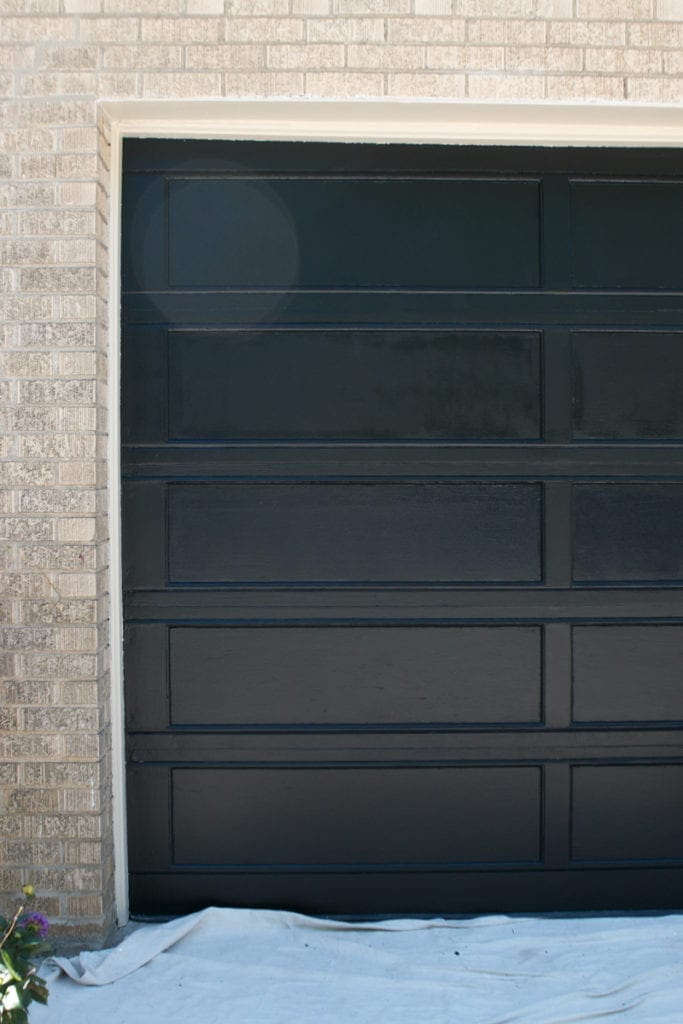
Color is important, too. Light colors reflect heat, which is good for hot climates. Dark colors can fade faster but make a bold statement. Always check the paint can to make sure it’s labeled for “exterior use. ”
Preparing The Garage Door
Preparation is the most important step. Skipping this part can lead to peeling paint and a sloppy look. Take your time and make sure the door is ready before you open any paint cans.
1. Clean The Door
Dust, dirt, and oil will stop paint from sticking. Use a mild soap mixed with water and scrub the entire door with a sponge or soft brush. Rinse with a garden hose. For grease or tough stains, a small amount of vinegar can help.
Let the door dry completely (at least 2 hours in warm weather).
2. Remove Old Paint Or Rust
If your door has flaking paint, use a scraper or wire brush to remove loose pieces. For metal doors with rust spots, scrub gently with the wire brush. Sand any rough areas with medium-grit sandpaper. The goal is a smooth, clean surface.
3. Sand The Surface
Even if the paint isn’t peeling, it’s smart to lightly sand the door. This helps new paint stick. Use fine-grit sandpaper (120 to 220 grit) and go over the whole door. Wipe off the dust with a damp rag.
4. Remove Or Tape Hardware
Take off handles, locks, or decorative pieces if you can. If not, cover them with painter’s tape. Also tape around windows or trim you don’t want painted.
5. Protect Surrounding Areas
Lay down drop cloths to catch drips. Tape plastic or paper over any brick, siding, or plants near the door.
Common Mistakes In Preparation
Many beginners skip sanding or don’t clean well enough. Even a tiny patch of oil can cause paint to peel. Another common mistake is painting when the door is wet or in direct sun. Warm, dry weather with shade is best.
Applying Primer
Primer is not always required, but it can solve many problems. It blocks stains, covers dark colors, and gives a uniform base for paint. If your door is bare metal, wood, or has patches from repairs, primer is a must.
How To Prime Your Door
- Stir the primer well.
- Use a brush for corners and edges.
- Roll primer on flat sections.
- Let dry fully (check the can for time, usually 2-4 hours).
- Lightly sand with fine sandpaper for an extra-smooth finish.
Don’t rush this step. If you see stains or metal showing through, add a second coat.
Choosing When To Paint
Timing matters more than people think. The best temperature to paint is between 50°F and 85°F (10°C to 30°C). Avoid painting in direct sun or if rain is coming within 24 hours.
Early morning or late afternoon is best. Humid days slow drying, so be patient. If your area gets strong winds, close the garage door while painting to avoid dust sticking to wet paint.
Painting Techniques For A Garage Door
Painting a garage door is not like painting a wall. Garage doors have panels, grooves, and edges that need special attention.
1. Work In Sections
Most garage doors have raised panels or sections. Paint one section at a time to avoid lap marks.
2. Use The Right Tools
- Brush: For corners, grooves, and edges.
- Roller: For flat panels and large areas.
A small roller (4-6 inches wide) is easier to control on panels. Use a brush for details.
3. Apply Thin, Even Coats
Thick paint runs and drips. Two thin coats look better and last longer than one thick coat.
4. Start At The Top
Begin painting at the top of the door and work down. This prevents drips from spoiling areas you already finished.
5. Watch For Drips
Check corners and grooves for runs. Smooth them with your brush as you go.
6. Let Each Coat Dry
Wait for the first coat to dry fully before adding a second. This can take 2-6 hours depending on paint type and weather.
Painting Different Door Types
- Metal doors: Paint in the direction of the panels for a smooth look.
- Wood doors: Follow the grain of the wood.
- Vinyl or composite doors: Use only paint made for these materials.
Professional Tips Most Beginners Miss
- Don’t paint over cold metal. If the door feels cold, wait for it to warm up.
- Remove weatherstripping if possible, then replace after painting.
- If you use a sprayer, mask off everything nearby. Spray in short bursts, not long sweeps.
Drying And Re-coating
Once you finish the first coat, let it dry as directed on the can. Touch the paint in a hidden spot to test dryness. If it feels sticky, wait longer.
Two coats are usually best. Some dark colors or old doors need three. Always let each coat dry before adding the next.
If your garage door is a main entrance, plan for drying time. You may need to leave it open or closed for several hours.
Cleaning Up
Clean tools right after finishing. Latex paint comes off with soap and water. Oil-based paint needs mineral spirits. Remove painter’s tape before the paint dries hard to avoid peeling edges.
Dispose of old paint and rags safely. Many towns have special drop-off points for paint.
Maintenance For A Lasting Finish
A painted garage door can last many years with simple care.
- Wash the door once or twice a year to remove dust and grime.
- Check for chips or scratches and touch up with leftover paint.
- Keep door tracks and weatherstripping clean.
- Waxing a painted metal door once a year adds extra shine and protection.
When Not To Paint Your Garage Door
Some situations mean you should delay or rethink your project:
- Severe rust or rot: Fix damage before painting.
- Rain or high humidity: Wait for dry weather.
- Very hot or cold days: Paint may not stick or dry well.
- Lead paint (old homes): Test before sanding. If lead is present, get professional help.
Painting won’t fix mechanical issues like a bent or jammed door. Repair these first for safety.
Common Painting Problems And Solutions
Even with care, issues can happen. Here’s how to handle them:
Peeling Paint
Often caused by poor cleaning or painting over wet surfaces. Scrape loose paint, sand, and repaint the spot.
Blisters Or Bubbles
Usually from painting in direct sun or over dirt. Sand the bubbles, clean, and repaint.
Uneven Color
Happens if you switch paint brands or colors mid-project. Stir paint often and use the same batch for best results.
Streaks Or Roller Marks
Too little paint on the roller or painting in dry weather. Add a second thin coat to even out marks.
Rust Stains
Appearing through new paint on metal. Sand, prime with rust-inhibiting primer, and repaint.
Cost And Time Estimate
Painting a garage door is affordable and can be done in a day or two.
Average Cost Breakdown
| Item | Low-End Cost | High-End Cost |
|---|---|---|
| Paint (1 Gallon) | $20 | $50 |
| Primer | $15 | $40 |
| Roller & Brushes | $10 | $30 |
| Tape & Drop Cloths | $10 | $20 |
| Sandpaper & Cleaner | $5 | $15 |
| Total | $60 | $155 |
Labor is free if you do it yourself. Hiring a pro can cost $150-$500, depending on door size and prep needs.
Time Estimate
- Preparation: 2-3 hours
- Priming (if needed): 1-2 hours plus drying
- Painting: 2-3 hours per coat
- Drying between coats: 2-6 hours
Total project time: 1-2 days, including drying.
Real-life Example: Painting A Metal Garage Door
Maria wanted to update her faded white metal garage door. She bought a gallon of exterior latex paint, a rust-inhibiting primer, a roller, and brushes. After cleaning the door, she saw some rust spots. She sanded these and applied primer just to the rusty areas.
She painted the whole door in one afternoon, let it dry overnight, then added a second coat the next morning. The door looked shiny and new. Total cost: about $80. Time spent: 6 hours over two days.
Maria’s tip: “Wear old clothes and check the weather first. I waited for a cloudy, dry day, and my paint dried perfectly.”
Safety Tips
- Wear safety glasses and a mask when sanding or using strong cleaners.
- Work in a well-ventilated area.
- If using oil-based products, keep away from open flames.
- Store leftover paint out of reach of children and pets.
Environmental Considerations
Old paint can contain chemicals harmful to the environment. Never pour paint or solvents down the drain. Dispose of them at a local recycling center. Choose paints labeled “low VOC” (volatile organic compounds) for less odor and pollution.
Should You Hire A Professional?
Most homeowners can paint a garage door with simple tools and time. But, if your door is very large, in bad shape, or you want a perfect finish, a pro may be worth it. Professionals have access to sprayers and can often finish in less time. Get quotes and ask for references.
Summary Table: Key Steps To Paint A Garage Door
Here’s a quick look at the main steps and what to remember:
| Step | Details | Pro Tip |
|---|---|---|
| Clean | Remove dirt, oil, and spiderwebs | Let dry fully before sanding |
| Prep | Sand and tape off hardware | Don’t skip even small spots |
| Prime | Apply if bare, rusty, or stained | Sand lightly after drying |
| Paint | Use thin, even coats | Start at the top, work down |
| Finish | Let dry, touch up as needed | Remove tape before paint hardens |
Frequently Asked Questions
How Long Does It Take To Paint A Garage Door?
Most garage doors can be painted in 1-2 days. This includes time for cleaning, drying, priming, and two coats of paint. Weather and paint type can affect drying time, so always check the can for details.
Do I Need To Remove The Garage Door Before Painting?
No, most people paint the door in place. Just open and close the door gently to reach all areas. Only remove the door if you are doing major repairs or want to paint the back side as well.
Can I Paint A Garage Door In The Winter?
It’s best to paint when temperatures are above 50°F (10°C). Cold weather can slow drying and make the paint less durable. Wait for a warm, dry day if possible.
Is Special Paint Needed For Metal Or Wooden Garage Doors?
Yes, use exterior paint made for the door’s material. For metal, choose paint and primer labeled for metal surfaces. For wood, use paint made for exterior wood. Always check the label.
Where Can I Learn More About Exterior House Painting?
For more details on painting exterior surfaces, visit the Family Handyman website for in-depth guides and professional tips.
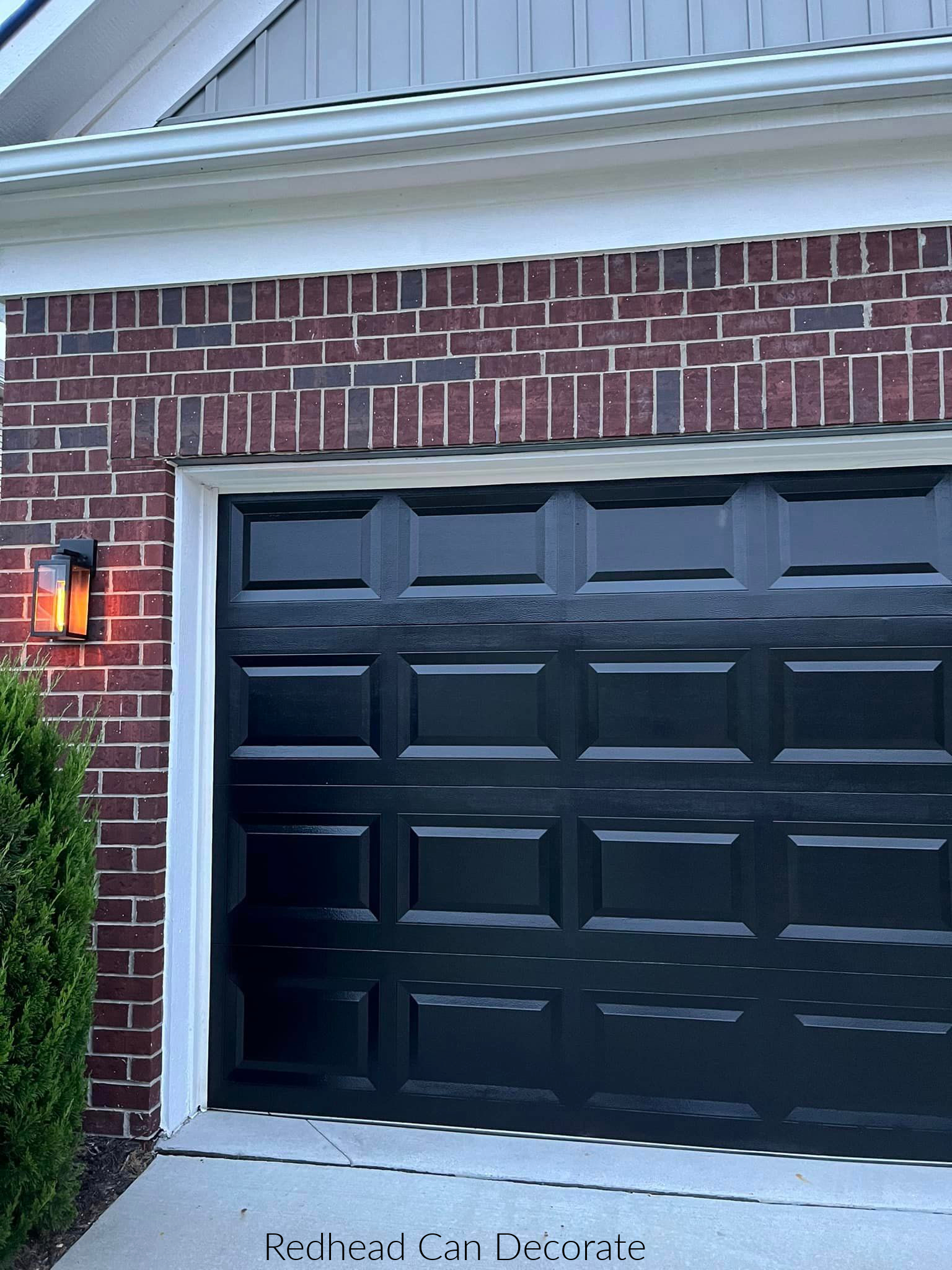
A freshly painted garage door can change how your home looks and feels. With a little effort and care, you’ll enjoy the results for years. Take your time, follow each step, and don’t rush. You’ll be surprised how much this simple project can boost your home’s appearance.