
When you think about adding a new garage or replacing a garage door, one question often comes up: How wide is a 2 car garage door? It may sound like a simple question, but the real answer goes much deeper. The width of a 2 car garage door affects more than just the look of your home. It decides how easily you can park, store things, and move around. Choosing the right width can help you avoid future headaches, from scratched car doors to wasted renovation money.
Most homeowners want a garage that fits their daily needs. Maybe you drive two big SUVs, or maybe you need space for bikes and tools. Some people buy a house and discover their garage door isn’t as wide as they hoped.
This article will break down everything you need to know. We’ll look at standard sizes, custom options, measurements, installation issues, and even mistakes to avoid. You’ll also find real examples, tips from experienced installers, and answers to common questions.
By the end, you’ll know exactly what size garage door is best for your home and lifestyle. Let’s get started by understanding what “2 car garage door” really means, and how that shapes your choices.
What Is A 2 Car Garage Door?
A 2 car garage door is a single, wide door that allows two vehicles to enter or leave side by side. This type of door is different from having two separate single doors. People often choose a double door for convenience and to get a cleaner, unified look.
In the U. S. , most residential garages for two cars have either one large door or two smaller doors. The single, wider door is what people mean by a 2 car garage door. It’s important to get the right width so both vehicles can fit, and you have enough room to open doors or walk around.
Why The Right Width Matters
The width of your garage door affects more than just parking. A door that is too narrow makes it difficult to open car doors without bumping into walls or other vehicles. You might find it hard to move large items in and out.
The right size also gives you flexibility if you change vehicles in the future.
Some garages use two single doors (usually 8 or 9 feet wide each), but this article focuses on the single door that covers both parking spaces together.
Standard Widths For 2 Car Garage Doors
There are several standard widths for 2 car garage doors in the United States. The most common sizes help most homeowners, but there are also other options for special needs.
Common Standard Sizes
Most double garage doors come in these standard widths:
- 12 feet
- 14 feet
- 16 feet
- 18 feet
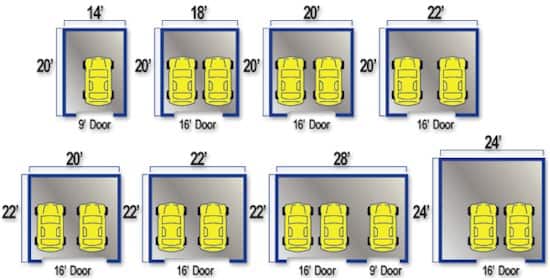
The most popular size for new homes is 16 feet wide. This width allows two standard vehicles to park side by side with enough room to open the doors.
Standard Height
While this article is about width, it’s good to know that the standard height for a 2 car garage door is usually 7 feet (84 inches) or 8 feet (96 inches). Some new homes and luxury garages may have even taller doors, especially if they need to fit large SUVs, vans, or trucks.
Quick Comparison
Here’s a handy overview of standard garage door sizes:
| Door Type | Standard Widths | Standard Heights | Typical Use |
|---|---|---|---|
| Single Car Door | 8′, 9′, 10′ | 7′, 8′ | One car, small garage |
| 2 Car Door | 12′, 14′, 16′, 18′ | 7′, 8′ | Two cars, standard garage |
| RV Door | 16′, 18′ | 10′, 12′ | Large vehicles, RVs |
Most families choose 16 feet wide, but 18 feet is common for larger garages or when extra space is needed.
Factors That Affect 2 Car Garage Door Width
Choosing the right width is not just about picking a number. Several factors will influence your decision. Here are some important things to consider:
1. Vehicle Size
Cars come in all shapes and sizes. Compact cars are much smaller than SUVs or pickup trucks. Here’s what you need to think about:
- Small cars (like Honda Civic or Toyota Corolla): Fit easily in 12 or 14-foot doors.
- Large SUVs or trucks: Need 16 or 18 feet to avoid tight parking.
- Doors and mirrors: Need space to open without hitting the wall or another car.
2. Garage Storage Needs
Many people use part of their garage for storage. If you keep bikes, shelves, or lawn equipment near the sides, you need a wider door for easy access.
3. Building Codes And Local Rules
Some towns have rules about garage door sizes, especially in neighborhoods with strict designs (HOAs). Always check local building codes before you order a door.
4. Architecture And Curb Appeal
A very wide door can look out of place on some homes. Architects sometimes recommend two single doors for style, while others like the clean look of a single wide door.
5. Budget
Wider doors cost more. Not just the door itself, but also the tracks, opener, and installation. Make sure you balance your needs with your budget.
6. Future Plans
Think about your future needs. If you might upgrade to a larger car or want to add a workbench, choose a size that won’t feel cramped later.
Measuring For A 2 Car Garage Door
Measuring your garage opening correctly is one of the most important steps. A wrong measurement can lead to costly mistakes. Here’s how to do it right:
Step-by-step Guide
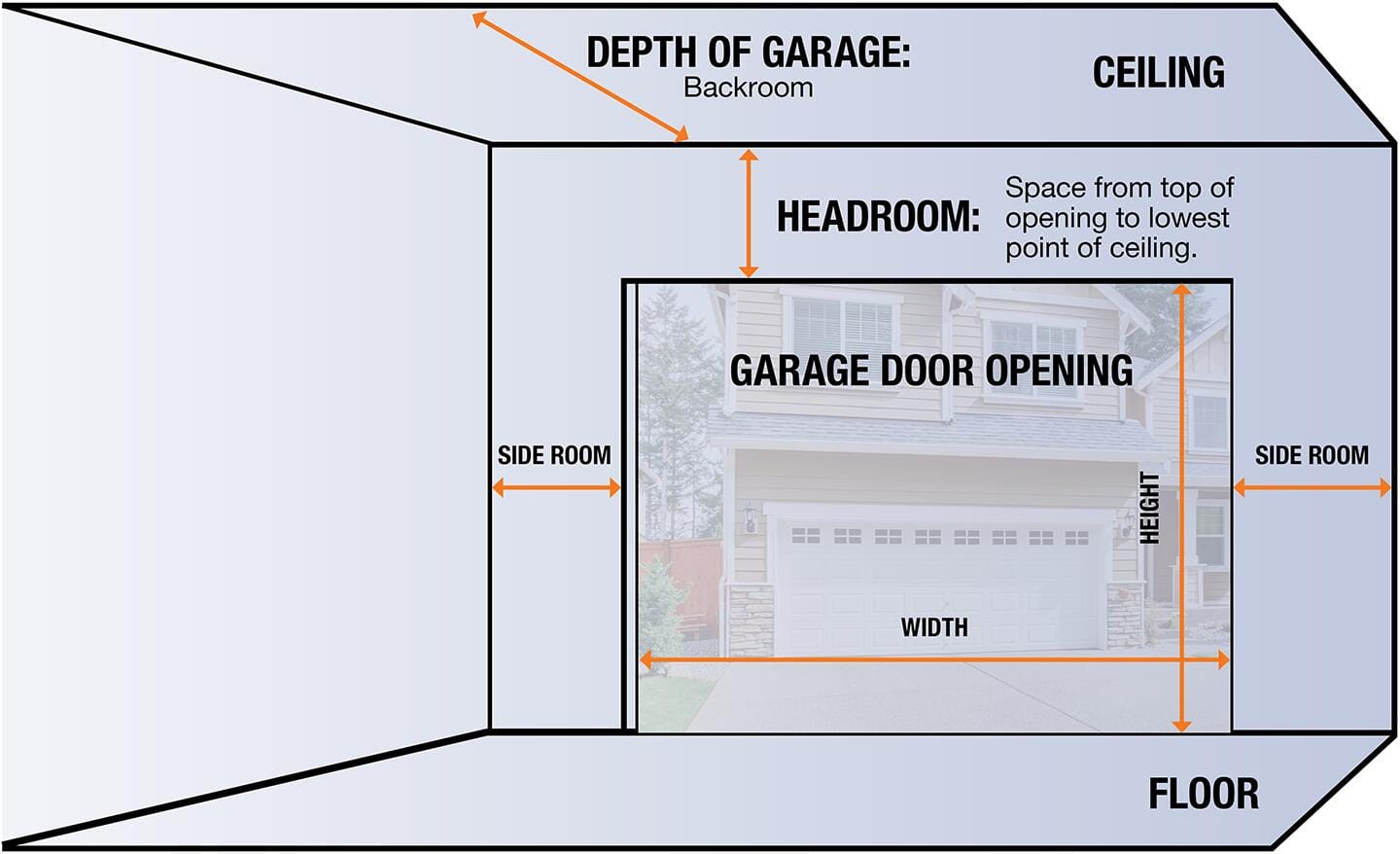
- Measure the width of the finished garage opening, not just the rough frame. Use a tape measure from one side of the opening to the other.
- Measure the height from the floor to the top of the opening.
- Check the side room: You need at least 3–4 inches on each side for the tracks.
- Check the headroom: Most doors need 12–18 inches above the opening for the track and opener.
- Check the backroom: Make sure you have enough space inside the garage for the door to open fully. Usually, the garage must be at least the door height plus 18 inches deep.
Example
If your finished opening is 16 feet wide and 7 feet high, you need a 16’ x 7’ door.
Pro Tips
- Always measure twice. It’s easy to make a mistake.
- If your opening is not a standard size, you may need a custom door.
- Measure the floor to make sure it’s level. An uneven floor can cause gaps.
Custom Vs. Standard 2 Car Garage Doors
Not every garage opening fits the standard sizes. Sometimes, you need a custom door. Here’s how custom and standard options compare:
| Feature | Standard Door | Custom Door |
|---|---|---|
| Width | 12′, 14′, 16′, 18′ | Any size needed |
| Cost | Lower | Higher (20–50% more) |
| Delivery Time | Fast (in stock) | Slower (built to order) |
| Warranty | Standard | Sometimes shorter or limited |
| Style Options | Many | Unlimited (but cost more) |
When You Need A Custom Door
- Your garage opening is not a standard width.
- You want a unique look or material.
- You need special insulation, windows, or hardware.
Non-obvious Insight
Many people don’t realize that custom doors can take several weeks or months to arrive, especially during busy seasons. Plan ahead if you need a special size or design.
Pros And Cons Of Common 2 Car Garage Door Widths
Let’s look at the ups and downs of the most popular widths.
12-foot Wide Door
Pros:
- Fits two small or compact cars.
- Great for tight lots or small homes.
- Lower cost.
Cons:
- Very tight for larger vehicles.
- Little extra space for storage or walking.
14-foot Wide Door
Pros:
- Good for small to medium cars.
- Some extra space for bikes or shelves.
Cons:
- Still tight for big SUVs or trucks.
- Less flexible if you upgrade cars later.
16-foot Wide Door
Pros:
- Fits almost all car types.
- Most common choice for families.
- Easier to get in and out of cars.
Cons:
- Slightly higher cost than 12’ or 14’.
- Needs more wall space.
18-foot Wide Door
Pros:
- Extra room for large vehicles or side storage.
- Less chance of door dings or tight squeezes.
Cons:
- Highest cost.
- May not fit with all home designs.
- Heavy doors may need stronger openers.

Real World Examples And Mistakes To Avoid
Let’s look at some real cases and what can go wrong.
Example 1: Standard Family Home
A couple in Ohio bought a house with a 16’ x 7’ garage door. They had one small sedan and one SUV. Both cars fit with room to open doors. Later, they bought a pickup truck. The garage was still wide enough, but a 14’ door would have been too tight.
Example 2: Small City Lot
A homeowner wanted to add a garage to a small city lot. The city rules limited the garage width, so they chose a 12’ wide door. It worked for two compact cars, but when they bought a minivan, parking became difficult.
Example 3: Storage Lovers
A family used their garage for bikes, tools, and storage bins. They chose an 18’ wide door. Even with two SUVs, they had space to move around and store their things.
Common Mistakes To Avoid
- Choosing the smallest door to save money. This often leads to frustration later.
- Not measuring the actual opening. Guessing can mean a poor fit.
- Ignoring side and headroom needs. Always check with your installer.
- Forgetting about future needs. Vehicles and families change.
- Skipping the building code check. This mistake can lead to expensive fixes.
Installation Considerations
Installing a 2 car garage door is not a DIY project for most people. It’s a heavy, complex job that needs the right tools and experience. Here’s what to expect:
What Installers Look For
- Level opening: The floor and frame must be straight.
- Strong framing: The wall must support the heavy door and tracks.
- Electricity for opener: Need a power source for the automatic opener.
- Safety clearance: Enough space for springs, cables, and sensors.
Time And Cost
- Installation usually takes half a day to a full day.
- Costs range from $800 to $2,500 or more, depending on the door’s width, material, and features.
Extra Features
Wider doors may need:
- Stronger openers.
- Extra insulation.
- Wind-resistant hardware (in some states).
Non-obvious Insight
Wide doors (16’ or 18’) can flex more in strong winds. Ask your installer about reinforcement kits if you live in a stormy area.
Comparing Single Vs. Double Garage Doors
Some homeowners wonder if they should install two single doors or one double door. Here’s a comparison:
| Feature | One Double Door | Two Single Doors |
|---|---|---|
| Width Needed | 12-18 feet | 16-20 feet (combined) |
| Convenience | Can park both cars in or out easily | More separation, less flexible |
| Looks | Clean, modern | Classic, traditional |
| Failure Impact | If opener fails, both cars blocked | One door can still work |
| Cost | Usually lower | Slightly higher for two openers |
One double door is usually more popular, unless the home design or garage width requires two single doors.
Materials And Insulation For Wide Garage Doors
The width of your garage door can also affect your choice of materials and insulation.
Common Materials
- Steel: Strong, durable, and low-maintenance. Good for most homes.
- Aluminum: Lighter than steel, won’t rust, but can dent.
- Wood: Looks beautiful but needs more care.
- Fiberglass: Light and resists dents, but can yellow over time.
- Composite: Combines wood and plastic for a unique look and strength.
Insulation
A wider door has more surface area, which means more heat and cold can enter. Insulated doors help lower energy bills, keep the garage comfortable, and protect your vehicles.
There are three main insulation types:
- No insulation: Cheapest, but not good for cold/hot climates.
- Polystyrene panels: Basic insulation, glued inside the door.
- Polyurethane foam: Best insulation, fills the whole door.
Tip: If you use your garage as a workshop or live in a place with cold winters, pay extra for good insulation.
Upgrades And Smart Features
Modern garage doors come with many upgrades that are especially useful for wide, double doors.
Automatic Openers
Wide doors are heavy, so most people use an automatic opener. Make sure your opener is rated for the weight and width of your door.
Smart Controls
Many openers now work with smartphones, letting you open or close the door from anywhere. Some send alerts if you forget to close it.
Windows And Panels
You can add windows to your door for natural light. Just remember, more windows can mean less insulation.
Security Features
Look for openers with rolling codes, auto-locking, and backup batteries. This keeps your garage safer and working during power outages.
Cost Breakdown For 2 Car Garage Doors
Let’s look at the typical costs for different widths and features.
Door Price Range
- 12-foot wide: $800 – $1,500
- 14-foot wide: $900 – $1,700
- 16-foot wide: $1,000 – $2,200
- 18-foot wide: $1,200 – $2,800
*Prices vary by material, insulation, and brand. *
Additional Costs
- Installation: $300 – $700
- Opener: $200 – $600
- Reinforcement: $100 – $500 (if needed)
- Windows/Custom Design: $200 – $1,000 extra
Example Estimate
A 16-foot, insulated steel door with a basic opener might cost $2,000 – $2,800 installed.
Pro Tip: Always get multiple quotes and ask about warranties.
How To Choose The Right Width For Your Home
Choosing the best width depends on your current needs, future plans, and budget. Here’s a simple process:
- List your vehicles and their sizes.
- Measure your garage and check local codes.
- Think about storage needs or future vehicle changes.
- Decide on material and insulation based on your climate.
- Talk to a pro installer for advice on special situations.
- Plan for future upgrades like smart openers.
Example: Family With Two Suvs
- Needs at least a 16-foot door for easy parking.
- Considers 18 feet if they want extra storage or have kids.
- Chooses insulated steel for durability.
Example: Single Person With One Compact Car
- 12 or 14-foot door may be enough.
- Saves money and space.
- May upgrade if planning to get a larger vehicle.
What If Your Garage Isn’t Standard?
Some older homes or unique designs have non-standard garage openings.
- Wider than 18 feet: You’ll need a custom door or two doors.
- Narrower than 12 feet: Only fits small vehicles or one car.
- Odd shapes (arched, sloped): Custom doors are required.
Always work with a professional who can measure and recommend the best solution.
Energy Efficiency And Insulated Wide Doors
A wide garage door can let in a lot of outdoor air. This matters if your garage is attached to your house or used as a living space.
How Insulation Helps
- Lowers heating and cooling costs.
- Reduces outside noise.
- Protects items stored in the garage.
What To Look For
- R-value: Higher R-values mean better insulation.
- Weatherstripping: Seals around the door edges.
- Tight fit: Less air leaks.
Tip: Spending a bit more on insulation pays off in comfort and savings, especially for wider doors.
Maintenance Tips For Wide Garage Doors
Wider doors need regular care to stay safe and work smoothly.
- Check the balance: A heavy door should not fall or slam.
- Lubricate tracks and rollers every few months.
- Inspect springs and cables for wear.
- Test auto-reverse safety monthly.
- Clean and repaint (especially for steel or wood) to prevent rust or rot.
Pro Insight: Wide doors put more stress on springs and openers. Schedule a professional checkup once a year for safety.
Where To Buy And How To Get The Best Deal
You can buy 2 car garage doors at home improvement stores, local dealers, or online. Here’s how to get the best value:
- Shop around: Get at least three quotes.
- Ask about installation: Some stores include it, others don’t.
- Look for seasonal sales (spring and fall are popular times).
- Check reviews: Choose brands with good support and warranties.
- Consider local dealers: They often offer better service and custom options.
For more technical details and sizing charts, the Garaga Blog offers useful resources.
Frequently Asked Questions
How Wide Is A Standard 2 Car Garage Door In The Us?
The most common standard width is 16 feet (192 inches). Other standard widths are 12, 14, and 18 feet. The best width for you depends on your vehicles and storage needs.
Can Two Suvs Fit Through A 16-foot Garage Door?
Yes, two standard SUVs can park side by side in a 16-foot wide door with enough room to open the doors. If you want extra space for storage or very large vehicles, consider an 18-foot door.
Is It Better To Have One Double Door Or Two Single Doors?
One double door is more convenient for parking and usually costs less. Two single doors give more separation and still allow access if one door breaks. The choice depends on your home design and personal preference.
How Do I Measure My Garage For A New Door?
Measure the width and height of the finished opening. Also, measure side room, headroom, and backroom to be sure the new door and opener will fit. Always double-check your measurements.
Are Custom Garage Doors Much More Expensive?
Custom doors cost about 20–50% more than standard sizes. The price depends on size, material, and design. They also take longer to arrive, so plan ahead if you need a special fit.
Building or upgrading your garage is a big investment. By choosing the right width for your 2 car garage door, you’ll make daily life easier and add value to your home. Take the time to measure, consider your needs, and talk to professionals.
With the information in this article, you’re ready to make a smart, confident decision for years to come.