
A two car garage door is a practical feature for many homes in the United States and around the world. It’s a simple idea: provide enough space for two vehicles to enter, park, and exit easily. But how wide is a two car garage door, really? Most people guess or rely on standard numbers, but there’s more to know than just a single measurement. If you’re planning a new garage, upgrading an old one, or just curious about the differences, understanding the width and other dimensions of a two car garage door can help you make better decisions and avoid expensive mistakes.
Many homeowners are surprised to learn that garage doors come in several standard sizes, and choosing the right one depends on your needs, the size of your vehicles, and even local building codes. By looking at the details behind garage door widths, you can ensure your garage is comfortable, safe, and fits your lifestyle.
Let’s explore the full topic—what’s standard, what’s possible, and what matters when selecting the right two car garage door.
What Is The Standard Width For A Two Car Garage Door?
When people ask “How wide is a two car garage door? ”, they usually want to know the standard measurement. In the US, garage door manufacturers follow common sizes to fit most homes and vehicles.
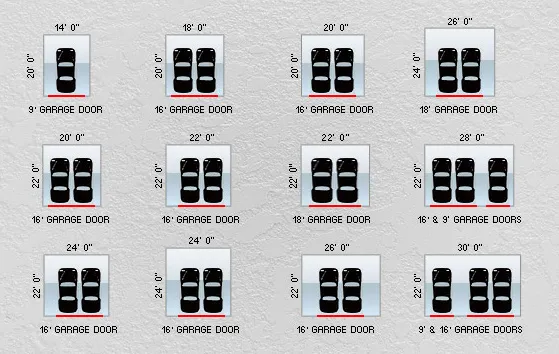
The standard width for a two car garage door is 16 feet (192 inches). This size is used in most suburban homes and is large enough for two average cars to park side-by-side with space to open doors. The height is usually 7 feet (84 inches), though 8 feet is also common.
Other standard widths for two car garage doors include:
- 14 feet (168 inches): Sometimes used in smaller homes or older properties. It’s tight for two cars, but possible.
- 15 feet (180 inches): Rare, but some custom homes use this size as a compromise between 14 and 16 feet.
- 18 feet (216 inches): Used for extra-large garages, luxury homes, or when space is needed for bigger vehicles.
Most builders and garage door suppliers recommend the 16-foot width for two car garages, as it offers a good balance between space and cost.
Why Does Garage Door Width Matter?
The width of your garage door isn’t just a number—it affects how you use your garage every day. Picking the right width helps with:
- Parking ease: Wider doors make it easier to drive in and out without scraping mirrors or bumping doors.
- Safety: Enough space reduces accidents, especially for families with kids or elderly drivers.
- Storage: More width allows room for bikes, tools, or storage shelves alongside your vehicles.
- Future flexibility: If you buy larger vehicles in the future, a wider door can handle SUVs, trucks, or vans.
Choosing a door that’s too narrow can lead to frustration, minor damage, and even less resale value for your home. Many homeowners regret installing a 14-foot door when they realize how tight parking can be.
Common Two Car Garage Door Sizes
Two car garage doors are not “one size fits all.” Here are the most common sizes you’ll find:
| Width (feet) | Width (inches) | Typical Use |
|---|---|---|
| 14 | 168 | Older homes, compact garages |
| 16 | 192 | Standard two car garages |
| 18 | 216 | Luxury, large vehicle garages |
Most people choose 16 feet. If you have larger vehicles or want extra room, consider 18 feet. Only choose 14 feet if you’re limited by space or budget.
How Wide Should You Go? Factors To Consider
Picking the right width for your two car garage door depends on several factors. Let’s break down what matters:
1. Vehicle Size
The size of your vehicles is a key factor. Two compact cars fit easily in a 16-foot door. But if you own a pickup truck or a large SUV, you may want an 18-foot door. Measure the width of your vehicles, including mirrors, and add at least 2 feet on each side for comfort.
2. Garage Interior Space
The garage itself must be wide enough to support the door. A 16-foot door needs a garage at least 18 to 20 feet wide. You’ll also need space for tracks, motors, and storage.
3. Local Building Codes
Some areas have rules about minimum garage door sizes for fire safety or accessibility. Always check with your local building department before ordering.
4. Budget
Wider doors cost more. A standard 16-foot door is cheaper than an 18-foot custom door. Consider the total cost, including installation and framing.
5. Future Needs
Think about possible changes—buying a larger vehicle, adding storage, or using the garage for hobbies. It’s smart to plan for the future, not just the present.
6. Style And Curb Appeal
Larger doors can change the look of your home’s front. Make sure the width fits with your house design.
Single Vs. Double Garage Doors
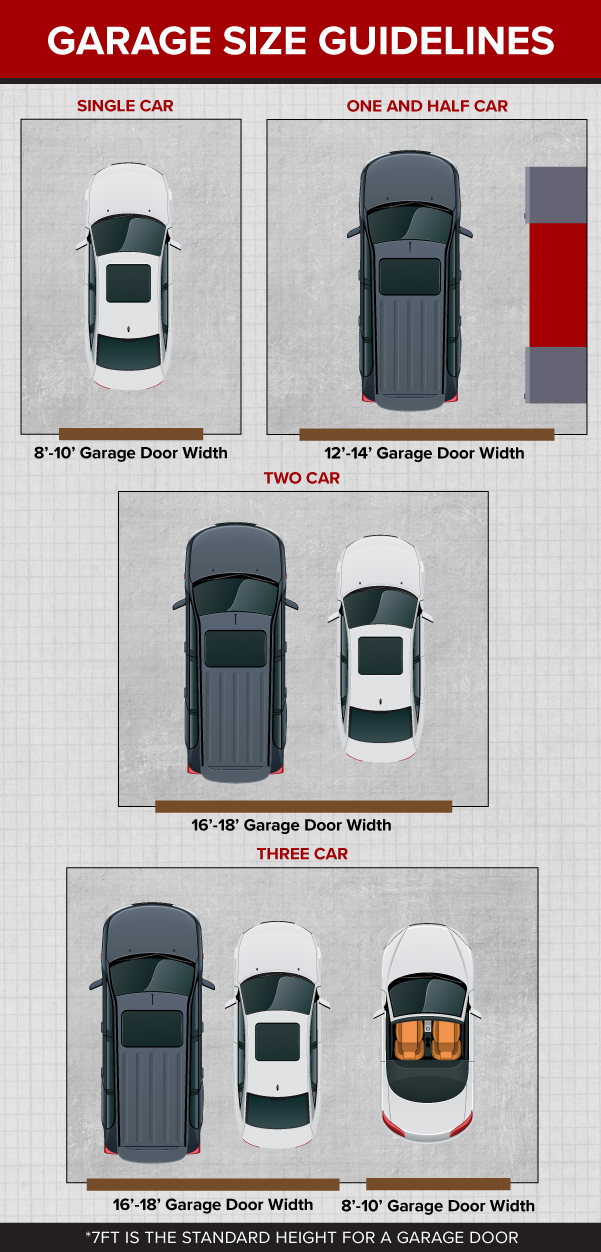
Some garages use two single doors (each 8 or 9 feet wide), while others use one large double door for both cars. Each option has advantages.
- Single doors: Easier to replace or repair, can save energy, and look good on traditional homes.
- Double doors: Offer more space, better for large vehicles, and usually more convenient for families.
Here’s a quick comparison:
| Door Type | Width (feet) | Advantages | Disadvantages |
|---|---|---|---|
| Single | 8-9 | Lower cost, flexible, easy repair | Less space, more doors to operate |
| Double | 16-18 | More space, modern look, easier access | Higher cost, complex repair |
If you often park two vehicles together or need to move large items, a double door is usually better.
Minimum Width For Comfortable Parking
For easy parking, you need enough space to open car doors and walk around. Most experts suggest a minimum of:
- 8 feet per car: For compact vehicles.
- 9 feet per car: For larger vehicles or easy access.
A 16-foot door gives each car about 8 feet, plus some extra room in the middle. An 18-foot door gives more flexibility, especially for trucks or wide SUVs.
Many people forget to account for side mirrors and door swings. If you want to avoid scratches and dings, go for the widest door your space allows.

Garage Door Height: Does It Matter?
While width is the main concern, height is also important. The standard height is 7 feet. However, for taller vehicles, you may need 8 feet or even more.
A taller door is useful for:
- Large SUVs and pickup trucks
- Vans
- Roof racks or cargo carriers
Always measure your vehicle height and add a few inches for clearance.
Custom Garage Door Widths
Some homes need custom garage doors. This happens if your garage is an unusual size, you have special vehicles, or want a unique look.
Custom doors can be any width, but most range from 12 to 20 feet. Custom doors cost more and may take longer to install. Be sure to work with a trusted installer and get precise measurements.
Custom doors also allow for special features:
- Windows for natural light
- Decorative panels
- Insulation for climate control
If you’re unsure, consult a professional before ordering a custom door.
Impact Of Garage Door Width On Daily Life
The width of your garage door affects more than just parking. It changes how you use your garage:
- Storage space: Wider doors mean more room for shelves, bikes, or tools.
- Ease of access: You can move in and out without squeezing.
- Resale value: Buyers often prefer wider garage doors, as it’s easier to park and store items.
- Safety: Narrow doors can lead to accidents, especially for families with children or elderly members.
- Flexibility: Wider doors let you use the garage for hobbies, workshops, or even parties.
Many people regret choosing a narrow door after a few years, especially as their needs change.
Garage Door Materials And Their Effect On Width
Different materials are used for garage doors, and each affects how wide you can go.
- Steel: Strong and can be made in wide sizes. Most double doors are steel.
- Wood: Heavy and may need extra support for wide doors. Custom wood doors are possible, but expensive.
- Aluminum: Lightweight, good for wide doors, but not as strong as steel.
- Fiberglass: Can be made wide, but not as common.
Wider doors need stronger materials and hardware to prevent sagging or bending. Always ask your installer about material limits for wide doors.
Installation Requirements For Wide Garage Doors
Installing a wide garage door is more complex than a single door. You’ll need:
- Strong framing: To support the weight and movement.
- Heavy-duty tracks and rollers: To handle the size.
- Powerful opener: Large doors need more force to lift.
- Safety sensors: To prevent accidents.
Wider doors often require professional installation. DIY is not recommended for doors wider than 14 feet.
Maintenance Tips For Wide Garage Doors
Wide garage doors need regular maintenance to stay safe and functional. Here are some tips:
- Lubricate tracks and rollers every 6 months.
- Check balance and alignment annually.
- Inspect weather seals to prevent drafts and leaks.
- Clean door panels to avoid rust or damage.
- Test safety sensors monthly.
Wide doors can wear out faster due to their weight. Prompt repairs prevent bigger problems.
Cost Of A Two Car Garage Door
The price for a two car garage door varies by width, material, and features.
- 14-foot door: $800–$1,500 (basic steel)
- 16-foot door: $1,200–$2,500 (steel or aluminum, insulated)
- 18-foot door: $2,000–$4,000 (premium materials, custom features)
Installation costs add $500–$1,000. Custom doors or special finishes cost more.
Don’t forget extra costs:
- Automatic opener ($300–$600)
- Windows ($200–$500)
- Insulation ($100–$400)
Compare quotes from several installers before deciding.
Energy Efficiency And Insulation
A wide garage door can affect your home’s energy efficiency. Insulated doors help keep your garage warmer in winter and cooler in summer.
Benefits of insulation:
- Lower energy bills
- Less noise
- Protects vehicles and stored items
Choose doors with high R-value for the best insulation. The R-value measures how well the door resists heat flow.
Security And Safety Concerns
Wide garage doors need extra security. Make sure your door has:
- Strong locks
- Automatic openers with rolling codes
- Safety sensors
- Solid frames
Wide doors can be targets for break-ins if not secured properly. Ask your installer about security upgrades.
Garage Door Styles For Two Car Garages
Garage doors come in many styles. Choose one that fits your home:
- Traditional: Raised panels, classic look
- Modern: Flat panels, clean lines, windows
- Carriage house: Decorative hardware, rustic charm
Wider doors can be customized with colors, windows, and decorative features. Choose a style that matches your home’s architecture.
Garage Door Opener Options For Wide Doors
Wide garage doors need powerful openers. Popular options:
- Chain drive: Strong, affordable, a bit noisy
- Belt drive: Quiet, smooth, good for attached garages
- Screw drive: Fast, less maintenance
- Direct drive: Silent, reliable
Make sure your opener is rated for the size and weight of your door. Some wide doors need commercial-grade openers.
Accessibility And Special Needs
A wider garage door helps with accessibility. If someone in your family uses a wheelchair or mobility device, wider doors make entering and exiting easier.
- Minimum width: At least 16 feet for accessibility
- Automatic openers: Remote controls, smart features
- Low thresholds: Easy for wheelchairs
Consult local accessibility guidelines if you need special features.
Common Mistakes When Choosing Garage Door Width
Homeowners often make mistakes with garage door sizing. Avoid these errors:
- Choosing the smallest size to save money: It may cost more in the long run.
- Not measuring vehicles: Always measure the actual width, including mirrors.
- Ignoring future needs: Plan for possible changes.
- Skipping building codes: Check local rules before buying.
- DIY installation for wide doors: Always use a professional.
Careful planning prevents costly changes and regrets.
Two Car Garage Door Widths Around The World
In the US, 16 feet is standard, but other countries use different sizes:
- Canada: Similar to US, 16 feet common
- UK: Often smaller, 14 feet or less
- Australia: 15–16 feet typical
- Europe: Many homes use single doors, double doors are rare
If you live outside the US, check local standards before ordering.
Real-life Examples: How Width Makes A Difference
Consider these real situations:
- Family with two SUVs: Needed an 18-foot door to avoid dents and scratches.
- Homeowner with sports car and sedan: Used a 16-foot door comfortably.
- Older home with 14-foot door: Tight fit, hard to exit vehicles.
Most people find 16 feet works well, but larger vehicles need more space.
Upgrading Garage Door Width: What To Expect
If your garage door is too narrow, you can upgrade. Here’s what happens:
- Structural changes: Widening the door needs new framing.
- Cost: Can be expensive, $2,000–$5,000 including construction.
- Permit: Often required.
- Time: Takes 1–2 weeks, depending on complexity.
Upgrading is worth it if you want easier parking and better home value.
Professional Advice: When To Consult An Expert
If you’re unsure about garage door width, talk to a professional. They can:
- Measure your space accurately
- Recommend the right size
- Handle permits and installation
- Suggest security and insulation options
Many garage door companies offer free consultations. Don’t hesitate to ask questions.
For more technical details on garage doors, you can check Home Depot’s guide.
Frequently Asked Questions
What Is The Most Common Width For A Two Car Garage Door?
The most common width is 16 feet. This size fits most homes and allows two average cars to park comfortably side by side. Some garages use 14 feet or 18 feet, but 16 feet is the standard for new builds.
Can I Fit Two Large Vehicles In A 16-foot Garage Door?
You can fit two large vehicles in a 16-foot door, but it may be tight. If you own wide SUVs or trucks, consider an 18-foot door for easier access and less risk of damage.
Is It Possible To Widen An Existing Garage Door?
Yes, you can widen an existing garage door, but it usually requires structural changes to your garage. This involves changing the framing, updating tracks, and possibly getting a permit. Costs can be high, so consult a professional.
How Tall Should A Two Car Garage Door Be?
The standard height is 7 feet. If you have tall vehicles, like vans or trucks with roof racks, you may need an 8-foot door. Always measure your vehicle height before choosing.
Are Double Garage Doors Better Than Two Single Doors?
Double garage doors are easier for large vehicles and offer more space. Two single doors can be cheaper and easier to repair, but may not fit wide vehicles as easily. The best choice depends on your needs and garage design.
A garage door’s width is more than a simple number—it’s a decision that affects your home’s function, style, and value. By understanding the options, measuring carefully, and planning for the future, you can create a garage that works for you today and tomorrow.
Whether you’re building new, upgrading, or just learning, use these details to make the best choice for your two car garage door.