
Now Reading: Liftmaster Garage Door Opener Not Working In Cold Weather
- 01
Liftmaster Garage Door Opener Not Working In Cold Weather

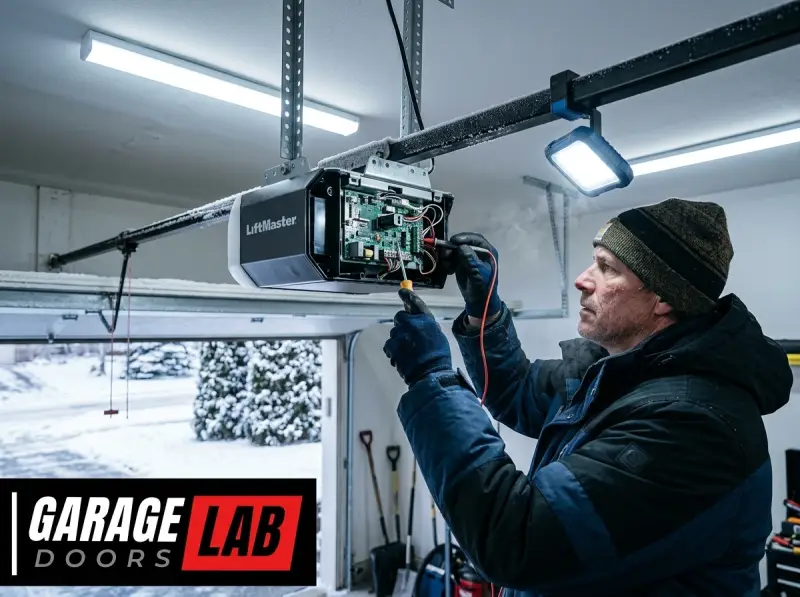
The biting chill of winter can bring more than just frosty windows and icy sidewalks; it can also lead to a frustratingly silent garage door. When your Liftmaster garage door opener refuses to budge on a cold morning, it’s a common problem that can leave you stranded, late for work, or unable to access your vehicle. While modern garage door openers are built to withstand various conditions, extreme cold can significantly impact their performance, introducing a unique set of challenges. Understanding the specific reasons why your Liftmaster might be acting up in frigid temperatures is the first step toward a swift resolution.
This comprehensive guide will explore the common culprits behind a Liftmaster garage door opener not working in cold weather. We’ll break down the potential issues, from the simplest fixes to more complex troubleshooting steps, ensuring you can get your garage door back in operation. We’ll cover everything from the impact of temperature on mechanical parts and electronics to maintenance tips that can prevent winter-related malfunctions.
Key Takeaways
- Extreme cold affects lubricants and sensors: Freezing temperatures can stiffen lubricants, making mechanical parts harder to move, and can cause condensation on safety sensors, leading to malfunctions.
- Battery performance degrades: Cold weather can significantly reduce the efficiency and lifespan of batteries used in remotes and backup systems.
- Expansion and contraction: Metal and plastic components of the garage door and opener system can expand or contract with temperature changes, potentially affecting alignment and operation.
- Regular maintenance is crucial: Simple preventative measures, like lubricating moving parts and checking sensor alignment, can prevent most cold-weather issues.
- Manual operation is a temporary solution: Knowing how to manually operate your garage door is essential for immediate access during an opener malfunction.
- Professional help may be needed: For persistent issues or complex problems, consulting a qualified garage door technician is recommended.
Credit: www.columbusdoorsales.com
Common Causes Of Liftmaster Opener Malfunctions In Cold Weather
Cold weather presents a unique set of environmental stressors that can affect the delicate balance of your garage door opener system. While Liftmaster is a reputable brand known for its durability, even the best systems can falter when faced with sub-zero temperatures.
The primary issues often stem from the physical properties of materials and the performance of electronic components under duress.
The Impact Of Temperature On Lubricants And Moving Parts
One of the most frequent culprits behind a garage door opener not working in the cold is the lubricant within the system. Over time, lubricants can degrade or attract dirt and debris, forming a sticky residue. When temperatures plummet, these lubricants can become as thick and viscous as molasses, severely hindering the movement of gears, springs, and other mechanical components. This increased resistance makes it difficult for the opener’s motor to do its job, potentially leading to it overheating or simply failing to engage.
Think of it like trying to stir thick honey versus runny honey, the effort required is significantly different. In a garage door opener, this added strain can cause the motor to struggle, skip a gear, or even trigger its internal overload protection. The torsion springs and extension springs that counterbalance the weight of the door can also become less flexible in extreme cold, requiring more force to bend and unbend. This can manifest as a slow, jerky door movement or a complete failure to lift.
Condensation And Sensor Issues
Modern garage door openers rely on safety sensors to prevent the door from closing on an obstruction. These sensors are typically located near the bottom of the garage door tracks and emit an invisible beam. If this beam is broken, the opener will stop or reverse the door’s motion. In cold weather, a common problem is the formation of condensation on the lenses of these sensors. This condensation can manifest as frost or a thin layer of ice, effectively blocking the infrared beam.
When the sensors can’t “see” each other, the opener interprets this as an obstruction, preventing the door from closing or even opening. This is particularly problematic because it can occur even if there’s no actual object in the door’s path.
The temperature differential between the cold outside air and the slightly warmer air inside the garage can create the perfect conditions for moisture to condense and freeze on the sensor surfaces.
Battery Performance Degradation
If you rely on a battery backup for your Liftmaster opener, or if your remote control uses batteries, you might notice a decline in performance during cold spells. Batteries, especially alkaline ones, are significantly affected by temperature. Cold temperatures slow down the chemical reactions that produce electricity, leading to reduced voltage and capacity. This means your remote might have a shorter range, or the battery backup system might not have enough power to operate the door when needed.
In some cases, a battery that seems functional in warmer temperatures might become completely useless in the extreme cold. This can lead to the frustrating situation where your remote control buttons do nothing, or the opener fails to respond to commands, even though everything appears to be working correctly when the garage is warmer.
Expansion And Contraction Of Materials
All materials, whether metal, plastic, or wood, expand when heated and contract when cooled. In a complex system like a garage door and its opener, these subtle changes can have a noticeable impact. The garage door panels themselves, the tracks, and even the opener rail can slightly shift their dimensions with significant temperature fluctuations.
This expansion and contraction can lead to:
- Misalignment: Tracks might become slightly out of alignment, causing the door rollers to bind.
- Binding: The door itself might become tighter in its frame, increasing the resistance the opener has to overcome.
- Strained components: Hinges, rollers, and cables can be put under additional stress if components shift out of their optimal positions.
While usually minor, in extreme cold, these shifts can be enough to cause operational issues, especially if the door or opener was already experiencing minor alignment problems.
Electrical Component Sensitivity
While less common than mechanical or sensor issues, extreme cold can sometimes affect the electronic control board within the Liftmaster opener itself. Electronic components are designed to operate within a specific temperature range. While most openers are rated for outdoor use, prolonged exposure to temperatures significantly below their operational specifications can lead to intermittent failures or complete shutdowns. This could be due to changes in the conductivity of materials or the performance of integrated circuits.
Troubleshooting Your Liftmaster Opener In Cold Weather
When your Liftmaster garage door opener grinds to a halt in the frigid air, it’s time to put on your troubleshooting hat. Many of these issues are surprisingly common and can often be resolved with a bit of patience and a methodical approach.
Before calling for professional help, try these steps to diagnose and fix the problem.
Checking And Clearing Safety Sensors
The safety sensors are often the first suspects when a garage door opener malfunctions, especially in cold or damp conditions. As mentioned, condensation or frost on the sensor lenses can easily interrupt the beam.
Steps to check and clear sensors:
- Locate the sensors: They are typically small boxes mounted on either side of the garage door tracks, a few inches above the floor.
- Inspect for obstructions: Look for any visible ice, frost, dirt, or cobwebs on the lenses.
- Clean the lenses: Use a soft, dry cloth to gently wipe away any debris or moisture. For stubborn frost, a mild de-icer spray specifically designed for electronics might be used sparingly, or you can wait for the ambient temperature to rise slightly.
- Check for alignment: Ensure the sensors are still pointing directly at each other. Sometimes, the cold can cause them to shift slightly. Most sensors have an indicator light (often green or amber) that stays lit when the beam is properly aligned. If the light is off or flickering, gently adjust the sensor until the light becomes steady.
- Test the opener: Once cleaned and aligned, try operating the garage door again.
Pro Tip: If you live in an area with frequent frost, consider installing sensor covers designed to protect them from the elements.
Lubricating Moving Parts
Stiff lubricants are a major enemy of smooth garage door operation in winter. Applying a high-quality lubricant can often restore functionality. However, it’s crucial to use the right type of lubricant.
Recommended lubricants for cold weather:
- Silicone-based spray lubricants: These are excellent for most garage door components, including tracks, rollers, hinges, and springs. Silicone remains effective at lower temperatures and doesn’t attract as much dirt as petroleum-based products.
- White lithium grease: This is another good option for metal-on-metal contact points like hinges and tracks.
Areas to lubricate:
- Door tracks: Spray along the inside of the vertical and horizontal tracks where the rollers glide.
- Rollers: Apply lubricant to the roller stems and where they meet the track.
- Hinges: Lubricate the pivot points of each hinge connecting the door panels.
- Springs: For torsion springs (mounted above the door), apply lubricant directly to the coils. For extension springs (mounted along the tracks), lubricate the pulleys and springs themselves.
- Opener chain/screw drive: If your opener uses a chain or screw drive, apply lubricant as per your Liftmaster manual’s instructions.
Important Considerations:
- Avoid WD-40 for long-term lubrication: While WD-40 can temporarily free up stuck parts, it’s a solvent and water displacer, not a long-term lubricant. It can actually attract dirt and dry out components over time.
- Clean before lubricating: Wipe away any old, dirty lubricant before applying new lubricant. This ensures better performance and longevity.
- Don’t over-lubricate: Too much lubricant can attract excessive dirt and dust, creating a sticky mess. A light, even coat is sufficient.
- Ensure proper application: For a detailed guide on lubricating specific parts, refer to our article on How to Lube Garage Door Rollers for Smooth, Quiet Operation.
Checking Battery Strength And Replacement
Cold weather can wreak havoc on batteries, whether they power your remote or a backup system.
For remote controls:
- Symptoms of a weak battery: Reduced range, opener not responding, or needing to be very close to the garage for the remote to work.
- Solution: Replace the battery with a fresh one. Ensure you are using the correct battery type specified by Liftmaster.
For battery backup systems:
- Symptoms of a weak battery: Opener doesn’t work during a power outage, or the opener struggles to lift the door even when mains power is on.
- Solution: The battery backup unit may need to be replaced. Batteries typically have a lifespan of 3-5 years and their performance degrades significantly in cold. Consult your Liftmaster manual for specific replacement instructions.
Inspecting The Tracks And Rollers For Obstructions Or Damage
Sometimes, the problem isn’t with the opener itself but with the door’s physical path.
- Visually inspect the tracks: Look for any ice buildup, debris, or bent sections.
- Check the rollers: Ensure they are seated correctly within the tracks and are free to rotate.
- Manual operation test: Disengage the opener (see section below on manual operation) and try to lift the door by hand. If it’s extremely heavy, stiff, or binds significantly, the issue lies with the door’s balance or the tracks, not the opener motor.
Resetting The Opener And Remote
Occasionally, a Liftmaster garage door opener not working can be resolved with a simple reset. This can clear temporary electronic glitches that might be exacerbated by cold.
Resetting the opener:
- Power cycle: Unplug the opener from the power outlet for about 30 seconds, then plug it back in. This can reset the internal electronics.
- Refer to your manual: Some Liftmaster models have a specific reset button or procedure. Always consult your owner’s manual for model-specific instructions.
Resetting the remote:
- If the remote is unresponsive, it might need to be reprogrammed to the opener. This is often necessary after a power outage or if the opener’s memory has been cleared.
- Refer to our guides on How to Reset Liftmaster Garage Door Opener Remote Easily or the more general How to Reset Garage Door Remote Easily in Minutes for detailed steps.
Checking The Garage Door Balance And Springs
A properly balanced garage door should stay partially open when you lift it halfway. If it slams down or shoots up, the torsion or extension springs are out of adjustment or broken. Cold weather can make a poorly balanced door even more difficult for the opener to manage.
Warning: Adjusting garage door springs is dangerous and should only be performed by a qualified professional. If you suspect a spring issue, do not attempt to fix it yourself.
Inspecting The Opener Rail And Trolley
The opener rail is the track that the trolley (the part that attaches to the door) moves along.
- Check for ice or debris: Ensure there’s no ice or accumulated grime on the rail that could impede the trolley’s movement.
- Inspect the trolley: Make sure it’s properly attached to the opener chain or belt and moves freely along the rail when the opener is engaged.
- Chain/Belt Tension: In very cold weather, metal components can contract, potentially affecting chain or belt tension. If the chain or belt appears too loose, it might slip. Conversely, if it’s too tight due to extreme cold contraction, it could cause binding. Refer to How to Adjust Chain on Garage Door Opener for Smooth Operation for guidance, but be cautious if extreme cold is the suspected cause.

Credit: www.reddit.com
Understanding Manual Operation During Cold Weather Issues
When your Liftmaster opener fails due to cold, knowing how to manually operate your garage door is crucial for gaining access. This bypasses the electric opener and allows you to lift or lower the door by hand.
Disengaging The Opener
Most Liftmaster openers have a disengagement cord, usually a red rope hanging from the trolley mechanism.
- Pull the cord firmly: This will detach the trolley from the chain or belt, allowing you to move the door freely.
- Be prepared for the door’s weight: Remember, the springs are designed to counterbalance the door’s weight. If the springs are functioning correctly, the door should be relatively easy to lift manually. If it’s very heavy, this indicates a problem with the springs or tracks, which requires professional attention.
Engaging The Opener Again
Once the weather warms up or the issue is resolved, you’ll need to re-engage the opener.
- Ensure the door is fully closed: This is important for proper re-engagement.
- Pull the cord again: Typically, pulling the cord in a different direction (often perpendicular to the first pull) will re-engage the trolley. Consult your Liftmaster manual for the specific procedure for your model.
- Test the opener: After re-engaging, operate the opener using your remote or wall button to ensure it’s functioning correctly.
Example: If you’re caught in a blizzard and your opener freezes, you’ll need to disengage it, manually open the door to get your car out, and then manually close it before re-engaging the opener (if it starts working again) or leaving it disengaged until professional help arrives. For more detailed instructions, see How to Open Liftmaster Garage Door Opener: Step-by-Step Guide.

Credit: www.youtube.com
When To Call A Professional
While many cold-weather garage door opener problems can be fixed with DIY troubleshooting, some issues require the expertise of a qualified garage door technician. Attempting complex repairs without the proper knowledge and tools can be dangerous and may lead to further damage.
Signs You Need Professional Assistance
- Broken springs: As mentioned, garage door springs are under immense tension and can cause serious injury if they break or if someone attempts to repair them improperly.
- Damaged tracks or rollers: If the tracks are significantly bent or the rollers are damaged, the door may not operate safely or smoothly.
- Motor issues: If you’ve tried basic troubleshooting and the motor still doesn’t engage, hums loudly, or smells burnt, there might be an internal motor problem.
- Persistent sensor issues: If cleaning and aligning sensors doesn’t resolve the problem, there might be an electrical fault with the sensors or the opener’s logic board.
- Opener not responding at all: After checking power and resetting, if there’s absolutely no response, it could indicate a more serious electrical or mechanical failure.
- Unusual noises: Grinding, screeching, or popping noises that persist even after lubrication could signal internal damage.
Benefits Of Professional Service
- Safety: Technicians have the training and equipment to handle potentially dangerous components like springs safely.
- Expertise: They can quickly diagnose complex issues that might be beyond the scope of typical DIY troubleshooting.
- Efficiency: Professionals can often resolve problems much faster than an inexperienced homeowner.
- Warranty: Using a professional service may preserve any remaining warranty on your Liftmaster opener or garage door.
- Preventative Maintenance: A technician can also perform a thorough inspection and tune-up, identifying potential future problems before they occur.
The cost of a professional repair can vary, but it’s often a worthwhile investment to ensure your garage door operates safely and reliably. For an idea of general garage door costs, you can refer to How Much for a Garage Door: Costs, Factors, and Savings Tips, though opener-specific repairs will differ.
Preventative Maintenance For Winter Readiness
The best way to combat Liftmaster garage door opener not working in cold weather is through proactive preventative maintenance. By regularly inspecting and servicing your garage door system, you can significantly reduce the likelihood of winter-related failures.
Regular Lubrication Schedule
- Frequency: Aim to lubricate your garage door’s moving parts at least twice a year, typically in the spring and fall. This ensures the system is ready for temperature extremes.
- What to lubricate: Tracks, rollers, hinges, springs, and the opener’s chain or screw drive.
- Type of lubricant: Use a silicone-based spray or white lithium grease.
Inspecting And Cleaning Sensors
- Monthly checks: Make it a habit to quickly check your safety sensors for dirt or obstructions, especially during seasons with significant temperature fluctuations or increased dust.
- Gentle cleaning: A quick wipe with a dry cloth is usually sufficient.
Checking Door Balance And Spring Tension
- Annual inspection: Have the balance of your garage door checked annually by a professional. They can assess the tension on the springs and adjust or recommend replacement if necessary.
- Listen for unusual sounds: Pay attention to any new noises the door makes during operation, which could indicate a problem with the springs or other components.
Testing The Opener’s Performance
- Regular operation: Simply using your garage door opener regularly helps keep its components lubricated and functioning.
- Monitor speed and sound: Notice if the door operation becomes slower, noisier, or more jerky than usual. These are early indicators of potential problems.
Battery Maintenance
- Remote batteries: Replace remote control batteries annually or when you notice reduced range.
- Backup batteries: Check the health of your battery backup system periodically, especially before winter. Replace batteries every 3-5 years or as recommended by the manufacturer.
Cleaning Tracks And Rollers
- Twice a year: Clean out any accumulated dirt, dust, or debris from the garage door tracks and around the rollers. This prevents buildup that can hinder movement, especially when cold temperatures make lubricants thicker.
By incorporating these simple maintenance tasks into your routine, you can ensure your Liftmaster garage door opener remains reliable and functional, even when the mercury drops.
Frequently Asked Questions
Why Does My Liftmaster Opener Suddenly Stop Working When It Gets Very Cold?
The most common reasons are that the lubricants in the system become too thick and stiff, making it hard for the motor to move the door. Condensation or frost on the safety sensors can also block the beam, causing the opener to think there’s an obstruction. Additionally, cold temperatures can reduce battery performance in remotes and backup systems.
Can I Use Wd-40 To Fix My Frozen Garage Door Opener?
While WD-40 might temporarily loosen a stuck part, it’s not recommended as a long-term lubricant for garage door openers. It’s a solvent that can attract dirt and dry out components over time. For cold weather issues, it’s better to use a **silicone-based