
The humble garage door opener has transformed from a luxury convenience to an essential component of modern home security and daily life. Gone are the days of wrestling with heavy doors in inclement weather; today’s openers offer a spectrum of technologies, power sources, and features designed to enhance convenience, safety, and efficiency.
Understanding the different types of garage door openers available is crucial for homeowners looking to make an informed purchase, whether they are installing a new system or upgrading an older one.
The market offers a variety of opener mechanisms, each with its own set of advantages and disadvantages, catering to different needs and budgets. From the robust chain-driven models to the whisper-quiet belt drives and the space-saving torsion systems, the choice significantly impacts the operation, noise level, and longevity of your garage door.
This comprehensive guide will explore the diverse world of garage door openers, dissecting their core technologies, power sources, and the myriad of features that define modern systems, helping you find the perfect fit for your home.
Key Takeaways
- Mechanism Matters: The drive mechanism (chain, belt, screw, direct) dictates the opener’s noise level, speed, and durability.
- Power Source Variety: Opener power sources range from traditional AC motors to more energy-efficient DC motors and innovative battery backups or solar options.
- Smart Features are Standard: Modern openers increasingly integrate with smart home ecosystems, offering remote access, security alerts, and advanced control.
- Safety First: All reputable openers include essential safety features like auto-reverse and manual release mechanisms.
- Horsepower is Key: The horsepower (HP) rating is crucial for matching the opener to the weight and size of your garage door.
- Consider Noise and Durability: Belt drives and direct drives are quieter, while chain drives are often more budget-friendly but louder.

Credit: centraloregongaragedoor.com
Understanding Garage Door Opener Mechanisms
The heart of any garage door opener lies in its drive mechanism, the system responsible for moving the garage door. This mechanism dictates the opener’s speed, noise level, durability, and even its suitability for different types of garage doors. Most residential garage door openers fall into a few primary categories based on how they achieve this movement.
Chain Drive Openers
The chain drive opener is one of the oldest and most common types. It operates much like a bicycle chain, using a motor to turn a sprocket, which then pulls a chain along a rail. This chain is attached to the garage door trolley, moving it up and down the track to open and close the door.
- Pros:
- Durability: Chain drives are known for their robust construction and longevity.
- Cost-Effective: Generally the most affordable option on the market.
- Reliability: Proven technology that has been around for decades.
- Cons:
- Noise: The metal-on-metal movement of the chain can be quite noisy, which can be a significant drawback, especially for homes with living spaces above or adjacent to the garage.
- Speed: Can be slower than some other types of openers.
- Maintenance: The chain may require periodic lubrication and tension adjustments, similar to a bicycle chain. You can learn more about keeping your garage door components in good working order by reading how to lube garage door rollers.
Belt Drive Openers
The belt drive opener offers a quieter alternative to the chain drive. Instead of a metal chain, it uses a rubber, steel-reinforced belt to move the trolley along the rail. This belt is driven by a motor and a pulley system.
- Pros:
- Quiet Operation: The rubber belt significantly reduces noise, making belt drives ideal for attached garages or homes where noise is a concern. They are often compared to the sound of a quiet refrigerator.
- Smoothness: The belt provides a smoother operation compared to the jerky motion of a chain.
- Low Maintenance: Belts typically require less maintenance than chains.
- Cons:
- Cost: Belt drive openers are generally more expensive than chain drives.
- Durability Perception: While modern belts are very durable, some consumers still perceive chains as more robust due to their longer history.
Screw Drive Openers
A screw drive opener utilizes a rotating steel rod (the screw) that the trolley moves along. The motor spins the rod, and a threaded mechanism on the trolley follows the rotation, causing it to move up or down the rail.
- Pros:
- Speed: Can be very fast, offering quick opening and closing times.
- Fewer Moving Parts: Compared to chain or belt drives, screw drives have fewer components, potentially leading to less wear and tear.
- Cons:
- Noise: Can be noisier than belt drives, though often less noisy than older chain models. The sound is a distinct whirring or grinding noise.
- Sensitivity to Environment: Performance can be affected by temperature fluctuations, which can cause expansion and contraction of the steel rod, potentially leading to a need for adjustments.
- Maintenance: Requires regular lubrication of the screw rod.
Direct Drive Openers
The direct drive opener is a more modern and innovative design. In this system, the motor is actually built into the trolley itself, which moves directly along the stationary shaft. There are no chains, belts, or screws involved in the primary movement of the door.
- Pros:
- Extremely Quiet: With no moving parts to create noise along the rail, direct drive openers are among the quietest on the market.
- Compact Design: The absence of a large motor unit hanging from the ceiling can save space.
- Smooth Operation: Offers a very smooth and consistent door movement.
- Energy Efficient: Often utilize DC motors that are more energy-efficient.
- Cons:
- Cost: Typically the most expensive type of opener.
- Limited Availability: Not as widely available as other types.
- Power Limitations: May not be suitable for extremely heavy garage doors.
Power Sources And Motor Types
Beyond the drive mechanism, the power source and motor type of a garage door opener play a significant role in its performance, energy efficiency, and features.
Ac Vs. Dc Motors
- AC (Alternating Current) Motors: These are the traditional workhorses of garage door openers. They are powerful and have a long track record of reliability. However, they tend to be noisier, consume more energy, and often lack the advanced features found in DC models, such as soft start/stop functions.
- DC (Direct Current) Motors: DC motors are becoming increasingly popular due to their numerous advantages. They are significantly quieter, more energy-efficient, and allow for features like variable speed control (soft start and soft stop), which reduces wear and tear on the door and opener. Many DC openers also include battery backup systems as standard.
Battery Backup Systems
A battery backup system is a crucial feature, especially in areas prone to power outages. This system ensures that your garage door can still be opened and closed even when the main power is out. Most modern battery backups are designed to operate the opener for a specific number of cycles (e.g., 10-20 cycles) before needing to be recharged by the main power. This feature provides peace of mind and ensures access to your garage during emergencies.
Solar-powered Openers
For the ultimate in energy efficiency and eco-friendliness, solar-powered openers are an emerging option. These systems use solar panels to charge an integrated battery, which then powers the opener.
- Pros:
- Environmentally Friendly: Uses renewable energy.
- Energy Savings: Significantly reduces or eliminates electricity costs for opener operation.
- Off-Grid Capability: Ideal for locations without easy access to grid power.
- Cons:
- Sunlight Dependent: Performance relies heavily on sufficient sunlight. Overcast days or shaded garages can limit their effectiveness.
- Higher Initial Cost: Solar systems can be more expensive upfront.
- May Require Additional Power Source: In areas with consistently low sunlight, a hybrid system with grid power backup might be necessary.

Credit: www.automaticgaragedoorcompany.com
Horsepower And Door Compatibility
The horsepower (HP) rating of a garage door opener is a critical factor in ensuring it can lift and lower your specific garage door smoothly and safely. Garage doors vary significantly in weight and size, and selecting an opener with inadequate power can lead to premature wear, operational issues, and even safety hazards.
Understanding Hp Ratings
Garage door opener horsepower is typically measured in fractions of a horsepower (e. g. , 1/2 HP, 3/4 HP, 1 HP).
- 1/2 HP: Suitable for most standard, lightweight residential garage doors (e.g., single-layer steel or aluminum doors, up to about 150 lbs).
- 3/4 HP: Recommended for heavier doors, such as double-layer doors, wood doors, or doors made of composite materials. It provides more lifting power and can handle doors up to around 200-250 lbs.
- 1 HP or Higher: Necessary for very heavy or oversized garage doors, such as solid wood doors, carriage house doors, or custom-made doors.
It’s important to note that the weight of the garage door is the primary factor, not just its size. An unbalanced door, or one with worn springs, will put even more strain on the opener. Always check your door’s weight and consult the opener manufacturer’s recommendations. A qualified garage door technician can help you determine the correct HP for your specific door.
Matching Opener To Door Type
- Single-Layer Doors: Typically lighter and often made of thin steel or aluminum. A 1/2 HP opener is usually sufficient.
- Double-Layer Doors (Insulated): These doors have insulation sandwiched between layers of metal or other materials, making them heavier. A 3/4 HP opener is often a better choice.
- Wood Doors: Wood doors are inherently heavy. Depending on the type of wood and the door’s construction (solid vs. panel), a 3/4 HP or even a 1 HP opener may be required.
- Carriage House/Specialty Doors: These often feature decorative elements and heavier materials, demanding higher horsepower openers.
Pro Tip: Always check the balance of your garage door before installing or using an opener. A properly balanced door should stay open on its own when you manually lift it halfway. If it slams shut or is difficult to lift, the springs need adjustment, which is a job best left to professionals.
Credit: www.oneclearchoicegaragedoors.com
Smart Features And Connectivity
In today’s connected world, garage door openers are no longer just about opening and closing a door; they are increasingly becoming smart devices integrated into the home’s digital ecosystem. These smart features enhance convenience, security, and control.
Remote Access And Control
The most common smart feature is remote access, allowing you to control your garage door from virtually anywhere using a smartphone or tablet. This typically involves a dedicated mobile app provided by the opener manufacturer.
- Open/Close from Anywhere: Check if you closed the garage door and close it if you forgot.
- Receive Alerts: Get notifications when the garage door is opened or closed, providing an extra layer of security awareness.
- Grant Access: Temporarily grant access to family members, friends, or service providers remotely.
Smart Home Integration
Many modern openers are designed to integrate with popular smart home platforms like:
- Google Assistant: Control your garage door with voice commands.
- Amazon Alexa: Similar voice control capabilities.
- Apple HomeKit: Integrate with Apple’s smart home ecosystem.
- IFTTT (If This Then That): Create custom automations, such as turning on garage lights when the door opens.
This integration allows for seamless automation and control alongside other smart devices in your home.
Security Features
- Rolling Codes: Most modern openers use rolling code technology. Each time you press the remote button, a new code is generated and sent to the opener. This prevents thieves from capturing and reusing your remote’s signal.
- Encryption: Advanced openers offer enhanced encryption to further protect against hacking.
- Activity Logs: Smart openers often keep a log of when the door was operated and by whom (if multiple users are set up), providing a detailed history for security monitoring.
Wi-fi Connectivity
The backbone of most smart opener features is Wi-Fi connectivity. The opener connects to your home’s wireless network, enabling communication with the manufacturer’s app and other smart home devices.
Safety Features
Safety is paramount when it comes to garage door openers, given the weight and potential force involved. Manufacturers incorporate several safety features to prevent accidents and injuries.
Automatic Reversal Systems
This is a critical safety mechanism. All modern openers are equipped with automatic reversal sensors.
- Photoelectric Sensors: These sensors are mounted near the bottom of the garage door track. If an object (like a person or pet) breaks the beam between the sensors while the door is closing, the door will immediately stop and reverse direction.
- Force Sensitivity: Openers also have internal force-sensing mechanisms. If the door encounters unexpected resistance while closing (e.g., gets caught on something or meets an obstruction), it will reverse. The sensitivity can usually be adjusted.
Manual Release
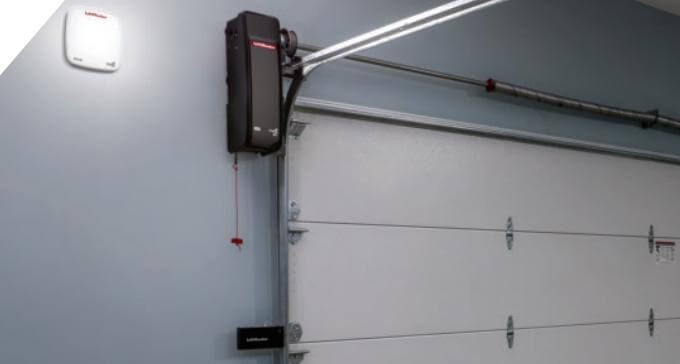
Every garage door opener system includes a manual release cord, typically a red handle hanging from the trolley mechanism. In case of a power outage or opener malfunction, pulling this cord disengages the opener from the door, allowing you to lift and lower it manually. It’s crucial to know where this is and how to use it, especially in emergencies. You can find detailed instructions on how to open your garage door manually in guides like how to open a garage door manually.
Keypad And Remote Security
- Secure Code Entry: As mentioned, rolling codes are standard for remotes. Keypads also use secure entry systems, and many allow for temporary codes or scheduled access.
- Lockout Features: Some openers have a vacation mode or lockout feature that disables remote operation, preventing the door from being opened even with a remote or app, enhancing security when you’re away for extended periods.
Comparing Opener Types: A Data-driven Look
Choosing the right garage door opener involves balancing cost, noise, durability, and features. Below is a comparison table to help illustrate the key differences between the most common drive mechanisms.
| Feature | Chain Drive | Belt Drive | Screw Drive | Direct Drive |
|---|---|---|---|---|
| Noise Level | Loudest | Quietest | Moderate | Extremely Quiet |
| Cost (Typical) | $ (Lowest) | $$ (Moderate) | $$ (Moderate) | $$$ (Highest) |
| Durability | Very High | High | High | High |
| Speed | Moderate | Moderate to Fast | Fastest | Fast |
| Maintenance | Requires lubrication & tensioning | Low | Requires lubrication | Very Low |
| Best For | Budget-conscious, detached garages | Attached garages, noise-sensitive homes | Homes needing fast operation, moderate noise | Luxury homes, quietest operation desired |
Example Scenario: The Suburban Family
Consider a suburban family with an attached garage. Noise is a significant concern as their master bedroom is located directly above. They primarily use the garage for their two vehicles and occasional DIY projects.
- Chain Drive: While budget-friendly, the noise would likely be disruptive, especially during early mornings or late nights.
- Belt Drive: This would be an excellent choice. The quiet operation minimizes noise disturbance, and the durability is sufficient for their needs. It’s a good balance of performance and cost.
- Screw Drive: Offers speed, but the noise might still be noticeable, and it might be overkill if speed isn’t a top priority.
- Direct Drive: The quietest option, but likely the most expensive and potentially unnecessary for their needs.
For this family, a belt drive opener with a DC motor and battery backup would likely be the ideal solution, offering quiet operation, reliability, and essential safety features without breaking the bank.
Installation And Maintenance Considerations
The installation and ongoing maintenance of a garage door opener are critical for its performance, longevity, and safety. While some DIY enthusiasts may attempt installation, it’s often a complex task best left to professionals.
Professional Installation
- Expertise: Professionals have the experience and tools to ensure the opener is installed correctly, securely, and in compliance with all safety regulations.
- Calibration: They can properly calibrate the opener’s force settings, travel limits, and safety features for your specific door.
- Warranty: Professional installation often ensures the opener’s warranty remains valid.
- Time Savings: Saves you the time and potential frustration of a complex DIY project.
The cost of professional installation can vary, but it’s often factored into the overall expense of purchasing a new opener. Researching garage door costs, including installation, is wise.
Routine Maintenance
Regular maintenance ensures your opener operates smoothly and safely. Key maintenance tasks include:
- Lubrication: Periodically lubricate the opener’s moving parts, including the chain (if applicable), springs, hinges, and rollers. This reduces friction and noise. Refer to guides on how to lubricate garage door rollers for best practices.
- Check for Wear and Tear: Inspect the chain, belt, pulleys, and rail for any signs of damage, fraying, or excessive wear.
- Test Safety Features: Regularly test the automatic reversal system by placing a piece of wood on the ground in the door’s path. Ensure the door reverses upon contact. Also, test the manual release.
- Tighten Hardware: Ensure all bolts and screws on the opener and mounting brackets are tight.
- Adjustments: Over time, you may need to adjust the opener’s travel limits or force settings. For example, you might need to learn how to adjust a Chamberlain garage door opener or similar for your specific brand.
- Chain Adjustment: If you have a chain drive, you may occasionally need to learn how to adjust the chain to maintain proper tension.
Troubleshooting Common Issues
- Opener Not Responding: Check power supply, remote battery, and ensure the opener is not in vacation mode. You might need to reset your garage door remote or the opener itself (e.g., resetting the opener).
- Door Opens/Closes Slowly: Could be an issue with the springs, lack of lubrication, or an opener that is underpowered or failing.
- Opener Runs, But Door Doesn’t Move: This usually indicates the trolley has become disengaged from the door or the drive mechanism has failed. Pulling the manual release should allow manual operation.
Frequently Asked Questions
What Is The Quietest Type Of Garage Door Opener?
The direct drive opener is generally considered the quietest, as its motor is integrated into the trolley and there are no chains, belts, or screws running along the rail. Belt drive openers are also very quiet and are a popular choice for noise-sensitive applications.
How Do I Know What Horsepower Opener I Need?
You need to match the opener’s horsepower to the weight and size of your garage door. Lighter doors (e.g., single-layer steel) typically require 1/2 HP, while heavier doors (e.g