When considering a garage door opener for your Overhead Door brand system, compatibility is a paramount concern. Overhead Door is a renowned name in the industry, known for its robust and reliable garage door products. However, like many manufacturers, they utilize proprietary technology for their openers, which can sometimes lead to confusion about whether third-party openers will work seamlessly. Understanding the intricacies of opener technology, specifically radio frequency (RF) protocols and rolling codes, is crucial to making an informed decision.
The primary challenge in finding compatible openers lies in the security features implemented by manufacturers like Overhead Door. Early garage door openers used fixed codes, meaning the remote sent the same signal every time. This made them vulnerable to code grabbing. Modern systems, including those from Overhead Door, predominantly use rolling codes (also known as hopping codes). This technology changes the access code with each use, significantly enhancing security. While this is a fantastic security feature, it means that a universal opener needs to be able to learn and replicate these rolling codes, or Overhead Door must offer specific compatibility with certain universal brands.
Key Takeaways
- Overhead Door openers primarily use proprietary rolling code technology, making direct compatibility with all universal openers unlikely.
- Rolling code technology enhances security by changing the access code with each operation, preventing code grabbing.
- The most reliable way to ensure compatibility is to use an Overhead Door branded opener or a remote specifically designed for their systems.
- Certain universal remotes and openers may offer compatibility with specific Overhead Door models by learning their rolling codes, but this requires careful verification.
- Frequency and encryption type are critical technical factors determining opener compatibility.
- Older Overhead Door systems with fixed codes are more likely to be compatible with universal openers, but these are less secure.
- Always check the opener’s manual or the manufacturer’s compatibility list before purchasing a new opener or remote.
Understanding Overhead Door Opener Technology
Overhead Door has been a significant player in the garage door industry for decades, offering a wide range of openers designed for residential and commercial use. Their commitment to innovation has led them to adopt advanced technologies to enhance both functionality and security.
Understanding the core technologies behind their openers is the first step to determining compatibility with other systems.
Rolling Code Technology: The Security Standard
The vast majority of modern garage door openers, including those from Overhead Door, employ rolling code technology. This system, often referred to by brand-specific names like CodeDodger® by Overhead Door, is designed to thwart potential burglars who might try to “capture” your remote’s signal and use it to open your garage.
Here’s how it works:
- Unique Code Generation: Each time you press your garage door remote button, it sends a unique, encrypted signal to the opener.
- Synchronized Sequence: The remote and the opener’s receiver are synchronized to a specific sequence of codes.
- Code Advancement: After each successful operation, both the remote and the receiver advance to the next code in the sequence.
- Security Against Capture: If someone were to intercept a signal, that specific code would only be valid for that single use and would not work again. The next time you press the button, a different code is sent.
This sophisticated system provides a high level of security, but it also presents a challenge for universal opener manufacturers. For a universal opener to be compatible with an Overhead Door system using rolling codes, it must be able to learn and replicate this dynamic code sequence.
Fixed Code Technology: An Older, Less Secure Method
Before the widespread adoption of rolling codes, garage door openers used fixed code technology. With this system, the remote transmitted the same code every time it was pressed. While simpler, it was also far less secure, as a captured signal could be used repeatedly to open the garage.
Some very old Overhead Door systems might still use fixed codes. If you have an older model, you might find a wider range of universal openers compatible with it. However, it’s crucial to weigh the convenience of universal compatibility against the significantly lower security of fixed code systems.
Most modern security recommendations strongly advise against using fixed code openers.
Radio Frequency (rf) And Frequency Bands
Garage door openers operate on specific radio frequencies. The most common frequencies used by residential garage door openers are 315 MHz and 390 MHz. Overhead Door, like other manufacturers, uses these frequencies for their systems.
Compatibility issues can arise if a universal opener operates on a different frequency or if it cannot accurately transmit on the specific frequency used by your Overhead Door opener. Additionally, even if the frequency matches, the encryption protocol must also be compatible.
A universal opener needs to be able to “speak the same language” as the receiver in your Overhead Door opener unit.
Identifying Your Overhead Door Opener Model
Before you can determine compatibility, you need to know exactly which Overhead Door opener model you have. This information is crucial for researching compatible remotes or universal openers.
Locating The Model Number
The model number is typically found on a label or sticker affixed to the garage door opener motor unit itself. This unit is usually mounted on the ceiling, directly above the garage door track.
- Look for a sticker: Carefully inspect the sides, bottom, and back of the motor unit. The label often contains the manufacturer’s name (Overhead Door), the model number, serial number, and sometimes the frequency.
- Check the user manual: If you still have the original owner’s manual for your garage door opener, the model information will be clearly stated within it.
- Manufacturer’s website: If you can’t find a physical label, you might be able to identify your opener by its appearance on the Overhead Door website or by contacting their customer support with a description of your system.
Understanding The Opener’s Age And Technology
The age of your Overhead Door opener can often indicate the type of technology it uses.
- Pre-2000: Openers from this era are more likely to use fixed code technology.
- Post-2000: Openers manufactured after the year 2000 are almost certainly using rolling code technology.
Knowing the approximate age helps narrow down the search for compatible openers. For instance, if you have a very old system, a basic universal remote might work. If it’s a newer system, you’ll need a more advanced universal remote or a specific Overhead Door remote.
Credit: overheaddoorpartsonline.com
Options For Compatible Openers And Remotes
When seeking to operate an Overhead Door system, you generally have three main avenues: using genuine Overhead Door products, employing specific universal remotes, or, in rare cases, using certain multi-brand openers.
1. Genuine Overhead Door Remotes And Accessories
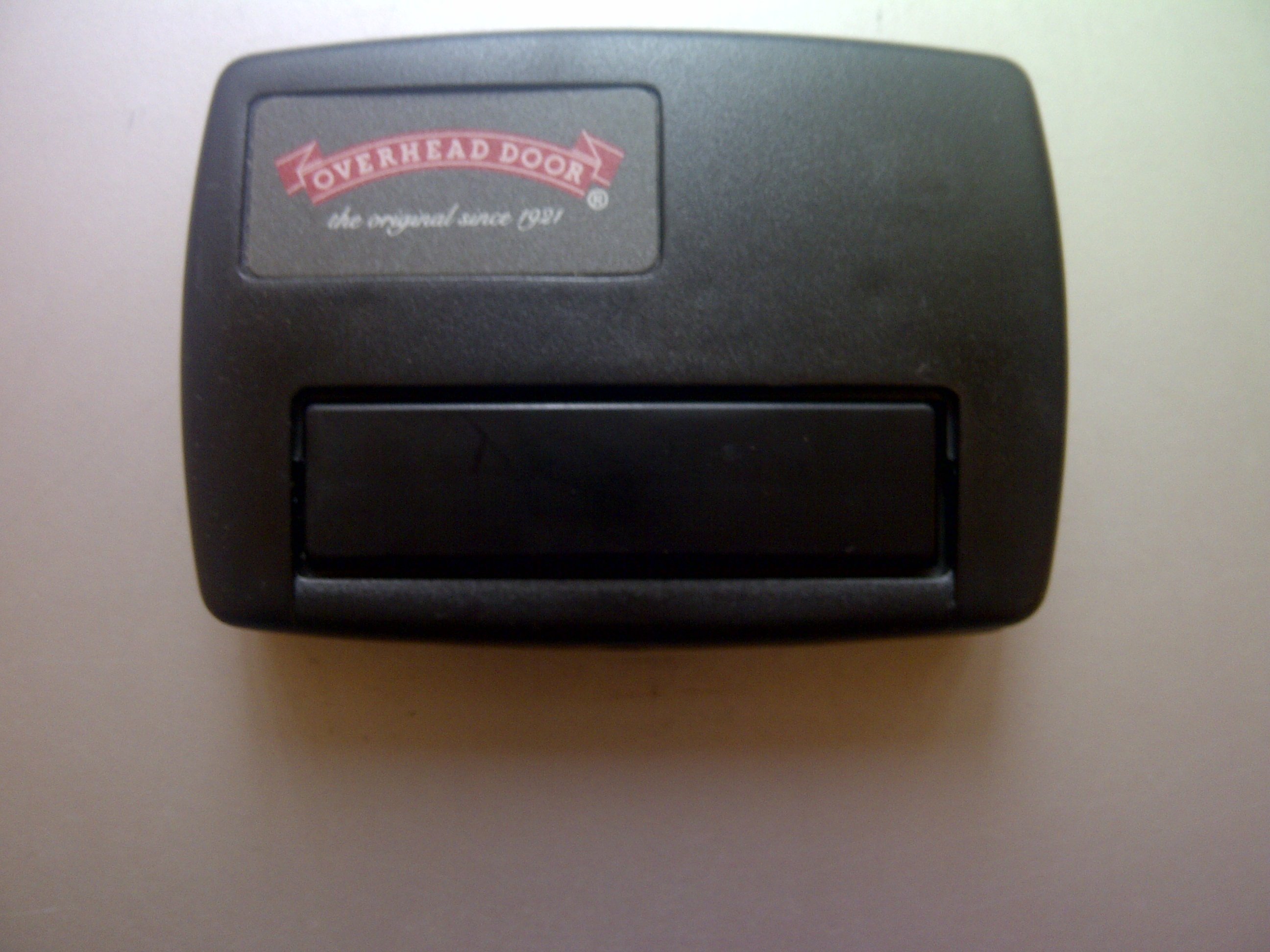
The most straightforward and guaranteed method for ensuring compatibility is to purchase remotes, keypads, or even replacement opener units directly from Overhead Door or authorized dealers. These products are designed to work flawlessly with your existing Overhead Door opener system.
- Advantages:
- Guaranteed Compatibility: No guesswork involved.
- Optimal Performance: Designed to work with your specific opener’s technology.
- Full Security Features: Leverages the full security capabilities of your system, including rolling codes.
- Warranty Support: Usually comes with a manufacturer’s warranty.
- Disadvantages:
- Potentially Higher Cost: Genuine parts can sometimes be more expensive than universal alternatives.
- Limited Options: You are restricted to Overhead Door’s product line.
If you need a replacement remote for your Overhead Door opener, searching for remotes compatible with your specific model number (e. g. , a remote for an Overhead Door Destiny® 1200) is the safest bet.
2. Universal Garage Door Openers And Remotes
The market offers a wide array of universal garage door openers and remotes that claim compatibility with multiple brands, including Overhead Door. These devices work by being able to learn and replicate the signals of various opener systems.
How Universal Remotes Work with Rolling Codes:
For a universal remote to work with a rolling code system like Overhead Door’s CodeDodger®, it typically needs to have a programming mode that allows it to “listen” to the original remote’s signal or be programmed directly to the opener’s motor unit. The process usually involves:
- Selecting the Brand: You’ll often press a button sequence on the universal remote to indicate it should try to learn Overhead Door signals.
- Programming: This might involve holding the universal remote near the original remote or going to the garage door opener motor unit and pressing a “learn” button.
- Code Synchronization: The universal remote then attempts to synchronize with the opener’s rolling code sequence.
Key Considerations for Universal Compatibility:
- Specific Overhead Door Series: Not all universal openers are compatible with all Overhead Door models. Some universal remotes are designed for specific generations of Overhead Door’s rolling code technology (e.g., CodeDodger® 1, 2, or 3). You must verify which version your opener uses.
- Frequency: Ensure the universal remote operates on the same frequency (315 MHz or 390 MHz) as your Overhead Door opener.
- Programming Instructions: Carefully follow the programming instructions provided with the universal remote. These can vary significantly between brands and models.
- Limited Compatibility: Some universal remotes might only be compatible with older Overhead Door systems or specific product lines. Always check the compatibility list provided by the universal remote manufacturer.
Example Universal Brands Known for Broad Compatibility:
- Chamberlain/LiftMaster/Craftsman: These brands often share technology and produce universal remotes that can sometimes work with Overhead Door systems, especially if they are newer models. Look for models that explicitly list Overhead Door compatibility.
- Genie: While Genie is a competitor, some of their universal remotes might be programmed to work with other brands.
- Remotec, Linear, etc. : Several other manufacturers specialize in universal remotes.
Pro Tip: Before purchasing a universal remote, check the manufacturer’s website for a compatibility chart or contact their customer support to confirm it will work with your specific Overhead Door model number and its rolling code technology.
3. Multi-button Garage Door Keypads
Similar to universal remotes, universal keypads allow you to open your garage door using a PIN code. These also need to be compatible with the specific RF protocol and rolling code technology of your Overhead Door opener.
- Advantages: No need to carry a remote; convenient for multiple users.
- Disadvantages: Requires careful programming and verification of compatibility with Overhead Door’s rolling codes.
4. Replacing The Entire Opener Unit
If your Overhead Door opener is very old, malfunctioning, or you simply want to upgrade to a system with more modern features (like smart home integration), replacing the entire opener unit is an option. In this scenario, you could choose a new opener from a different manufacturer that offers broader universal compatibility or one that integrates with smart home systems.
However, if you’re invested in the Overhead Door brand, you can also opt for a new Overhead Door opener.
When replacing the opener, ensure it’s compatible with your existing garage door (weight, size, type) and that it meets your needs regarding power, features, and security. The cost of a new opener can range significantly, from a few hundred dollars for a basic chain drive to over a thousand for a high-end belt drive with smart features. You can find more details on these costs at garage door costs.

Credit: www.amazon.com
Factors Affecting Opener Compatibility
Several technical factors dictate whether a new opener or remote will work with your existing Overhead Door system. Understanding these will help you make a more informed purchase.
1. Radio Frequency (rf)
As mentioned earlier, garage door openers operate on specific radio frequencies. Most modern openers use either 315 MHz or 390 MHz. Overhead Door uses both frequencies depending on the model and year of manufacture.
- Matching Frequencies: A new remote or opener must transmit on the same frequency as your Overhead Door receiver. A 315 MHz remote will not communicate with a 390 MHz opener, and vice versa.
- Dual-Frequency Remotes: Some universal remotes are designed to operate on multiple frequencies, increasing their compatibility range.
2. Rolling Code Technology And Encryption
This is the most significant hurdle for universal compatibility. Overhead Door’s proprietary rolling code systems, like CodeDodger®, use specific encryption algorithms.
- Proprietary Algorithms: For a universal opener to work, it must be programmed to understand and replicate Overhead Door’s specific rolling code encryption. Not all universal devices are programmed for this.
- CodeDodger® Generations: Overhead Door has updated its CodeDodger® technology over the years (e.g., CodeDodger® 1, CodeDodger® 2, CodeDodger® 3). A universal remote designed for CodeDodger® 1 might not work with CodeDodger® 3. It’s essential to identify which generation your opener uses.
3. Opener Model And Year Of Manufacture
The specific model number and the year your Overhead Door opener was manufactured are critical pieces of information.
- Model-Specific Compatibility: Some remotes are designed for specific Overhead Door models (e.g., Legacy® 800, Python® 2000).
- Year-Based Technology: As technology evolves, so does compatibility. A universal remote that works with a 2015 Overhead Door opener might not work with a 2005 model, and vice versa.
4. Dip Switches (older Systems)
Very old Overhead Door openers might use DIP switches. These are small switches inside the remote and the opener unit that are set to a specific combination. If your system uses DIP switches, compatibility is generally straightforward, as you simply need to match the switch settings. However, these systems are far less secure and are rarely found on modern installations.
5. Integrated Drive Systems
Some modern garage door openers are integrated with smart home systems or have unique drive mechanisms. Ensuring compatibility might involve checking for specific smart home protocols (like MyQ, HomeKit, Google Assistant) or ensuring the new opener’s drive system is compatible with your garage door’s weight and balance.
Troubleshooting Common Compatibility Issues
Even with careful selection, you might encounter issues when trying to pair a new opener or remote with your Overhead Door system. Here are some common problems and solutions:
Issue: Remote Not Responding
- Cause: Incorrect programming, wrong frequency, incompatible rolling code technology, dead battery in the remote.
- Solution:
- Re-program: Carefully follow the programming instructions for both your Overhead Door opener and the new remote. Sometimes, a simple error in the sequence can prevent it from working. For specific instructions on resetting remotes, you might find resources like how to reset garage door remotes helpful.
- Check Battery: Replace the battery in the new remote.
- Verify Frequency: Ensure the remote operates on the same frequency as your opener.
- Confirm Compatibility: Double-check that the remote is explicitly listed as compatible with your specific Overhead Door model and its rolling code technology (e.g., CodeDodger® generation).
- Check Opener Learn Button: Ensure the “learn” button on the motor unit is functioning correctly.
Issue: Opener Responds Intermittently
- Cause: Weak signal due to distance, interference from other RF devices, or a faulty receiver/transmitter.
- Solution:
- Reduce Distance: Try programming and operating the remote closer to the opener unit.
- Minimize Interference: Turn off or move potential sources of interference (e.g., LED lights, wireless routers, other radio devices) temporarily to see if it improves performance.
- Check Antenna: Ensure the antenna wire on the opener motor unit is hanging freely and is not damaged.
- Inspect Wiring: Check for any loose or damaged wiring connections on the opener unit.
Issue: Universal Remote Learns Code But Doesn’t Operate Door
- Cause: The universal remote may have learned a fixed code or an older rolling code sequence that is no longer valid, or it hasn’t fully synchronized with the opener’s current code.
- Solution:
- Erase and Re-learn: Erase any previously programmed codes on the universal remote and the opener, then attempt the programming process again, ensuring you are following the steps for rolling code synchronization precisely. You may need to consult the guide on how to reset your garage door opener.
- Check for Specific Overhead Door Programming: Some universal remotes require a specific sequence for Overhead Door’s rolling codes. Consult the remote’s manual or manufacturer support.
Issue: Opener Only Works With Original Remote
- Cause: The universal remote is not compatible with the specific rolling code technology or generation used by your Overhead Door opener.
- Solution:
- Purchase Genuine Remote: The most reliable solution is to buy a replacement remote specifically designed for your Overhead Door model.
- Research Advanced Universal Remotes: Look for higher-end universal remotes that explicitly state compatibility with multiple generations of Overhead Door’s CodeDodger® technology.
Maintaining Your Garage Door Opener System
Regardless of whether you use an Overhead Door branded opener or a compatible universal one, regular maintenance is key to ensuring longevity and optimal performance.
Regular Inspections
Periodically inspect your garage door opener system for any signs of wear or damage. This includes checking the drive mechanism (chain, belt, or screw), the motor unit, and the safety sensors.
Lubrication
Proper lubrication of the moving parts of your garage door system, including rollers and hinges, is essential for smooth operation and reduced strain on the opener. This can prevent premature wear and tear. For guidance, refer to articles like how to lube garage door rollers.
Adjustments
Over time, the chain or belt drive on your opener might require adjustment to maintain proper tension. Similarly, the travel limits and force settings might need recalibration. If you notice the door struggling to open or close, an adjustment might be necessary. Resources like how to adjust the chain on a garage door opener can provide detailed steps.
Safety Sensor Alignment
The safety sensors located near the bottom of your garage door tracks are crucial for preventing accidents. Ensure they are clean, unobstructed, and properly aligned. If they are misaligned, the door may refuse to close or reverse unexpectedly.
Frequently Asked Questions
What Does It Mean If My Overhead Door Opener Uses “codedodger®”?
CodeDodger® is Overhead Door’s proprietary rolling code technology. It enhances security by changing the access code transmitted by your remote each time you use it, preventing unauthorized access. This means you need a remote or opener specifically designed to work with this rolling code system.
Can I Use A Liftmaster Remote With My Overhead Door Opener?
Compatibility between LiftMaster and Overhead Door openers can be tricky. While some universal remotes from Chamberlain/LiftMaster might be programmed to work with certain Overhead Door models, it’s not a universal guarantee. You must check the specific universal remote model’s compatibility list to see if it explicitly supports your Overhead Door opener’s frequency and rolling code technology.
It’s always best to confirm directly with the remote manufacturer.
How Do I Know If My Overhead Door Opener Uses Rolling Codes Or Fixed Codes?
If your Overhead Door opener was manufactured after the year 2000, it almost certainly uses rolling codes. Older models, typically manufactured before 2000, might use fixed codes. A quick check of the opener’s label or manual might also indicate the technology used.
If you have an older remote with DIP switches, it’s likely a fixed code system.
What Is The Difference Between A Universal Remote And A Multi-button Remote For Overhead Door?
A universal remote is designed to be programmed to operate multiple different brands and models of garage door openers. A multi-button remote might be specific to one brand (like Overhead Door) but have multiple buttons to control different doors or features. For Overhead Door, you’d look for a universal remote that explicitly lists compatibility with Overhead Door’s rolling codes, or a genuine Overhead Door multi-button remote.
If I Buy A Universal Opener, Will It Work With My Existing Overhead Door Remotes?
Typically, a universal opener unit (the motor and receiver system) is designed to work with its own set of remotes. If you’re replacing your entire opener unit with a universal one, your old Overhead Door remotes will likely *not* work with the new universal opener. You would need to use the remotes that come with the new universal opener or purchase compatible remotes for it.
Ensuring your garage door opener is compatible with your Overhead Door system is vital for both security and convenience. While genuine Overhead Door accessories offer the most straightforward solution, advanced universal remotes can provide a cost-effective alternative if compatibility is thoroughly verified.
Always prioritize security