
A garage door is more than just a way to close off your garage; it’s a key part of your home’s security, energy efficiency, and appearance. Many homeowners wonder, “How long should a garage door last? ” The answer isn’t always simple.
The lifespan depends on the material, how often you use it, the climate, and the quality of installation. Understanding what affects a garage door’s life can help you make better decisions about maintenance, repair, or replacement. This guide will give you clear, practical insights so you can get the most from your garage door and avoid unexpected problems.
Average Lifespan Of A Garage Door
Most garage doors last between 15 to 30 years. This wide range comes from several factors, including the door’s material, the quality of its parts, and how well you take care of it. For example, a door made from high-quality steel may last longer than a basic wood or aluminum model.
Usage also plays a big part. If you open and close your garage door four times a day, that’s about 1,500 cycles per year. Many springs and openers are rated for a set number of cycles (usually 10,000-20,000). When these parts wear out, the door can fail even if the panels look fine.
Here’s a basic comparison of lifespans for common materials:
| Material | Average Lifespan | Notes |
|---|---|---|
| Steel | 20–30 years | Very durable, resists warping |
| Aluminum | 15–20 years | Lightweight, can dent easily |
| Wood | 15–25 years | Can rot or warp if not maintained |
| Fiberglass | 20–25 years | Resists moisture, can fade over time |
| Vinyl | 20–30 years | Low maintenance, resists dents |
Non-obvious insight: Many homeowners think the door panel is the only part that matters, but the springs and opener usually wear out sooner and can end the door’s effective life.
Key Factors That Affect Garage Door Lifespan
Several things decide how long your garage door will last. Knowing these will help you avoid common mistakes and extend the life of your door.
Material Quality
High-quality materials last longer and need less repair. Steel and vinyl doors often outlast wood or cheaper aluminum. However, high-quality wood doors can also last if you care for them properly. Low-cost doors may seem like a good deal, but they often cost more in repairs and early replacement.
Frequency Of Use
The more you use your garage door, the sooner its parts wear out. A family who uses the garage as the main entry will use the door more than someone who only uses it for storage. Every open-and-close cycle puts stress on springs, rollers, and the opener.
Maintenance Habits
Regular maintenance is a big factor. Oiling moving parts, checking balance, and cleaning tracks all help prevent early failure. Many people skip these steps, leading to expensive repairs.
Climate And Weather
Extreme weather, like heavy rain, snow, or sun, can damage a garage door. Wood doors can warp or rot in wet climates. Metal doors may rust if not protected. Areas with salty air (like near the ocean) are even tougher on metal doors.
Installation Quality
A well-installed door opens and closes smoothly. Poor installation can cause the door to move unevenly, making parts wear out quickly. Always hire a skilled installer, even if it costs more upfront.
Daily Care
Simple habits, like not bumping the door with your car or keeping objects clear of the tracks, can prevent damage.
Signs Your Garage Door Is Nearing The End
You don’t have to wait for your garage door to break completely before you replace it. Here are some signs it may be time for a new one:
- Frequent breakdowns – Needing repairs every few months is a clear warning.
- Noisy operation – Squeaks, grinding, or banging sounds mean parts are worn.
- Slow or uneven movement – The door should move smoothly. Jerking or sticking shows trouble.
- Sagging sections – Especially on wood doors, sagging means rot or weakness.
- Difficulty closing or opening – If the door gets stuck or won’t close fully, it’s a safety risk.
- Visible damage – Rust, cracks, or dents that don’t go away after repairs.
- Outdated safety features – Old doors may lack modern sensors or auto-reverse.
Practical tip: If you notice more than two of these issues, it’s often smarter to replace the door instead of repairing it again.
How To Prolong The Life Of Your Garage Door
If you want your garage door to last as long as possible, you need to be proactive. Here are proven steps to add years to your door’s life:
1. Lubricate Moving Parts
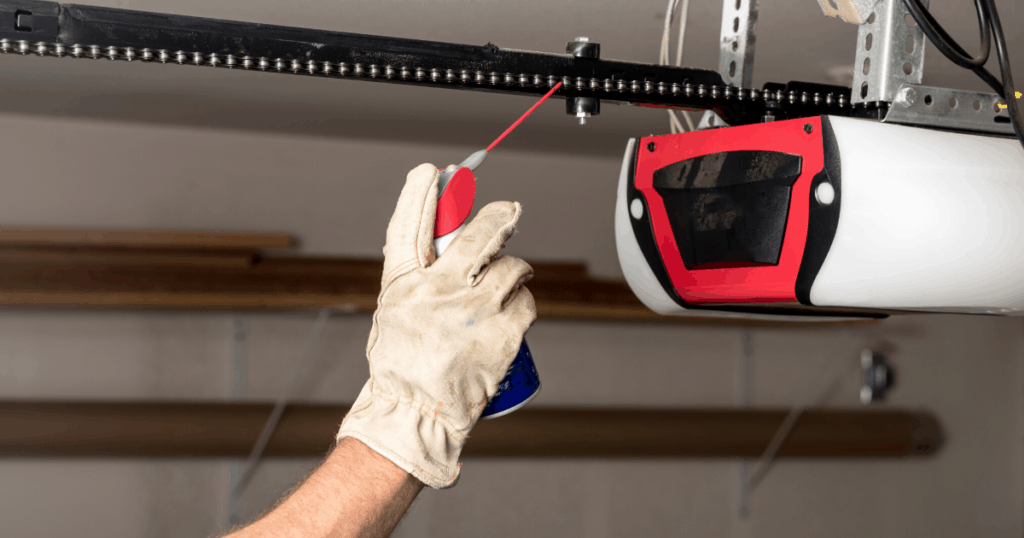
Apply garage door lubricant to rollers, hinges, springs, and tracks every six months. This reduces friction and prevents parts from wearing out early.
2. Clean And Inspect Regularly
Wipe down the door’s surface and check for rust, cracks, or water damage. Clean the tracks so dirt doesn’t cause the door to jam.
3. Test Door Balance
Disconnect the opener and lift the door halfway by hand. If it doesn’t stay in place, the springs may be worn. Unbalanced doors stress the opener and other parts.
4. Tighten Hardware
Garage doors vibrate every time you use them. Check and tighten bolts, screws, and brackets to prevent parts from coming loose.
5. Repaint Or Reseal
Wood and metal doors need a fresh coat of paint or sealant every few years. This protects against moisture, rust, and UV rays.
6. Replace Worn Parts Quickly
If you see worn rollers, frayed cables, or weak springs, replace them before they fail. Waiting can cause more damage.
7. Schedule Professional Service
Have a professional check your door and opener once a year. They can spot problems you might miss.
Non-obvious insight: Many homeowners forget that changing the weatherstripping (the rubber seal at the bottom of the door) can keep out water, pests, and cold air, protecting the door from rot or rust.

Common Garage Door Materials: Pros And Cons
Choosing the right material is critical to both lifespan and maintenance. Here’s a closer look at the most popular options.
Steel
Pros: Strong, resists warping, low maintenance, can be insulated for better energy savings.
Cons: Can rust if scratched and exposed to moisture. Heavier models may need stronger springs.
Aluminum
Pros: Lightweight, won’t rust, good for wide double doors.
Cons: Dents easily, less energy-efficient unless insulated.
Wood
Pros: Attractive, can be customized, adds classic charm.
Cons: Needs regular painting or sealing, can warp or rot, heavy.
Fiberglass
Pros: Resists moisture, won’t warp, lighter than wood or steel.
Cons: Can fade, may crack in very cold climates, less common.
Vinyl
Pros: Durable, resists dents and rust, low maintenance.
Cons: Fewer style choices, colors may fade over time.
Comparing Garage Door Types By Lifespan And Maintenance
To see how different materials compare, look at this summary:
| Material | Lifespan (years) | Maintenance Needs | Typical Problems |
|---|---|---|---|
| Steel | 20–30 | Low | Rust, dents |
| Wood | 15–25 | High | Rot, warping |
| Aluminum | 15–20 | Low | Dents, loose panels |
| Vinyl | 20–30 | Very low | Fading |
| Fiberglass | 20–25 | Low | Cracking, fading |
Experience-based tip: If you live in an area with lots of rain or snow, steel or vinyl is usually a smarter choice than wood.
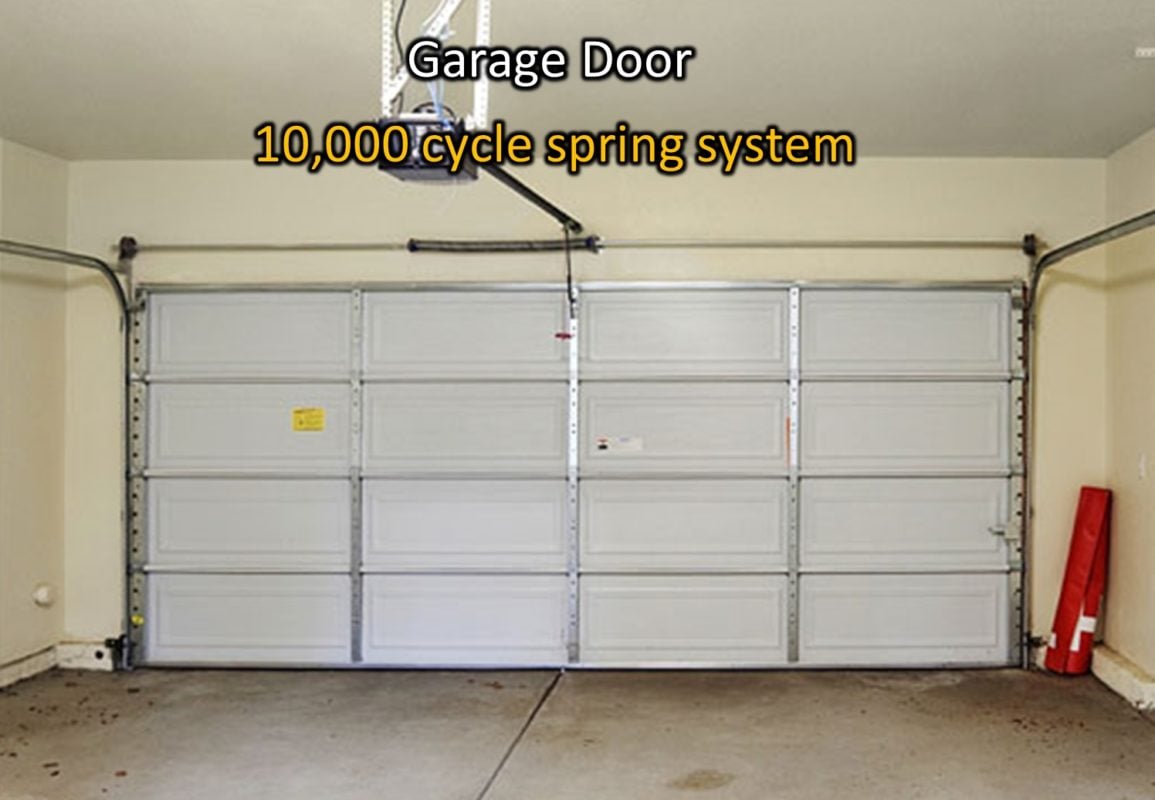
How Garage Door Parts Affect Overall Lifespan
Many people focus only on the door panel, but a garage door is a system of many moving parts. The springs, opener, rollers, cables, and tracks each have their own life expectancies.
Springs
Most springs last 7 to 12 years or about 10,000 cycles. Heavy use can wear them out sooner. Broken springs are the most common cause of garage door failure.
Rollers
Steel rollers last about 7 years, while nylon rollers can go 10–15 years. Worn rollers make the door noisy and uneven.
Cables
Cables usually last as long as the springs but can fray or snap from rust or wear.
Opener
A garage door opener often lasts 10–15 years. Smart openers may need software updates sooner.
Tracks
Tracks can last for decades if not bent or rusty. Keeping them clean and straight is important.
Here’s a quick part-by-part summary:
| Part | Average Lifespan | Signs of Failure |
|---|---|---|
| Springs | 7–12 years | Loud snap, door won’t open |
| Rollers | 7–15 years | Noisy movement, wobbling |
| Cables | 7–12 years | Fraying, uneven door |
| Opener | 10–15 years | Slow, won’t move door |
| Tracks | 20+ years | Door jams, scraping |
Straight-to-the-point advice: If your door is older than 20 years and you’ve replaced springs or rollers multiple times, it may be more cost-effective to get a new door.
Cost Vs. Lifespan: When To Repair Or Replace
One of the hardest questions is knowing when to repair a door and when to replace it. Repairs are cheaper in the short term but can add up.
Repair is usually best if:
- The door is less than 10 years old
- Damage is limited to one part (like a broken spring or dented panel)
- The door still has modern safety features
Replacement is smarter if:
- The door is over 15 years old
- Multiple parts are worn out
- Repairs cost more than half the price of a new door
- Energy bills are rising due to poor insulation
- The door lacks auto-reverse or other safety features
Example: If your steel door is 18 years old, the opener is failing, and springs have snapped, replacing everything at once is usually more reliable and cost-effective.
How Climate Impacts Garage Door Longevity
Where you live affects how long your garage door lasts. Weather, humidity, and temperature swings all play a role.
Cold Climates
Cold makes metal parts contract, which can lead to brittle springs or stuck tracks. Salt used on driveways can speed up rust.
Humid Or Rainy Areas
Moisture is the main enemy of wood and steel. Without good sealing, wood can rot and steel can rust. Vinyl and fiberglass are better choices here.
Hot, Sunny Locations
Constant sun can fade or crack fiberglass and vinyl doors. Metal expands in heat, which can make the door bind or rub.
Tip: If you live near the ocean, choose materials that resist rust (aluminum or vinyl) and rinse the door often to remove salty air.
Safety And Modern Features: Why Age Matters
Older garage doors often lack important safety features. Modern doors come with auto-reverse sensors, better insulation, and quieter operation. If your door is over 20 years old, upgrading can make your home safer and more comfortable.
Examples of safety features:
- Photo-eye sensors: Stop the door if something is in the way.
- Rolling code openers: Prevent thieves from copying your remote signal.
- Pinch-resistant panels: Protect fingers from getting caught.
Upgrading adds value to your home and peace of mind.
Mistakes That Shorten Garage Door Lifespan
Many homeowners make errors that cause doors to fail early:
- Skipping maintenance – Even simple tasks like oiling parts can double a door’s life.
- Ignoring small problems – Little noises or slow movement mean bigger issues are coming.
- Using the door as a wall – Leaning bikes or storing heavy items against the door can bend tracks and panels.
- Trying DIY repairs on springs – Springs are under high tension and can cause injury.
- Not insulating the garage – Temperature changes stress the door and opener.
Non-obvious insight: Leaving pet doors or windows open in the garage invites moisture and pests that can damage door parts from the inside.
Practical Tips For Extending Garage Door Life
- Use a surge protector for your garage door opener to prevent damage from lightning or power surges.
- Clear snow and ice from under the door in winter to avoid sticking and seal damage.
- If you paint your door, use high-quality exterior paint and avoid dark colors in sunny climates to reduce fading.
- Keep remote controls out of reach of small children to prevent accidental damage.
Real-world Example: Typical Homeowner Experience
Consider a homeowner who installs a mid-range steel garage door. They use the garage as the main entrance, about five cycles per day, and live in a moderate climate. With yearly maintenance, their door lasts 22 years before the panels show rust and the opener fails.
By replacing springs and rollers as needed and repainting every seven years, they avoid major repairs until the last few years.
In contrast, a neighbor skips maintenance, rarely checks for rust, and lets the door go without painting. Their door develops major rust after just 12 years, and the opener fails after 9. This costs them more in repairs and leads to early replacement.
Takeaway: Good habits and simple maintenance can add a decade or more to your garage door’s life.
When Is It Time For A New Garage Door?
You should consider a replacement when:
- The door is over 20 years old and shows signs of wear.
- Repairs are frequent and costly.
- The door lacks modern safety or energy features.
- You want to improve your home’s appearance or resale value.
A new garage door can improve curb appeal, lower energy costs, and make your home safer.
Summary Of Main Points
- The average garage door lasts 15 to 30 years.
- Material, maintenance, and climate are key factors.
- Springs, rollers, and openers often wear out before the door panel.
- Regular care and fast repairs can double your door’s life.
- Modern doors offer more safety and better insulation.
- Know when to repair and when to replace for best value.
For more in-depth technical details, check the official HomeAdvisor guide.
Frequently Asked Questions
How Often Should I Service My Garage Door?
You should have your garage door serviced by a professional once a year. This helps catch problems early and keeps parts working smoothly. DIY checks, like oiling and cleaning, can be done every few months.
What Is The Most Durable Garage Door Material?
Steel and vinyl are the most durable materials for garage doors. Steel is strong and can be insulated for energy savings. Vinyl resists dents, rust, and doesn’t need much maintenance.
Do Garage Doors Come With Warranties?
Yes, most new garage doors include a warranty. These usually cover the panels for 10–20 years and parts like springs and openers for 1–5 years. Always check the warranty details before buying.
Can I Replace Just The Garage Door Panel?
Sometimes you can replace a single panel if it’s damaged and the rest of the door is in good shape. However, if your door is old or multiple panels are damaged, full replacement is usually better.
What Causes Garage Door Springs To Break?
Springs break from repeated use and age. Each spring is rated for a set number of cycles. Rust, poor maintenance, and cold weather can make springs fail even faster.
A little care and smart choices can make your garage door last for decades. By staying alert and proactive, you’ll enjoy a safe and reliable garage for years to come.