
When building or upgrading a garage, the width of the garage door is one of the most important decisions you’ll make. Many homeowners are surprised to discover that single garage doors are not a “one size fits all” solution. Door width affects everything from parking comfort to storage options and even home value. If you’re unsure about standard sizes, how to measure for replacement, or want to know the pros and cons of different widths, this guide will help you make a confident choice. Let’s explore everything you need to know about how wide a single garage door really is—and why it matters more than you might think.
Understanding Standard Single Garage Door Widths
Most garages in the US are built with standard door sizes, but there’s more variation than you might expect. When people ask, “How wide is a single garage door? ”, the answer usually falls within a range.
The most common single garage door widths are:
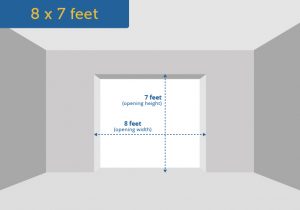
- 8 feet (96 inches)
- 9 feet (108 inches)
- 10 feet (120 inches)
While these sizes are standard, you may also find doors as narrow as 7 feet and as wide as 12 feet in some homes.
Let’s look at why these sizes are so common.
Why 8, 9, And 10 Feet?
- 8-foot doors: Once the most popular, these are often found in homes built before 1990. They fit most sedans and compact cars but can feel tight for larger vehicles.
- 9-foot doors: The current standard in most new construction. Offers more room for SUVs and trucks, which are more common today.
- 10-foot doors: Selected for maximum convenience, especially if you want extra clearance or have a wide vehicle.
Regional And Builder Preferences
In some areas, local building codes or contractor preferences influence door sizes. For example, older homes in the Midwest may have 7-foot doors, while newer suburbs in the South often use 9 or 10-foot doors.
Less Common Sizes
While not standard, you might encounter:
- 7 feet: Very rare, mostly in small, older garages.
- 12 feet: Used for small RVs, boats, or homeowners who need extra space for storage alongside the vehicle.
Height Matters Too: Typical Dimensions
Width is only half the story. Single garage doors also come in a few standard heights:
- 7 feet (84 inches) is the most common.
- 8 feet (96 inches) is sometimes used for trucks or tall vehicles.
A typical “standard” single garage door is 9 feet wide by 7 feet high. The height is rarely customized unless there’s a specific need, such as for lifted trucks or special vehicles.

Real-world Examples Of Single Garage Door Widths
Let’s compare typical garage door widths in different scenarios. This will help you see how each size affects daily use.
| Width (Feet) | Common Uses | Typical Vehicles |
|---|---|---|
| 8 | Older homes, compact garages | Sedan, compact SUV |
| 9 | Modern homes, standard garages | SUV, pickup, minivan |
| 10 | Custom builds, large vehicles | Full-size truck, van, wide SUV |
| 12 | Special needs, RV/boat storage | Small RV, trailer, boat |
How To Measure For A Single Garage Door
If you’re replacing a door, measuring correctly is essential. Even an inch can make a big difference.
- Measure the opening width: Use a tape measure and check the distance between the two sides of the finished opening (not the frame or trim).
- Measure the opening height: Measure from the floor to the lowest point of the header (top of the opening).
- Check side and headroom: Ensure there’s enough space on both sides and above the opening for tracks and hardware.
- Measure the backroom: From the opening to the back wall of the garage—this must be at least the height of the door plus 18 inches.
Pro tip: Always measure twice, and measure in feet and inches. Write down your numbers clearly. If your opening is not a standard size (for example, 8 feet 6 inches), you may need a custom door.

Why Garage Door Width Matters
Choosing the right width is about more than just fitting your car. Here’s why the right size makes a difference:
- Parking comfort: A wider door means easier parking, especially if you have a large vehicle or need to open car doors fully.
- Storage flexibility: Extra inches let you store bikes, tools, or other items along the sides.
- Future-proofing: Buying a new, larger vehicle? A wider door means you won’t have to renovate later.
- Home value: Up-to-date, convenient garage doors can improve curb appeal and increase home value.
Factors Affecting The Ideal Single Garage Door Width
Every home and family is different. Before deciding, consider these factors:
Vehicle Size
Measure your vehicle’s width—including mirrors. Most midsize cars are about 6 to 6. 5 feet wide with mirrors extended. A full-size SUV or pickup can be up to 7 feet wide.
- 8-foot door: Works for small and midsize cars.
- 9-foot door: Comfortable for most SUVs and trucks.
- 10-foot door: Necessary for extra-wide vehicles or if you want more space to walk around.
Garage Interior Space
Some garages are narrow inside, so a wider door may not be possible without changing walls or supports. Always check the structure before upgrading to a bigger door.
Local Building Codes
Some cities require minimum garage door sizes, especially for new construction. Check with your local building department to avoid problems later.
Accessibility Needs
If you or a family member uses a wheelchair or walker, a wider door makes entry and exit easier.
Storage Plans
Planning to keep bikes, tools, or other items along the garage wall? Consider how much space you need beside your parked car.
Budget
Wider doors cost more, both for the door itself and installation. But the extra convenience and value can be worth the investment.
Single Garage Door Widths: Pros And Cons
Let’s break down the advantages and disadvantages of common widths.
8-foot Wide Door
Pros:
- Fits most small cars
- Cheaper to buy and install
- Works well for older, smaller garages
Cons:
- Tight fit for SUVs, vans, or trucks
- Harder to open car doors inside the garage
- Limits storage options
9-foot Wide Door
Pros:
- Comfortable for most vehicles
- Easier parking and unloading
- Modern, appealing look
Cons:
- Slightly higher cost than 8-foot
- May require minor framing changes in older garages
10-foot Wide Door
Pros:
- Maximum convenience
- Best for wide or tall vehicles
- Great for families with multiple drivers
Cons:
- Higher cost for door and opener
- May not fit all garage structures without renovation
12-foot Wide Door
Pros:
- Ideal for small RVs, boats, or oversized vehicles
- Allows for storage and workspace on the sides
Cons:
- Expensive and usually custom-made
- Not necessary for most homes
Comparing Single Vs Double Garage Doors
Some homeowners wonder if they should install a double garage door instead of two singles. Here’s a quick comparison.
| Feature | Single Door | Double Door |
|---|---|---|
| Standard Width | 8-10 feet | 16-18 feet |
| Number of Cars | 1 | 2 |
| Cost | Lower | Higher |
| Convenience | Simple for one car | Easy for two cars |
| Space Needed | Less | More |
Single doors are perfect for homes with one car or a narrow driveway. Double doors are better for families with two vehicles or if you want a big, open garage.
How Door Width Affects Garage Function
You might think an extra foot or two doesn’t make a big difference. In reality, door width can impact daily life in several ways:
- Easier Parking: A wide door means less risk of scraping mirrors or bumpers.
- Accessible Storage: You can open car doors fully and still have space for shelves or bikes.
- Less Stress in Bad Weather: Wide doors make it easier to drive in during rain or snow.
- Resale Value: Homebuyers often prefer garages with generous doors—especially in areas with larger vehicles.
Non-obvious insight: Door width also affects air circulation and natural light. Wider doors let in more daylight and can help ventilate the garage, making it more pleasant for hobbies or storage.
Custom Garage Door Widths: When And Why
Sometimes, standard sizes just don’t fit your needs. Here’s when a custom width makes sense:
- Unique vehicles: Classic cars, lifted trucks, or custom campers may need a non-standard size.
- Non-standard garage openings: Older homes or converted spaces may have odd-sized openings.
- Special uses: Workshops, home gyms, or art studios in the garage often need extra width for equipment.
Custom doors cost more and usually take longer to order, but they can solve problems standard sizes can’t.
Non-obvious insight: If your garage is attached to the house, a custom wider door can improve fire safety by allowing faster exit in an emergency.
How To Choose The Right Width For Your Needs
With so many options, how do you pick the best width? Here’s a practical approach:
- Measure your vehicle: Include side mirrors and allow at least 12-18 inches of clearance on each side.
- Think about the future: Are you planning to buy a bigger vehicle? Kids who will drive soon? Don’t limit yourself.
- Consider storage: Will you need space for bikes, tools, or a workbench?
- Check your garage’s structure: Can the walls accommodate a wider door, or would it require major changes?
- Ask a professional: A garage door installer can recommend the ideal size based on your home and needs.
Popular Materials For Single Garage Doors And Their Impact On Width
The material of your garage door doesn’t change the opening width, but it can affect the overall space and function.
- Steel: The most common material. Durable, low-maintenance, and available in all standard widths.
- Aluminum: Lightweight and modern, but may dent more easily.
- Wood: Traditional look, but thicker panels can slightly reduce the usable opening.
- Fiberglass: Good for humid climates, available in many styles.
Some custom wood doors have thicker frames, so the “clearance width” (the space you can drive through) is a bit less than the actual door size.
Installation Considerations
When installing a new door, width is only part of the process.
- Tracks and hardware: Need enough side and headroom for the door to move freely.
- Garage opener: Must be rated for the door’s width and weight.
- Weatherstripping: Proper seals on the sides keep out drafts and water, especially important for wider doors.
- Professional installation: Ensures the door is balanced and safe.
DIY installation is possible, but improper installation can lead to safety risks or damage to your car and home.
Cost Of Different Single Garage Door Widths
Price depends on size, material, and features. Here’s a general guide:
| Door Width | Average Cost (Installed) | Notes |
|---|---|---|
| 8 feet | $600 – $1,000 | Basic steel or aluminum |
| 9 feet | $800 – $1,200 | Most common choice |
| 10 feet | $1,000 – $1,500 | Premium models or materials |
| 12 feet | $1,500 – $2,500+ | Custom or special use |
Remember: These are averages. Fancy finishes, insulation, or windows increase the price. For the latest cost data, check the HomeAdvisor Garage Door Cost Guide.
Maintenance And Long-term Considerations
Wider doors have a few unique maintenance needs:
- Heavier doors: Need stronger springs and openers.
- More moving parts: Wider doors can stress tracks and rollers more.
- Weather impact: Large doors can be affected more by wind, so proper bracing is important.
Regular maintenance—lubrication, checking balance, and inspecting hardware—keeps any width working smoothly.
Upgrading Or Widening An Existing Garage Door
If your garage feels cramped, you might wonder: can you widen the opening for a bigger door?
- Structural changes: You may need to move support posts or reframe the opening.
- Permits: Most cities require a permit for this kind of work.
- Cost: Expect to pay for both the new door and the construction work, which can add $1,000–$3,000 or more.
- Professional help: Always hire a licensed contractor, as improper changes can weaken your garage.
Upgrading is a great way to improve your home’s function and value, but it’s not a DIY job for most people.
Common Mistakes When Choosing Garage Door Width
Avoid these frequent pitfalls:
- Only measuring the car: Forgetting to allow for mirrors, door opening, and walking space.
- Ignoring future needs: Buying a door that’s just big enough for today, not for a larger car or more storage later.
- Not checking building codes: Some areas have minimum or maximum allowed sizes.
- Choosing based on price alone: The cheapest option may feel cramped or limit resale value.
- DIY installation mistakes: Incorrect sizing or installation can cause safety issues.
Thinking ahead and planning for flexibility prevents headaches down the road.
Tips For Maximizing Space In A Single Garage
Even with a standard-width door, you can make your garage feel more spacious:
- Wall-mounted storage: Shelves, hooks, and racks keep the floor clear.
- Foldable workbenches: Save space when not in use.
- Sliding doors: In some cases, sliding doors can free up interior space, though they’re less common in the US.
- Compact vehicles: If you know space is limited, choose a car that fits comfortably.
- Declutter regularly: Keep only what you need to avoid crowding the garage.
A clean, organized garage is easier to use, no matter the door width.
The Role Of Insulation And Windows In Door Width
You might wonder if adding insulation or windows changes the usable width of your door. Generally, it does not—these features are built into the door panels. However, they do add to the overall thickness and weight.
- Insulated doors: Heavier but keep the garage warmer (or cooler), important if you use the space as a workshop.
- Windows: Add natural light, but may require stronger materials for security.
Always confirm that your door opener is rated for the weight of an insulated or windowed door.
Local Trends And Resale Value
In neighborhoods where SUVs and trucks are common, a 9 or 10-foot wide door may be expected by buyers. In areas with smaller cars or older homes, 8 feet may be fine.
- Curb appeal: A modern, well-sized door can add thousands to your home’s value.
- Neighborhood norms: Matching local trends can help your house sell faster if you move.
If resale value is important, go with the widest door your garage and budget allow.
Environmental And Energy Considerations
Wide doors can affect energy use if your garage is attached to your house:
- Heat loss: Wider, uninsulated doors allow more heat to escape.
- Drafts: Proper weatherstripping is essential.
- Energy-efficient models: Many manufacturers now offer insulated, sealed doors that help reduce energy bills.
Ask about R-value (a measure of insulation) when choosing a door.
Frequently Asked Questions
What Is The Most Common Single Garage Door Width?
The most common width for a single garage door in the US is 9 feet. This size fits most modern vehicles comfortably and is the standard in new construction.
Can I Replace An 8-foot Garage Door With A 9 Or 10-foot Door?
Yes, but it may require changes to the garage’s framing and structure. You’ll need to widen the opening, which usually means moving support posts. Always hire a professional for this kind of project to ensure safety.
Is An 8-foot Garage Door Too Small For An Suv Or Pickup Truck?
An 8-foot door is usually enough for a midsize SUV or small truck, but it may feel tight—especially with mirrors extended. For full-size trucks or large SUVs, a 9 or 10-foot door is more comfortable.
How Do I Know If I Need A Custom-sized Garage Door?
If your garage opening doesn’t match a standard size (8, 9, or 10 feet wide), or if you have a special vehicle, you may need a custom door. Measure your opening carefully and consult with a garage door specialist to explore options.
Does The Material Of The Garage Door Affect The Usable Width?
The material (steel, wood, aluminum, fiberglass) does not change the opening’s width, but thick wood doors may reduce the clearance by an inch or two. Always check the manufacturer’s specifications for exact measurements.
A single garage door’s width might seem like a small detail, but it can have a big impact on your home’s comfort, safety, and value. Take time to measure, consider your needs, and look to the future when choosing the right size.
By making an informed decision, you’ll ensure easy parking, plenty of storage, and a garage that works for your lifestyle for years to come.