
A garage door that refuses to shut can quickly become more than just a minor inconvenience. It leaves your home and valuables exposed, disrupts your daily routine, and sometimes even poses safety risks. Many homeowners face this problem at least once, and the causes can range from simple to complex. Understanding why your garage door will not shut is the key to fixing it efficiently and preventing future issues.
This guide will help you diagnose the problem, walk through practical solutions, and offer advice on when it’s time to call a professional. Whether you’re handy with tools or just starting to learn, you’ll find clear explanations, expert tips, and answers to questions that most beginners overlook.
Common Reasons A Garage Door Will Not Shut
Many factors can stop a garage door from closing. Some are mechanical, while others are electrical or related to safety features. Here are the most frequent causes:
1. Photo Eye Sensors Are Blocked Or Misaligned
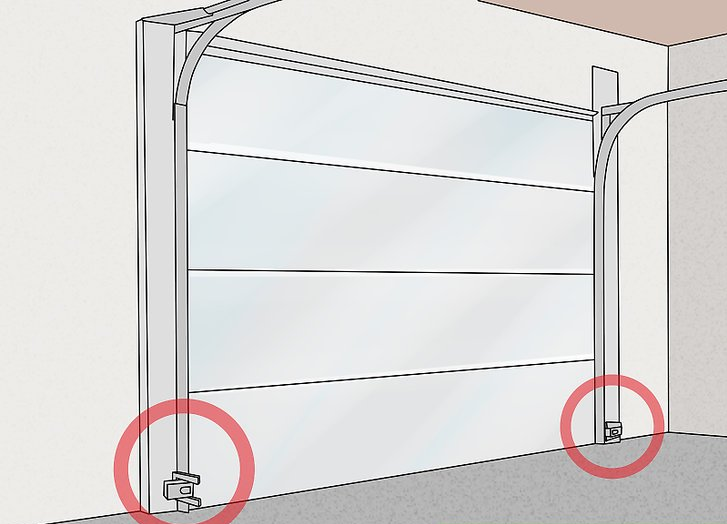
Modern garage doors have photo eye sensors near the floor on both sides. They send an invisible beam across the opening. If something breaks the beam, the door will not close.
- Obstructions: Dust, cobwebs, or objects like a bike tire can block the sensor. Even a small leaf can prevent the door from moving.
- Misalignment: If a sensor is bumped or moved, the beams don’t line up. The door’s light may blink, and it won’t shut.
Try cleaning the lenses gently with a dry cloth and check if the sensors are facing each other directly. Adjust them until both indicator lights are on.
2. Door Track Is Blocked Or Damaged
A garage door runs on metal tracks at the sides. Dirt, stones, or bent sections can stop the wheels from moving smoothly.
- Visual inspection: Look for dents, bends, or stuck debris.
- Listen for noises: Grinding or scraping as the door moves means the track needs attention.
Use a soft brush to clean the tracks. If you spot a bend, use pliers to straighten it carefully. Never lubricate the track itself—only the rollers.
3. Opener Limit Settings Are Off
Garage door openers have limit switches that control how far the door travels. If these settings are wrong, the door may close halfway or start to close, then reverse.
- Signs of trouble: The door hits the ground, then goes back up, or stops before closing.
- Adjustment: Most openers have dials or screws labeled “up” and “down.” Turn them slightly and test until the door closes fully but does not slam.
Check the manual for your opener model to find the adjustment controls.
4. Something Is Blocking The Door’s Path
Garage doors have a safety feature called a reversal system. If the door hits an object, it automatically reverses to prevent injury or damage.
- Common obstructions: Tools, toys, ice, or even a small rock can activate this feature.
- Check under the door: Sometimes, you can’t see the item unless you crouch down and look closely.
Remove anything in the way and test the door again.
5. Remote Control Or Wall Switch Problems
If the door does not respond to your remote or wall button, the problem may be electrical.
- Dead batteries: Try changing the remote’s batteries.
- Loose wiring: The wall switch might have wires that are disconnected or loose.
- Range issues: If you must stand close to the door for the remote to work, the signal could be weak.
Test the wall switch and remote separately. If one works but not the other, you’ve found the problem area.
6. Broken Springs Or Cables
Garage doors use torsion springs or extension springs to lift and lower the door. If a spring breaks, the door becomes very heavy and the opener may not close it.
- Signs of a broken spring: Loud bang, door feels heavy, cables hang loosely, or you see a gap in the spring.
- Danger: Never try to fix a spring yourself; they are under high tension and can cause serious injury.
Call a professional if you suspect a broken spring or cable.
7. Manual Lock Is Engaged
Some garage doors have a manual lock on the inside. If this is engaged by mistake, the opener cannot move the door.
- Check the handle: Make sure the lock bar is not in the track.
- Unlock and test: Release the lock and see if the door closes properly.
This simple check is often missed by homeowners.
8. Power Outage Or Disconnected Opener
If the opener has no power, the door will not move by remote or switch.
- Power supply: Check if the outlet works by plugging in another device.
- Manual release: If the opener is unplugged or there’s a power outage, you may need to use the manual release cord to operate the door.
Restore power and test the system again.
Step-by-step Troubleshooting Guide
Solving a garage door that won’t shut is easier if you follow a clear process. Here’s how to break down the problem:
Step 1: Observe The Door’s Behavior
Carefully watch and listen as you try to close the door.
- Does it move a little, then stop?
- Does it go down and then back up?
- Is there a clicking sound or blinking lights?
Each behavior gives clues about the cause.
Step 2: Check The Photo Eye Sensors
These are the most common issue, especially if the door reverses or lights blink.
- Wipe both sensors with a clean, dry cloth.
- Make sure nothing is in front of them.
- Align the sensors so both indicator lights are steady (not flashing).
If the door closes after this, the problem was with the sensors.
Step 3: Inspect Tracks And Rollers
- Look for debris, dust, or any object in the tracks.
- Check if the tracks are bent or out of alignment.
- Gently push any bent section back with pliers.
- Rollers should spin freely. If they’re stuck, apply a small amount of garage door lubricant (not WD-40).
Step 4: Test The Opener Controls
- Try both the wall switch and the remote.
- Replace remote batteries if needed.
- If only one works, focus your troubleshooting there.
Step 5: Examine Springs And Cables
- With the door closed, look at the springs above (torsion) or at the sides (extension).
- Never touch a broken spring. If you see a gap or the door is very heavy, call a pro.
Step 6: Check The Manual Lock
- Inspect the inside of the door for a lock bar.
- Make sure it’s in the open position.
Step 7: Confirm Power Supply
- Check the outlet and circuit breaker.
- If the opener is unplugged, plug it back in.
- Use the manual release if you need to open or close the door without power.
Step 8: Adjust Limit Switches
- Look for the “up” and “down” adjustment screws on the opener.
- Turn in small increments and test after each change.
Step 9: Test And Observe
After each step, try closing the door. If it works, note what fixed it. If not, continue to the next step.
When To Call A Professional
Some garage door problems are dangerous or require special tools. If you notice any of these, call a qualified technician:
- Broken springs or cables: These are under high tension and can snap suddenly.
- Major track damage: If a track is badly bent or twisted, it may need replacement.
- Motor or circuit board issues: If the opener makes noise but does not move, or if you smell burning, unplug the unit and call for help.
- Persistent reversal or erratic movement: Sometimes, advanced troubleshooting is needed for complex opener systems.
Professionals have experience, safety equipment, and knowledge to handle these issues quickly and safely.
Preventive Maintenance For Garage Doors
You can avoid many problems with regular care. Here are some important maintenance tips:
- Clean and align photo sensors every month. This keeps the safety system working.
- Lubricate moving parts twice a year. Use garage door lubricant on rollers, hinges, and springs (if safe).
- Check the balance of the door. Disconnect the opener and lift the door halfway by hand. It should stay in place. If it falls or moves, call a pro to adjust the springs.
- Inspect tracks and rollers for wear or damage.
- Test the reversal system by placing a small object under the door and closing it. The door should reverse when it touches the object.
Preventive care adds years to your garage door system and reduces repair costs.
Garage Door Components At A Glance
Understanding the main parts can help you diagnose problems faster. Here’s a comparison of the most important components:
| Component | Purpose | Common Issues |
|---|---|---|
| Photo Eye Sensors | Safety, prevent closing if blocked | Dirty, misaligned, blocked |
| Tracks | Guide the door up and down | Dirt, bends, obstructions |
| Springs | Lift and lower the door | Broken, worn out, unbalanced |
| Opener | Automate door movement | Limit settings, power issues, faulty motor |
| Rollers | Allow smooth movement | Worn, stuck, noisy |
Common Mistakes When Troubleshooting
Even experienced homeowners can overlook simple things. Avoid these errors:
- Ignoring safety precautions: Springs and cables are dangerous. Never try to repair them yourself.
- Using the wrong lubricant: Only use products designed for garage doors. WD-40 is not suitable.
- Forgetting the manual lock: Always check if the lock is engaged before troubleshooting complex issues.
- Skipping the opener manual: Each brand has unique features. A quick look at the manual can save you hours of frustration.
- Not checking batteries: Many people forget to replace remote batteries or check the wall switch wiring.
How Garage Door Safety Features Work
Safety systems are required by law for modern garage doors. Here’s how they protect your family:
Photo Eye Sensors
These create an invisible beam near the floor. If anything breaks the beam (even a pet or child), the door stops and reverses.
Auto-reversal System
If the door touches an object on the way down, it reverses automatically. Test this regularly with a small block of wood.
Manual Release
A red cord lets you disconnect the door from the opener during a power outage. Practice pulling and re-attaching it so you’re ready in an emergency.
Comparing Diy Vs. Professional Repairs
Some repairs are safe for beginners; others are best left to pros. Here’s a quick comparison:
| Repair Type | DIY Safe? | Tools Needed | When to Call a Pro |
|---|---|---|---|
| Sensor Cleaning | Yes | Cloth | Sensor wiring issues |
| Track Cleaning | Yes | Brush, vacuum | Bent or broken tracks |
| Spring Replacement | No | Special tools required | Always |
| Remote Battery Change | Yes | New batteries | Remote wiring or programming |
| Limit Switch Adjustment | Yes, with caution | Screwdriver | Persistent opener malfunction |
Non-obvious Insights Most Homeowners Miss
1. Sensor Sunlight Interference: Sometimes, bright sunlight can shine directly into a sensor, especially in the afternoon. This can fool the system into thinking the beam is blocked. If your garage faces west, try shading the sensor or adjusting its angle slightly.
2. Weak Garage Door Springs: Springs can become weak over time before they break. If your door starts to close more slowly or the opener strains, the springs may need adjustment or replacement—even if they haven’t snapped.
3. Radio Frequency Interference: Wireless devices like LED light bulbs, Wi-Fi routers, or even nearby airports can sometimes interfere with garage door remotes. If your remote works only sometimes, try moving other electronics away from the opener.
What If The Door Won’t Shut All The Way Down?
Sometimes the garage door closes, but then immediately reverses or leaves a gap. This can be due to:
- Incorrect limit settings: Adjust the travel limit on your opener.
- Worn weatherstripping: Thick or damaged rubber at the bottom can stop the door.
- Uneven floor: Concrete that is sloped or uneven may require a special bottom seal.
If you notice a small gap, measure it and look for the cause. In many cases, a new weather seal solves the problem.

How To Reset Your Garage Door Opener
If your garage door opener is acting strangely, a reset can help:
- Unplug the opener from the outlet.
- Wait 30 seconds.
- Plug it back in.
- Test the remote and wall switch.
Some models have a “learn” button. Hold it until the indicator light blinks, then reprogram your remote. Always check your opener’s manual for specific instructions.
How Weather Affects Garage Door Operation
Temperature and humidity can cause problems for garage doors.
- Cold weather: Metal contracts, making parts stiffer. Lubricate more often in winter.
- Ice and snow: Can block the door’s path or freeze it shut. Clear away ice and snow before operating.
- Heat: Expands metal, which can misalign tracks or sensors.
A small investment in regular cleaning and lubrication prevents most weather-related issues.
How To Identify Your Garage Door Opener Type
Not all garage doors are the same. There are several common types:
| Opener Type | Main Feature | Noise Level | Common Problems |
|---|---|---|---|
| Chain Drive | Uses a metal chain | Loud | Chain needs lubrication, wears out |
| Belt Drive | Uses a rubber belt | Quiet | Belt can stretch or slip |
| Screw Drive | Uses a threaded rod | Medium | Needs regular lubrication |
| Direct Drive | Motor moves with the door | Very quiet | Motor issues, rare but costly |
Knowing your opener type helps you diagnose and fix problems faster.
How To Test Your Garage Door Safety Reversal
The safety reversal system should be tested every month. Here’s a simple process:
- Open the door fully.
- Place a 2×4 board (or similar object) flat on the floor where the door touches.
- Close the door with the opener.
- The door should touch the object and reverse immediately.
If it does not reverse, adjust the force settings or call a professional. This test can prevent serious injuries.
Garage Door Problems And Home Security
A garage door that will not shut is a security risk. Thieves often target open garages for easy access to tools, bikes, and even inside your home.
- Temporary fix: If you cannot repair the door right away, disconnect the opener and close it manually. Use a padlock or clamp to keep it shut until you can fix the problem.
- Upgrade to smart openers: Many new openers have alerts and remote monitoring through a phone app, so you know if the door is open.
For more on garage door safety and new technologies, see the Family Handyman guide.
Frequently Asked Questions
Why Does My Garage Door Close Partway And Then Reverse?
Usually, this means the photo eye sensors are blocked, dirty, or out of alignment. Clean the lenses and make sure nothing is in the way. If the problem continues, check for damage to the tracks or an incorrect limit setting.
Can I Fix A Broken Garage Door Spring Myself?
No. Garage door springs are under high tension and can be very dangerous. Always call a trained professional to repair or replace springs.
What Do I Do If The Garage Door Opener Has Power But The Door Does Not Move?
First, check if the manual release cord has been pulled. If so, reconnect the door to the opener. If the opener makes noise but nothing happens, the drive gear or motor may be faulty. It’s best to call a pro for internal opener repairs.
How Often Should I Lubricate My Garage Door?
Lubricate all moving parts—rollers, hinges, and springs—twice a year. Use a lubricant designed for garage doors. Do not lubricate the tracks themselves.
Why Does My Garage Door Remote Only Work When I’m Close To The Door?
Weak batteries, radio interference, or a misaligned antenna can cause this. Try new batteries first. If that doesn’t work, check for electronics that might be blocking the signal or reposition the opener’s antenna.
A garage door that refuses to shut can be frustrating, but with some basic troubleshooting and regular care, you can fix most problems yourself. Knowing when to call a professional—and how to keep your door in top shape—will help you enjoy smooth, reliable operation for years to come.