
Painting a metal garage door can change the whole look of your home. It’s a project that almost anyone can do, but there are important steps to follow if you want the paint to last for years. This guide will walk you through every part of the process, from choosing the right materials to adding the final touches.
You’ll learn what tools to use, how to prepare your door, and how to avoid common mistakes. Even if you’ve never painted metal before, you’ll finish with a strong, smooth finish that stands up to weather and time.
Many people think painting a metal garage door is just about brushing on new color. But professionals know that surface preparation and the right paint choice matter most. Skipping key steps can lead to peeling, rust, or wasted time. With patience and the right guidance, you can get results that look professional—without calling an expert.
Why Paint A Metal Garage Door?
A garage door is a huge part of your home’s exterior. Over time, weather, sun, and even pollution can make metal doors look faded, chalky, or rusty. Painting does more than improve looks. It protects your door from rust and corrosion, helping it last longer.
A new coat of paint can also boost your home’s value and curb appeal.
Some homeowners repaint to match new siding or trim. Others want to cover up scratches, stains, or graffiti. If you live in a region with harsh winters or strong sun, a fresh coat of paint adds a protective barrier. Whatever your reason, painting your metal garage door is a smart investment.
Tools And Materials You Will Need
Having the right materials makes the job much easier and gives better results. Here’s what you’ll need:
- Exterior metal primer (oil-based or bonding latex)
- Exterior paint (100% acrylic latex or oil-based, formulated for metal)
- Degreaser or mild detergent
- Sandpaper (120-150 grit and 400 grit)
- Wire brush or scraper
- Painter’s tape
- Drop cloths or old sheets
- Paintbrushes (angled for corners)
- Paint rollers (short nap or foam)
- Paint tray
- Bucket and sponges
- Gloves and safety goggles
- Ladder (for tall doors)
- Rust converter (if dealing with rust spots)
- Mask (for sanding or using solvents)
Pro tip: If possible, use a paint designed for metal garage doors. These paints are flexible and resist cracking when the door moves.

Choosing The Right Paint And Primer
The paint and primer you pick will affect how long your new finish lasts. Not all paints are equal, especially for metal surfaces.
Types Of Paint
- Acrylic latex paint: Water-based, dries quickly, flexible, and resists fading. Great for most climates.
- Oil-based paint: Very durable, strong adhesion. Best for doors with lots of exposure to weather, but slower to dry and harder to clean up.
- Direct-to-metal (DTM) paint: Designed for bare metal. Some DTM paints do not need a separate primer.
Types Of Primer
- Bonding latex primer: Good for previously painted or bare metal.
- Oil-based metal primer: Excellent for rust protection and old doors.
- Rust-inhibiting primer: A must if you have any rust spots.
What About Spray Paint?
Spray paint is quick but not practical for most garage doors. It’s hard to get an even finish and wastes a lot of paint. Use brush and roller for best results.
Non-obvious insight: Many people use leftover house paint, but it won’t last on metal garage doors. Always use paint made for metal and exteriors.
Planning Your Project
Good planning saves time and prevents mistakes.
Weather Conditions
- Paint on a dry day with temperatures between 50°F and 85°F.
- Avoid painting in direct sun or when rain is forecast within 24 hours.
- Humidity should be below 85% for best drying.
Time Needed
- Preparation: 2-4 hours (includes cleaning, sanding, taping)
- Priming: 1-2 hours (plus drying time, usually 4-6 hours)
- Painting: 2-4 hours (plus drying between coats)
- Total project: 1-2 days
Estimate Paint Needed
A standard two-car garage door is about 12 x 7 feet (84 sq. ft.). Most paints cover 250-400 sq. ft. per gallon, so one quart is usually enough for one coat. Buy extra if your door is textured or you want two coats.
Step-by-step Guide To Painting A Metal Garage Door
Let’s break down the process so you know what to expect at each stage.
1. Prepare The Area
Move cars, bikes, and anything else near the door. Cover the driveway and ground with drop cloths. Protect trim, handles, and windows with painter’s tape. Open the door a little to reach all edges, and lock it in place if possible.
2. Clean The Door
Dirt, grease, and old paint flakes will ruin your finish. Wash the door with warm water and a mild detergent. For stubborn stains or oily spots, use a degreaser. Rinse well with clean water and let it dry completely.
Non-obvious insight: Even invisible grease can stop paint from sticking. Take your time cleaning.
3. Remove Old Paint And Rust
Use a wire brush, scraper, or sandpaper (120-150 grit) to remove loose paint and rust. Pay special attention to corners and edges. If rust is present, sand it down to bare metal. For deep rust, use a rust converter to stop it from spreading.
4. Sand The Surface
Lightly sand the whole door with 120-150 grit sandpaper. This helps the primer and paint stick better. Wipe away all dust with a damp sponge or tack cloth.
5. Repair Dents And Holes
Small dents and holes can be filled with exterior-grade metal filler. Smooth with a putty knife and let it dry. Sand smooth before priming.
Pro tip: Don’t skip this. Even tiny dents can show through shiny paint.
6. Prime The Door
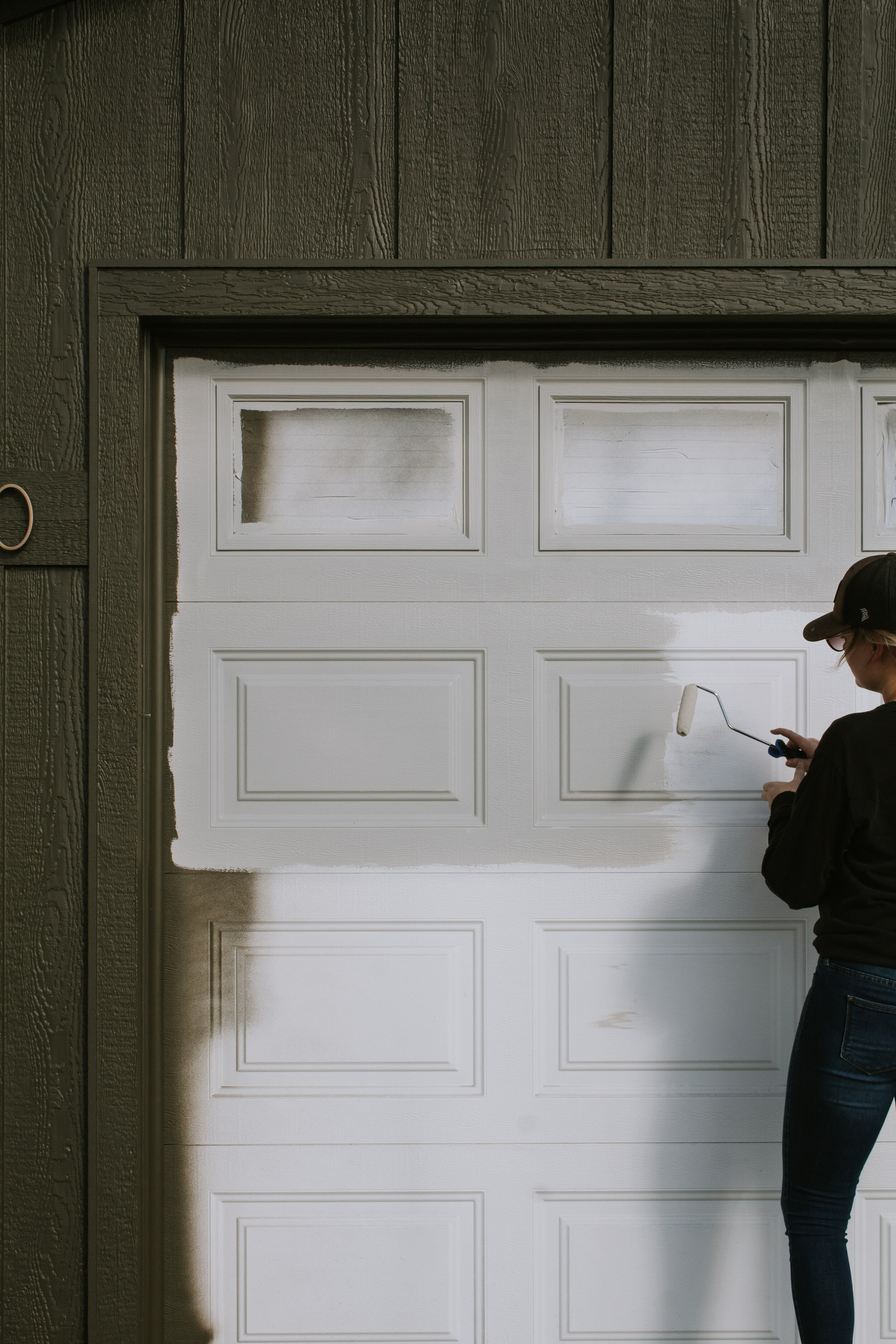
Stir the primer well. Use a brush for corners and edges, then a roller for larger flat areas. Apply a thin, even coat. Let it dry fully (check the can for drying times). If you see bare spots, apply a second coat.
7. Sand The Primer (optional)
For an ultra-smooth finish, lightly sand the dry primer with 400-grit sandpaper. Wipe away dust before painting.
8. Paint The Door
Stir your paint. Use a brush for edges and corners, then a roller for the main panels. Work from top to bottom. Apply thin coats to avoid drips and runs. Allow the first coat to dry fully before adding another (usually 4-6 hours).
9. Inspect And Touch Up
Check for missed spots, drips, or streaks. Sand lightly if needed, then add a second coat. Repeat as necessary. Remove tape while the paint is still slightly tacky.
10. Clean Up
Wash brushes, rollers, and trays right away. Remove drop cloths and open the door gently once the paint is dry to the touch (usually 24 hours). Wait several days before washing the door or exposing it to heavy rain.
Common Mistakes And How To Avoid Them
Many people run into problems because they skip steps or rush. Here’s how to avoid the most common issues:
- Skipping cleaning: Paint won’t stick to dirt or grease, leading to peeling.
- Painting over rust: Rust spreads under paint. Remove and treat all rust first.
- Ignoring weather: Paint won’t dry or adhere well if it’s too hot, cold, or humid.
- Using the wrong paint: Interior or wood paint will crack and peel.
- Applying thick coats: Causes drips, uneven drying, and a rough finish.
- Rushing between coats: Each layer needs time to bond before the next.
- Not removing tape soon enough: Can peel away your new paint if left too long.
Maintenance Tips For A Long-lasting Finish
After all your hard work, a little maintenance keeps your door looking great for years:
- Wash the door twice a year with mild soap and water.
- Check for chips or scratches and touch up as needed.
- Lubricate hinges and moving parts to prevent scraping.
- Avoid pressure washing, which can strip paint.
- Repaint every 5-7 years or as needed.
Metal Garage Door Paint Types Compared
Here’s a quick comparison of the main paint types for metal garage doors:
| Paint Type | Durability | Dry Time | Cleanup | Best For |
|---|---|---|---|---|
| Acrylic Latex | High | 1-2 hours per coat | Soap & Water | Most climates |
| Oil-Based | Very High | 6-8 hours per coat | Mineral Spirits | Harsh weather, older doors |
| DTM (Direct-to-Metal) | High | 2-4 hours per coat | Soap & Water | Bare or lightly rusted doors |
Primer Choices For Metal Garage Doors
Choosing the right primer is as important as picking the paint. Here’s a look at the most common types:
| Primer Type | Rust Protection | Best Used On | Dry Time |
|---|---|---|---|
| Bonding Latex | Medium | Clean, bare, or painted metal | 1-2 hours |
| Oil-Based Metal | High | Older or rust-prone doors | 4-6 hours |
| Rust-Inhibiting | Very High | Doors with minor rust | 2-4 hours |
What Makes Painting A Metal Garage Door Different?
Metal doors expand and contract with temperature changes. The finish needs to be flexible and tough. Unlike wood, metal doesn’t “breathe,” so any trapped moisture can cause rust. That’s why cleaning, priming, and using the right materials is vital.
Most garage doors have raised panels and grooves. These can collect dust and old paint flakes, making prep more important. Corners and edges are often missed, leading to early peeling.
Experience insight: Many first-time painters miss the bottom edge of the door. This is where water collects and rust starts. Always paint and seal this area carefully.
How To Choose A New Color
You can pick any color for your garage door, but here are some practical tips:
- Match your trim for a classic look.
- Contrast with siding for a modern feel.
- Light colors reflect heat, helpful in sunny climates.
- Dark colors can fade faster in direct sun.
If your neighborhood has a homeowners’ association, check their rules before choosing a bold color.
Dealing With Rust: Prevention And Repair
Rust is the enemy of metal doors. To stop rust before and after painting:
- Always clean and dry the door well.
- Sand all rust to bare metal.
- Use a rust converter on stubborn spots.
- Apply a rust-inhibiting primer before painting.
- Check the door regularly for new rust spots.
Pro tip: Even tiny scratches can start rust. Keep some touch-up paint on hand.
Paint Application Methods Compared
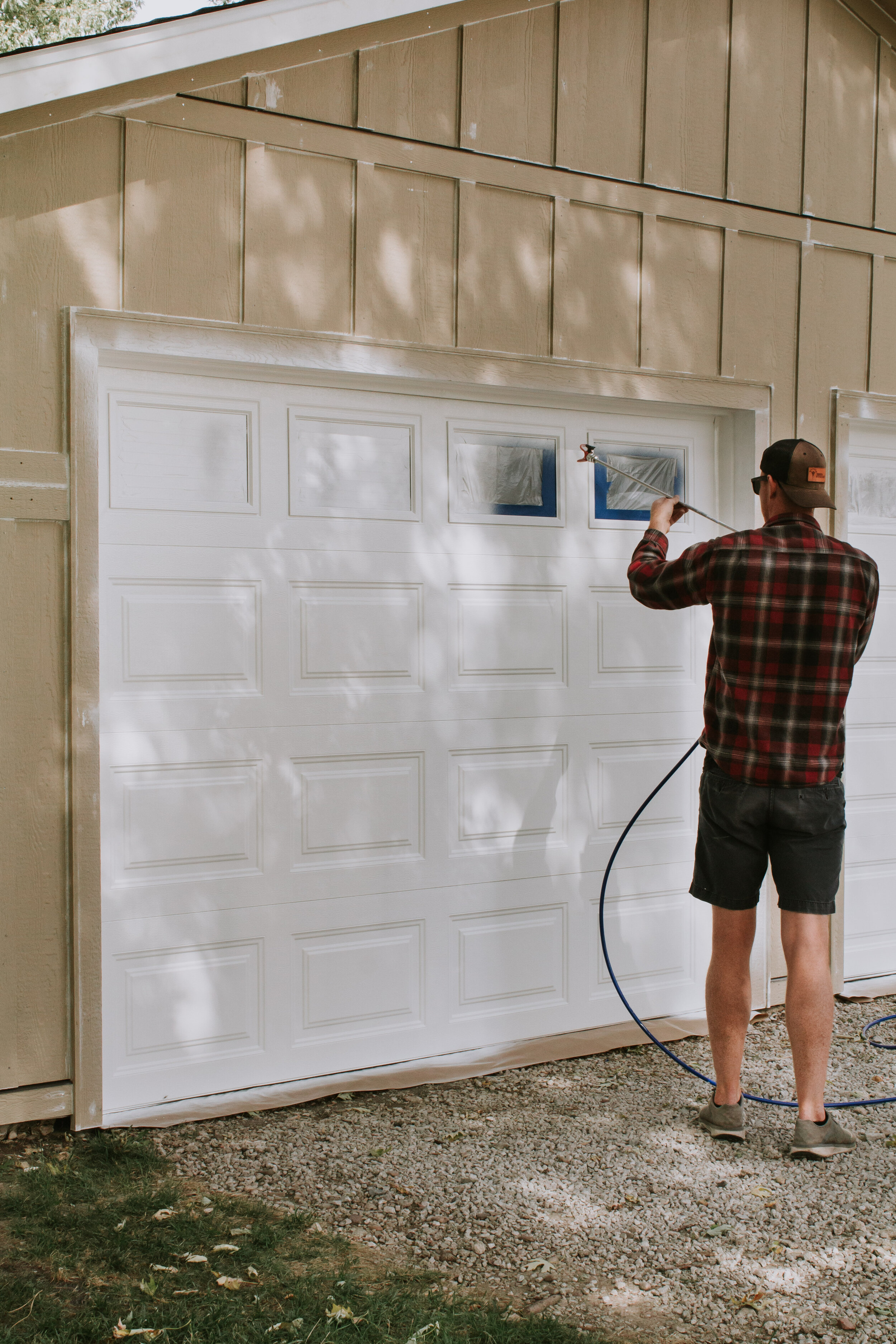
Should you use a brush, roller, or sprayer? Each has pros and cons.
| Method | Finish Quality | Speed | Skill Needed | Best For |
|---|---|---|---|---|
| Brush | High (in corners) | Slow | Beginner | Edges, trim, detail work |
| Roller | Smooth on flat areas | Fast | Beginner/Intermediate | Main panels |
| Sprayer | Very smooth | Very fast | Advanced | Large, flat doors (masking required) |
Tip: For most people, a combination of brush (for corners) and roller (for panels) gives the best results.
Safety Tips
- Wear gloves and goggles when sanding or using chemicals.
- Work in a well-ventilated area.
- Avoid inhaling paint or primer fumes.
- Store paint and materials out of reach of children.
What If Your Garage Door Is New Or Factory-painted?
New metal doors often have a thin coating called a “factory finish” or “baked enamel. ” You can paint over it, but scuff-sanding and priming are still needed for good adhesion. If your door is less than a year old, check the warranty—painting may affect coverage.
When To Call A Professional
While most homeowners can paint their own garage doors, some situations need an expert:
- Deep dents or structural damage
- Very large or multi-door garages
- Severe rust or corrosion
- Lack of time or confidence
A professional painter has the tools and experience to handle complex jobs quickly.
Sustainable And Eco-friendly Paint Options
If you want to reduce your environmental impact, look for:
- Low-VOC or zero-VOC paints and primers
- Paints certified by Green Seal or EPA Safer Choice
- Proper disposal of old paint and materials
This not only helps the planet but also reduces harsh fumes around your home.
Aftercare: What To Do In The Weeks After Painting
- Avoid washing the door for at least two weeks.
- Don’t stick tape or magnets to the door until paint is fully cured (usually 2-4 weeks).
- Watch for “blocking”—where the door sticks to the frame. If it happens, dust the edges with talcum powder.
Real-world Example: Transforming A Faded Garage Door
Laura, a homeowner in Ohio, inherited a faded, chalky metal garage door. She spent a weekend cleaning, sanding, priming, and painting with acrylic latex. The result? Neighbors thought she’d bought a new door. Two years later, her finish still looks fresh. Her secret: careful prep and two thin coats.
Where To Learn More
If you want more in-depth information on painting techniques or types of paint, visit the Family Handyman Garage Door Painting Guide.
Frequently Asked Questions
How Long Will The New Paint Last On A Metal Garage Door?
A good paint job, done with high-quality materials and proper prep, will last 5 to 7 years or longer. Sun, rain, and salt can shorten this time. Regular cleaning and quick touch-ups help extend the life of your finish.
Can I Paint Over Old Paint, Or Do I Need To Strip The Door?
You can paint over old paint if it’s in good condition—no peeling or flaking. Clean, sand, and prime first. If the old paint is failing or flaking, remove it before starting.
What’s The Best Way To Handle Rust Before Painting?
Sand off as much rust as possible. Use a rust converter on any remaining spots. Always apply a rust-inhibiting primer before painting to prevent new rust from forming.
Is It Better To Use A Brush, Roller, Or Sprayer?
For most garage doors, a brush and roller combination works best. Use the brush for corners and the roller for panels. Sprayers are faster but need skill and careful masking to prevent overspray.
Do I Have To Remove The Garage Door To Paint It?
No, you can paint the door in place. Open it slightly to reach edges, and lock it so it won’t move. If you remove the door, it’s easier to reach all sides, but most people paint it where it is.
Painting a metal garage door is a project that gives quick, dramatic results. With the right prep, materials, and a bit of patience, you’ll boost your home’s appearance and protect your investment for years to come.