
Many people don’t think much about their garage door security—until there’s a problem. The garage is more than just a place to park your car. It’s often a main entry into your home and a storage area for valuable tools, bikes, and equipment.
If your garage door is not locked properly, your whole house could be at risk. In this guide, you’ll learn exactly how to lock your garage door, the different types of locks, and how to combine methods for the best protection.
Whether you have a manual or automatic door, old or new, you’ll find practical advice, clear steps, and expert tips you can trust.
Why Locking Your Garage Door Matters
Garage break-ins are more common than you might think. In the US, around 9% of burglars enter through the garage. Many garages are attached to homes, so a weak garage lock is like an open invitation for thieves. It’s not just about cars—most garages hold power tools, sports gear, and sometimes even personal documents.
Some people think that if they have a garage door opener, they don’t need a lock. This is a dangerous myth. Garage door openers can be hacked, or a thief can fish the emergency release cord from outside. For older doors, the built-in locks may be weak or broken. Locking your garage door well is a simple way to protect your home, family, and valuables.
Types Of Garage Doors And Their Locking Needs
Before choosing a lock, you need to know your garage door type. Each type has unique security challenges and solutions.
Sectional Garage Doors
These are the most common in the US. They roll up and down in sections, guided by tracks. Most have a central handle with a latch, but these can be easy to break.
Up-and-over Garage Doors
You’ll see these more in older homes. They tilt outward and upward in one piece. Many have a simple handle lock, but it’s not very strong.
Roller Garage Doors
These doors roll into a compact bundle above the opening. They usually come with a key lock, but sometimes only a side latch.
Side-hinged Garage Doors
These open like regular double doors. They need locks on both sides to be secure.
Automatic Vs Manual
Modern automatic garage doors come with electronic openers, but manual locking is still important. For manual doors, mechanical locks are your first line of defense.
Main Ways To Lock A Garage Door
There are several ways to lock a garage door. Some are built-in, some are add-ons, and some are smart upgrades. The best solution often combines two or more methods.
1. Built-in Latch Lock
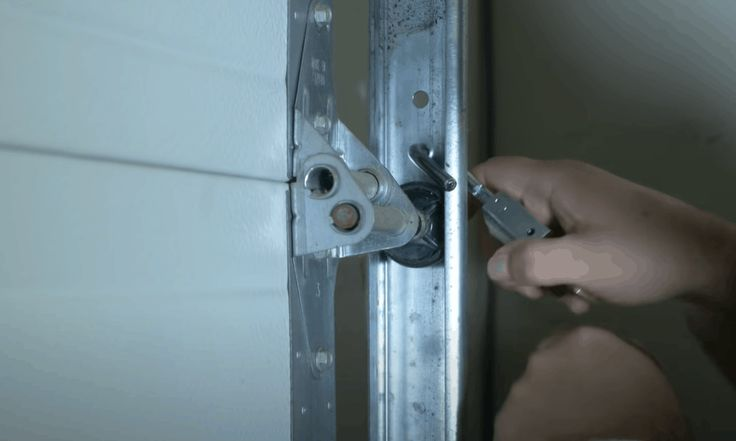
Most garage doors have a basic latch lock. This is a small bar that slides into a hole in the track or frame.
How it works: You turn the handle, and the bar slides into the track, stopping the door from opening.
Pros: Simple, no extra cost, easy to use.
Cons: Many can be forced open with a crowbar. Some thieves use a coat hanger to pull the latch from outside.
Tip: Always check if your latch is really locking or if it’s worn out.
2. Padlocks
A padlock can be added to the latch or to special holes in the tracks.
How it works: You slide the padlock through the latch or a drilled hole, physically blocking movement.
Pros: Inexpensive, easy to install, adds a second layer.
Cons: You need to remember to lock and unlock it. Cheap padlocks can be cut with bolt cutters.
Real insight: Choose a hardened steel padlock with a short shank. These are harder to cut.
3. Slide Bolt Lock (deadbolt)
A slide bolt is a metal bar that you push or pull into the door track or frame.
How it works: It works like the bolt on a house door, but is mounted inside your garage.
Pros: Very secure if installed well, can’t be unlocked from outside.
Cons: Must be locked and unlocked from inside. Not good if you use your garage as your main entry.
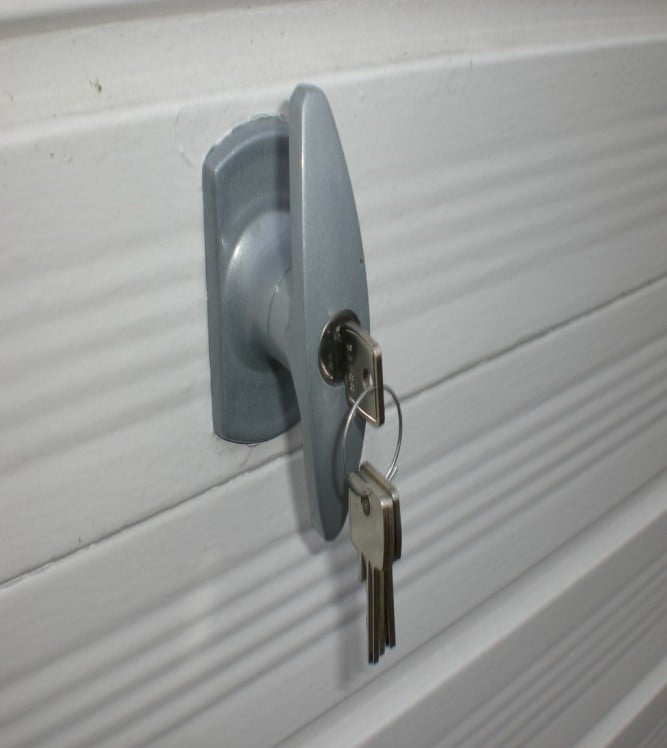
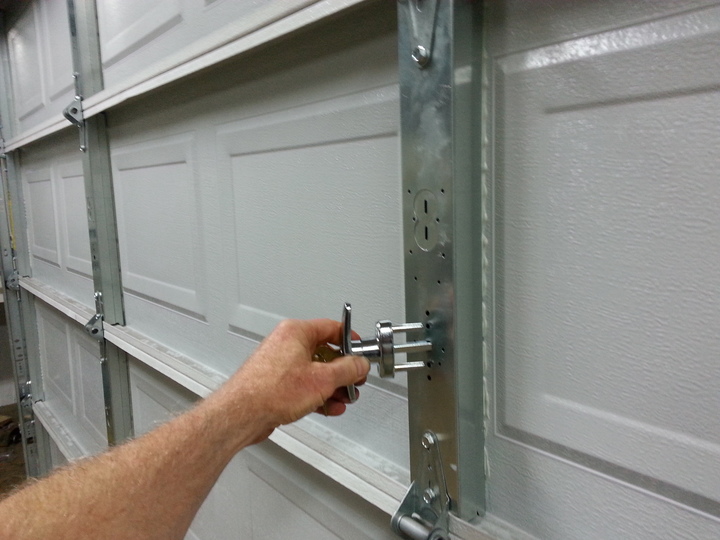
4. T-handle Lock
Many older doors use a T-handle lock. It looks like a “T” and requires a key.
How it works: The handle turns only when the right key is used. Turning moves a bar into the frame.
Pros: Looks strong, can be replaced with better versions.
Cons: Some can be picked or drilled. Many old T-handle locks are weak.
Tip: If you have a T-handle, consider replacing it with a modern, pick-resistant version.
5. Electronic Garage Door Opener Lock
Modern garage door openers have automatic locks. When you close the door, a motor-driven bolt slides into place.
How it works: The opener automatically locks the door when closed. Some models have a “Vacation Lock” feature that disables remote openers.
Pros: Very convenient, can’t be picked like a key lock.
Cons: Power failure means you need a backup. Older openers can be hacked.
Expert advice: Always use a manual backup lock, even with an electronic system.
6. Smart Garage Door Locks
Smart locks connect to your phone or home network. You can lock and unlock remotely, get alerts, and monitor activity.
How it works: The lock is controlled via app or voice assistant. Some integrate with security cameras.
Pros: Great for remote control. Lets you check if the door is locked from anywhere.
Cons: Needs Wi-Fi or Bluetooth. If hacked, could be a risk.
Not obvious: Many smart locks can be added to existing doors, not just new ones.
7. Garage Door Defender (external Floor Locks)
This is a heavy-duty lock that sits outside your garage, bolted to the driveway.
How it works: A steel bar or post blocks the door from opening outward. You unlock it with a key.
Pros: Very strong visual deterrent. Makes forced entry much harder.
Cons: Visible from the street, not suitable for all driveways.
Extra tip: Use defenders with a hardened steel shackle for best results.
8. Interior Door Lock Bar
A lock bar is a long metal bar that fits across the inside of the garage door, usually with brackets on each side.
How it works: The bar blocks the door from moving, even if the outer lock is broken.
Pros: Extremely strong if installed well.
Cons: Only works if you don’t need to open the garage from outside.
How To Lock A Manual Garage Door: Step-by-step
If you have a manual garage door, follow these steps to secure it:
- Check the built-in latch. Make sure it slides fully into the frame or track.
- Add a padlock to the latch or track hole if possible.
- Install a slide bolt lock on the inside for extra security. Mount it with heavy-duty screws into wood or metal, not just thin panels.
- If you have a T-handle lock, test it with the key. If it’s loose or easy to turn, replace it.
- For side-hinged doors, use hasp and staple locks plus padlocks on both sides.
- On up-and-over doors, consider a garage door defender on the outside.
- Test the system by pushing and pulling on the door. There should be zero movement.
- For extra security, fit a lock bar across the inside.
Pro tip: Use lubricating spray on all locks so they don’t jam in cold weather.
How To Lock An Automatic Garage Door
Automatic doors need extra steps because thieves can bypass openers. Here’s what to do:
- Use the opener’s lock feature if it has one. Some openers have a “lock” or “vacation” button on the wall switch.
- Add a slide bolt or padlock to the tracks when you’re away for a long time.
- Disable the emergency release with a zip tie. Loop a small zip tie through the release cord and lever so it can’t be pulled from outside. But make sure you can still break it in an emergency.
- Upgrade to a smart garage lock if you want remote control.
- Test the auto-reverse function—a door that won’t stop for objects is unsafe.
- If your opener is old (before 1993), consider replacing it for better security.
Not obvious: Thieves often use a wedge or wire to pull the emergency release cord from outside. Keep the cord short or use a shield to block access.
Comparing Garage Door Locks
It’s easy to get confused by all the lock types. Here’s a quick comparison to help you choose:
| Lock Type | Security Level | Cost | Best For |
|---|---|---|---|
| Built-in Latch | Low | Free (included) | Basic manual doors |
| Padlock | Medium | Low ($10–$40) | Extra layer |
| Slide Bolt | High | Medium ($20–$60) | Manual/inside lock |
| T-Handle Lock | Medium | Medium ($30–$80) | Older doors |
| Electronic Opener Lock | High | High ($100+) | Modern doors |
| Garage Door Defender | Very High | Medium ($50–$120) | Up-and-over doors |
| Smart Lock | High | High ($150+) | Tech-savvy users |
Tip: No single lock is perfect. Combine two types for the best security.
Common Weak Points And How To Fix Them
Even a strong lock can fail if the rest of the door is weak. Here are places thieves target, and what you can do:
- Emergency release cord: On automatic doors, thieves fish for this cord to open the door. Use a zip tie or shield to block access.
- Door panels: Thin panels can be kicked in. Reinforce with plywood or metal strips inside.
- Old locks: Rusted or loose locks are easy to break. Replace any lock that wobbles or sticks.
- Windows: If your garage door has windows, cover them with privacy film so no one can see inside.
- Gaps at the bottom/side: If there’s a gap, a crowbar can be used. Adjust the door or add weather stripping.
- Garage-to-house door: Always lock the inside door between garage and house. Use a deadbolt.
Not obvious: Many break-ins happen in daylight when people think the garage is safe. Always lock up, even for a quick trip out.
How To Choose The Right Lock For Your Garage Door
With so many options, how do you pick the right lock? Here’s what matters most:
1. Door Type
Not all locks fit all doors. Check your door material (steel, wood, fiberglass) and the style (sectional, up-and-over, etc. ).
2. Frequency Of Use
Do you enter your home through the garage every day, or is it just for storage? If you use it daily, choose a lock that is fast and easy to open.
3. Security Level Needed
If your garage holds high-value items or connects to your house, invest more in security.
4. Budget
You don’t need to spend a fortune, but don’t go too cheap. The cost of a break-in is usually much higher than a good lock.
5. Ease Of Installation
Some locks are simple DIY jobs. Others need a professional. If you’re not handy, go for easy-to-fit models.
6. Weather And Environment
If you live near the ocean or in a wet area, buy rust-resistant locks. For very cold regions, choose locks that won’t freeze.
Here’s a quick decision matrix:
| Situation | Recommended Lock Type | Why |
|---|---|---|
| Detached garage, storage only | Slide bolt + padlock | Strong and low cost |
| Attached garage, main entry | Electronic opener lock + manual backup | Convenience and safety |
| Old up-and-over door | Garage door defender | Stops forced entry |
| Tech-savvy user | Smart lock | Remote control, monitoring |
| High crime area | Multiple locks (defender, slide bolt, smart lock) | Layers of security |
Mistakes People Make When Locking Their Garage Door
Many homeowners think they are safe, but small mistakes can leave your garage at risk.
- Relying only on the opener: Automatic doors are not always locked. Always add a manual lock.
- Leaving emergency release unprotected: Thieves can use simple tools to pull this.
- Using cheap padlocks: These are often cut in seconds. Invest in quality.
- Forgetting to lock side doors or windows: Every opening is a target.
- Letting the lock rust: Weather can weaken locks. Inspect and lubricate often.
- Not locking when home: Many burglaries happen when people are at home but not watching the garage.
Not obvious: During vacation, unplug the opener and use a slide bolt or padlock inside. This stops radio-code hacking.
How To Combine Locks For Maximum Security
The best security comes from using two or more lock types together. For example:
- Automatic opener lock + slide bolt: Even if the opener is hacked, the bolt stops the door.
- Padlock on track + garage door defender: Very hard to bypass.
- Smart lock + manual lock: Remote control plus physical backup.
Expert tip: Don’t use the same key for every lock. If one is lost, the others stay safe.
Quick Security Upgrades For Your Garage
If you want to boost your garage door security today, here are some fast upgrades:
- Install a slide bolt lock inside your garage.
- Fit a shield or blocker over the emergency release cord.
- Add a privacy film to garage windows.
- Mount a garage door defender if you have an up-and-over door.
- Replace any old or rusty locks with new, weather-resistant models.
- Lubricate all locks to keep them working smoothly.
- Test your opener’s rolling code feature—modern remotes change codes every use.
How To Lock A Garage Door Without A Key
If you’ve lost your key or your lock is broken, you still have options:
- Install a slide bolt inside. This doesn’t need a key, just slides into place.
- Use a padlock with a combination code instead of a key.
- Zip tie the latch temporarily, but replace with a real lock soon.
- Install a smart lock that works with your phone or keypad.
Caution: Never lock yourself in without a way to get out. Always have an emergency exit plan.
How To Maintain Your Garage Door Locks
A lock is only as good as its condition. Here’s how to keep your locks working year after year:
- Inspect monthly: Check for rust, loose screws, or sticking parts.
- Lubricate twice a year: Use graphite spray or silicone—not oil.
- Test with the key: Make sure the key turns easily, especially before cold weather.
- Clean out dirt: Dust and grit can jam a lock.
- Replace if needed: Any lock that feels weak or wobbly is a risk.
Not obvious: If you move into a new home, always replace the garage door locks. You never know who has an old key.
Professional Vs Diy Lock Installation
Should you install a garage door lock yourself, or hire a pro? Here’s what to consider:
- DIY: Most padlocks, slide bolts, and privacy films are easy to install. Basic tools are enough. You’ll save money, but must follow instructions closely.
- Professional: For smart locks, electronic opener upgrades, or defender bars, a pro gives you peace of mind. They’ll make sure everything lines up and works correctly.
Insight: Many break-ins happen because locks are installed incorrectly. Even the best lock is weak if the screws are too short or the bar is misaligned.
Garage Door Locking In Special Situations
Some garages need extra care:
Vacation Or Long Absence
- Unplug the opener.
- Lock with a slide bolt or padlock inside.
- Ask a neighbor to check for signs of tampering.
Rental Or Shared Garages
- Use locks you can re-key or change easily.
- If possible, avoid sharing codes.
Commercial Garages
- Use multiple locks and alarms.
- Install security cameras.
Tip: For more info on garage security standards, see the Underwriters Laboratories website.
Frequently Asked Questions
How Can I Lock My Garage Door From The Inside?
Most manual garage doors can be locked from the inside with a slide bolt lock or by inserting a padlock into the latch or track. For extra security, use a lock bar across the inside. Automatic doors can sometimes be locked with a button on the wall control. Always add a manual lock when leaving for a long time.
Can Thieves Open My Garage Door With A Remote?
Older garage door openers that use fixed codes can be hacked with a universal remote. Newer openers use rolling codes, which are much safer. But no system is perfect, so always use a manual backup lock for the best security.
What Is The Best Way To Secure A Garage Door With Windows?
Cover the windows with privacy film so thieves can’t see inside. Reinforce the panels around the windows, and always lock the door, even if you think the windows are too small for entry.
Is A Smart Lock Safe For My Garage?
A smart garage lock is safe if you use a strong password and keep your home network secure. Look for models with encrypted connections. For extra security, use a manual lock as a backup.
Should I Replace My Garage Door Lock If I Move Into A New Home?
Yes, always replace or re-key all garage door locks when you move in. You don’t know if previous owners, tenants, or workers kept a key or code.
Securing your garage door is not just a small job—it’s an essential part of home security. By understanding your garage type, using the right locks, and combining methods, you can stop most thieves before they start. With a little effort and smart planning, your garage will be a strong point, not a weak spot, in your home’s defense.