
Choosing the right garage door width for two cars is more important than many homeowners realize. The size you pick affects not just how easily you park, but also your safety, comfort, and even the future value of your home. People often assume that any “double garage door” will work for two cars, but in reality, small mistakes can lead to daily annoyances or expensive upgrades later. Whether you are building a new garage, replacing an old door, or remodeling your home, understanding the ideal width for a two-car garage door will help you make a smart, lasting decision.
This article will guide you through everything you need to know. We will explore standard sizes, custom options, key factors to consider, and the challenges that come with different garage door widths. You’ll learn from real-world examples, see useful data, and discover tips that most beginners miss.
By the end, you’ll feel confident in choosing the perfect garage door width for your needs.
What Is A Two-car Garage Door?
A two-car garage door is designed to allow two vehicles to enter and exit side by side. Unlike single-car doors, which are typically 8 or 9 feet wide, two-car doors combine the space needed for both vehicles into one large opening. This not only provides a wider entry but also simplifies parking, especially for families with multiple drivers.
Most homes with two-car garages have either a double garage door (one wide door) or two separate single doors. Each setup has its pros and cons, but when people ask about the width for “2 cars,” they usually mean the double-door option.
Standard Garage Door Widths For 2 Cars
In the United States, garage door manufacturers follow common sizing standards. This helps homeowners, builders, and installers plan garages more efficiently.
Common Double Door Widths
The most typical double garage door widths are:
- 12 feet (3.66 meters)
- 14 feet (4.27 meters)
- 16 feet (4.88 meters)
- 18 feet (5.49 meters)
The most popular choice for modern homes is the 16-foot wide garage door. This size offers enough space for two average-sized cars to park side by side, open their doors, and exit comfortably.
Height Standards
Along with width, the standard garage door height is usually:
- 7 feet (2.13 meters)
- 8 feet (2.44 meters)
Most residential garages use the 7-foot height, but taller vehicles (like SUVs, vans, or trucks) may require 8 feet or more.
Visual Size Comparison
Here’s a simple table showing the relationship between garage door width and car fit:
| Door Width (feet) | Fits Two Cars Easily? | Typical Use |
|---|---|---|
| 12 | No (tight fit) | Very small or old garages |
| 14 | Possible (compact cars) | Budget garages |
| 16 | Yes | Modern homes |
| 18 | Very easy | Luxury, extra-wide garages |
Why Garage Door Width Matters
Many homeowners think any double door will do, but the width affects:
- Parking comfort: Narrow doors make it hard to open car doors without hitting something.
- Safety: Tighter spaces increase the risk of scratches, dents, or accidents.
- Future flexibility: If you get bigger cars or add storage, a wider door helps.
- Home value: Real estate buyers prefer homes with easier, safer parking.
A door that’s too narrow can lead to daily frustration. For example, two SUVs may barely fit through a 14-foot door, forcing drivers to fold mirrors or park very carefully. In contrast, a wider door (16 or 18 feet) gives everyone more breathing room.
Factors To Consider When Choosing Width
Every home and family is unique. Before making a final decision, think about these key points:
1. Vehicle Size
Measure your cars from side mirror to side mirror. Standard sedans are about 6 to 6.5 feet wide. SUVs and trucks can be up to 7.5 feet wide. Remember, you need extra room to open doors and walk around.
2. Number Of Drivers
Will two people park at the same time? If yes, a wider door reduces the risk of bumping into each other.
3. Garage Interior Space
The garage’s wall-to-wall width should be at least 18 to 20 feet for two cars. If your garage is smaller, even a 16-foot door may feel tight.
4. Storage Needs
Do you plan to store bikes, tools, or other items along the walls? If so, consider a wider door or a bigger garage to avoid clutter.
5. Local Building Codes
Some cities have rules about minimum garage sizes. Always check with your local building department before ordering a door.
6. Budget
Wider doors cost more. The price difference between a 14-foot and an 18-foot door can be several hundred dollars, not including installation.
7. Curb Appeal
A very wide door can change your home’s appearance. Some people prefer the look of two single doors instead of one large one.
Pros And Cons Of Different Widths
Understanding the upsides and downsides of each size helps you make a better choice.
12-foot Wide Double Door
Pros:
- Fits very small garages.
- Lower cost.
Cons:
- Extremely tight for two cars.
- Not practical for modern vehicles.
14-foot Wide Double Door
Pros:
- Works for two compact cars.
- More affordable than wider doors.
Cons:
- Tight for larger cars or SUVs.
- Hard to open doors fully.
16-foot Wide Double Door
Pros:
- Most popular and practical.
- Fits two average cars comfortably.
- Easier to add storage.
Cons:
- Slightly higher cost.
- May not suit very small garages.
18-foot Wide Double Door
Pros:
- Maximum comfort and flexibility.
- Great for large vehicles and extra storage.
- Future-proof for bigger cars.
Cons:
- Most expensive.
- Needs a wider garage structure.
Single Vs. Double Garage Doors For 2 Cars
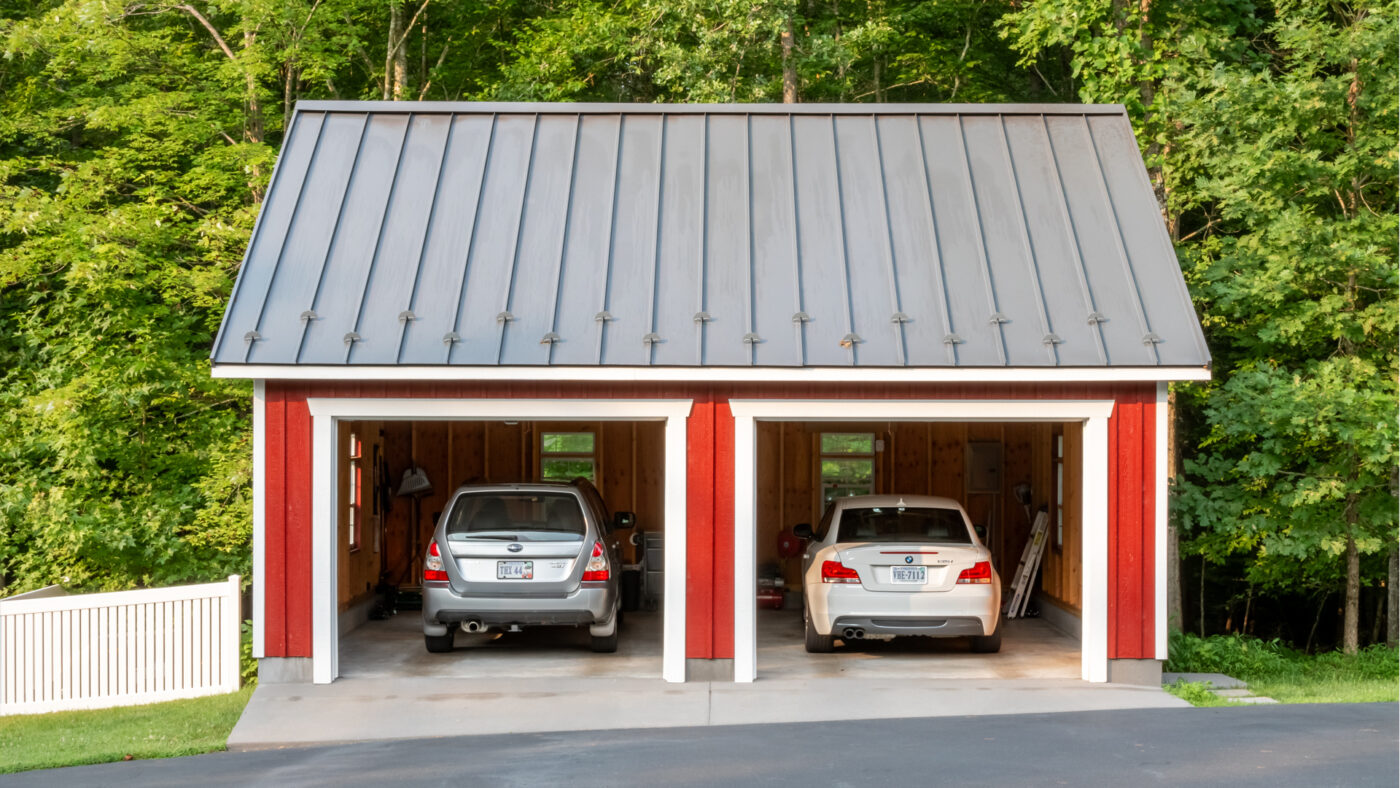
Some homeowners ask if it’s better to install two single doors (each 8 or 9 feet wide) or one double door. Each option has unique benefits.
Double Door (one Wide Door)
- Simpler to drive in and out.
- More space in the middle.
- Usually more affordable than two openers.
Two Single Doors
- If one opener fails, the other still works.
- Less heat loss when opening one side.
- Classic look on some homes.
Insight: Most modern families prefer a single, wide double door for daily convenience, but if your garage is part of an older or traditional home, two singles might match the style better.
Credit: shedsunlimited.net
Custom Sizes And Special Cases
Sometimes, standard sizes don’t work. Maybe you have a unique car, extra-wide trucks, or just want more space.
Custom Widths
Garage door companies can make doors in almost any width, usually from 12 to 20 feet. Custom doors cost more but can be worth it if you need:
- Special vehicle access (e.g., boats, trailers)
- Extra-wide parking for mobility needs
- Non-standard garage structures
Tip: Always measure your garage opening carefully before ordering a custom door.
Rv And Oversized Garages
For recreational vehicles (RVs), vans, or tall trucks, you may need a door that’s both wider and taller. Some RV garages use doors 20 feet wide and 10-12 feet high.
Real-world Examples
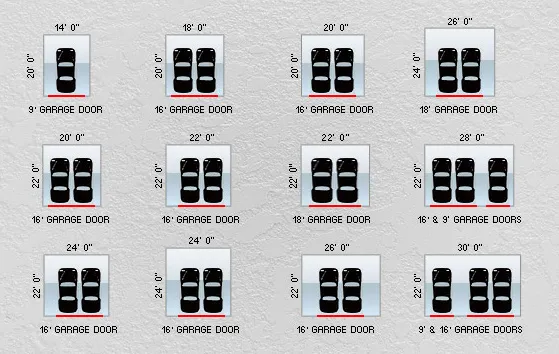
To help make these ideas clear, here are some common scenarios:
Example 1: Suburban Family Garage
- Two sedans (each 6 feet wide)
- Standard 16-foot wide, 7-foot high door
- Garage is 20 feet wide
Both cars fit easily, with about 2 feet of space on either side for opening doors and walking.
Example 2: City Home With Tight Space
- One compact car, one small SUV
- 14-foot wide door, 7-foot high
- Garage is 16 feet wide
Tight but manageable. Drivers need to park carefully and may have to fold mirrors.
Example 3: Luxury Home With Large Vehicles
- Two full-size SUVs (each 7.5 feet wide)
- 18-foot wide, 8-foot high door
- Garage is 24 feet wide
Plenty of room for parking, opening doors, and adding storage racks.
Credit: www.garaga.com
Garage Door Widths And Home Value
The width of your garage door can affect your home’s resale value. Real estate agents say that:
- Homes with garages that are easy to park in sell faster.
- Buyers with large vehicles may skip homes with narrow double doors.
- A 16-foot or 18-foot double door is considered a “must-have” in many new neighborhoods.
When building or remodeling, think about what future buyers might want. It’s easier to widen a door during construction than after your house is finished.
Installation And Structural Needs
Wider garage doors require stronger support. The wider the opening, the more pressure on the top beam (called a “header”). This means:
- You may need a thicker or reinforced header for an 18-foot door.
- The side walls must be strong enough to hold the extra weight.
- Professional installation is recommended for anything wider than 14 feet.
Mistake to avoid: Trying to widen a garage door without updating the structure can cause sagging, cracks, or even collapse.
Cost Comparison: Standard Vs. Wider Doors
Garage door cost depends on the width, material, and style. Here’s a rough comparison:
| Door Width | Average Cost (Door Only) | Installation Cost |
|---|---|---|
| 12 feet | $700 – $1,000 | $300 – $500 |
| 14 feet | $800 – $1,200 | $350 – $600 |
| 16 feet | $900 – $1,500 | $400 – $650 |
| 18 feet | $1,200 – $2,000 | $500 – $800 |
Note: These are for basic steel doors. Wood, glass, or custom finishes cost more.
Mistakes To Avoid When Choosing Garage Door Width
Even experienced homeowners can make costly errors. Here are two common mistakes beginners often miss:
- Measuring only the door, not the cars: Always check your car sizes—including mirrors—and make sure you have room for the garage door track and opener.
- Ignoring future needs: Maybe you only have small cars now, but in five years, you might buy an SUV or need space for bikes. Planning ahead saves money and hassle.
Other mistakes include:
- Not checking local building codes.
- Forgetting about storage needs on the sides of the garage.
- Picking a size based on budget alone, not daily comfort.
Practical Tips For Measuring And Planning
Before you buy or install a new garage door, follow these steps:
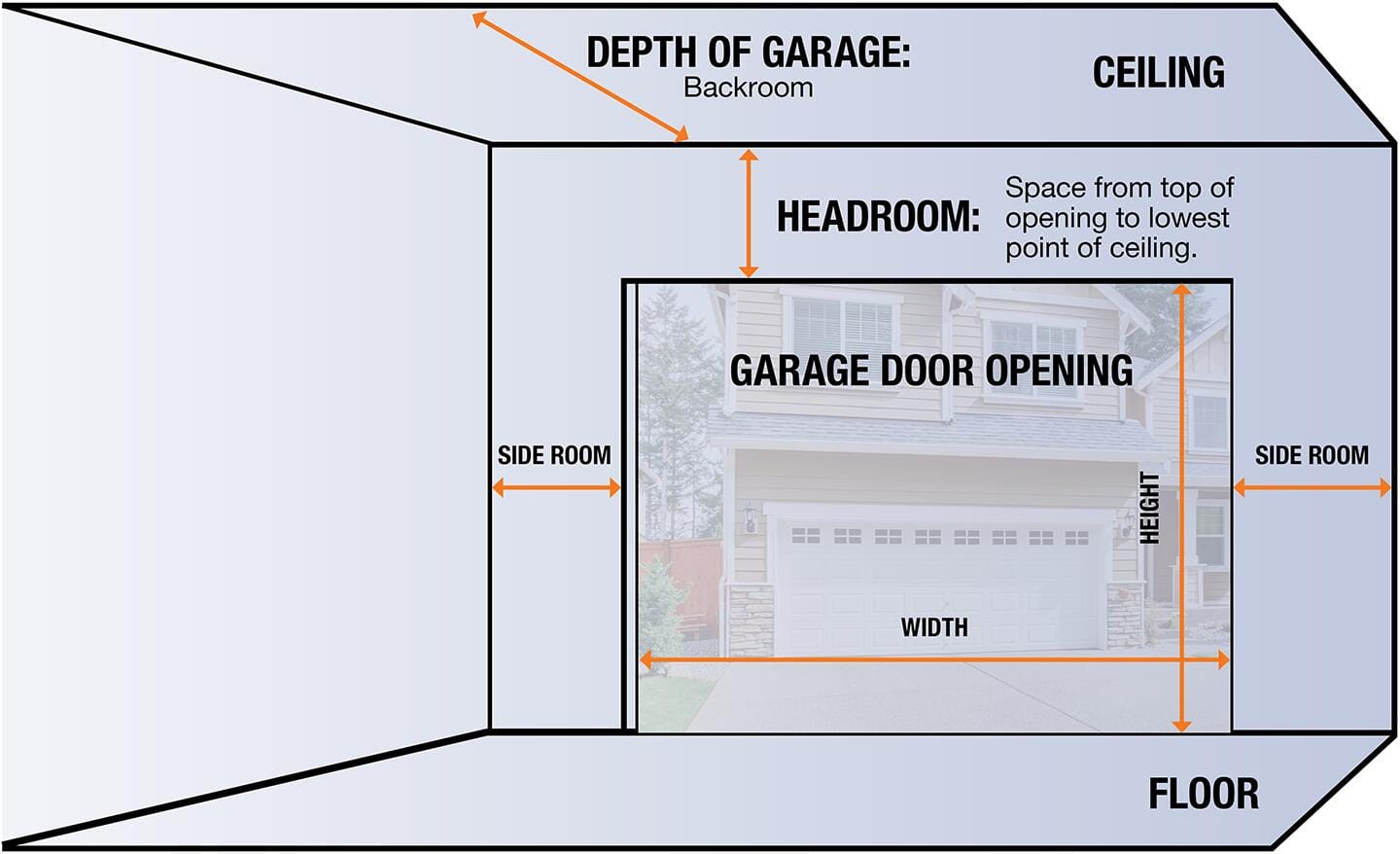
- Measure your garage opening (width, height, and depth). Double-check for any obstructions like pipes, wires, or lights.
- Measure your vehicles with mirrors extended.
- Leave at least 2 feet of space on each side of both cars for easy access.
- Think about future upgrades, like buying a larger car or adding storage shelves.
- Check for structural support if you’re choosing a door wider than 16 feet.
- Ask professionals for advice if you have a non-standard garage or unique needs.
Insight: Many homeowners forget that the opener and tracks also need space. Don’t just measure the door—look at the ceiling and side walls, too.
Alternatives To Double Doors
If a double garage door isn’t right for your home, consider these alternatives:
- Two single doors: Offers more design options and keeps each car separate.
- Carport with a single wide door: Useful for houses with unusual layouts.
- Sliding or bi-fold doors: For garages with limited headroom or unique architecture.
Each solution has its own requirements for width and support, so consult a garage door expert before making changes.
Credit: www.homedepot.com
Garage Door Materials And Their Impact On Width
While the main focus is on width, the material of your garage door can also affect your choices.
- Steel doors: Strong and reliable, available in all widths.
- Wood doors: Heavier and may need more structural support for wide doors.
- Aluminum doors: Lighter, often used for custom wide doors.
- Fiberglass or glass: Stylish, but may need extra framing.
Wider doors are heavier, so materials matter for long-term durability and maintenance.
Insulation And Energy Efficiency
A wider garage door can let in more cold or hot air, especially if it’s not insulated. For attached garages, choose a well-insulated door to reduce energy loss. This is especially important for 16- or 18-foot doors, which have more surface area.
Tip: Insulation also makes the garage quieter and helps protect your stored items.
Safety And Security Concerns
Wide garage doors can be a target for break-ins if not installed properly. Make sure your door:
- Has strong locking mechanisms.
- Uses a reliable, modern opener with rolling codes.
- Is checked regularly for wear and tear.
Larger doors may need extra safety sensors to prevent accidents.
How Garage Door Width Affects Automation
Most modern garage doors are automatic, but wider doors need stronger openers. For a 16- or 18-foot door, choose an opener with at least 1/2 to 3/4 horsepower. This ensures smooth, safe operation for years.
Accessibility And Special Needs
Families with wheelchairs, walkers, or mobility scooters often need extra-wide garage doors. An 18-foot wide door makes it easier to load and unload without obstacles.
If accessibility is important, consider:
- Low-profile door tracks
- Remote controls with large buttons
- Smooth, step-free entry
Weather And Climate Considerations
If you live in an area with heavy snow, strong winds, or storms, a wider door can be more vulnerable. Make sure your door:
- Meets local wind resistance codes
- Has a good seal to prevent water, dirt, and snow from entering
- Is checked yearly for weather damage
Some regions require wind-rated garage doors for openings wider than 16 feet.
When Should You Choose A Custom Width?
Go custom if:
- You have special vehicles (RVs, boats, limos)
- Your garage is unusually shaped
- You need wheelchair or scooter access
- You want a unique look for your home
Custom doors take longer to produce and cost more, but they solve problems that standard sizes can’t.
Maintenance For Wider Garage Doors
Wider doors need regular checks because they are heavier and have more moving parts. Key maintenance tips:
- Lubricate hinges and tracks every 6 months.
- Check the opener and springs for signs of wear.
- Test the safety sensors monthly.
- Clean weather seals to keep out dust and water.
Neglecting maintenance on a wide door can lead to costly repairs or dangerous accidents.
Environmental Impact
Wider garage doors use more materials and may lose more energy if not insulated. Choose eco-friendly materials and add insulation to reduce your home’s carbon footprint.
Popular Brands And Where To Buy
Leading garage door brands in the US include:
- Clopay
- Wayne Dalton
- Amarr
- CHI Overhead Doors
Most home improvement stores and local contractors offer these brands. Always buy from a reputable dealer who offers installation and warranty.
For more about garage door standards and safety, see the Wikipedia: Garage Door page.
Frequently Asked Questions
What Is The Most Common Width For A Two-car Garage Door?
The most popular width in the US is 16 feet. This size fits two average cars comfortably and works for most homes built in the past 30 years.
Can Two Suvs Fit Through A 14-foot Wide Garage Door?
It’s possible but not ideal. Two large SUVs will have very little room on the sides, making it difficult to open doors or park quickly. A 16-foot or 18-foot door is better for SUVs.
Is It Better To Have One Double Door Or Two Single Doors For Two Cars?
Both options work, but one double door is easier for most families to use and usually costs less. Two single doors offer more design choices and can be safer in some cases.
Do I Need A Special Garage Door Opener For A Wider Door?
Yes. For doors wider than 14 feet, choose an opener with at least 1/2 horsepower. For 18-foot doors or heavy wood doors, 3/4 horsepower or more is recommended.
Can I Widen My Existing Garage Door Opening?
Maybe. It depends on your garage’s structure. Widening a garage door opening often requires reinforcing or rebuilding the header and side walls. Always consult a professional before starting this project.
Finding the perfect garage door width for two cars means thinking about your vehicles, your future, and your family’s daily life. By understanding your options and planning ahead, you can create a garage that’s safe, comfortable, and adds real value to your home.