
Choosing the right garage door for your home is more than just picking a style or color. One of the most important details is the width of the door, especially if you need a single car garage door. The width not only affects what kind of vehicles can enter, but it also impacts storage, home value, and even daily convenience. If you are planning to install, replace, or simply understand single car garage doors, knowing the standard and custom width options can help you make a smart decision.
Many homeowners wonder, “How wide are single car garage doors, really? ” The answer is not as simple as just one number. There are standard sizes, but garages come in many shapes, and vehicle sizes have changed over the years.
In this guide, you’ll find everything you need to know about single car garage door widths, from the most common dimensions to how to choose the right size for your needs. Whether you have a compact car, a large truck, or just want extra space for bicycles or storage, you’ll discover what works best.
You’ll also see real examples, measurements, and tips that most people overlook.
What Is A Single Car Garage Door?
A single car garage door is designed to fit one car through an entryway. These doors are common in houses with limited space or for homeowners who only need to park one vehicle in the garage. Compared to double or triple garage doors, single doors are smaller and more affordable, but their size must still allow enough room for your vehicle and any extra storage.
Typically, a single car garage door is installed for:
- Small houses or townhomes
- Detached garages
- Garages that serve as both storage and parking
- Homes with narrow driveways
Understanding exactly how wide a single car garage door is can help you avoid common mistakes like doors too narrow for your vehicle or too wide for your available space.
Standard Widths For Single Car Garage Doors
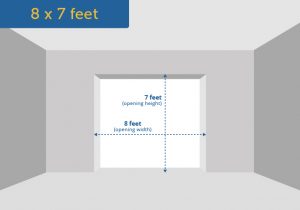
The standard width of a single car garage door in the US is usually between 8 feet and 10 feet. However, there are some variations depending on the garage’s age, location, and builder preferences.
Here are the most common standard widths for single car garage doors:
- 8 feet (96 inches)
- 9 feet (108 inches)
- 10 feet (120 inches)
These sizes are used by most garage door manufacturers and fit the majority of vehicles on the road. Here is a quick comparison:
| Standard Width | Common Usage | Vehicle Size Compatibility |
|---|---|---|
| 8 feet | Older homes, compact garages | Small & midsize cars, some SUVs |
| 9 feet | Modern homes, average garages | Most sedans, SUVs, minivans |
| 10 feet | Large garages, extra storage | Large SUVs, pickup trucks |
The most popular size today is 9 feet wide. This size offers a good balance of space and cost, and it fits most vehicles comfortably.
Why Do Standard Sizes Matter?
Garage door manufacturers produce these common sizes so that installation is easier and replacement parts are available. If you choose a standard size, you will likely pay less and have more design options. Also, standard sizes are more likely to match your home’s existing garage structure, unless your house is very old or custom-built.
Custom Widths And Special Orders
While standard widths fit most needs, some situations require custom garage door widths. If your garage was built with a non-standard opening or you have a unique vehicle, you might need a door made to specific measurements.
Custom single car garage doors can be ordered as narrow as 7 feet and as wide as 12 feet. Here’s how they’re used:
- 7 feet wide: For very small garages or compact vehicles (not common in the US, but sometimes found in old urban homes)
- 11-12 feet wide: For large SUVs, vans, or for extra storage space along the sides
Custom doors are usually more expensive and may take longer to be delivered, but they solve problems that standard doors cannot.
When Should You Consider A Custom Width?
- Your vehicle is wider than average (large truck, wide SUV, or classic car)
- The garage structure is unusual or was built before modern standards
- You want extra walking or storage space inside the garage
- You have special accessibility needs (for example, wheelchair access)
If you’re unsure, measure your garage opening and vehicle width before making a decision.
How To Measure A Garage Door Opening
Knowing the exact width of your garage door opening is crucial before buying a new door. Here’s how you can measure:
- Open the garage door so you can access the full opening.
- Measure the width from the left side of the finished frame to the right side. Measure at the widest point.
- Measure the height from the floor to the top of the finished frame.
- Check for obstructions such as wires, pipes, or uneven framing.
- Measure the side room (space from the edge of the opening to the wall) and headroom (space above the opening).
Most garage doors are sized by their opening, not the physical door panel. The door itself is slightly larger to overlap the frame and create a seal.
Example: If your garage opening measures 8 feet 10 inches wide, you may need a 9 foot wide door.
| Measurement | What to Check | Why it Matters |
|---|---|---|
| Width | Left to right inside frame | Ensures door fits properly |
| Height | Floor to top of frame | Choose correct door height |
| Side room | Edge of opening to wall | Space for tracks/hardware |
| Headroom | Top of opening to ceiling | Space for opener, springs |
A common mistake is measuring only the door panel, not the opening. Always measure the full frame for the best result.
Impact Of Garage Door Width On Vehicle Types
The width of your garage door determines what kind of vehicle you can park comfortably. Different cars need different clearances, and a door that is too narrow can make parking stressful or even risky.
Common Vehicle Widths
Here are the average widths of popular vehicles (including mirrors):
- Compact car: 5.5 to 6 feet
- Midsize sedan: 6 to 6.5 feet
- SUV or minivan: 6.5 to 7 feet
- Pickup truck: 6.5 to 7.5 feet
If you have an 8-foot wide door, you may have only a few inches on each side for larger vehicles. A 9 or 10-foot door makes daily parking much easier, especially for newer, wider cars.
Real-life Example
Imagine you drive a Ford F-150, one of the most popular trucks in the US. The width with mirrors is about 8 feet. If your garage door is also 8 feet, you’ll need to fold in the mirrors each time you park, which is inconvenient. In this case, a 9 or 10-foot door is a much better fit.
Height Matters Too
While the width is the focus, the height of your garage door is also important. Most single car garage doors are 7 feet tall, but 8 feet is also common, especially for taller vehicles like SUVs or vans.
If you drive a high-roof van or an SUV with a roof rack, you should measure both the width and height to avoid surprises.
Single Vs. Double Garage Doors: What’s The Difference?
Sometimes, homeowners ask whether to install two single car garage doors or one double door. Understanding the differences helps you choose the best solution for your home.
Single Car Garage Door
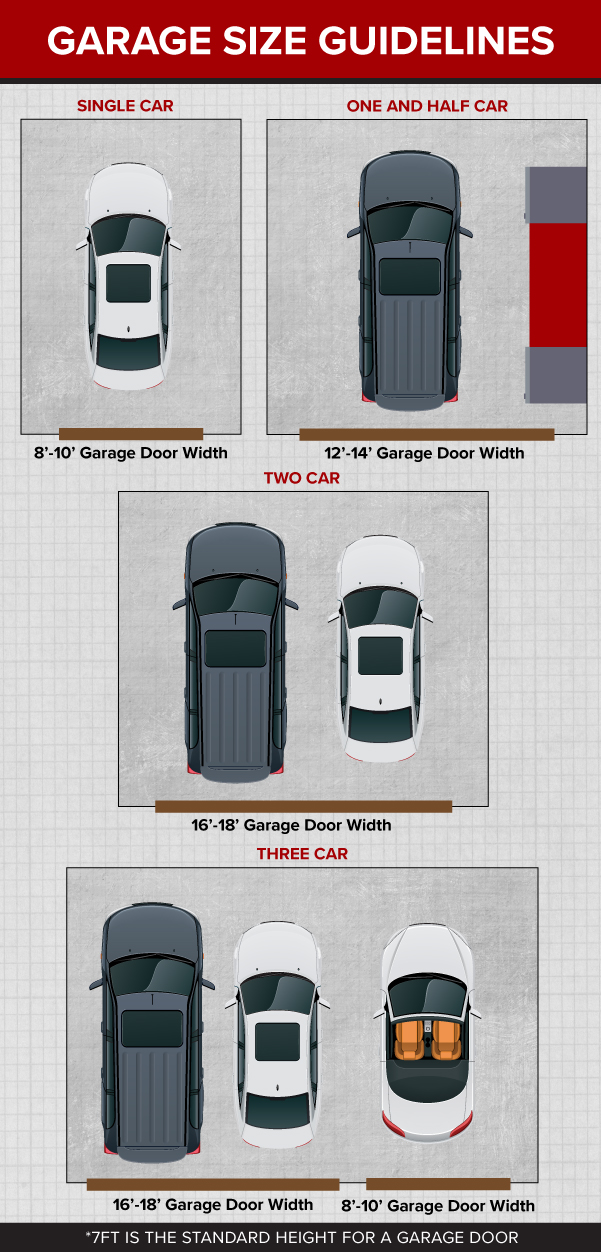
- Width: 8–10 feet
- One vehicle fits
- Less expensive to replace or repair
- Better for narrow driveways
- Keeps vehicles separate (less risk of both being blocked)
Double Garage Door
- Width: 16–18 feet
- Two vehicles fit side by side
- More expensive and heavier
- Needs more wall space
- Easier for wide vehicles
If you have space for only one car, a single door is usually the best choice.
How Door Width Affects Storage And Accessibility
A wider garage door does more than just fit your vehicle. It also gives you:
- More space to open car doors without hitting the garage frame
- Room for bikes, tools, or trash bins on the sides
- Easier access for people with mobility aids or large strollers
Some homeowners regret choosing the smallest possible door to save money, only to find their garage crowded and hard to use. If you plan to use your garage for more than just parking, consider a wider door.
Building Codes And Regulations
Most cities and towns in the US have building codes that set minimum and maximum garage door sizes. These codes are there for safety and to make sure emergency vehicles can access your property if needed.
- The International Residential Code (IRC) does not set specific garage door widths, but it does require that garages be accessible and safe.
- Local codes may set a minimum garage door width (usually at least 8 feet for a single car door).
Before installing a new door, check with your local building department or homeowner’s association. Some neighborhoods have style or size rules for garage doors.
Cost Differences By Garage Door Width
The width of your garage door can affect the total cost, not just for the door itself but for installation and maintenance.
- Standard sizes (8, 9, or 10 feet): Lower cost, more available options
- Custom sizes: Higher cost, may require special installation
As a rough estimate, a standard 9-foot wide single garage door costs between $600–$1,200 for the door and hardware. Custom widths or premium materials can add $300–$800 or more.
Wider doors may also require stronger hardware, tracks, and openers, which can increase costs.
Material Options For Single Car Garage Doors
The material you choose can change the look, cost, and durability of your garage door, but it doesn’t change the standard width options.
Common materials include:
- Steel: Most popular, strong, good insulation, many styles
- Aluminum: Lightweight, rust-resistant, modern look
- Wood: Traditional, beautiful, but more expensive and high-maintenance
- Fiberglass: Lightweight, resists dents, less common
- Vinyl: Affordable, low maintenance, fewer style choices
When ordering, you’ll choose the width first, then pick the style and material.
Insulation And Energy Efficiency
Many homeowners forget about insulation when thinking about garage door width. Insulated doors help regulate temperature and save energy, especially if your garage is attached to your house.
- A wider insulated door can cost more but may keep your garage more comfortable.
- If your garage doubles as a workshop or laundry area, insulation is a smart investment.
Style And Curb Appeal
A single car garage door isn’t just functional—it also affects your home’s appearance. Wider doors can make a small garage look bigger and more inviting, while very narrow doors can make a house look older or crowded.
Modern homes often use 9-foot wide single doors with windows or decorative hardware to boost curb appeal.
Garage Door Widths In Different Countries
While this article focuses on the US, garage door widths can vary by country:
- Canada: Similar to US, but sometimes more 8-foot doors in older homes.
- UK and Europe: Garages are often smaller, with single doors as narrow as 7 feet.
- Australia: Standard single garage door is often 8–9 feet wide.
Always check local standards if you live outside the US.
Common Mistakes When Choosing Garage Door Width
Many first-time buyers make the same errors when picking a garage door width. Here are pitfalls to avoid:
- Not measuring your vehicle with mirrors extended or doors open.
- Ignoring extra storage needs—a tight fit leaves no room for bikes or tools.
- Assuming all cars are the same width—trucks and SUVs can be much wider.
- Forgetting about future needs—you may buy a bigger car later.
- Not checking local codes—some areas have rules about garage door appearance and size.
Expert Tips For Selecting The Right Width
Choosing the best width for your single car garage door is easier with these tips:
- Measure twice: Double-check the garage opening and your vehicle’s full width.
- Think about the future: Consider what vehicles or storage you might have in 5–10 years.
- Allow extra space: A little extra width makes parking and moving around much easier.
- Ask a professional: Garage door installers can check your space and recommend the best size.
- Review your budget: Standard widths are often cheaper and easier to replace.
Comparing Single Car Garage Door Widths: Real-world Scenarios
To help you visualize the differences, here are three real-world garage setups:
| Garage Door Width | Best For | Drawbacks |
|---|---|---|
| 8 feet | Compact cars, small garages, older homes | Tight fit for SUVs/trucks, limited storage |
| 9 feet | Most modern cars, SUVs, average homes | Fits most, but may be tight for largest vehicles |
| 10 feet | Large vehicles, extra side storage, easy access | Costs more, may need bigger opening |
When To Replace Or Widen Your Garage Door
You might need to replace or widen your single car garage door if:
- You bought a larger vehicle that barely fits
- Your current door is damaged, old, or hard to open
- You want to improve your home’s value or energy efficiency
- You need more space for storage or accessibility
Widening a garage door opening usually requires a contractor and structural changes, but it can make your garage much more useful.
How Garage Door Width Affects Home Value
A garage that fits modern vehicles and allows easy access is a selling point for many buyers. Real estate agents say that homes with 9 or 10-foot wide garage doors often sell faster and for more money because they appeal to families with SUVs or trucks.
A cramped or outdated garage can turn off buyers, especially in areas where most people drive larger vehicles.
Garage Door Openers And Width Considerations
The width of your door also affects the type of garage door opener you need.
- Wider, heavier doors may need stronger openers
- Standard openers are fine for 8 or 9-foot steel doors
- Custom widths or heavy wood doors may need a professional-grade opener
If you’re upgrading your door width, talk to your installer about whether you need a new opener as well.

Maintenance And Durability
The width of your door does not affect routine maintenance, but wider doors may put more strain on tracks and springs. Regular checks and lubrication keep all sizes working smoothly.
If you live in an area with strong winds, consider a reinforced or wind-rated door, especially for wider openings.
Accessibility And Special Needs
Some families need a wider single car garage door for wheelchair access, medical equipment, or special vehicles. In these cases, 10-foot or even 12-foot doors are not uncommon. Check with a local accessibility specialist to make sure your garage meets your needs.
Environmental And Energy Factors
A wider door can allow more outside air into your garage, affecting heating and cooling. Choose a well-sealed, insulated door to keep energy costs down. Weatherstripping and good installation are key for all widths.
Where To Buy Single Car Garage Doors
You can buy single car garage doors at:
- Home improvement stores (Home Depot, Lowe’s)
- Garage door specialists
- Online retailers
- Local contractors
Always compare prices, warranties, and installation services. For more information about garage door dimensions and standards, you can check the Wikipedia Garage Door page.
Frequently Asked Questions
How Wide Is A Single Car Garage Door?
The most common single car garage door widths are 8 feet, 9 feet, and 10 feet. The most popular modern size is 9 feet wide. Some custom doors can be as narrow as 7 feet or as wide as 12 feet.
Can I Fit An Suv Or Truck Through An 8-foot Garage Door?
You can fit some SUVs and small trucks through an 8-foot wide door, but it will be a tight squeeze, especially with mirrors extended. For full-size SUVs or pickup trucks, a 9 or 10-foot door is more comfortable and safer.
What If My Garage Opening Is Not A Standard Size?
If your garage opening is not a standard width, you can order a custom garage door made to fit. Measure your opening carefully and talk to a garage door professional for the best solution.
Does The Width Of The Garage Door Affect The Cost?
Yes, wider garage doors usually cost more because they need more materials and stronger hardware. Standard widths are less expensive, while custom widths can add several hundred dollars to the price.
How Do I Measure For A New Garage Door?
Open your current garage door. Measure the width from one finished frame edge to the other, and the height from the floor to the top of the frame. Also, check for side room (edge to wall) and headroom (top to ceiling) for hardware clearance.
A well-chosen garage door width makes your home more comfortable and convenient. By understanding your options and measuring carefully, you can choose a size that fits both your vehicle and your lifestyle. With the right width, your garage will be easier to use every day, adding value to your home for years to come.