
When your garage door suddenly stops working, it can feel frustrating and inconvenient. You might be rushing to work, or it’s raining, and your car is stuck inside or outside. A non-working garage door is more than an annoyance—it can affect your home’s safety, energy use, and even your daily routine. But before you call for expensive repairs, know that many garage door problems have simple causes and solutions. Understanding the basics can save you time, money, and stress.
This guide will help you figure out why your garage door isn’t working. You’ll learn about common issues, troubleshooting steps, and when it’s best to get professional help. Whether your garage door won’t open, close, or is making strange noises, this article gives you clear advice and practical solutions.
Let’s explore the reasons behind garage door problems, how to fix them, and what you can do to keep your garage door running smoothly for years to come.
Understanding How Garage Doors Work
To solve a problem, you need to know how the system works. Most homes use either sectional doors or one-piece tilt-up doors. Both types use springs, tracks, rollers, and an opener that’s usually powered by electricity.
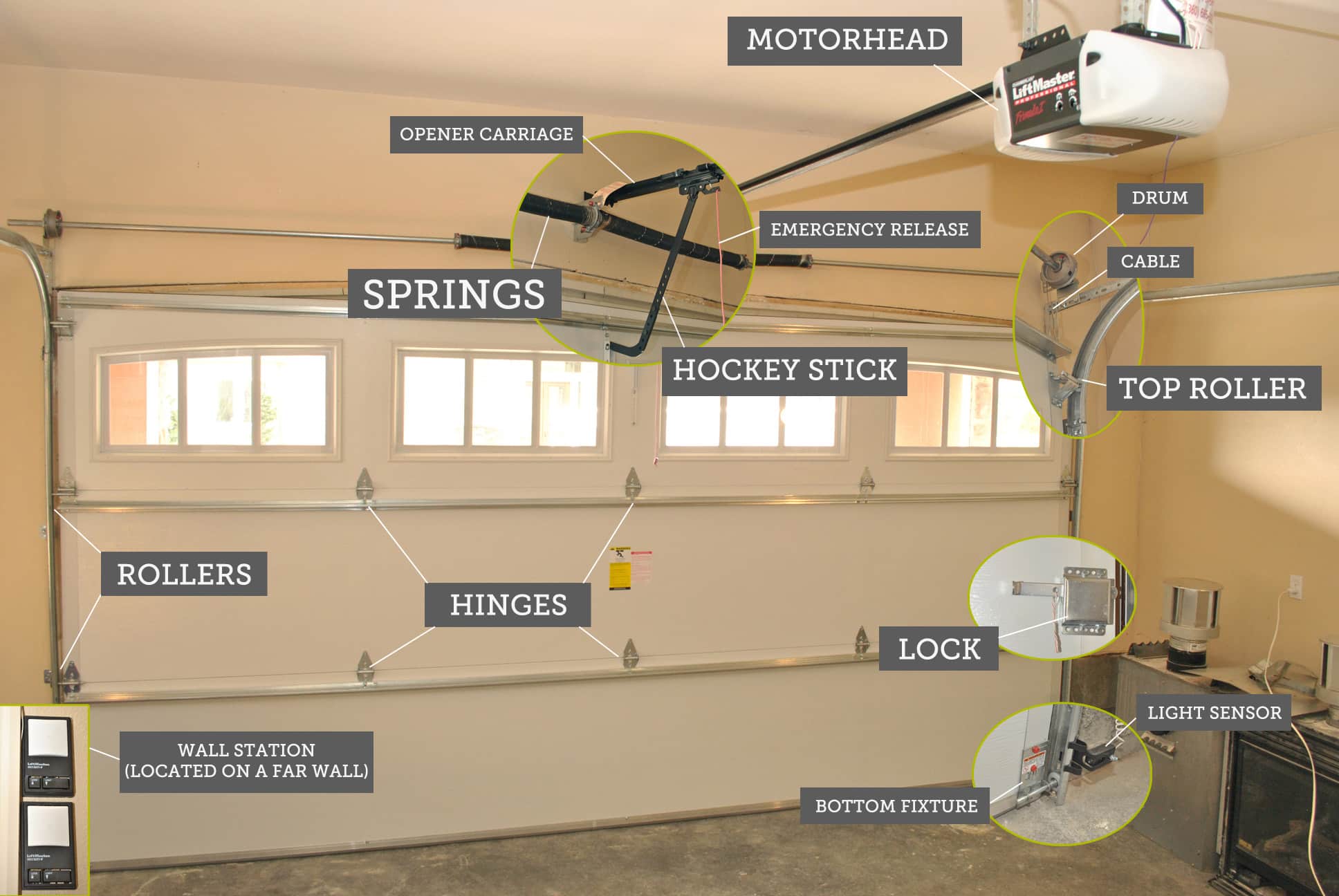
A typical garage door system includes:
- The door panels (sections)
- Torsion springs or extension springs
- Tracks on both sides
- Rollers that allow the door to move
- Cables to help lift and lower the door
- An electric opener with a chain, belt, or screw drive
- Sensors near the ground for safety
When you press the remote or wall button, the opener activates, pulling the door open or pushing it closed. Springs do most of the heavy lifting, while the opener guides the movement. If any part fails, the door might not work.
Common Reasons Why Your Garage Door Is Not Working
Many things can go wrong with a garage door. Some problems are simple, like a dead battery, while others are more complex, like a broken spring. Here are the most common reasons for a non-working garage door:
- Power Supply Issues
- Remote Control Malfunctions
- Sensor Problems
- Broken Springs
- Snapped or Loose Cables
- Track Misalignment or Obstructions
- Roller Wear and Tear
- Opener Motor Problems
- Weather-Related Damage
- Manual Lock Engaged
- Wall Switch Failure
- Limit Settings Off
- Disconnected or Loose Wires
- Damaged Door Panels
- Obstructed or Dirty Tracks
Let’s look at each cause in detail and see what you can do about it.
1. Power Supply Issues
If your garage door doesn’t respond at all, check the power source first. The opener might be unplugged, or a circuit breaker may have tripped. Sometimes, the outlet or wiring is faulty.
Steps to check:
- Make sure the opener is plugged in.
- Test the outlet with another device (like a lamp).
- Check your breaker box for a tripped switch.
- Look for blown fuses.
Non-obvious insight: Sometimes, outlets in garages are connected to GFCI circuits. If a GFCI outlet in another part of the garage or house trips, your garage door opener may lose power. Reset all GFCI outlets you can find.
2. Remote Control Malfunctions
The remote is a frequent source of trouble. If the wall switch works but the remote doesn’t, the issue is often with the remote itself.
Troubleshooting steps:
- Replace the remote’s batteries.
- Make sure you’re within range (usually 20-50 feet).
- Reprogram the remote if needed (check your opener’s manual).
- Look for interference from wireless devices nearby.
Tip: LED light bulbs in your opener can sometimes cause remote interference. Try using standard bulbs to test if range improves.
3. Sensor Problems
All modern garage doors have safety sensors near the floor on both sides of the door. These sensors prevent the door from closing on people or objects.
Symptoms of sensor issues:
- Door won’t close, or reverses when closing.
- Opener lights blink.
How to fix:
- Make sure sensors are aligned (the small lights on each sensor should be steady, not blinking).
- Clean dust or cobwebs from the lenses.
- Remove any items blocking the sensors.
Advanced tip: Direct sunlight can sometimes confuse sensors. If your door only has problems during certain times of day, try shading the sensors.
4. Broken Springs
Garage doors rely on torsion or extension springs to lift the heavy door. If a spring breaks, the opener may struggle or fail to open the door.
Signs of a broken spring:
- Loud bang from the garage (when the spring snaps).
- Door is very heavy or won’t open.
- Large gap or separation in the spring.
Warning: Never try to repair or replace springs yourself. They are under extreme tension and can cause serious injury. Call a professional for spring replacement.
5. Snapped Or Loose Cables
Cables work with springs to help lift the door smoothly. Cables can fray, snap, or come off the drum.
Signs:
- Door is crooked when opening or closing.
- Loose cable visible at the side of the door.
- Door won’t open at all.
Cables under tension are dangerous. If you suspect a cable problem, call a qualified technician.
6. Track Misalignment Or Obstructions
The door moves along metal tracks on both sides. If tracks are bent, loose, or blocked, the door may not move smoothly.
What to look for:
- Gaps between rollers and track.
- Bent or dented tracks.
- Small objects, rocks, or debris in the tracks.
Fixes:
- Remove any obstructions.
- Use a rubber mallet to gently straighten slightly bent tracks.
- Tighten any loose mounting brackets.
If tracks are severely bent or out of alignment, call a pro. Forcing the door can make things worse.
7. Roller Wear And Tear
Rollers let the door glide up and down. Over time, they can wear out, crack, or pop out of the track.
Symptoms:
- Door shakes, jerks, or makes grinding noises.
- Rollers visibly chipped or off the track.
Solution:
- Lubricate rollers with garage door lubricant (not WD-40).
- Replace damaged rollers. Nylon rollers are quieter and last longer than metal ones.
8. Opener Motor Problems
The motor unit in your opener can fail from age, overuse, or electrical surges.
Signs of motor problems:
- Opener hums but doesn’t move the door.
- Sudden stop during opening or closing.
- Burning smell or overheating.
Try unplugging the opener for a few minutes, then plug it back in. If problems persist, the motor may need repair or replacement.
Non-obvious insight: Garage door openers usually last 10-15 years. If yours is older, replacement may be more cost-effective than repair.
9. Weather-related Damage
Weather plays a big role in garage door issues:
- Cold can make metal parts contract, causing stiffness or sticking.
- Heat can affect electronic components.
- Moisture can cause rust or swell wooden doors, jamming the system.
What you can do:
- Keep tracks and moving parts lubricated year-round.
- Check for water leaks or ice buildup near the door.
- Use a dehumidifier in damp garages.
10. Manual Lock Engaged
Some garage doors have a manual slide lock or handle lock. If this is engaged, the opener won’t move the door.
Check both sides of the door for a lock and make sure it’s disengaged before using the opener.
11. Wall Switch Failure
If the wall button doesn’t work but the remote does, the problem may be with the wall switch or wiring.
How to test:
- Remove the wall switch and connect the two wires together. If the door works, the switch is bad.
- Replace the wall button if needed.
12. Limit Settings Off
Openers have limit switches that tell the motor when to stop. If these are set wrong, the door may not fully open or close.
How to adjust:
- Check your opener’s manual for limit adjustment dials or screws.
- Turn the limit adjustment in small increments and test the door after each change.
Non-obvious insight: Sometimes, limit settings drift after a power outage or if the door panels are replaced. Always check settings after repairs.
13. Disconnected Or Loose Wires
Garage doors use low-voltage wiring for the opener, sensors, and wall switch. Over time, wires can come loose or disconnect.
Look for:
- Loose wires at the opener terminals or sensors.
- Damaged wires from rodents or wear.
Carefully reconnect any loose wires, making sure the opener is unplugged first.
14. Damaged Door Panels
Dents, cracks, or warping in the door panels can jam the system or prevent smooth movement.
What to do:
- Inspect all panels for visible damage.
- Small dents can sometimes be popped out.
- For large damage, panels may need to be replaced.
15. Obstructed Or Dirty Tracks
Dirt, leaves, or other debris can block the tracks and stop the door from moving.
How to fix:
- Clean tracks with a damp cloth.
- Avoid using oil or grease on the tracks—use lubricant only on rollers and hinges.
Troubleshooting Steps For A Non-working Garage Door
When your garage door won’t work, follow these steps to narrow down the cause and find a solution.
Step 1: Check Power And Connections
- Ensure the opener is plugged in.
- Test the outlet with another device.
- Reset any tripped breakers or GFCI outlets.
Step 2: Test Remotes And Wall Switch
- Try both the remote and wall button.
- Replace batteries in the remote.
- Reprogram the remote if needed.
Step 3: Inspect Sensors
- Make sure both sensors’ lights are on and steady.
- Clean the sensor lenses.
- Adjust alignment as needed.
Step 4: Examine The Door And Hardware
- Look for broken springs or cables.
- Check for dents, obstructions, or misaligned tracks.
- Lubricate rollers and hinges.
Step 5: Listen And Observe
- Listen for grinding, clicking, or humming sounds.
- Watch for uneven or jerky movement.
- Notice any flashing lights on the opener (refer to the manual for error codes).
Step 6: Try Manual Operation
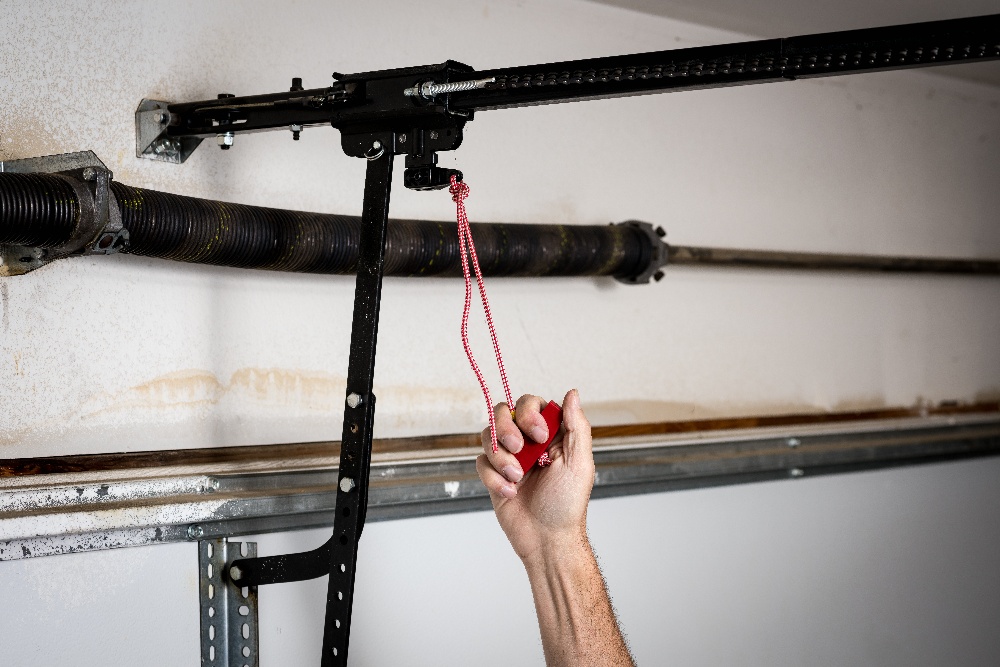
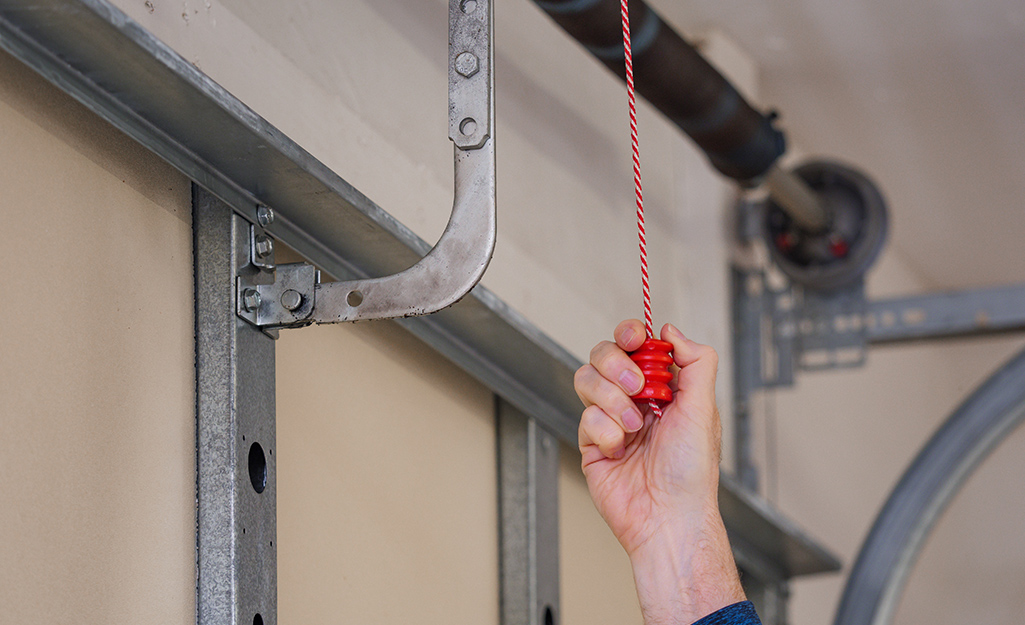
- Pull the emergency release cord (usually a red handle).
- Try opening the door by hand. If it’s heavy or stuck, springs or hardware may be the problem.
Step 7: Check For Locks And Settings
- Make sure manual locks are disengaged.
- Adjust limit switches if the door won’t fully open or close.
If you can’t find the problem, or if repairs involve springs, cables, or the opener motor, call a professional. These parts can be dangerous to work with.
Comparing Common Garage Door Problems
Here’s a quick comparison of the most frequent garage door issues, their symptoms, and possible fixes:
| Problem | Typical Symptoms | DIY Fix? |
|---|---|---|
| Broken Spring | Loud bang, door won’t open, heavy door | No (call a pro) |
| Sensor Misalignment | Door won’t close, flashes, reverses | Yes |
| Remote Not Working | Wall switch works, remote doesn’t | Yes |
| Track Obstruction | Door jerks, stops, or won’t move | Yes |
| Cable Off Drum | Door crooked, stuck, or off track | No (call a pro) |
When To Call A Professional
Not every garage door problem is safe to fix yourself. Here’s when you should call an expert:
- Springs or cables are broken or loose
- The door is off its tracks
- Opener motor smokes, sparks, or smells burnt
- You hear loud grinding or banging noises
- Panels are badly damaged or warped
- You’re not comfortable with electrical work
Professionals have the right tools and experience. Attempting major repairs yourself can lead to injury or more expensive damage.
Preventing Future Garage Door Problems
Regular maintenance helps prevent most garage door failures. Here’s what you should do:
- Lubricate rollers, hinges, and springs every 6 months with silicone or lithium-based spray.
- Clean tracks with a damp rag to remove dirt and debris.
- Test the door’s balance by disconnecting the opener and lifting the door halfway. It should stay in place. If it falls or rises, call for service.
- Check sensors for alignment and cleanliness.
- Listen for unusual sounds and fix problems early.
Non-obvious insight: Even if your door works fine, springs and openers wear out over time. Replacing springs or openers before they fail completely can avoid emergency situations and costly repairs.
Cost Of Garage Door Repairs
Costs vary by problem and region, but here’s an overview of typical repair prices in the US:
| Repair Type | Average Cost | DIY or Pro? |
|---|---|---|
| Spring Replacement | $150 – $350 | Pro |
| Sensor Realignment/Cleaning | $0 – $100 | DIY/Pro |
| Remote/Keypad Replacement | $20 – $60 | DIY |
| Opener Motor Replacement | $200 – $500 | Pro |
| Track Repair/Alignment | $125 – $300 | Pro |
| Roller Replacement | $100 – $200 | DIY/Pro |
DIY repairs are usually limited to sensor cleaning, remote programming, and basic lubrication. Anything involving springs, cables, or the opener motor is best left to the pros.
Upgrading Your Garage Door System
If your garage door is more than 15 years old, upgrading can improve security, energy efficiency, and convenience.
Modern features to consider:
- Smart openers with Wi-Fi control
- Battery backup for power outages
- Quieter belt-drive systems
- Improved insulation for lower energy bills
- Better safety features (auto-reverse, motion detection)
A new garage door can also boost your home’s value. According to the 2023 Cost vs. Value Report, garage door replacement offers one of the highest returns on investment for home improvement.
Frequently Asked Questions
Why Won’t My Garage Door Close All The Way?
The most common reason is sensor misalignment or obstruction. Check if the safety sensors near the ground are clean, aligned, and not blocked. Also, look for anything in the door’s path. If the opener lights are blinking, this is often a sensor problem.
Can I Open My Garage Door Manually If The Power Is Out?
Yes. Pull the emergency release cord (usually a red handle) to disconnect the opener from the door. You can then lift the door by hand. Be careful—if the springs are broken, the door will be heavy.
How Often Should Garage Door Springs Be Replaced?
Most springs last 7-12 years or 10,000 cycles (one open and close). If you hear a loud bang or the door feels unusually heavy, the springs may need to be replaced sooner. Always hire a professional for spring replacement.
Why Does My Garage Door Make Loud Noises?
Noises often come from worn rollers, dry hinges, or lack of lubrication. Lubricate all moving parts with garage door lubricant. If the noise continues, check for damaged rollers or hardware.
Where Can I Find Official Maintenance Tips For My Garage Door Opener?
You can find detailed maintenance and troubleshooting tips in your opener’s user manual or at the manufacturer’s website. For general advice, visit the Consumer Reports Garage Door Buying Guide.
A garage door that isn’t working doesn’t have to ruin your day. By understanding the system, following careful troubleshooting steps, and knowing when to call a professional, you can keep your garage door reliable and safe for years to come.
Regular maintenance and timely upgrades make all the difference—saving you money and stress down the road.