
If your garage door stops working, often the problem is with the garage door springs. Many homeowners don’t realize how important these springs are until their door won’t open or close. Replacing garage door springs is not just a matter of buying a new part—it involves understanding the type, size, quality, and cost. If you want to know how much garage door springs cost, what affects the price, and how to make the right choice, this guide will help you. You’ll also learn how to avoid common mistakes and how to save money without risking your safety.
Garage door springs may look simple, but they carry heavy loads and keep your door balanced. Picking the wrong spring or trying to save too much money can lead to more problems later. Many people don’t know there are different types of springs, or that buying the cheapest option is not always best.
In this article, you’ll get a clear idea of prices, differences, and smart ways to handle garage door spring replacement.
Types Of Garage Door Springs
Before you check prices, it’s important to understand the two main types of garage door springs. Each type has a different role, and their prices can vary.
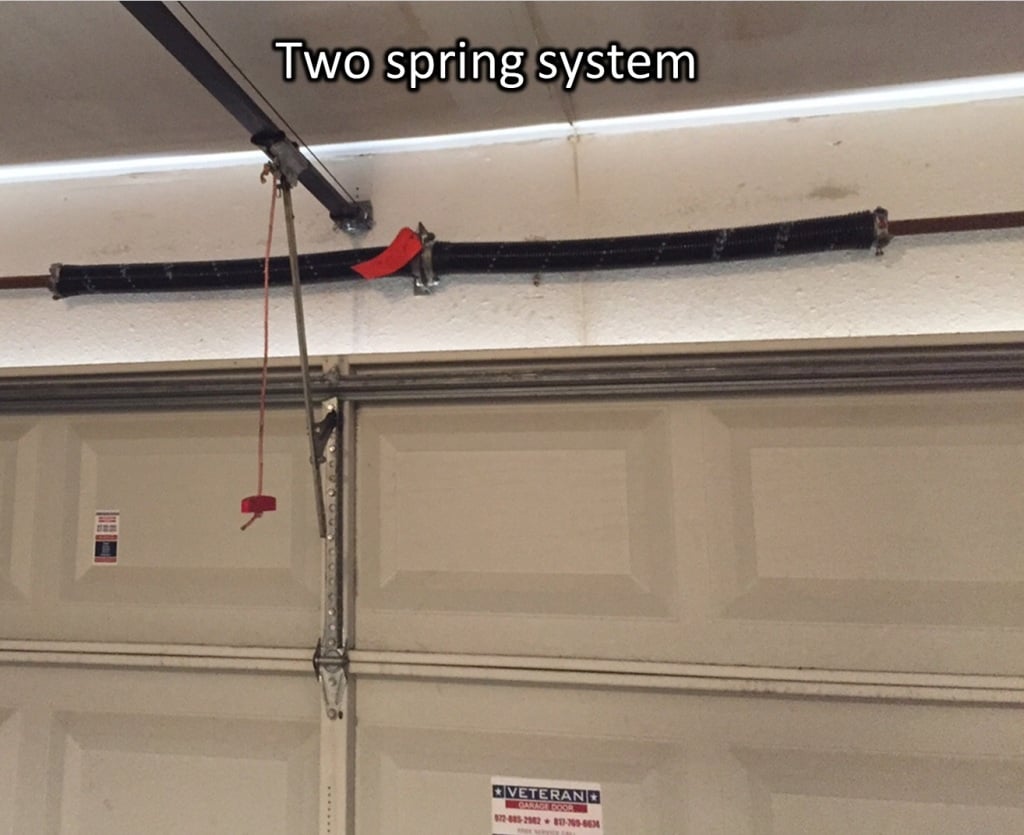
Torsion Springs
Torsion springs are mounted above the garage door opening. When the door closes, these springs wind up and store energy. As the door opens, the springs unwind and help lift the door. They are strong, durable, and common in modern doors.
- They last longer than extension springs.
- They provide smoother, safer operation.
- They are usually more expensive.
Extension Springs
Extension springs are installed on both sides of the door, parallel to the horizontal tracks. They stretch and contract as the door moves.
- They are cheaper than torsion springs.
- They are used on lighter doors or older garage doors.
- They can be more dangerous if they break.
Some people try to save money by picking extension springs, but torsion springs are often better for safety and durability.
Specialty Springs
A few garage doors use specialty springs, such as wayne dalton torque master springs or custom springs for unusual doors. These are less common, and their prices can vary widely.
What Factors Affect Garage Door Spring Prices?
The price for garage door springs is not fixed. It depends on several factors, and knowing these can help you avoid overpaying or buying the wrong spring.
- Spring Type: Torsion springs cost more than extension springs.
- Size and Strength: Heavier doors need bigger, stronger springs, which cost more.
- Material Quality: High-quality steel springs last longer but cost more.
- Brand: Well-known brands may charge a premium.
- Coating and Finish: Some springs have special coatings to resist rust.
- Local Market: Prices can change depending on where you live.
- Installer Fees: If you hire a pro, labor costs are added.
- Warranty: Springs with longer warranties usually cost more.
Non-obvious insight: Springs are often sold in pairs even if only one is broken. Replacing both at the same time prevents uneven wear.
Garage Door Spring Price Range
How much are garage door springs? Prices can be surprising. Let’s break down the typical costs for each type, including some real-world examples.
Extension Spring Prices
Most extension springs cost between $15 and $45 per spring. You usually need two for a standard door.
- Basic spring: $15–$25
- Heavy-duty spring: $30–$45
Torsion Spring Prices
Torsion springs are more expensive and typically cost $30 to $100 each.
- Standard torsion spring: $30–$60
- High-cycle or commercial-grade: $60–$100
Specialty Spring Prices
For rare or custom springs, prices can range from $60 up to $200 per spring.
- Torque master spring: $75–$120
- Custom size: $100–$200
Labor Costs
If you hire a professional, expect to pay $120–$350 for installation, including the cost of springs. Labor is often the biggest part of the bill.
Example Cost Breakdown
Here is a sample price breakdown for a typical garage door spring replacement:
| Item | Low End | High End |
|---|---|---|
| Extension Spring (each) | $15 | $45 |
| Torsion Spring (each) | $30 | $100 |
| Labor (per job) | $120 | $350 |
| Total (DIY) | $30 | $200 |
| Total (Pro Installed) | $150 | $450 |
Most homeowners pay between $150 and $350 for spring replacement, including labor.
Buying Garage Door Springs: What To Look For
When you shop for garage door springs, don’t just look at price. Several details matter.
Spring Size
Garage doors need springs matched to their weight and size. If you use the wrong size, the door may not open smoothly or could be dangerous.
- Measure the door width and height.
- Check the weight of your door (most standard doors weigh 150–200 lbs).
- Match spring length, diameter, and wire size.
Many online sellers offer size calculators. If unsure, ask a pro.
Cycle Rating
A spring’s cycle rating shows how many times it can open and close before failing. Standard springs are rated for 10,000 cycles; high-cycle springs can reach 20,000–50,000 cycles.
- Higher cycle springs last longer.
- They cost more but save money long-term.
Material & Coating
Most springs are made from high-carbon steel. Some have special coatings (zinc, powder) to prevent rust.
- Look for coated springs if you live in a humid area.
- Quality material prevents breakage.
Warranty
Some springs come with a warranty (usually 1–5 years). A longer warranty is a sign of quality.
- Read the warranty terms before buying.
- Cheaper springs often have no warranty.
Brand Reputation
Big brands like Clopay, Wayne Dalton, or DURA-LIFT are known for quality. Local generic brands may be cheaper but less reliable.
Diy Vs Professional Installation
Replacing springs yourself can save money, but it’s risky. Here’s what you need to know.
Diy Replacement
- Springs cost less when bought online.
- Labor is free, but you need special tools.
- Mistakes can cause injury or damage.
Non-obvious insight: Many springs are under high tension. If you don’t release the tension correctly, parts can fly off and cause harm.
Professional Installation
- Safer for most homeowners.
- Costs more, but includes warranty and expert fitting.
- Pros can fix related issues (cables, tracks).
If you’re not experienced, hiring a pro is usually best.
Diy Vs Pro Cost Comparison
Here’s a simple comparison for a single spring replacement:
| Factor | DIY | Professional |
|---|---|---|
| Spring Cost | $30–$100 | $30–$100 |
| Tools | $20–$50 | Included |
| Labor | Free | $120–$350 |
| Warranty | Limited | Full |
| Risk | High | Low |
| Total | $50–$150 | $150–$450 |
DIY is cheaper, but the risk is much higher.
Common Mistakes When Buying Garage Door Springs
Many homeowners make mistakes when buying springs. Avoid these errors to save time and money.
- Buying the wrong size: Not matching the spring to the door’s weight can cause failure.
- Choosing cheap springs: Low-cost springs often break sooner.
- Ignoring cycle rating: Higher cycle springs cost more but last longer.
- Not buying in pairs: Even if one spring breaks, replace both to prevent uneven wear.
- Skipping professional help: DIY repairs can be dangerous if you’re not trained.
- Overlooking warranty: Buying springs without a warranty can lead to future costs.
Non-obvious insight: Some sellers list springs by door size, not weight. Always check both.
Garage Door Spring Lifespan And Replacement Frequency
Most garage door springs last between 5 and 10 years, depending on use. If you open the door four times per day, a 10,000-cycle spring lasts about 7 years.
- High-cycle springs last longer—up to 15–20 years.
- Weather, humidity, and poor maintenance can reduce lifespan.
Regular lubrication and annual inspections can help springs last longer.
How To Identify The Right Garage Door Spring
Finding the right spring is key. Here’s how you can do it:
- Check the label or manual: Many doors have a label with spring specs.
- Measure the old spring: Length, diameter, and wire size matter.
- Weigh the door: Use a bathroom scale under the door with the opener disconnected.
- Count the coils: This helps identify wire size.
- Ask a professional: If unsure, call a garage door company for advice.
Tip: Take a photo of your existing spring and show it to the seller or installer.

Where To Buy Garage Door Springs
You can buy springs from several places:
- Local hardware stores: Good for basic springs.
- Online retailers: Amazon, eBay, and specialty sites offer many options.
- Garage door companies: They sell high-quality springs and offer installation.
- Direct from manufacturers: Some brands sell direct for custom needs.
If you need a unique or high-cycle spring, buying from a specialist is best.
Are Used Garage Door Springs Worth It?
Some people try to buy used springs to save money. This is rarely a good idea.
- Used springs may already be worn out.
- They often have no warranty.
- Installation may cost more if the spring fails.
For safety, always buy new springs.
Real-world Price Examples
Here are some real price examples from popular sources:
- Amazon: Standard extension spring pair for $35–$50.
- Home Depot: Torsion spring for $60–$90.
- Local garage door company: Spring plus installation for $200–$300.
Prices can change by region, spring size, and brand.
Garage Door Spring Quality: What Makes A Difference?
Quality matters. Here’s what makes a good spring:
- High-carbon steel: Strong and durable.
- Precision winding: Smooth, consistent coils.
- Rust-resistant coating: Prevents corrosion.
- Proper sizing: Matches your door’s weight and movement.
- High cycle rating: Lasts longer.
Non-obvious insight: Springs made in the USA often have stricter quality control than imported springs.
Garage Door Spring Safety
Garage door springs hold a lot of tension. If they break, they can cause injury or damage.
- Always use a safety cable with extension springs.
- Torsion springs require special winding bars for safe removal.
- If your spring is rusty or cracked, replace it immediately.
Professional installers follow safety steps that most DIYers overlook.
Cost Comparison: Spring Types And Brands
Let’s compare popular brands and spring types for price and quality.
| Brand | Type | Cycle Rating | Price Range | Warranty |
|---|---|---|---|---|
| Clopay | Torsion | 15,000 | $50–$90 | 5 years |
| Wayne Dalton | Torque Master | 20,000 | $75–$120 | 5 years |
| DURA-LIFT | Extension | 10,000 | $20–$40 | 2 years |
| Generic | Extension | 10,000 | $15–$25 | 1 year |
Top brands offer higher cycle ratings and longer warranties.
How To Save Money On Garage Door Springs
Many homeowners want to save money, but safety and quality should come first. Here are practical ways to cut costs:
- Shop around: Compare prices online and at local stores.
- Buy in pairs: Sellers often discount pairs.
- Choose standard sizes: Custom springs cost more.
- Ask about warranties: A good warranty can save money long-term.
- Maintain your springs: Lubricate regularly to extend lifespan.
Tip: If you have a standard door, you can often find deals from major retailers.
When To Replace Garage Door Springs
Replace your springs if:
- The door won’t open or close smoothly.
- You hear loud bangs when the door moves.
- The spring looks stretched, rusty, or broken.
- The door feels heavy or uneven.
Don’t wait for complete failure—replace springs early to avoid accidents.
How Garage Door Springs Affect Your Door
Springs are the most important part of your garage door’s movement. If the springs are wrong or broken:
- The opener motor may burn out.
- The door may come off its tracks.
- The door may slam shut or not open at all.
Choosing the right spring protects your door and your safety.
Expert Advice: Picking The Best Garage Door Spring
If you want springs that last, choose high-cycle, coated springs from a reputable brand. Always match the spring size to your door weight. If you’re unsure, consult a professional.
Non-obvious insight: If your garage door opener is older, replacing springs can make the motor last longer by reducing stress.
For more technical information, you can check Wikipedia’s Garage Door Spring page.
Frequently Asked Questions
How Do I Know Which Garage Door Spring I Need?
Measure your existing spring’s length, diameter, and wire size. Check your door’s weight and consult your owner’s manual. If unsure, show a photo to a professional or use online calculators.
Can I Replace Garage Door Springs Myself?
It’s possible, but risky. Springs are under high tension and can cause injury. If you have experience and the right tools, you can try. Most homeowners should hire a professional.
Why Do Garage Door Springs Break?
Springs break due to wear and tear, rust, poor maintenance, or wrong sizing. Most springs last 5–10 years or 10,000 cycles. High humidity and cold weather can speed up failure.
Are Torsion Springs Safer Than Extension Springs?
Yes, torsion springs are generally safer and more durable. They provide smoother operation and are less likely to cause accidents when they break. Extension springs must have safety cables to reduce risk.
How Much Does It Cost To Replace Garage Door Springs?
The cost depends on spring type, size, brand, and labor. Most homeowners pay $150–$350 for professional replacement, including springs and labor. DIY replacement costs $30–$100 for springs plus tools.
Replacing garage door springs is a smart investment in your home’s safety and convenience. By understanding the types, prices, and what matters most, you can make a confident choice and avoid common mistakes. Always put safety first and choose springs that match your door and your needs.