
A new garage door opener can make life easier, safer, and even more energy-efficient. But how much does it really cost to get one installed? Many homeowners find the pricing confusing because there are several factors involved. Some people expect a simple device, but today’s garage door openers come with smart features, better safety, and different drive types.
If you’re thinking about replacing your old opener or buying one for a new home, understanding the total cost is important. This guide breaks down everything you need to know about the price, from the opener itself to installation and long-term value.
What Is A Garage Door Opener?
A garage door opener is an electric device that lifts and lowers your garage door automatically. You usually control it with a remote, a wall switch, or even your smartphone. Modern openers offer more than just convenience—they boost security, make your home safer, and often run much quieter than older models. There are several types, and each one comes with different features and price points.
Main Types Of Garage Door Openers
Choosing the right type affects both cost and performance. Here’s a look at the most common types:
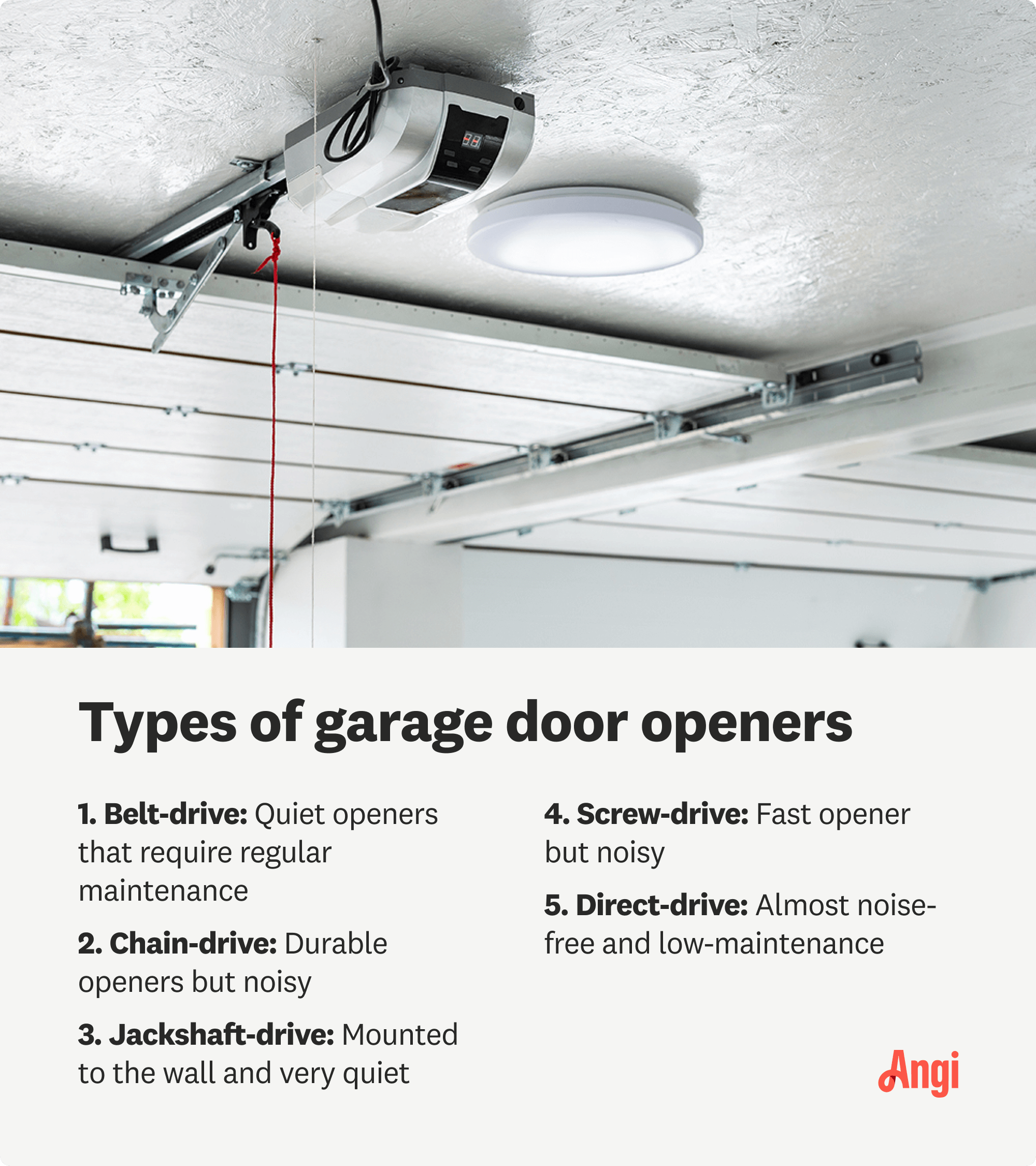
Chain-drive Openers
Chain-drive openers use a metal chain to move the door. They’re strong and affordable, making them a popular choice for many homes. However, they can be noisy—especially if your garage is under a bedroom.
- Average cost: $150–$250 (without installation)
- Best for: Detached garages, budget buyers
Belt-drive Openers
These use a rubber belt instead of a chain. They’re much quieter and require less maintenance. However, they cost a bit more.
- Average cost: $200–$350 (without installation)
- Best for: Attached garages, noise-sensitive families
Screw-drive Openers
Screw-drive models use a threaded rod to move the door. They’re in the middle for price and noise. These work best in mild climates and are not ideal for very heavy doors.
- Average cost: $180–$300 (without installation)
- Best for: Homeowners who want moderate noise and speed
Direct-drive Openers
These have just one moving part—the motor travels along a stationary chain. They’re very quiet and reliable, but also the most expensive.
- Average cost: $250–$500 (without installation)
- Best for: Premium buyers, luxury homes
Jackshaft Openers
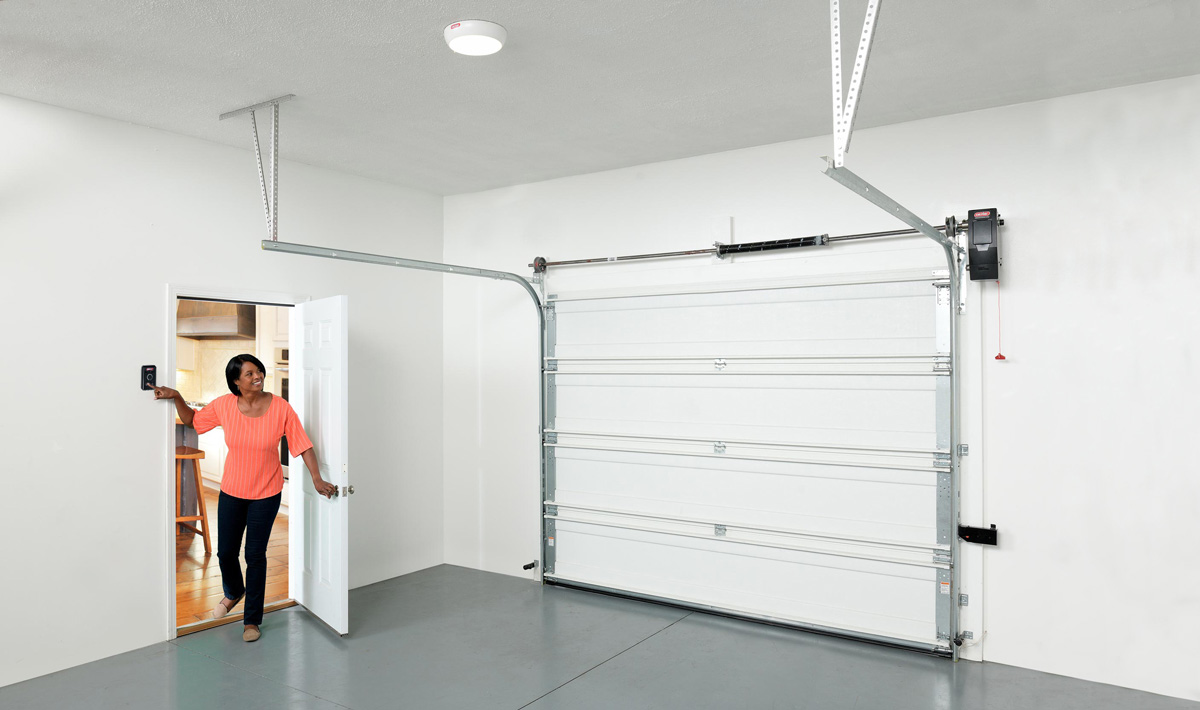
Jackshaft openers mount on the wall beside the garage door instead of the ceiling. They’re great for garages with low ceilings or special needs.
- Average cost: $350–$700 (without installation)
- Best for: Garages with limited overhead space
Key Features That Affect Price
Not all openers are the same, even within one type. Here are features that can raise or lower the price:
- Horsepower: Most openers come in ½, ¾, or 1 horsepower. More power costs more but is needed for heavier doors.
- Smart technology: Wi-Fi and app control add $30–$100 to the price.
- Battery backup: Keeps your door working during power outages; usually adds $50–$100.
- Security features: Rolling codes, motion sensors, and automatic lights increase cost but improve safety.
- Lighting: LED lights and motion-activated systems can add $20–$60.
- Brand reputation: Well-known brands like LiftMaster, Chamberlain, and Genie may charge more for reliability.
Average Cost Of A New Garage Door Opener
The total cost depends on the opener, installation, and extra features. Here is a breakdown:
| Type | Opener Price | Installation | Total Cost |
|---|---|---|---|
| Chain-Drive | $150–$250 | $130–$250 | $280–$500 |
| Belt-Drive | $200–$350 | $130–$260 | $330–$610 |
| Screw-Drive | $180–$300 | $140–$270 | $320–$570 |
| Direct-Drive | $250–$500 | $150–$300 | $400–$800 |
| Jackshaft | $350–$700 | $200–$350 | $550–$1050 |
Installation usually costs as much as the opener itself, especially if you need electrical work or have an older door. If you want smart features, battery backup, or extra remotes, expect to pay more.
What Influences The Final Price?
The price you pay is not just for the device. Here’s what can increase or decrease your total:
Door Size And Weight
A single, lightweight door needs less power and a cheaper opener. Double or heavy wooden doors need stronger (and more expensive) models.
Professional Vs Diy Installation
Professional installation ensures everything works safely, but it costs $130–$350. Some handy homeowners install their own openers, saving money but risking problems.
Extra Features
Adding Wi-Fi, extra remotes, keypads, or smart locks can add $20–$150 each.
Location
Prices are higher in big cities and regions with a higher cost of living. Rural areas may have fewer installers, which can also drive up prices.
Old Opener Removal
Most installers charge $25–$50 to remove and dispose of your old unit.
Electrical Upgrades
If you don’t have an outlet near the garage ceiling, you may need an electrician. This can add $100–$500, depending on the work.
Comparing Popular Brands
Different brands target different buyers. Here’s a quick comparison of top brands:
| Brand | Price Range | Main Features | Warranty |
|---|---|---|---|
| LiftMaster | $250–$700 | Durability, smart features | Lifetime motor, 5 years parts |
| Chamberlain | $180–$500 | DIY-friendly, MyQ app | Lifetime motor, 1–5 years parts |
| Genie | $150–$400 | Quiet, easy install | 10 years motor, 1–5 years parts |
| Craftsman | $170–$400 | Value, basic smart features | Lifetime motor, 1–5 years parts |
| Ryobi | $250–$450 | Modular accessories, battery backup | Lifetime motor, 1–5 years parts |
Insider tip: Some brands share parts and technology. For example, Chamberlain and LiftMaster are made by the same parent company. You can often get similar features for less if you’re flexible on branding.
Professional Installation: What To Expect
Getting a new opener installed by a pro isn’t just about connecting wires. Here’s what the service usually includes:
- Removing your old opener (if you have one)
- Mounting the new unit to the ceiling or wall
- Connecting the door arm and track
- Wiring the wall control and safety sensors
- Setting up remotes and smart features
- Testing door balance and force settings
- Showing you how to use the system
Installation Time
A basic swap takes 2–3 hours. If you need new wiring or major adjustments, it could take up to 5 hours.
When Diy Makes Sense
If you’re handy and have the right tools, DIY can save $150–$300. You still need to follow all safety rules, and it’s easy to make mistakes that cause the door to fall or sensors to fail. Most homeowners find pro installation worth the money for peace of mind.
Hidden Costs Many Buyers Miss
Some costs are easy to overlook until you’re at the checkout or the installer arrives:
- Old hardware replacement: If your brackets, tracks, or springs are worn, replacing them can add $50–$200.
- Permits: Some local codes require a permit or inspection, costing $20–$100.
- Smart home integration: Linking with Alexa, Google, or Apple HomeKit may need extra parts or professional setup.
- Travel fees: If you live far from the installer, you might pay $25–$75 extra.
Pro tip: Ask for a complete, itemized quote before you start. This avoids surprise charges and helps you compare offers.
What You Get At Different Price Points
It’s easy to focus on the lowest price, but value matters more. Here’s what you can expect by price tier:
Budget ($150–$300)
- Basic chain or screw-drive opener
- 1–2 remotes
- Limited smart features
- No battery backup
Ideal For: Detached Garages, Rental Properties, Or Simple Needs
Mid-range ($300–$500)
- Quieter belt or screw-drive opener
- Wi-Fi or app control
- Battery backup
- Better lighting and safety features
Ideal For: Busy Families, Attached Garages, Moderate Smart Home Needs
Premium ($500–$1000+)
- Direct-drive or jackshaft openers
- Full smart home integration
- Advanced security (video, rolling codes)
- Lifetime warranties
Ideal for: Luxury homes, smart home enthusiasts, heavy or oversized doors
Should You Repair Or Replace?
Sometimes, a repair is cheaper than a new opener. Here’s how to decide:
- Minor issues (remote not working, sensor misaligned): $20–$80 to fix
- Major issues (motor failure, broken drive): $100–$300 to repair
If your opener is over 10–15 years old, parts are hard to find, or you want smart features, replacement is usually smarter. New openers are safer and more reliable.
How To Choose The Right Garage Door Opener
Picking the best opener means balancing your budget, needs, and garage setup. Here’s what to consider:
1. Door Size And Weight
- Single aluminum door: ½ horsepower is enough
- Double or insulated door: ¾ horsepower or higher
2. Noise Tolerance
- Detached garage: Chain or screw-drive is fine
- Attached to house: Belt or direct-drive is quieter
3. Smart Features
If you want to open your door from your phone or link it to your home security, choose a model with built-in Wi-Fi.
4. Backup Power
If your area has frequent outages, look for an opener with battery backup.
5. Brand And Warranty
Top brands offer better support and longer warranties, which can save money over time.
6. Future-proofing
If you may add smart home devices later, pick an opener that supports upgrades.
Expert insight: Some buyers forget to check ceiling height. If your garage has a high or sloped ceiling, a jackshaft model may be your only option.
Real-world Price Examples
To give you a sense of real costs, here are three examples:
Example 1: Budget Replacement
- ½ HP chain-drive opener: $170
- Professional install: $150
- Old opener removal: $30
- Total: $350
Example 2: Smart Mid-range Upgrade
- ¾ HP belt-drive, Wi-Fi: $320
- Professional install: $180
- Battery backup: $75
- Extra keypad: $45
- Total: $620
Example 3: Premium Jackshaft For Heavy Door
- Jackshaft opener with smart features: $650
- Professional install: $250
- Electrical upgrade: $300
- Total: $1200
As you see, the price can vary a lot based on choices and garage type.
Cost-saving Tips Without Sacrificing Quality
You don’t have to buy the most expensive opener to get reliable performance. Try these strategies:
- Buy during sales or use coupons
- Choose a model with only the features you need
- Install yourself if you’re very handy (and have help)
- Ask for bundled pricing on installation and removal
- Shop for open-box or last-year models
Watch out: Don’t buy the cheapest option if you have a heavy or double door. Underpowered openers wear out quickly and may void your warranty.
Why A Good Opener Is Worth The Investment
A quality garage door opener is more than a button. It protects your car and home, makes daily life smoother, and can even lower your energy bills by sealing the garage better. Newer models are safer—auto-reverse features and rolling codes prevent accidents and break-ins.
They also reduce repair costs and last longer, saving money in the long run.
Non-obvious insight: Many homeowners don’t realize that a quiet opener can boost home value, especially if the garage is under a bedroom or living area. Real estate agents notice these upgrades.
How Long Does A New Opener Last?
Most openers last 10–15 years with normal use. Factors that affect lifespan:
- Frequency of use (busy families wear out openers faster)
- Door weight and balance (unbalanced doors strain the motor)
- Regular maintenance (lubricating parts, checking sensors)
Some high-end models last 20+ years with good care. Investing in a better model can mean fewer headaches later.
Signs You Need A New Garage Door Opener
If you notice these, it’s probably time for a replacement:
- Slow or uneven movement
- Grinding or squeaking noises
- The door reverses unexpectedly
- Remote controls stop working often
- The opener vibrates or shakes when running
Older openers without modern safety sensors should be replaced for safety, even if they still work.
Environmental And Energy Impact
Modern openers use less electricity and have standby modes that save energy. Some also support solar charging or low-power LED lights. If you want an eco-friendly option, look for ENERGY STAR-rated models.
Warranty And After-sales Support
A good warranty is a sign of quality. Most top brands offer:
- Motor: Lifetime or 10+ years
- Parts: 1–5 years
- Labor: 1 year (if installed by a pro)
Read the fine print—some warranties are only valid if installed by a certified technician. Good after-sales support can help you fix problems faster and cheaper.
Common Mistakes To Avoid
- Buying the wrong horsepower: Too weak, and the opener fails fast. Too strong, and you waste money.
- Ignoring noise levels: Cheap openers can wake the whole house.
- Skipping safety features: Always choose models with auto-reverse and rolling codes.
- Not measuring your garage: Unique setups may need special openers.
- Forgetting about ongoing maintenance: Lubricate moving parts and test sensors twice a year.
Unexpected tip: Many buyers forget to check the return policy. If you order online and it doesn’t fit, return shipping can be expensive.
How To Find A Reliable Installer
- Ask for recommendations from friends or neighbors
- Read reviews on local service websites
- Confirm the installer is licensed and insured
- Get at least two itemized quotes
- Ask about warranty support if something goes wrong
Non-obvious insight: Some installers offer a labor warranty, which can be valuable if your opener has issues in the first year.
For more detailed information, you can visit Wikipedia’s garage door opener page.
Frequently Asked Questions
How Long Does It Take To Install A New Garage Door Opener?
Most installations take about 2–4 hours for a professional. Complex jobs (like rewiring or jackshaft units) might need up to 5 hours. DIY can take longer if you’re not familiar with the process.
Can I Install A Garage Door Opener Myself?
Yes, if you’re handy and comfortable with electrical work. However, it’s easy to make mistakes, and improper installation can cause safety problems or void the warranty. Most people prefer professional installation for peace of mind.
Are Smart Garage Door Openers Worth The Extra Cost?
For many people, yes. Smart openers allow you to control your door from anywhere, get alerts, and even connect with your home security system. The added convenience and security are worth the extra $50–$100 for most families.
What Maintenance Does A Garage Door Opener Need?
Basic maintenance includes checking the door balance, lubricating moving parts, cleaning the sensors, and testing the auto-reverse feature. Do this twice a year to keep your opener running smoothly and safely.
How Do I Know If I Need A Stronger Opener?
If your garage door is heavy (solid wood, insulated steel, or double-wide), choose at least ¾ horsepower. If the door struggles, moves slowly, or the opener strains, you likely need a stronger unit.
Choosing the right garage door opener is about more than just price—it’s about convenience, safety, and peace of mind. Take your time to compare options, ask questions, and invest in a model that fits your home and lifestyle. With the right opener, every trip in and out of your garage will feel smoother and more secure.