
Most people do not think about their garage door opener until something goes wrong. One common issue is pulling the red cord hanging from the opener rail. This emergency release cord disconnects the door from the motor, letting you open or close the garage door by hand during a power outage or motor failure. But after using it, many homeowners are left unsure how to reset the system and get their automatic opener working again.
If you’ve found yourself in this situation, you are not alone. Resetting your garage door opener after pulling the red cord is simple once you know the steps. This guide will walk you through the process, explain why the red cord matters, highlight key safety tips, and offer troubleshooting advice for common problems.
Whether you have a chain-drive, belt-drive, or screw-drive opener, you’ll find everything you need to restore normal operation with confidence.
Why The Red Cord Matters
The red cord is a safety feature found on most garage door openers. It is called the emergency release cord. When you pull it, the opener’s carriage releases from the door’s arm. This disconnects the door from the opener, allowing you to move it by hand. You might need to do this if:
- There is a power outage and you need to open or close the garage manually.
- The opener motor is malfunctioning, and you need to secure your garage.
- The door needs repairs, and you want to move it without using the motor.
Pulling the red cord is easy. Resetting the opener afterward is what confuses many people. If you do not reconnect the system correctly, the opener will not lift or lower the door, or may cause damage.
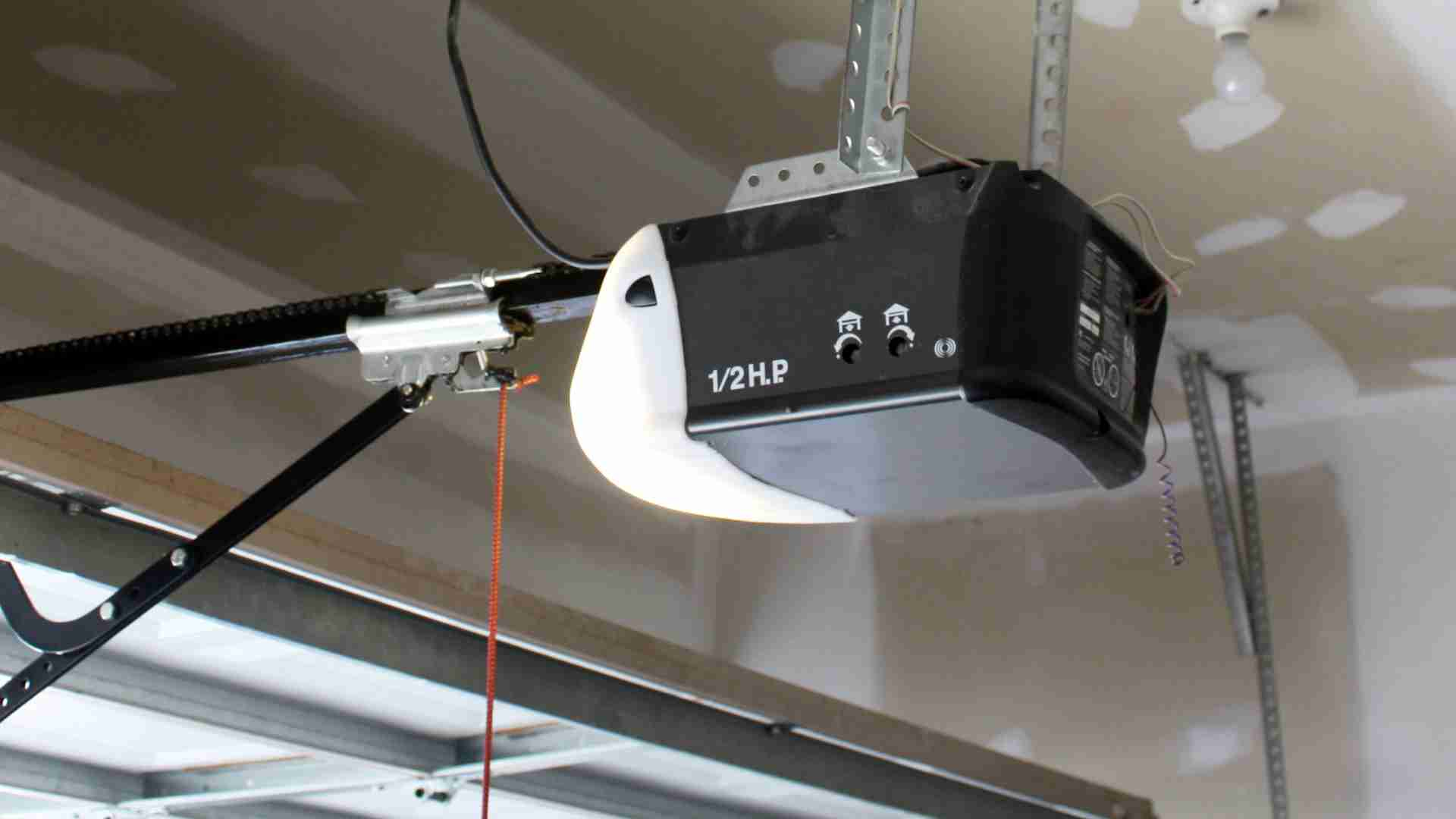
Understanding How Garage Door Openers Work
Before resetting, it helps to understand the parts involved:
- Opener Motor Unit: The box mounted to the ceiling.
- Trolley: Moves along the rail, pulling the door open or pushing it closed.
- Emergency Release Cord: The red rope hanging from the trolley.
- Door Arm: Connects the trolley to the top of the garage door.
The motor pulls the trolley. The trolley, connected to the door arm, moves the door. When you pull the red cord, the trolley disconnects from the arm. The opener will run, but the door will not move until you reset the connection.
Safety Precautions Before You Begin
Garage doors are heavy. Mishandling them can cause injuries or property damage. Always follow these safety tips:
- Unplug the opener before working near the springs or chain.
- Clear the area around the door. Make sure pets and children are not nearby.
- Wear gloves to protect your hands from sharp edges.
- Do not stand under the door while resetting the opener.
- Check the door balance before reconnecting; a door that’s hard to move may need professional repair.
Pro tip: If your door feels unusually heavy or does not stay in place when open halfway, your springs may be broken. In this case, do not attempt to reset the opener—call a professional.
Step-by-step: How To Reset Garage Door Opener After Pulling Red Cord
This section gives you a clear path to follow, no matter your opener model. Most openers work the same way, but always check your manual if unsure.
1. Make Sure The Door Is In The Right Position
Resetting works best when the door is fully closed. If the door is open or halfway, gently move it to the closed position by hand.
- Why closed? It reduces spring tension and makes it easier for the opener to reconnect.
- Tip: If the door is stuck, do not force it.
2. Inspect The Release Mechanism
Look at the trolley and the red cord. You should see that the trolley is disconnected from the arm, and the opener’s carriage can move freely.
- Check for damage: Make sure the cord, trolley, and arm are intact.
- Clean debris: Wipe away any dirt or grease that may block movement.
3. Reconnect The Trolley To The Opener
There are two main ways to reset the connection, depending on your opener type:
Automatic Reset (most Modern Openers)
- Close the door fully.
- Press the wall button or use your remote to activate the opener.
- The trolley will move along the rail until it locks back into the carriage with a click.
- The opener will now be able to lift and lower the door again.
Manual Reset (older Openers)
- Pull the red cord down and toward the opener’s motor until you hear a click. This resets the trolley into the locked position.
- Move the door by hand until the trolley snaps into place on the carriage.
- You may need to push the door slightly until you hear a lock.
Non-obvious insight: Some openers require holding the red cord down while operating the door to engage the trolley. Always check for a small lever or switch near the release.
4. Test The Opener
Press your remote or the wall button to open and close the door.
- Listen for clicks: The trolley should move smoothly, and the door should operate as normal.
- Watch for errors: If the opener runs but the door does not move, the trolley may not be fully engaged.
5. Adjust The Door Limit And Force Settings
Sometimes, after resetting, the opener may need to relearn its open and close limits.
- Locate the adjustment screws (usually on the side of the opener box).
- Open and close the door fully, adjusting the screws so the door stops at the right points.
- Check force settings if the door reverses or struggles. Too much force can damage the door; too little, and the opener will not work.
Tip: Modern openers often have “learn” buttons. Holding this button allows the opener to reset its limits automatically.
6. Plug The Opener Back In And Test All Features
Restore power and check that:
- The door opens and closes with the remote.
- The wall control works.
- The safety sensors stop the door if something crosses the path.
If anything is not working, repeat the steps or consult your opener’s manual.
Common Problems And How To Solve Them
Even after following the steps, you might face some issues. Here’s how to handle the most common ones:
The Opener Runs But The Door Does Not Move
- Reason: The trolley is not engaged.
- Fix: Repeat the reconnect step, making sure the trolley locks into the carriage.
The Door Is Stuck Or Hard To Move
- Reason: Door springs may be broken, or the tracks are blocked.
- Fix: Do not force the door. Inspect for broken springs or debris. Call a professional if springs are damaged.
The Red Cord Is Broken Or Frayed
- Reason: Wear and tear over time.
- Fix: Replace the cord with a new one from a hardware store. Never use the opener without a functioning emergency release.
The Opener Stops Before The Door Is Fully Open Or Closed
- Reason: Limit settings are wrong.
- Fix: Adjust the open/close limit screws. Refer to your opener manual for instructions.
The Door Reverses When Closing
- Reason: Obstruction in sensor path or force setting is too low.
- Fix: Clear the sensor area and adjust the force setting.
Non-obvious insight: If your opener uses a rolling code remote, you might need to reprogram it after a reset. Check your manual if the remote stops working.
Differences Between Opener Types
Garage door openers come in several main types. Most have similar reset steps, but a few differences exist.
| Opener Type | Reset Method | Notable Features |
|---|---|---|
| Chain-Drive | Automatic or manual | Most common; loudest |
| Belt-Drive | Automatic reconnect | Quieter; smoother operation |
| Screw-Drive | Usually automatic | Few moving parts; less common |
| Jackshaft/Wall-Mounted | Manual, often tool required | Mounted beside door; space-saving |
Pro tip: For jackshaft openers, the release and reset are usually on the side rather than the rail. Always check the manufacturer’s instructions.
When To Call A Professional
While most resets are simple, some problems require expert help. Call a garage door technician if:
- The door is extremely heavy and will not stay open.
- The springs are broken or stretched.
- The opener makes grinding noises.
- The emergency release cord does not move or is stuck inside the mechanism.
- You cannot reconnect the trolley after several tries.
Fact: Garage doors can weigh over 200 pounds. Attempting spring repairs without proper tools can cause serious injury.
Preventing Future Issues
A little maintenance can help you avoid red cord and reset problems in the future. Here are some tips:
- Lubricate moving parts: Use garage door lubricant on the rail, rollers, and hinges every six months.
- Test the emergency release: Pull the red cord and reset it once a year to ensure it works smoothly.
- Inspect the door balance: Disconnect the opener and lift the door by hand. It should move easily and stay halfway open.
- Replace worn cords: If the red cord looks frayed, replace it before it snaps.
- Clean the tracks: Keep the tracks free from dust and debris for smooth movement.
Example: Homeowners who perform regular maintenance report 30% fewer garage door malfunctions, according to a study by the International Door Association.
Resetting Smart Garage Door Openers
Modern “smart” openers, which connect to Wi-Fi and smartphone apps, have extra steps:
- After resetting the red cord, re-sync the opener with your app if needed.
- Some smart openers require you to reset the motor’s position using their app or control panel.
- Check for firmware updates after a reset.
Tip: Always log out of your app and log back in after resetting to ensure all features work.
Garage Door Opener Reset: Myths Vs. Facts
There is a lot of confusion about what resetting actually means. Let’s clear up a few myths:
| Myth | Fact |
|---|---|
| Pushing the red cord resets the motor | The red cord only disconnects the door, not the motor |
| You must hire a pro every time | Most resets are DIY, unless springs are broken |
| The opener “remembers” the old position | Most openers auto-reset their position after reconnecting the trolley |
| All openers reset the same way | Some models need manual locking; always check your manual |
Takeaway: Knowing the difference helps you troubleshoot with confidence and avoid unnecessary service calls.
What To Do If The Opener Still Does Not Work
If you have followed all steps and your garage door opener still does not function, try these final checks:
- Check the power supply: Make sure the opener is plugged in and the circuit breaker is on.
- Inspect the sensors: Dirty or misaligned sensors can prevent the opener from working.
- Replace remote batteries: Sometimes, the remote control simply needs new batteries.
- Review the manual: Every opener is different. Find the exact reset instructions for your brand.
If none of these work, it may be time to call a qualified technician.
Why Proper Resetting Matters
Resetting your garage door opener correctly is more than just convenience. It protects your home and family by ensuring:
- The door operates safely and reliably.
- The emergency release is always ready for future use.
- The motor and hardware are not damaged by improper handling.
Improper resets can cause the door to detach from the opener during use, risking injury or break-in. Take the time to follow each step carefully.
Real-world Example: Reset Gone Wrong
Consider a homeowner in Houston who pulled the red cord during a storm to open the garage manually. After the power returned, they tried to reconnect the opener by simply pressing the remote. The trolley did not engage, and the opener ran without moving the door.
Frustrated, they forced the door, damaging the trolley mechanism. A $20 fix became a $200 repair.
Lesson: Never force the door or opener. Always check the reset steps and test the mechanism before relying on automatic operation.
Useful Resources
If you need detailed instructions for your specific opener model, check the manufacturer’s website or your owner’s manual. For more technical information about garage door openers and safety, visit the Wikipedia page on garage door openers.
Frequently Asked Questions
How Do I Know If The Red Cord Is Fully Reset?
When the trolley clicks back into the carriage and the opener moves the door automatically, the reset is complete. If the opener runs but the door does not move, repeat the reconnect step. Listen for a clear “click” sound.
Can Pulling The Red Cord Damage My Garage Door Opener?
Pulling the red cord will not damage the opener if used correctly. However, forcing the door while disconnected or trying to reconnect when the door is not in the right position can cause damage. Always move the door gently and avoid forcing the mechanism.
What Should I Do If The Opener Still Does Not Work After Resetting?
First, check the power supply and make sure the opener is plugged in. Inspect the sensors and try replacing remote batteries. If the opener runs but the door does not move, the trolley may not be engaged. Repeat the reset steps, or consult a technician if problems continue.
Is It Safe To Use The Garage Door Manually For A Long Time?
Yes, you can use the garage door manually if needed, but be sure the door is balanced and moves smoothly. Never use the opener if the door is stuck or feels heavy. Prolonged manual use can be tiring, so reset the opener as soon as possible.
How Often Should I Test The Emergency Release Cord?
It’s smart to test the red cord at least once a year. Pull it to ensure it releases the door, then reset the opener. Regular testing keeps the mechanism from sticking and helps you stay prepared for emergencies.
Restoring your garage door opener after pulling the red cord does not need to be stressful. With the right steps, careful attention, and a little patience, you can have your automatic system working smoothly again. Remember, safety comes first—if you’re ever unsure, reach out to a professional for help.