
When your garage door suddenly refuses to open, it’s more than an inconvenience. It can disrupt your daily routine, cause frustration, and even pose safety risks. Whether you’re running late for work or returning home with groceries, a non-working garage door can quickly turn a good day bad.
Before you call a technician, it’s worth knowing the most common reasons why your garage door won’t open—and how you might fix some of them yourself. Sometimes, the solution is simple and requires only a few minutes of your time.
Other times, it’s best to leave it to the professionals. This article will break down everything you need to know, from obvious to overlooked causes, and guide you through practical steps to get your garage door moving again.
Basic Checks Before Troubleshooting
Before diving into complex issues, start with a few simple checks. These can save you time and money, and often solve the problem right away.
- Power Supply: Make sure the garage door opener is plugged in. Sometimes, a loose plug or tripped breaker is the only problem.
- Remote Batteries: Check if the remote-control batteries are dead. Try using the wall button to see if the door responds.
- Manual Lock: Some garage doors have a manual lock or slide bolt. If it’s engaged, the opener can’t move the door.
Never underestimate these basics. In many cases, the solution is as easy as replacing a battery or flipping a switch.
Common Causes Why Garage Doors Won’t Open
Garage doors are complex systems with many moving parts. When something goes wrong, it can be due to one or more issues. Below are the most frequent reasons for a non-opening garage door.
1. Power Issues
A garage door opener requires electricity. If there’s no power, the system can’t function.
- Outlet problems: Plug another device into the same outlet to confirm it works.
- Circuit breaker: Check your home’s electrical panel. If the breaker is tripped, reset it.
- GFCI outlets: Sometimes, a GFCI outlet (with “reset” and “test” buttons) has tripped. Press “reset” to restore power.
Insight: Many homeowners forget that power surges or storms can trip breakers, causing the opener to lose power.
2. Remote Control Malfunctions
If your remote doesn’t work, but the wall switch does, the problem is likely with the remote.
- Dead batteries: Replace them with fresh ones.
- Out of range: Move closer to the door—most remotes work within 20-50 feet.
- Reprogramming needed: Sometimes, remotes lose their connection to the opener. Check your manual for reprogramming steps.
- Signal interference: Nearby electronics can block the remote’s signal.
Non-obvious tip: LED bulbs in your garage opener or nearby can interfere with remote signals. Try replacing them with standard bulbs if you notice issues.
3. Faulty Wall Switch
When the wall switch fails, the opener won’t respond.
- Loose wires: Inspect the wires behind the switch for disconnections.
- Switch failure: Test with a remote; if only the switch fails, replace it.
- Control board issue: If neither remote nor switch works, the opener’s logic board may be damaged.
Pro insight: Wall switches can wear out over time, especially in humid garages where corrosion is common.
4. Broken Or Misaligned Safety Sensors
Modern garage doors have safety sensors at the base of the tracks. These stop the door if something is in the way.
- Blocked sensors: Dust, spider webs, or objects can block the sensors’ line of sight.
- Misaligned sensors: If the sensors aren’t facing each other perfectly, the door won’t close or may reverse.
- Wiring issues: Loose or chewed wires (by pests) can break the sensor circuit.
Most openers flash a light or show an error code if sensor issues are detected.
5. Broken Springs
Springs bear most of the garage door’s weight. If a spring breaks, the opener may not lift the door.
- Torsion springs: Located above the door, these can snap with a loud bang.
- Extension springs: Run along the sides; if one breaks, the door may lift unevenly or not at all.
- Visual check: Look for gaps, stretching, or a broken coil.
Warning: Never try to replace springs yourself. They are under high tension and can cause serious injury.
6. Damaged Cables
Cables work with springs to lift the door. When they fray or snap, the door may jam or hang crooked.
- Signs of broken cables: The door sags on one side, hangs at an angle, or won’t move.
- Frayed wires: Rust, age, and wear can cause cables to unravel.
Unique tip: Cables often fail soon after a spring breaks, since the extra strain is too much.
7. Door Off Track
If the door comes off its tracks, the opener cannot move it.
- Obvious signs: The door appears crooked or stuck mid-way.
- Track blockage: Debris or objects can block the rollers.
- Bent tracks: Impact or wear can cause the tracks to deform.
Non-obvious insight: Sometimes, small pebbles or toys in the track are enough to stop the door.
8. Opener Motor Problems
The garage door opener is a small motorized box that lifts and lowers the door.
- Humming but not moving: The motor runs, but the door stays put—often a gear or motor failure.
- Burnt-out motor: If you smell burning or see smoke, the motor may need replacing.
- Overheating: Repeated use in a short time can cause the motor to shut off until it cools down.
Quick test: Unplug the opener for 10 minutes, then try again. If it works once, but not repeatedly, the motor is likely overheating.
9. Broken Or Worn Gears
Inside the opener, plastic gears can wear out or break.
- Grinding noise: If you hear grinding, but nothing moves, gears may be stripped.
- No movement: The motor runs, but the chain or belt does not.
These gears are replaceable, but it’s a technical job best left to experts.
10. Chain Or Belt Issues
Most openers use a chain or belt to move the door.
- Loose chain/belt: The opener runs, but the chain or belt sags and doesn’t move the door.
- Broken chain/belt: The motor spins freely, but the door stays shut.
Tip: Regular lubrication and tension adjustments can extend the life of these parts.
11. Locked Or Disconnected Door
Many garage doors can be manually disconnected from the opener.
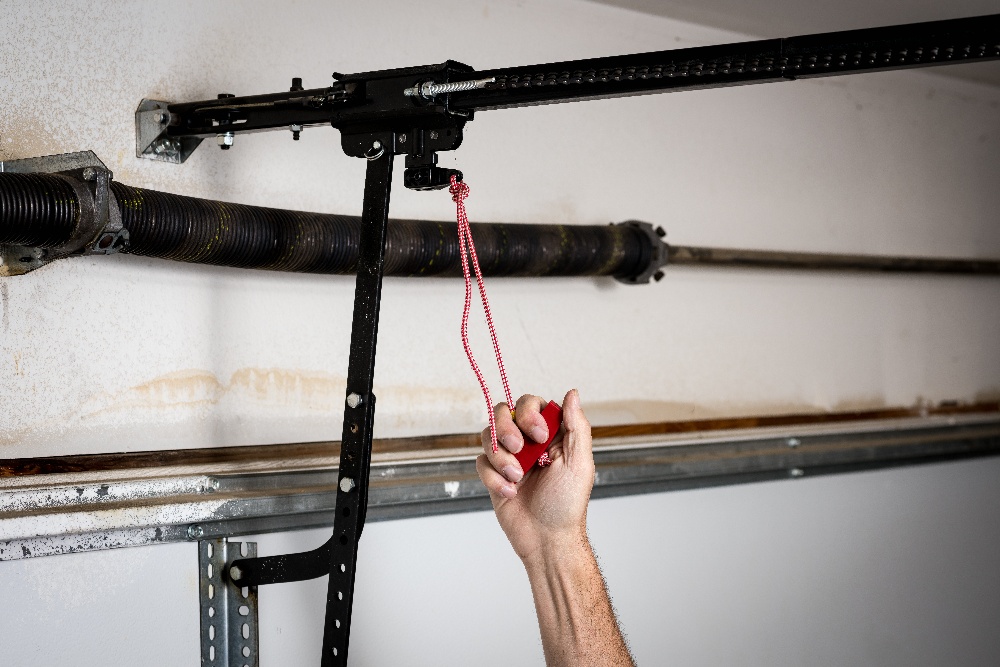
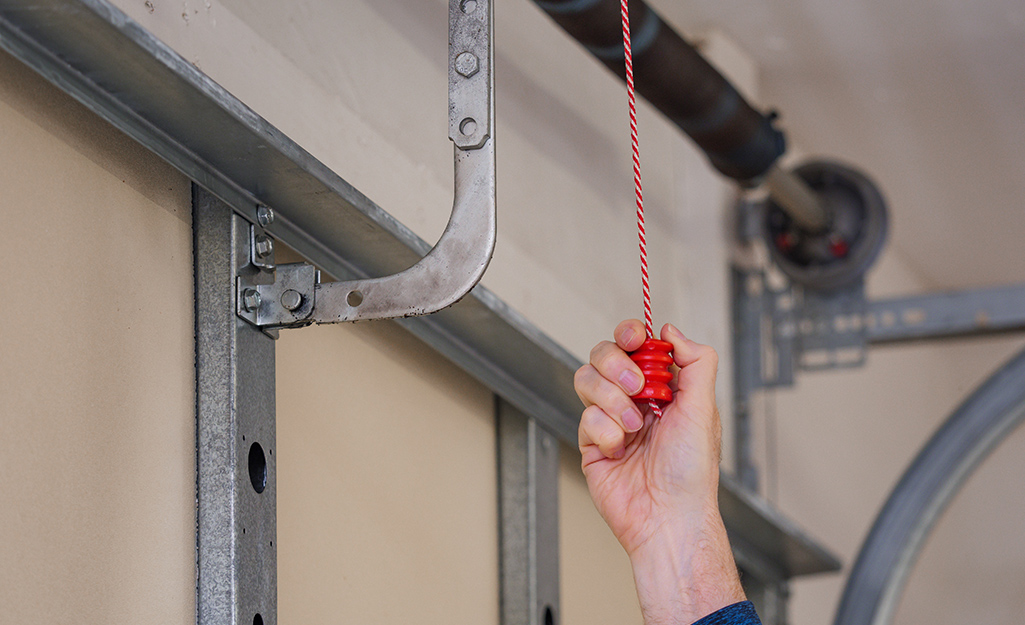
- Red emergency release cord: If pulled, the opener won’t move the door until reconnected.
- Manual lock: Some doors have a handle or bar that locks the door in place.
Pro tip: Always check the emergency release. Pets, kids, or even wind can accidentally pull it.
12. Frozen Door
In cold climates, garage doors can freeze to the ground.
- Ice buildup: Water seeps under the door and freezes overnight.
- Opener strain: If the opener tries to lift a frozen door, it may shut off to prevent damage.
Insight: Trying to force a frozen door can burn out your opener. Use warm water or a hairdryer to melt the ice first.
13. Obstructions In The Path
Anything blocking the door’s movement can prevent opening.
- Trash cans, tools, or sports equipment: These can block the door from moving up or down.
- Debris in tracks: Leaves, stones, or dirt can jam the rollers.
A quick visual inspection often solves the mystery.
14. Limit Settings
Garage door openers have limit switches that tell the opener when to stop.
- Incorrect settings: If set too low, the door may not open all the way.
- Drift over time: Vibration and age can cause settings to change.
Unique tip: If your door “bounces” back after hitting the ground, the close limit may be set too low.
15. Sensitivity Adjustments
Opener sensitivity controls how much force the motor uses.
- Too low: The door won’t open if resistance is detected.
- Too high: The door may not reverse if it hits an object.
Pro guidance: Refer to your opener’s manual for adjusting sensitivity. Small changes can make a big difference.
16. Damaged Rollers
Garage door rollers help the door glide smoothly.
- Worn or broken rollers: The door sticks, jerks, or won’t move.
- Noisy operation: Grinding or squeaking means rollers need lubrication or replacement.
Extra tip: Metal rollers last longer than plastic. Consider upgrading for smoother operation.
17. Rust Or Lack Of Lubrication
Metal parts need regular lubrication.
- Rusty hinges or tracks: The door may jam or move slowly.
- Lack of grease: Causes extra friction, making the motor work harder.
Maintenance insight: Use a silicone-based spray, not WD-40, for best results.
18. Old Or Damaged Door Panels
Over time, door panels can warp or break.
- Warping: Panels may bend due to moisture or age, causing the door to stick.
- Cracks or dents: Can lead to alignment problems.
Non-obvious insight: Even a slight bend in a panel can stop the entire door from moving.
19. Control Board Failure
The logic board is the “brain” of your opener.
- No response: If all controls fail, the board may be dead.
- Intermittent function: The door works sometimes, then stops.
Replacing a logic board is complex. Confirm other issues first before replacing.
20. Remote Signal Interference
If your remote works only up close, signal interference may be the cause.
- Nearby devices: Wireless routers, alarm systems, and even some car electronics can interfere.
- Neighbor’s remote: Rarely, a neighbor’s opener can use the same frequency.
Try moving these devices or changing the opener’s frequency if possible.

Comparison: Common Garage Door Problems And Difficulty To Fix
Understanding which issues you can fix yourself and which need a professional helps save time and money.
| Problem | DIY Friendly? | Professional Needed? |
|---|---|---|
| Power/Battery Issues | Yes | No |
| Sensor Alignment | Yes | No |
| Broken Springs | No | Yes |
| Roller/Cable Problems | Maybe | Yes |
| Logic Board Failure | No | Yes |
| Remote Issues | Yes | No |
Signs Your Garage Door Needs Immediate Attention
Some problems are more urgent than others. If you notice any of these, stop using the door and call a professional right away:
- Loud bang: Indicates a broken spring, which is dangerous.
- Door slams shut: Possible cable or spring failure.
- Door won’t stay open: The door is too heavy; parts may be failing.
- Burning smell or smoke: Possible motor or wiring issue.
Safety tip: Garage doors can weigh 150-300 lbs. Never try to force them open if they’re stuck.
How To Safely Troubleshoot A Garage Door That Won’t Open
While some fixes are simple, safety always comes first.
Step-by-step Troubleshooting
- Check Power and Remotes: Confirm the opener is plugged in, and try both remote and wall control.
- Look for Obstructions: Clear away any objects or debris blocking the door or tracks.
- Test Manual Operation: Pull the emergency release cord and try to lift the door by hand. If it’s heavy or stuck, stop.
- Inspect Sensors: Wipe and align safety sensors. Look for indicator lights—solid means good, blinking means misaligned.
- Listen for Sounds: Humming, grinding, or bangs can help locate the problem.
- Check Springs and Cables: With the door closed, look for gaps in springs or frayed cables. Don’t touch them.
- Review Opener Settings: Adjust limits or sensitivity if you notice the door not opening fully or reversing.
Pro safety reminder: Never attempt to repair or adjust springs, cables, or high-tension parts yourself.
Preventive Maintenance To Avoid Future Problems
Regular maintenance can prevent most garage door failures.
- Lubricate moving parts: Every 6 months, apply silicone spray to rollers, hinges, and tracks.
- Test balance: Disconnect the opener and lift the door halfway. It should stay in place. If not, springs may need adjustment.
- Clean sensors: Dust and align photo eyes monthly.
- Inspect weather seals: Replace cracked or brittle seals to prevent water and ice buildup.
- Tighten hardware: Check bolts and brackets for looseness twice a year.
Unique insight: Preventive checks not only avoid breakdowns but can extend the life of your garage door by years.
When To Call A Professional
Some repairs require special tools and skills.
- Spring or cable replacement: These are dangerous jobs for trained experts only.
- Motor or logic board repair: Electrical issues are complex and should be handled by professionals.
- Major alignment problems: If the door is off track, forcing it can cause more damage.
Pro advice: If you’re unsure, always call a certified garage door technician. They have the training to work safely.
Cost Comparison: Diy Vs Professional Garage Door Repair
Understanding the typical costs helps you decide when to DIY and when to hire help.
| Repair Type | DIY Cost | Professional Cost |
|---|---|---|
| Remote Control Battery | $2 – $5 | $50 – $75 (service call) |
| Sensor Alignment | $0 | $75 – $100 |
| Spring Replacement | Not recommended | $150 – $350 |
| Motor Replacement | $100 – $200 (parts) | $250 – $500 (parts & labor) |
| Track Realignment | $0 – $20 | $125 – $200 |
Non-obvious tip: Many manufacturers offer warranty coverage. Check your paperwork before paying out of pocket.
Tips To Avoid Garage Door Emergencies
- Schedule annual maintenance with a pro, especially if your door is over 5 years old.
- Replace batteries in remotes and keypads yearly.
- Keep tracks and sensors clean to avoid unnecessary jams.
- Listen for unusual noises—they’re often the first sign of trouble.
- Educate family members about the emergency release and safety rules.
Real-life Example: Diagnosing A Stuck Garage Door
Let’s say your door doesn’t open one morning. Here’s how a homeowner solved it:
- Tried the remote—no response.
- Used the wall switch—still nothing.
- Checked the outlet—dead. Realized the breaker had tripped after a thunderstorm.
- Reset the breaker—door worked again.
Lesson: Electrical problems are common and often overlooked, especially after storms.
Latest Technology: Smart Garage Door Openers
Modern openers offer more than just up and down.
- Smartphone control: Open or close your door from anywhere.
- Activity alerts: Get notified if the door is left open.
- Auto-close timer: The door closes automatically after a set time.
Some smart openers even diagnose problems for you. If you’re replacing an old unit, consider upgrading for extra security and convenience. For more information about smart home technology, see the CNET Smart Home Guide.
Common Mistakes Homeowners Make
- Forcing the door: Trying to open a stuck door can cause more damage.
- Ignoring noises: Squeaks or grinding sounds mean something needs attention.
- Skipping maintenance: Small issues grow into expensive repairs if left unchecked.
- Using the wrong lubricant: Avoid WD-40; use silicone spray or garage door lube.
- Not labeling remotes: In multi-car homes, it’s easy to lose track of which remote goes with which opener.
Frequently Asked Questions
Why Won’t My Garage Door Open With The Remote Or Keypad?
If both your remote and keypad fail, check for power issues, dead batteries, or signal interference. Make sure the opener is plugged in and the circuit breaker is not tripped. If only the remote fails, try replacing batteries or reprogramming it.
What Should I Do If The Garage Door Is Stuck And Won’t Move?
First, check for obstructions in the tracks or under the door. Pull the emergency release cord to see if the door opens manually. If it’s heavy or won’t move, a broken spring or cable may be the cause—call a professional.
How Can I Tell If The Garage Door Springs Are Broken?
Look for a visible gap in the spring above the door or listen for a loud bang. The door may also feel extremely heavy or won’t stay up when lifted manually. Never try to replace springs yourself; they’re dangerous.
Can Cold Weather Stop My Garage Door From Opening?
Yes. Ice or frost can freeze the door to the ground. Gently melt the ice with warm water or a hairdryer. Never force the door open, as this can damage the motor.
Is It Safe To Repair A Garage Door Myself?
Simple fixes like changing batteries or aligning sensors are safe for most homeowners. But repairs involving springs, cables, or the opener motor should be done by a qualified professional to avoid injury.
A garage door that won’t open is stressful, but understanding the possible causes—and knowing what you can safely fix—can save you time, money, and frustration. Most issues are preventable with regular checks and prompt attention to small problems. When in doubt, don’t risk your safety—call an expert for help.
With the right knowledge, you can keep your garage door running smoothly and avoid future surprises.