
Many people find themselves stuck when their garage door sensors stop working. Maybe you’re late for work and the door refuses to close, or perhaps the sensors are misaligned and you can’t get your car inside. You might wonder if there’s a safe way to bypass these sensors, even just temporarily, to get your garage door moving again.
This is a common problem, and while safety should always come first, understanding your options helps you make the best decision in difficult situations.
This guide covers everything you need to know about bypassing garage door sensors. You’ll learn how sensors work, why they fail, and step-by-step methods for bypassing them—along with important safety and legal considerations. We’ll also cover repairs, alternatives, and real-world examples, so you’re prepared for any situation. Whether you’re a homeowner, a renter, or someone who just wants to understand how these systems work, this article will give you clear and practical answers.
How Garage Door Sensors Work
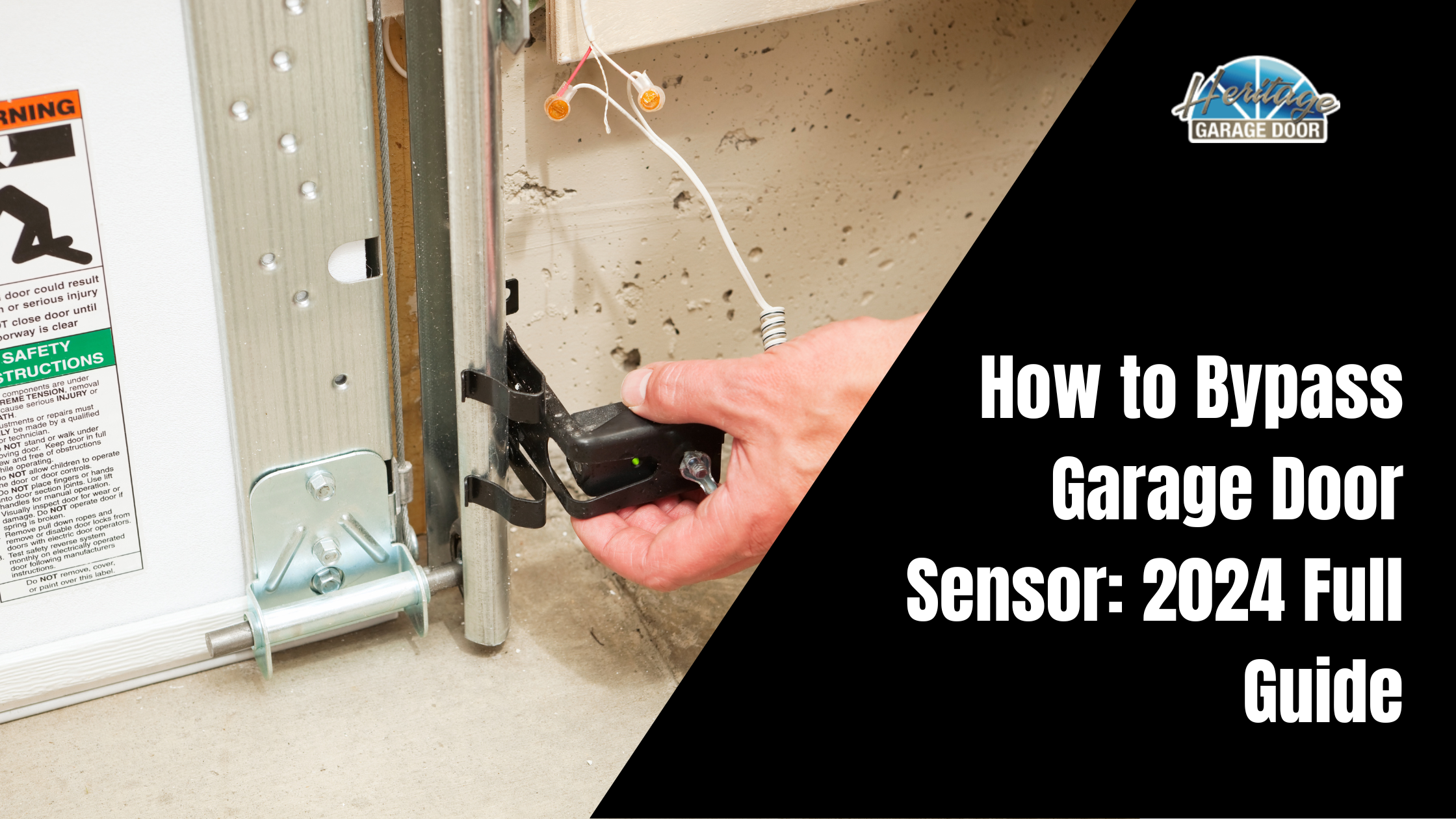
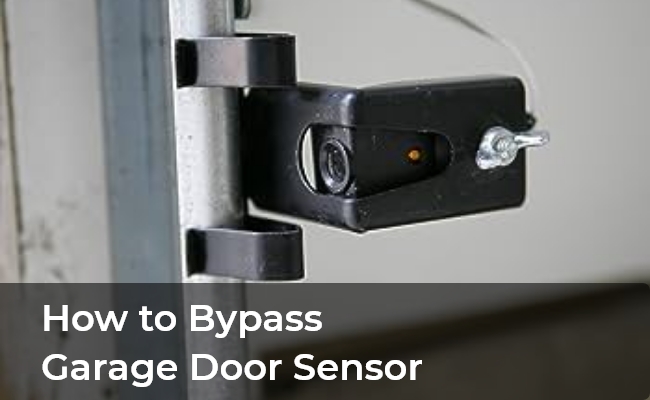
Garage door sensors are a key safety feature. Most modern doors use two small devices near the floor, one on each side of the door tracks. These sensors send an invisible infrared beam across the doorway. If anything breaks the beam—like a child, pet, or object—the door won’t close. This prevents accidents and injuries.
The main parts of a sensor system are:
- Emitter: Sends out an infrared beam.
- Receiver: Detects the beam from the emitter.
- Control unit: Connects sensors to the garage door opener.
When the sensors are working, the door moves only if the pathway is clear. If something blocks the sensors, the door stops or reverses.
Why Sensors Fail
Sensors fail for several reasons:
- Dirt or debris on the lens
- Sunlight interference or water damage
- Misalignment from bumps or vibration
- Wiring problems from animals or wear
- Sensor age or faulty units
Sometimes, it’s a simple fix, like cleaning or realigning the sensor. Other times, you may need to bypass the sensors temporarily.
Is It Safe And Legal To Bypass Garage Door Sensors?
Before you bypass your sensors, consider safety and legal issues. Sensors are there to protect people and pets. Disabling them can be risky.
Safety Concerns
Bypassing sensors means the door can close even if something is in the way. This could cause serious injuries or damage. If you must bypass the sensors, always check the doorway is clear and supervise the door while it moves.
Legal And Code Issues
In the US, the Consumer Product Safety Commission (CPSC) requires all garage doors installed after 1993 to have safety sensors. Disabling them may violate local building codes or insurance policies. Always check your local regulations before making changes.
Common Reasons People Bypass Garage Door Sensors
There are times when bypassing sensors is the only way to use your garage door:
- Broken sensors: Replacement parts may take time to arrive.
- False positives: Sensors think something is blocking the path, even when it’s clear.
- Power or wiring issues: The sensors won’t work, and you need to get in or out.
- Urgency: Emergency situations where you need to move your vehicle quickly.
Keep in mind, bypassing should be temporary. Fix the real problem as soon as possible.
Step-by-step Methods To Bypass Garage Door Sensors
There are several ways to bypass garage door sensors. Each has pros and cons. Let’s go through them one by one.
1. Manual Override (disengage The Opener)
Most garage doors have a manual release cord—usually a red handle hanging from the opener track. This is the safest and most legal way to bypass the sensors.
How to do it:
- Make sure the door is closed (if possible).
- Pull the red handle straight down. This disconnects the door from the opener.
- You can now open or close the door by hand.
Pros:
- No tools needed
- No wiring changes
- Safe for emergencies
Cons:
- Door is heavy; may be hard for some people to lift
- No automatic control until reconnected
2. Align Or Tape The Sensors Together
Sometimes, the sensors are simply misaligned. You can “bypass” a false blockage by making the sensors “think” the path is clear.
How to do it:
- Clean both sensor lenses.
- Point both sensors directly at each other.
- Secure them with tape or zip ties, so they stay aligned.
Pros:
- Quick and easy
- No permanent damage
Cons:
- Only works if sensors aren’t truly broken
- Does not fix wiring or power issues
3. Hardwiring The Sensor Wires
This is a more advanced method. It involves connecting the wires that run from the sensors to the opener, “tricking” the system into thinking the sensors are always clear.
How to do it:
- Unplug the garage door opener.
- Open the sensor covers to access the wires.
- Twist the two sensor wires together for each sensor and connect them directly to the opener’s terminal block.
- Secure all connections.
- Plug the opener back in.
Pros:
- Bypasses most sensor issues
- Door can be used with remote control
Cons:
- Requires tools and electrical knowledge
- Can be dangerous if not done right
- Not reversible without more wiring work
4. Using A Bypass Jumper Wire
Some garage door models allow you to use a jumper wire at the opener’s logic board.
How to do it:
- Unplug the opener.
- Find the sensor input terminals on the opener.
- Insert a small jumper wire between the two sensor terminals.
- Plug the opener back in.
Pros:
- Quick if you know where the terminals are
- No need to access sensor units
Cons:
- Works only on certain models
- May void the opener’s warranty
5. Replacing Sensors With Resistors
A few DIY experts use resistors to mimic the signal that sensors send to the opener.
How to do it:
- Identify the correct resistor value (usually 10k ohms, but check your manual).
- Remove the sensors.
- Connect the resistor across the sensor wires at the opener.
Pros:
- Advanced, but works on some systems
Cons:
- Requires electronics skill
- May not work on all openers
Comparison Of Bypass Methods
Here’s a quick look at these bypass methods:
| Method | Skill Needed | Permanent? | Safety Risk |
|---|---|---|---|
| Manual Override | Basic | No | Low |
| Align/Tape Sensors | Basic | No | Medium |
| Hardwiring | Moderate | Yes | High |
| Jumper Wire | Moderate | Yes | High |
| Resistor | Advanced | Yes | High |
Tools And Materials You May Need
If you decide to bypass garage door sensors, gather the right tools:
- Screwdrivers (Phillips and flat)
- Wire strippers
- Electrical tape
- Zip ties
- Jumper wire (short piece of insulated wire)
- Multimeter (for electrical testing)
- Resistors (for advanced bypassing)
- Safety gloves
Always unplug the opener before working with wires. If you’re not sure, ask an electrician for help.
Risks And Dangers Of Bypassing Sensors
It’s important to understand the real risks. Garage door openers are strong and heavy. Disabling safety sensors can lead to:
- Injury: Children and pets can be hurt if the door closes unexpectedly.
- Damage: Cars, bikes, and other objects can be crushed.
- Legal problems: You may break local codes or void your insurance.
- Warranty issues: Many opener manufacturers will void the warranty if sensors are bypassed.
One key insight: If someone else (like a child or delivery person) uses the door while sensors are bypassed, they have no warning or protection. Always warn everyone in your home and fix the sensors as soon as possible.
Common Mistakes To Avoid
Many beginners make the same errors. Here are some to watch for:
- Not unplugging the opener before working on wires. This can cause electric shock.
- Forgetting to warn others. Someone could get hurt if they don’t know sensors are off.
- Using the wrong wires or connectors. This can damage the opener or create fire risk.
- Leaving the bypass in place. Never treat a bypass as a permanent fix.
- Not checking for real obstructions. Sometimes, a leaf or spider web triggers the sensor.
How To Troubleshoot Sensor Problems Before Bypassing
Many times, you can fix the sensors without bypassing them.
- Clean the lenses: Dust, dirt, or spider webs can block the beam.
- Check for sunlight or water: Direct sun or rain can cause false signals. Shade the sensor if needed.
- Realign the sensors: Loosen the mounting screw and point the sensors directly at each other. Look for a green or red light that means alignment is correct.
- Inspect the wires: Look for loose, broken, or chewed wires. Repair any damage.
- Test the voltage: Use a multimeter to check if the sensors are getting power (usually 5V or 12V).
If none of these steps work, only then consider a bypass.
When You Should Never Bypass Garage Door Sensors
Some situations are too dangerous for bypassing:
- If young children use the garage
- If you have pets that go in and out
- If the garage is used by delivery people or guests
- If you rent your home and don’t have permission from the owner
In these cases, fix or replace the sensors instead.
Repairing Or Replacing Garage Door Sensors
Bypassing is not a long-term solution. Most sensors are easy to replace.
How to replace garage door sensors:
- Buy sensors that match your opener brand and model.
- Unplug the opener.
- Remove the old sensors by unscrewing them from the brackets.
- Disconnect the wires.
- Attach the new sensors and connect the wires.
- Align the sensors and test the system.
This usually takes less than 30 minutes and restores full safety. Replacement sensors cost $15–$40 on average.
Sensor Brands And Compatibility
Not all sensors work with every opener. Here’s a quick comparison:
| Brand | Sensor Model | Compatible Openers |
|---|---|---|
| Chamberlain/LiftMaster | 041A5034 | Most Chamberlain, LiftMaster, Craftsman |
| Genie | Safe-T-Beam | All Genie models |
| Linear | LP-IR | Linear, Moore-O-Matic |
| Marantec | Photo Eye | Marantec only |
Always double-check the compatibility before buying.
Alternatives To Bypassing: Smart Solutions
If you find yourself bypassing sensors often, consider these smarter solutions:
- Upgrade to smart sensors: Some new systems self-adjust to avoid false signals.
- Install a smart garage controller: These let you monitor and control the door from your phone, adding extra safety checks.
- Add a camera: A camera lets you see the garage in real-time before closing the door.
Some brands even offer apps that alert you if the door closes while something is in the way.
Real-world Examples: When Bypassing Is Used
To give you a clearer picture, here are a few real-life cases:
- Case 1: After a storm, a homeowner found their sensors waterlogged and non-functional. They used manual override to get the car out until new sensors arrived.
- Case 2: A delivery driver accidentally kicked a sensor, knocking it out of alignment. Taping the sensors together allowed the door to close until a technician repaired it.
- Case 3: Electricians rewiring a garage created a sensor wiring problem. The homeowner used a jumper wire to bypass the sensors for a day, with the garage off-limits to children.
- Case 4: An older opener had a sensor that failed, but the model was no longer made. The owner used a resistor to bypass the system while searching for a universal replacement.
These show that bypassing is sometimes necessary, but each owner took steps to restore safety quickly.
Important Notes For Renters And Landlords
If you rent your home, do not bypass sensors without the landlord’s written permission. Many leases and local codes require working safety devices. If you’re a landlord, never let tenants bypass sensors without repairs. This protects you from liability and keeps everyone safe.
How Insurance And Warranties Are Affected
Most home insurance policies require working safety devices. If you bypass sensors and someone is hurt, your coverage may be denied. Most opener warranties are also void if the safety system is disabled. Always check the fine print.
Environmental And Power Concerns
Garage door sensors use very little energy—usually less than 0. 5W per unit. Bypassing them does not save power. However, if you have repeated power surges or outages, sensors may fail more often. Installing a surge protector for your opener can help.
Cost Comparison: Repair Vs. Bypass
Let’s look at the cost of repairing sensors versus bypassing:
| Option | Average Cost | Safety Level | Warranty Impact |
|---|---|---|---|
| Bypass (DIY) | $0–$10 | Low | Voids warranty |
| Replace Sensors (DIY) | $15–$40 | High | Keeps warranty |
| Professional Repair | $75–$150 | High | Keeps warranty |
Choosing repair over bypass is usually the best investment.

Useful Resources And Where To Get Help
If you’re unsure, contact a professional installer. For more on garage door safety standards, see the Wikipedia page on garage door openers. Many opener brands also have detailed guides and support lines.
Frequently Asked Questions
Can I Permanently Bypass My Garage Door Sensors?
You can, but it’s strongly discouraged. Sensors are required by law on most modern systems. Permanent bypassing puts people and property at risk and can void your warranty or insurance.
Will My Garage Door Opener Work Without Sensors?
Most openers made after 1993 require sensors to operate. If you bypass the sensors using wires or resistors, the opener may work—but you lose all safety features.
How Do I Know If My Sensors Are Really Broken?
Check for indicator lights on the sensors. If both show a steady light (usually green and red), they’re working. If one or both lights are off or blinking, clean, realign, or check the wires.
Is It Safe To Close The Garage Door Manually?
Yes, if you use the manual override and keep the doorway clear. The door is heavy, so use both hands and don’t let children operate it.
What Is The Best Long-term Solution For Sensor Problems?
Replace faulty sensors with new, compatible models. This restores full safety and keeps your opener within code.
Bypassing garage door sensors is sometimes necessary, but it should never be your first choice. Focus on fixing or replacing sensors to keep your garage—and everyone around it—safe. Knowing the right steps helps you handle emergencies without creating bigger problems down the road.