
A squeaky, sticking garage door can be more than just an annoyance; it’s a sign that essential components are crying out for lubrication. Among the many products designed for this purpose, Blaster Garage Door Lubricant stands out as a popular choice for homeowners and professionals alike. But what makes this specific spray so effective, and how does it stack up against other options? Understanding the nuances of garage door maintenance, the role of lubricants, and the specific benefits of Blaster can help you keep your garage door operating smoothly and extend its lifespan.
Proper lubrication is a cornerstone of garage door upkeep. It’s not just about silencing noise; it’s about reducing friction on moving parts like springs, rollers, hinges, and tracks. This reduction in friction lessens the strain on the opener motor, prevents premature wear and tear, and ensures your garage door opens and closes reliably. Without adequate lubrication, components can bind, rust, and eventually fail, leading to costly repairs or replacements. This article will explore the world of garage door lubrication, with a specific focus on Blaster Garage Door Lubricant, examining its features, benefits, application, and how it fits into a broader garage door maintenance routine.
Key Takeaways
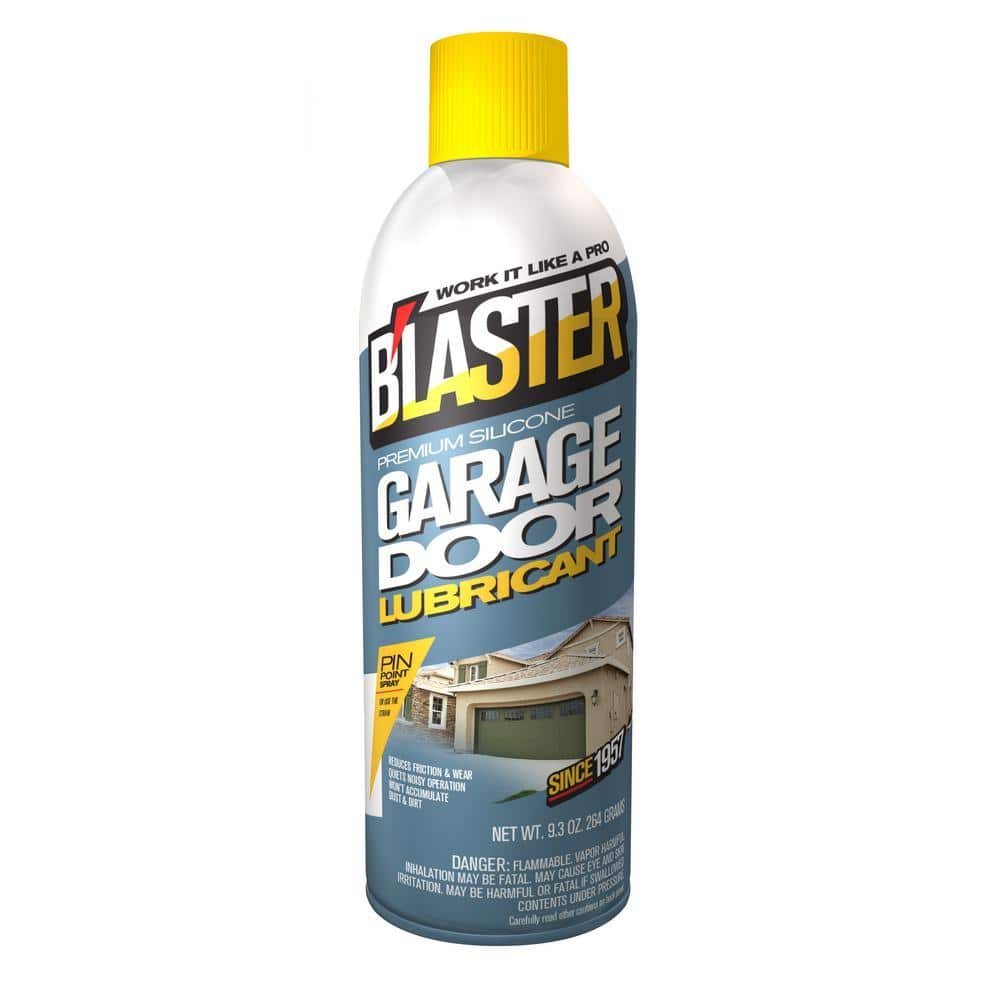
- Blaster Garage Door Lubricant is a silicone-based spray designed to reduce friction, prevent rust, and quiet noisy garage doors.
- Its silicone formulation is non-greasy, won’t attract dirt, and is safe for most garage door materials.
- Regular lubrication with products like Blaster can extend the lifespan of garage door components and the opener.
- Proper application involves cleaning the parts first and applying a light, even coat to hinges, rollers, tracks, and springs.
- While effective, Blaster should be used as part of a comprehensive maintenance plan, which may include checking opener alignment and other mechanical parts.
- Other lubricant types exist, such as lithium-based or PTFE sprays, each with its own pros and cons.
Credit: www.homedepot.com
Understanding Garage Door Lubrication Needs
Garage doors are complex mechanical systems with numerous moving parts that endure significant stress. These components, exposed to varying weather conditions and constant use, require regular attention to maintain optimal performance. Lubrication is paramount to this maintenance, addressing several critical functions that directly impact the door’s operation and longevity.
The Mechanics Of A Garage Door
A typical garage door system comprises several key elements that require lubrication. Understanding these parts helps in appreciating why specific lubricants are needed.
- Rollers: These allow the door panels to move smoothly along the tracks. They are often made of nylon or steel and can develop flat spots or wear down over time.
- Tracks: The vertical and horizontal channels that guide the rollers. They can accumulate dirt and debris, increasing friction.
- Hinges: Connect the individual door panels, allowing them to flex as the door moves between vertical and horizontal positions. These are high-friction points.
- Springs: Torsion springs (mounted above the door) or extension springs (running along the sides) counterbalance the weight of the door, making it easier to lift. While not directly lubricated in the same way as other parts, their winding mechanism and shaft can benefit from a light application.
- Opener Chain/Screw Drive: The mechanism that automates the door’s movement. The chain or screw drive requires lubrication to ensure smooth power transmission.
Why Lubrication Is Essential
The primary purpose of lubrication in a garage door system is to reduce friction. Friction generates heat, causes wear, and leads to noisy operation. By applying a suitable lubricant, you create a barrier between moving metal surfaces, allowing them to glide past each other with minimal resistance. This has several cascading benefits:
- Quieter Operation: A well-lubricated door will operate with significantly less noise, eliminating the squeaks and groans that often accompany dry or worn parts.
- Reduced Wear and Tear: Lower friction means less stress on individual components. This prevents premature wear, extends the life of parts like rollers, hinges, and springs, and can even reduce the workload on your garage door opener motor.
- Corrosion Prevention: Many lubricants contain rust inhibitors, which protect metal components from moisture and environmental damage, especially crucial in humid or coastal areas.
- Smoother Movement: Reduced friction translates directly into a smoother, more consistent operation, making the door easier to open and close manually and less likely to bind.
- Preventing Sticking: In cold weather, moisture can freeze on metal parts, causing the door to stick. Lubricants can help prevent this by displacing moisture and creating a barrier.
Without proper lubrication, components can seize up, leading to operational failures and potentially dangerous situations. Regular maintenance, including lubrication, is an investment in the safety and longevity of your garage door system.
Credit: blasterproducts.com
Blaster Garage Door Lubricant: Features And Benefits
Blaster Garage Door Lubricant is specifically formulated to address the unique needs of garage door systems. Its composition and design offer distinct advantages for maintenance tasks.
The Formulation: Silicone-based Power
The key to Blaster Garage Door Lubricant‘s effectiveness lies in its silicone-based formula. Unlike traditional petroleum-based lubricants, silicone sprays offer several benefits tailored for garage doors:
- Non-Greasy and Clean: Silicone lubricants do not leave a greasy residue. This is a significant advantage because grease can attract dust, dirt, and other debris, which can then gum up the tracks and rollers, negating the lubrication’s benefits and potentially causing more problems.
- Water Repellent: Silicone is naturally water-repellent. This property helps to displace moisture from metal surfaces, offering excellent protection against rust and corrosion.
- Wide Temperature Range: Silicone lubricants maintain their consistency and effectiveness across a broad range of temperatures, from freezing cold to high heat. This makes them ideal for year-round use in various climates.
- Material Compatibility: Silicone is generally safe for use on a wide variety of materials commonly found in garage doors, including metal, rubber, and plastic components. This means you don’t have to worry as much about damaging seals or specific parts.
- Long-Lasting: While it’s crucial to reapply periodically, silicone lubricants tend to provide durable lubrication that withstands the movement of the door.
Key Benefits Of Using Blaster
When you choose Blaster Garage Door Lubricant, you’re investing in a product designed for specific outcomes:
- Silences Squeaks and Squeals: This is often the most immediate and noticeable benefit. The lubricant reduces friction on hinges, rollers, and springs, effectively silencing those irritating noises.
- Prevents Rust and Corrosion: The water-repellent nature of the silicone formula provides a protective barrier against moisture, preventing rust formation on metal components.
- Ensures Smooth Operation: By lubricating the tracks, rollers, and hinges, Blaster helps the door move up and down effortlessly, reducing strain on the opener.
- Extends Component Lifespan: Regular application of Blaster minimizes wear and tear on moving parts, potentially saving you money on repairs and replacements in the long run.
- Easy Application: The aerosol can with a straw attachment allows for precise application directly onto the moving parts, ensuring you get the lubricant where it’s needed most without overspray.
Comparing Blaster To Other Lubricant Types
While Blaster’s silicone formula is highly regarded, it’s useful to understand how it compares to other common lubricant types used for garage doors.
- Lithium-Based Greases: These are thicker than silicone sprays and provide heavy-duty lubrication. They are excellent for metal-on-metal contact and offer long-lasting protection. However, they can attract dirt and may be too heavy for some plastic or rubber components.
- PTFE (Teflon) Lubricants: These sprays use polytetrafluoroethylene particles suspended in a solvent. PTFE offers excellent low-friction properties and is also relatively clean. Some users prefer PTFE for its dry lubrication capabilities.
- Petroleum-Based Lubricants (e.g., WD-40): While WD-40 is a popular household lubricant and water displacer, it is not ideal as a long-term garage door lubricant. It can attract dirt, dry out over time, and potentially damage rubber or plastic parts. It’s better suited for initial cleaning and rust removal rather than ongoing lubrication.
Blaster Garage Door Lubricant strikes a balance, offering the cleaning and material-safe properties of silicone with effective lubrication and rust prevention.

Credit: www.tractorsupply.com
How To Properly Apply Blaster Garage Door Lubricant
Applying lubricant correctly is just as important as choosing the right product. Improper application can lead to wasted product, ineffective lubrication, or even damage. The key is to be thorough, precise, and to prepare the surfaces.
Step-by-step Application Guide
Follow these steps to ensure you get the most out of your Blaster Garage Door Lubricant:
- Safety First: Ensure the garage door is in the closed position. Disconnect the opener from power to prevent accidental activation. Wear safety glasses to protect your eyes from any potential drips or overspray.
- Clean the Components: Before applying any lubricant, it’s crucial to clean the parts you intend to lubricate. Use a clean rag to wipe away dirt, grime, and old, gummy lubricant from the tracks, rollers, hinges, and springs. For stubborn dirt on tracks, a stiff brush or degreaser might be necessary, followed by a thorough wipe-down. This step is vital for Blaster’s effectiveness, as it prevents mixing with old gunk.
- Lubricate Hinges: Apply a short burst of Blaster Garage Door Lubricant to each hinge where the metal panels connect. Work the door up and down a few times manually to distribute the lubricant evenly.
- Lubricate Rollers: Apply lubricant directly to the roller stems (where they meet the hinges or brackets) and to the bearings if they are exposed. Avoid spraying directly onto the roller wheels themselves if they are made of nylon or rubber, as this can cause them to slip. Instead, focus on the points of rotation.
- Lubricate Tracks: Spray a light, even coat of lubricant along the inside surface of the vertical and horizontal tracks. Again, the goal is to lubricate the path the rollers travel. Wipe away any excess lubricant that might drip onto the floor.
- Lubricate Springs: For torsion springs (mounted above the door), apply lubricant to the coils and the shaft. For extension springs (running along the sides of the door), lubricate the coils. Be cautious when working near springs, as they are under high tension.
- Lubricate Opener Chain/Screw Drive: If you have an automatic opener, consult your owner’s manual for specific lubrication points. Typically, you’ll apply a light spray to the chain or the screw drive. Do not over-lubricate, as this can attract debris. For chain-driven openers, a light mist is usually sufficient.
- Distribute and Wipe Excess: After applying lubricant to all necessary parts, manually operate the garage door several times to ensure the lubricant is spread evenly across all moving surfaces. Use a clean rag to wipe away any excess lubricant to prevent drips and the attraction of dirt.
- Reconnect Power: Once you are finished and have cleaned up, you can reconnect the garage door opener to its power source.
Frequency Of Application
The frequency with which you need to lubricate your garage door depends on several factors, including:
- Climate: Doors in humid or coastal areas may require more frequent lubrication to combat rust.
- Usage: Doors that are used more frequently will benefit from more regular maintenance.
- Environment: Doors exposed to dust, sand, or salt will need cleaning and lubrication more often.
As a general guideline, most homeowners should aim to lubricate their garage door twice a year. A good practice is to do it in the spring and again in the fall, just before the harsh weather of summer or winter sets in. Listen to your door; if you start hearing squeaks or notice it operating less smoothly, it’s time for lubrication, regardless of the calendar.
Pro Tip:
Always check your garage door manufacturer’s recommendations. Some manufacturers may advise against lubricating certain components or suggest specific types of lubricants. Consulting your owner’s manual is the best way to ensure you’re following the correct maintenance procedures for your specific model.
When To Use Blaster Vs. Other Maintenance Tasks
While Blaster Garage Door Lubricant is excellent for its intended purpose, it’s important to understand its role within the broader context of garage door maintenance. Lubrication is just one piece of the puzzle.
Beyond Lubrication: Other Essential Maintenance
A comprehensive garage door maintenance schedule should include several other tasks:
- Inspections: Regularly inspect all components for signs of wear, damage, or rust. Check cables for fraying, springs for cracks, and rollers for flat spots or damage.
- Cleaning Tracks: As mentioned, keeping the tracks clean is crucial. Dirt and debris can impede movement even with lubrication.
- Tightening Hardware: Over time, bolts and screws can loosen. Periodically check and tighten all hardware, but be careful not to overtighten, which can strip threads or damage components.
- Opener Alignment: Ensure the garage door opener’s safety sensors are clean and aligned. If the door reverses unexpectedly, it might indicate an alignment issue. You may need to adjust the chain on your garage door opener or troubleshoot other opener settings.
- Balance Test: Test the balance of your garage door by manually lifting it (with the opener disengaged). It should stay open about halfway without assistance. If it’s too heavy or slams shut, the springs may need adjustment or replacement.
- Weatherstripping: Check the weatherstripping around the edges of the door for cracks or damage. Replacing worn weatherstripping can improve energy efficiency and security.
When Blaster Is The Primary Solution
Blaster Garage Door Lubricant is the go-to solution for:
- Noisy Operation: If your door is making squeaking, creaking, or grinding sounds, lubrication is likely the first and best fix.
- Sticking or Slow Movement: If the door feels stiff or doesn’t move as smoothly as it used to, friction is probably the culprit.
- Preventative Maintenance: Applying Blaster regularly as part of your routine maintenance schedule helps prevent future problems.
- Corrosion Prevention: In areas prone to moisture, regular application can protect metal parts from rust.
When To Call A Professional
While many garage door maintenance tasks are DIY-friendly, some issues require professional expertise:
- Broken Springs or Cables: These components are under extreme tension and can cause serious injury if handled improperly. Always call a professional for repair or replacement.
- Damaged Tracks: If the tracks are significantly bent or misaligned, it can affect the entire door system.
- Opener Malfunctions: If troubleshooting basic issues like how to reset your garage door opener or how to reset your garage door remote doesn’t resolve a problem, the opener motor or internal components may need professional attention.
- Complex Door Issues: If you’re unsure about the cause of a problem or uncomfortable performing a repair, it’s always best to consult a qualified garage door technician.
Real-world Examples And Case Studies
Understanding how Blaster Garage Door Lubricant performs in practice can solidify its value. While specific brand case studies are proprietary, we can look at typical scenarios where such a product makes a significant difference.
Example 1: The Annoying Squeaker
Sarah, a homeowner in a suburban neighborhood, had a garage door that had become increasingly noisy over the past year. Every morning and evening, the loud squeaks and groans echoed through her house as the door operated. She had tried using a general-purpose spray lubricant, but the noise would return within weeks, and the tracks seemed to attract more dirt.
Following advice from a local garage door specialist, Sarah purchased a can of Blaster Garage Door Lubricant. She followed the steps outlined earlier: cleaning the tracks and rollers thoroughly with a rag, then applying a light, even coat of Blaster to the hinges, roller stems, and the inside of the tracks. She manually operated the door several times.
Result: The immediate effect was dramatic. The squeaking vanished, replaced by a smooth, quiet operation. Weeks later, the tracks remained relatively clean, and the door continued to operate silently. Sarah realized the importance of using a lubricant specifically designed for garage doors, noting that the non-greasy silicone formula was the key difference. She now includes Blaster in her twice-yearly maintenance routine.
Example 2: The Coastal Garage Door
Mark lives in a coastal town where salt air and humidity are constant challenges for metal components. His garage door, despite being relatively new, had started showing signs of rust on the hinges and rollers, and the movement had become sluggish.
He was concerned about premature corrosion and potential failure.
Mark decided to try Blaster Garage Door Lubricant after reading about its rust-inhibiting and water-repellent properties. He meticulously cleaned off the existing rust spots with a wire brush and a mild cleaner, then applied Blaster liberally to all moving metal parts, paying special attention to the hinges and roller bearings.
Result: Over the following months, Mark observed a significant reduction in new rust formation. The water-repellent nature of the silicone lubricant seemed to be effectively shielding the metal from the corrosive coastal air. The door also operated more smoothly, indicating that the lubricant was reducing friction and preventing the buildup of grime that had previously plagued his system. He found that by consistently applying Blaster every six months, he could effectively protect his garage door from the harsh coastal environment.
Example 3: The Busy Family’s Quick Fix
The Miller family uses their garage door multiple times a day. Their door had developed a persistent rattle, and sometimes it would hesitate before moving. They needed a quick, effective solution that wouldn’t require extensive downtime or complicated procedures.
They opted for Blaster Garage Door Lubricant due to its ease of application. After a quick wipe-down of the visible moving parts, they used the straw attachment to apply short bursts of lubricant to the hinges and roller stems. They operated the door a few times, and the rattling noise significantly decreased.
Result: The Millers were pleased with the immediate improvement in noise reduction and smoothness. While they understood that deeper cleaning and more thorough lubrication might be needed periodically, Blaster provided a fast and effective solution for their immediate needs, keeping their busy household running smoothly.
These examples highlight the versatility and effectiveness of Blaster Garage Door Lubricant in addressing common garage door issues, from noise reduction to corrosion prevention and general smooth operation.
Frequently Asked Questions
What Is The Best Type Of Lubricant For A Garage Door?
The best type of lubricant for a garage door is typically a silicone-based spray or a heavy-duty lithium-based grease. Silicone sprays, like Blaster Garage Door Lubricant, are excellent because they are non-greasy, won’t attract dirt, and are safe for most garage door materials (metal, rubber, plastic). They also offer good water repellency. Lithium-based greases provide heavier-duty lubrication, ideal for metal-on-metal contact, but can attract more dirt. Avoid using standard household lubricants like WD-40 for long-term lubrication, as they can attract dust and dry out quickly.
How Often Should I Lubricate My Garage Door?
You should aim to lubricate your garage door at least twice a year. A common practice is to do it in the spring and again in the fall. However, this frequency can vary based on your climate, the amount of use the door gets, and the environmental conditions (e.g., exposure to salt, sand, or heavy dust). If you start hearing squeaks or notice the door operating less smoothly, it’s a sign that lubrication is needed, regardless of the schedule.
Can I Use Wd-40 To Lubricate My Garage Door?
While WD-40 is a popular lubricant and water displacer, it is not the ideal choice for long-term garage door lubrication. WD-40’s petroleum-based formula can attract dust and dirt, creating a gummy residue that hinders movement and can damage components over time. It can also degrade rubber and plastic parts. WD-40 is useful for cleaning and removing rust, but for ongoing lubrication, a silicone-based or lithium-based lubricant is recommended.
What Parts Of The Garage Door Need Lubrication?
You should lubricate the moving parts of your garage door. This includes:
- Hinges: Where the door panels connect.
- Rollers: The wheels that guide the door along the tracks, focusing on the stems and bearings.
- Tracks: The vertical and horizontal channels the rollers travel in.
- Springs: Torsion springs (on top) and extension springs (along the sides).
- Opener Chain or Screw Drive: For automated doors, lubricate the chain or screw mechanism according to the manufacturer’s instructions.
Avoid lubricating stationary parts or areas where lubricant might interfere with sensors or safety mechanisms.
What Happens If I Don’t Lubricate My Garage Door?
If you don’t lubricate your garage door, you risk several issues. The most common are increased noise (squeaks and groans) due to friction between metal parts. You’ll also experience stiffer operation, making the door harder to open and close manually and putting more strain on the opener motor. Over time, this