
Now Reading: How to Adjust Chain on Garage Door Opener for Smooth Operation
- 01
How to Adjust Chain on Garage Door Opener for Smooth Operation
How to Adjust Chain on Garage Door Opener for Smooth Operation

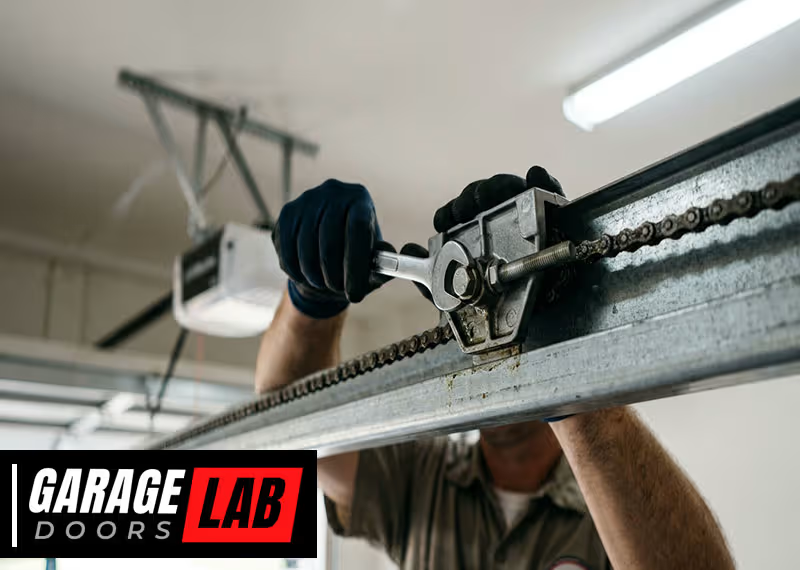
When your garage door starts making unusual noises, shakes more than usual, or does not open and close smoothly, it may be time to check the chain on your garage door opener. A loose or tight chain is one of the most common issues that can affect the performance of your garage door system.
If left unchecked, it can cause more serious problems, such as damage to the opener or the door itself. Adjusting the chain is not as complicated as it sounds, but there are important steps and safety measures to follow. By learning how to adjust the chain on your garage door opener, you can save money on service calls, extend the life of your equipment, and ensure your garage remains secure and accessible.
Most homeowners rarely think about the garage door opener chain until something goes wrong. However, understanding how this simple part works, and how to maintain it, is essential for any homeowner or DIY enthusiast. This guide will show you everything you need to know about adjusting a garage door opener chain, from understanding why adjustment is necessary, to learning the step-by-step process, and troubleshooting common problems. Whether you have a Chamberlain, LiftMaster, Craftsman, or another major brand, the principles are very similar.
Why Proper Chain Adjustment Matters
The chain is a critical part of your garage door opener. It connects the motor to the trolley, which moves the door up and down. If the chain is not properly adjusted, several issues can occur:
- Too loose: The chain may sag, slap against the rail, and create excessive noise. It can also jump off the sprocket or cause the door to move unevenly.
- Too tight: The chain can strain the opener’s motor, cause premature wear on the sprocket, and even damage the door or opener components.
Proper adjustment ensures:
- Smooth and quiet operation
- Longer lifespan for opener and door
- Reduced risk of chain derailment
- Enhanced safety for your family and property
Many homeowners miss the fact that a chain that looks “tight” may still be out of adjustment. A small amount of sag (about a quarter-inch) is often normal and necessary for optimal operation. Also, the chain tension can change with temperature and regular use, so even a new installation may need adjustment after a few months.
Tools And Safety Gear You’ll Need
Before you start, gather the following:
- Wrench set (usually 7/16″ and 1/2″ sizes)
- Adjustable wrench (optional, for added flexibility)
- Step ladder (tall enough to reach the opener safely)
- Work gloves (to protect your hands)
- Safety glasses (especially if your garage is dusty)
- Owner’s manual for your opener (for reference)
Pro tip: Always unplug the garage door opener before working on it to avoid accidental activation and electric shock.
Types Of Garage Door Opener Chains
Not all chains are created equal. Understanding the type you have can help you adjust it correctly:
| Chain Type | Common Brands | Adjustment Method | Typical Use |
|---|---|---|---|
| Full Chain Drive | LiftMaster, Craftsman | Manual tension nut | Standard residential |
| Chain/Belt Combo (T-rail) | Chamberlain, Genie | Dual tension nuts | Quieter residential |
| Heavy-Duty Chain | Commercial models | Lock nut + adjusting bolt | Industrial/large doors |
Most homes use a full chain drive or chain/belt combo. The adjustment process is similar, but always check your manual for brand-specific instructions.
Signs Your Garage Door Opener Chain Needs Adjustment
Knowing when to adjust the chain is half the battle. Watch for these common signs:
- Sagging chain: If you see the chain hanging more than about 1/2 inch below the rail, it’s too loose.
- Noisy operation: Loud rattling, grinding, or slapping sounds when the door opens or closes.
- Uneven door movement: The door moves jerkily or stops and reverses suddenly.
- Chain jumps or slips: The chain comes off the sprocket or skips teeth.
- Slow operation: The opener struggles, or the door moves slower than usual.
Many people ignore minor sag or noise, but these early warnings can prevent bigger repairs later.
Step-by-step: How To Adjust Chain On Garage Door Opener
This section will walk you through the adjustment process with clear steps and practical examples.
1. Ensure Safety First
- Unplug the opener or disconnect power at the breaker.
- Close the garage door fully. This reduces tension on the system and makes adjustment easier.
- Place your step ladder securely under the opener rail.
2. Locate The Chain Tension Mechanism
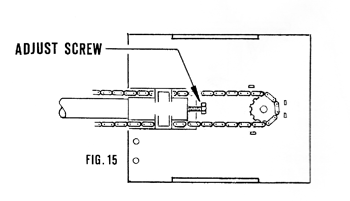
- Most openers have a tension bolt and locking nut near the trolley (carriage) or at the end of the rail closest to the motor.
- On some units, you’ll see a threaded rod with a nut and washer. Others use a dual-nut system.
Example: On a typical Chamberlain opener, the tension adjustment is found at the trolley end, where the chain connects to the trolley with a threaded shaft.
3. Measure The Chain Sag
- Use your eye or a ruler to check the chain’s sag at the midpoint of the rail.
- For most residential doors, 1/4 inch to 1/2 inch of sag is normal. More than this means the chain is too loose; less may be too tight.
4. Loosen The Lock Nut
- Use your wrench to loosen the lock nut. Hold the adjustment nut steady if needed.
- Do not remove the nut completely; just loosen enough to allow the adjustment nut to turn freely.
5. Adjust The Tension
- Tighten the adjustment nut (clockwise) to reduce sag.
- Loosen the adjustment nut (counterclockwise) to increase sag.
- Make small adjustments, checking the sag after each turn.
- Stop when the chain sags about 1/4 inch at the midpoint.
Insight: Many beginners overtighten the chain. A chain that is too tight increases wear on the sprocket and motor. Always leave a small amount of sag.
6. Tighten The Lock Nut
- Once the sag is correct, tighten the lock nut against the adjustment nut. This prevents the chain from loosening during use.
7. Reconnect Power And Test
- Plug the opener back in or restore power at the breaker.
- Use the wall control or remote to open and close the door a few times.
- Watch and listen: The door should move smoothly, with less noise and no jumping or jerking.
8. Final Inspection
- Check that the chain does not slap against the rail.
- Ensure the trolley moves smoothly.
- Listen for any unusual sounds; if present, repeat the adjustment steps.
- If the chain still sags or is too tight after adjustment, inspect for worn sprockets, a stretched chain, or damaged parts.
Non-obvious tip: If you live in a climate with big temperature changes, check the chain tension every few months. Metal expands and contracts, affecting chain sag.
Troubleshooting Common Issues After Chain Adjustment
Sometimes, problems remain even after proper adjustment. Here’s how to deal with the most common issues:
Chain Keeps Coming Loose
- Check lock nuts: Make sure they are tight.
- Inspect threads: Worn or stripped threads on the adjustment rod can cause slipping.
- Look for chain stretch: Older chains may stretch and need replacing.
Chain Is Still Noisy
- Lubricate the chain: Use a garage door lubricant, not WD-40. Apply a small amount along the length of the chain.
- Check for bent rails: A bent rail can cause misalignment and noise.
- Inspect rollers and hinges: Worn door rollers or hinges can transfer noise to the opener.
Door Moves Unevenly Or Stalls
- Balance the door: Disconnect the opener and manually lift the door. It should stay halfway open. If not, springs may need adjustment (call a pro for this).
- Check safety sensors: Misaligned sensors can cause the opener to reverse unexpectedly.
Chain Jumps Or Slips Off Sprocket
- Worn sprocket: Check for broken teeth or excessive wear.
- Damaged trolley: The trolley may be cracked or have a worn gear.
- Severely stretched chain: Replace the chain if it cannot hold tension.
If problems persist, consult your opener’s manual or a qualified technician.
How Often Should You Adjust The Chain?
Chain drive openers are durable, but they need regular attention:
- New openers: Check chain tension after the first month of use, then every 6 months.
- Older units: Inspect every 3-4 months, especially if you use the door frequently.
- After big temperature changes: Cold or heat can affect metal parts.
Most users skip regular checks, but a few minutes of maintenance can prevent expensive repairs.
Comparing Chain Drive And Belt Drive Openers
It’s helpful to understand how chain drive openers compare to other types, especially if you’re considering an upgrade.
| Feature | Chain Drive | Belt Drive |
|---|---|---|
| Noise Level | Louder (metal-on-metal) | Quieter (rubber belt) |
| Maintenance | Requires regular chain adjustment | Minimal maintenance |
| Lifespan | 10–15 years | 10–15 years |
| Cost | Lower initial cost | Higher initial cost |
| Best For | Heavy doors, budget users | Quiet operation, attached garages |
Insight: Many homeowners switch to belt drive models for less noise, but chain drives are still best for heavy or oversized doors.

Maintenance Tips For A Healthy Garage Door Chain
Proper adjustment is just one part of chain care. Here’s how to keep your system running smoothly:
- Lubricate the chain every 6 months. Use a silicone-based lubricant or a product made for garage doors. Avoid using heavy grease, as it attracts dust.
- Inspect sprockets and gears for wear. Replace if teeth are worn or broken.
- Check alignment of the rail and trolley. Misaligned parts cause extra wear.
- Listen for new noises. Squeaks, rattles, or bangs may signal it’s time for another adjustment.
- Clean the opener rail to remove dust and debris that can interfere with movement.
A small investment in maintenance pays off with fewer breakdowns and longer equipment life.
When To Replace The Chain Or Call A Professional
Some problems can’t be fixed with simple adjustments:
- Visible damage: If the chain is rusted, kinked, or missing links, replace it.
- Repeated loosening: Chains that won’t hold tension may be stretched beyond safe use.
- Broken sprockets or bent rails: These require replacement parts and often a technician’s help.
- Door balance problems: Adjusting springs or cables is dangerous—call a garage door professional.
Experience-based advice: If you’re not comfortable working on ladders or with tools, or if your opener is more than 15 years old, consider having a pro inspect your entire system. They can spot hidden issues and recommend repairs or upgrades.
Garage Door Opener Chain Adjustment: Real-world Examples
Example 1: Fixing A Noisy Chain On A Chamberlain Opener
Maria noticed her garage door rattled loudly and the chain sagged nearly an inch. She unplugged the opener, climbed a ladder, and found the tension nut near the trolley. After loosening the lock nut, she tightened the adjustment nut until the chain sagged about 1/4 inch, then re-tightened the lock nut.
The noise dropped significantly after this simple fix.
Example 2: Dealing With Chain Jumping On A Craftsman Opener
John’s opener chain kept jumping off the sprocket every few weeks. He checked and found the tension nut would loosen over time. After inspecting, he realized the threads on the adjustment rod were worn. Replacing the rod and properly tightening the lock nut solved the problem.
Example 3: Adjusting After Temperature Swings
After a cold winter, Daniel’s opener chain became loose and noisy. He checked the sag and found it was over 1/2 inch. A quick adjustment brought the sag back to normal, and the door operated smoothly again. This example shows why seasonal checks are important.
Safety Precautions During Chain Adjustment
Never overlook safety when working on your garage door:
- Unplug the opener before any work.
- Do not adjust springs or cables yourself—these are under high tension.
- Use a sturdy ladder and never overreach.
- Wear gloves and eye protection to prevent injuries from sharp parts or debris.
- Keep children and pets away from the work area.
Garage door openers can be dangerous if mishandled. If you’re ever unsure, stop and call a professional.
Frequently Asked Questions
How Tight Should The Garage Door Opener Chain Be?
The chain should have a small sag of about 1/4 inch at the midpoint of the rail. If it’s tighter than this, it can strain the motor and other parts. Too loose, and it may come off or cause noise.
Can I Use Any Lubricant On The Garage Door Opener Chain?
No, you should use a garage door-specific lubricant or a silicone-based spray. Regular grease or WD-40 can attract dust and cause more wear. Lubricate the chain every 6 months for best results.
What If The Chain Keeps Coming Loose After Adjustment?
If your chain keeps loosening, check the lock nut and adjustment rod for wear or damage. Worn threads or a stretched chain will not hold tension. Replace these parts if needed.
Is It Safe To Adjust The Chain Myself?
Yes, adjusting the chain is usually safe for DIYers as long as you unplug the opener and avoid the springs or cables. If you’re unsure, or if other parts need work, call a professional.
How Often Should I Check The Chain Tension?
Check the chain tension every 3–6 months, especially after big temperature changes or heavy use. Regular checks help prevent problems before they start.
Proper chain adjustment is a simple task that can make a big difference in your garage door’s performance and lifespan. With the right tools, a little patience, and attention to safety, you can keep your opener running smoothly for years. If you need more technical details or troubleshooting help, consult the manufacturer’s website or trusted sources like Wikipedia for more information.
Taking care of your garage door opener chain not only makes daily life easier but also saves you time and money. Don’t wait for a breakdown—regular checks and adjustments are the key to a trouble-free garage.