
The garage door is more than just a way to shield your vehicle; it’s a significant component of your home’s overall thermal envelope. While many homeowners focus on insulation for their walls and attics, the garage door often remains an overlooked area.
This oversight can lead to substantial energy loss, affecting comfort and utility bills. Considering an insulated garage door is a practical step towards a more energy-efficient home, but are they truly worth the investment? This article explores the benefits, drawbacks, and considerations of insulated garage doors to help you make an informed decision.
Key Takeaways
- Energy Efficiency: Insulated garage doors significantly reduce heat transfer, leading to lower heating and cooling costs for both the garage and the adjacent home.
- Comfort Improvement: They create a more comfortable garage environment, making it a usable space year-round and preventing temperature extremes from affecting your home.
- Noise Reduction: Insulation dampens external noise and reduces the operational noise of the garage door opener, leading to a quieter home.
- Durability and Protection: Insulated doors are generally more robust, offering better protection against dents, impacts, and weathering.
- Increased Home Value: An insulated garage door can be a desirable feature for potential buyers, potentially increasing your home’s resale value.
- Cost Considerations: While the initial investment is higher than for non-insulated doors, the long-term savings on energy bills and potential for increased home value can offset the cost.
- R-Value as a Metric: The R-value indicates the insulation’s effectiveness; higher R-values mean better thermal performance.
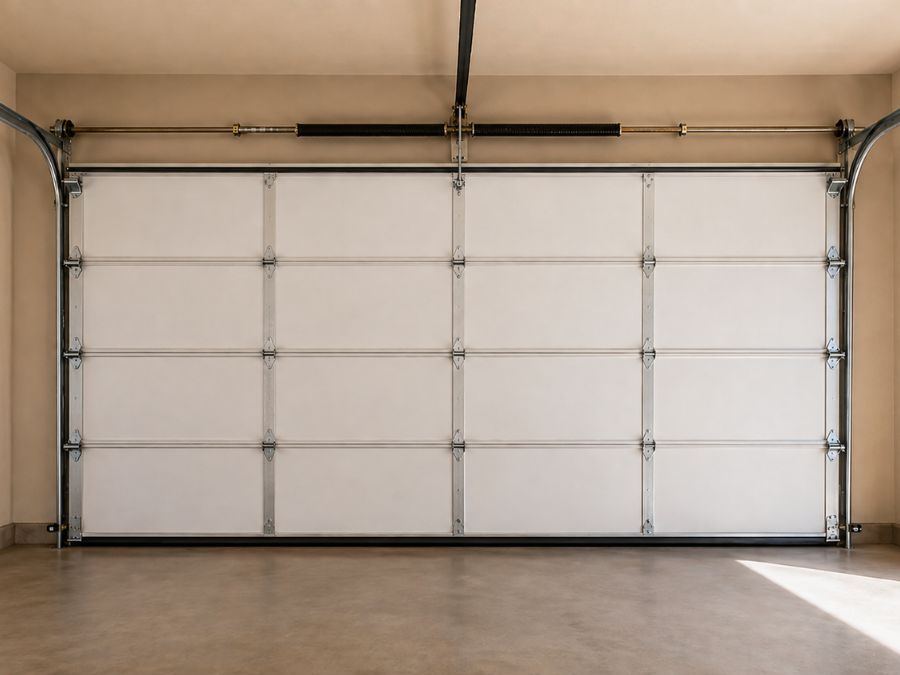
Credit: geckogarage.com
Understanding Garage Door Insulation
Garage doors, especially older or uninsulated models, act as major conduits for heat loss or gain. A typical uninsulated garage door is essentially a large, thin panel that offers little resistance to temperature fluctuations. In winter, the warm air inside your home can escape into the unheated garage, and in summer, the hot garage air can seep into your living space.
Insulated garage doors are designed to combat this by incorporating materials that resist thermal transfer.
The most common types of insulation found in garage doors are:
- Polystyrene: This foam insulation is available in sheets, either expanded polystyrene (EPS) or extruded polystyrene (XPS). EPS is typically white or blue and is the less dense option, while XPS is usually pink, green, or blue and offers higher insulation value per inch. It’s often applied as a rigid board that fits within the door’s frame.
- Polyurethane: This is a spray-in foam insulation that expands to fill the cavities within the garage door panels. Polyurethane generally offers a higher R-value per inch compared to polystyrene and creates a strong bond with the door’s structure, adding rigidity.
The effectiveness of insulation is measured by its R-value. The R-value quantifies a material’s resistance to heat flow. A higher R-value indicates better insulating performance. When comparing insulated garage doors, looking at their R-values is crucial. For example, a door with an R-value of R-10 will provide more insulation than one with an R-value of R-6. The specific R-value of an insulated garage door can vary significantly based on the type and thickness of the insulation used, as well as the construction of the door itself. A well-insulated door can have an R-value ranging from R-6 to R-20 or even higher for premium models.
The Mechanics Of Heat Transfer
To fully appreciate the benefits of insulation, it’s helpful to understand the basic principles of heat transfer:
- Conduction: This is the transfer of heat through direct contact. In a garage door, heat conducts through the material of the door itself, from the warmer side to the cooler side. Insulation materials have low thermal conductivity, meaning they slow down this process.
- Convection: This is heat transfer through the movement of fluids (liquids or gases). In a garage, air currents can carry heat. Insulation helps to trap air, reducing convection currents within the door panel.
- Radiation: This is heat transfer through electromagnetic waves. On a sunny day, the sun’s rays can heat up a dark garage door, and that heat can then radiate into the garage. Some insulated doors may have reflective surfaces to mitigate radiant heat gain.
An insulated garage door significantly reduces heat transfer via conduction and convection by using materials that are poor conductors of heat and by creating barriers that impede air movement.
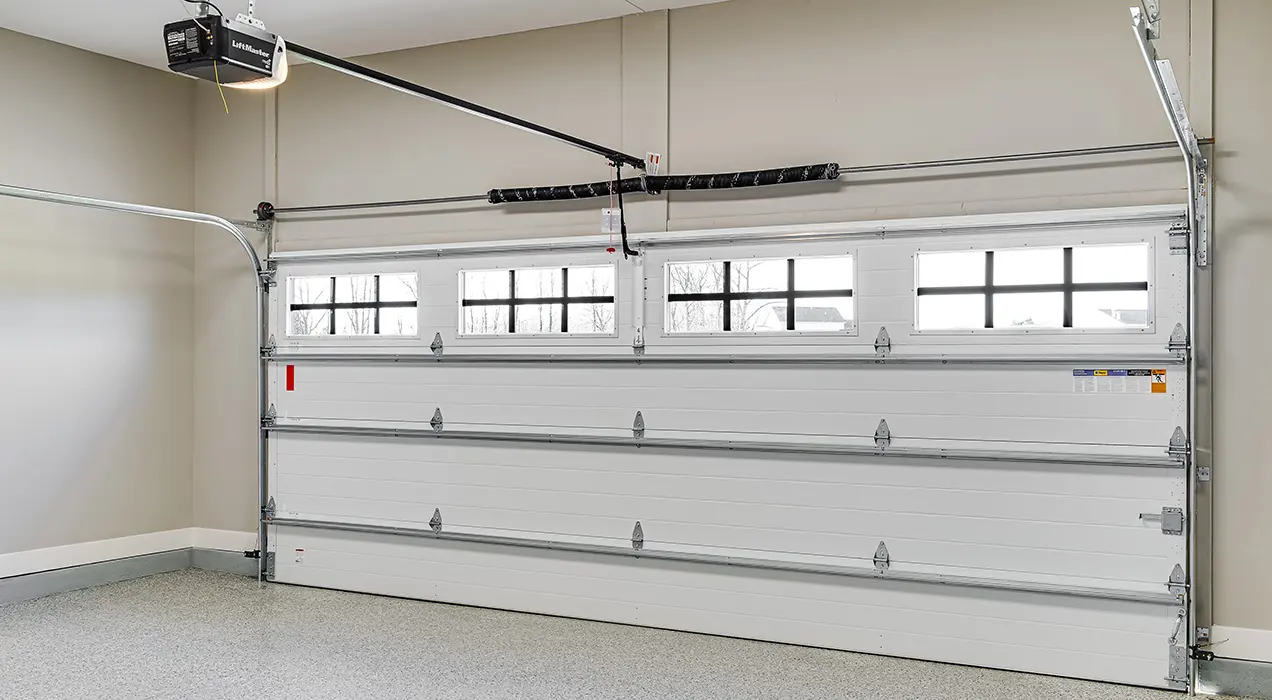
Credit: www.clopaydoor.com
Benefits Of Insulated Garage Doors
Investing in an insulated garage door offers a multitude of advantages that extend beyond simple temperature control. These benefits can impact your home’s overall comfort, energy consumption, and even its lifespan.
Enhanced Energy Efficiency And Cost Savings
This is often the primary driver for homeowners considering insulated garage doors. Attached garages, in particular, can significantly impact a home’s energy bills.
- Reduced Heating and Cooling Loads: When your garage is warmer in winter or cooler in summer than the outside air, it creates a temperature differential with your adjacent living space. An insulated door acts as a barrier, minimizing the amount of heat that transfers between the garage and your home. This means your HVAC system doesn’t have to work as hard to maintain the desired temperature inside your house, leading to noticeable savings on your energy bills. Studies suggest that a well-insulated garage door can reduce energy loss by up to 50% compared to an uninsulated one.
- Preventing the “Stack Effect”: In colder months, the unheated garage can act as a large, cold sink. Warm air inside your home rises, and if it encounters a cold garage, it can lose heat rapidly. Similarly, in warmer months, hot garage air can rise into your home. Insulation helps to buffer this effect.
- Impact on Adjacent Spaces: If you have a bedroom or living area directly above or adjacent to your garage, the temperature in that room will be more stable with an insulated garage door. This means fewer drafts and a more consistent temperature, improving comfort and reducing energy usage in those specific areas.
Improved Comfort In The Garage Space
Many people use their garage for more than just parking cars. It might be a workshop, a storage area, a place for hobbies, or even a pass-through to the house. An insulated garage door makes this space significantly more usable and comfortable throughout the year.
- Usable Workshop or Hobby Space: If you enjoy working on projects or pursuing hobbies in your garage, an insulated door means you won’t be forced out by extreme heat or cold. The temperature within the garage will be more moderate, allowing for year-round use.
- Reduced Temperature Swings: Without insulation, garage temperatures can fluctuate wildly, mirroring outdoor conditions. An insulated door moderates these swings, making the space feel less like a freezer in winter and more like an oven in summer.
- Protection for Stored Items: Extreme temperature fluctuations can damage items stored in your garage, such as paint, chemicals, seasonal decorations, or even sensitive electronics. Insulation helps to protect these items by maintaining a more stable environment.
Noise Reduction
The impact of noise reduction is often underestimated but can significantly contribute to a more peaceful home environment.
- Dampening External Noise: Insulated garage doors, particularly those with polyurethane foam, are denser and have more layers, which helps to absorb and block outside noises. This can be a significant benefit if you live on a busy street, near an airport, or in an area with other sources of significant ambient noise.
- Quieter Operation: The insulation can also dampen the sound of the garage door opener mechanism as it operates. While proper maintenance like lubricating garage door rollers is key to quiet operation, the door material itself plays a role. A heavier, insulated door can absorb some of the operational vibrations and sounds.
Enhanced Durability And Protection
The construction of insulated garage doors often leads to increased strength and longevity.
- Structural Integrity: The insulation, especially polyurethane, bonds with the door’s metal skins, creating a more rigid and robust panel. This makes the door less susceptible to dents, dings, and damage from minor impacts.
- Weather Resistance: Many insulated doors feature multiple layers and better sealing around the edges, which can improve their resistance to wind, rain, and other weather elements. This can help prevent drafts and water infiltration.
- Longevity: The added strength and protection can contribute to a longer lifespan for the garage door compared to a lighter, uninsulated model.
Increased Home Value And Appeal
A well-maintained and energy-efficient home is always more attractive to potential buyers.
- Desirable Feature: For buyers, an insulated garage door signals a home that is well-cared for and energy-conscious. It’s a tangible upgrade that can be highlighted during showings.
- Potential ROI: While it’s difficult to put an exact figure on the return on investment (ROI) for a garage door, upgrades that improve energy efficiency and curb appeal are generally well-received and can contribute positively to a home’s market value. This is especially true in regions with extreme climates where energy efficiency is a major concern.
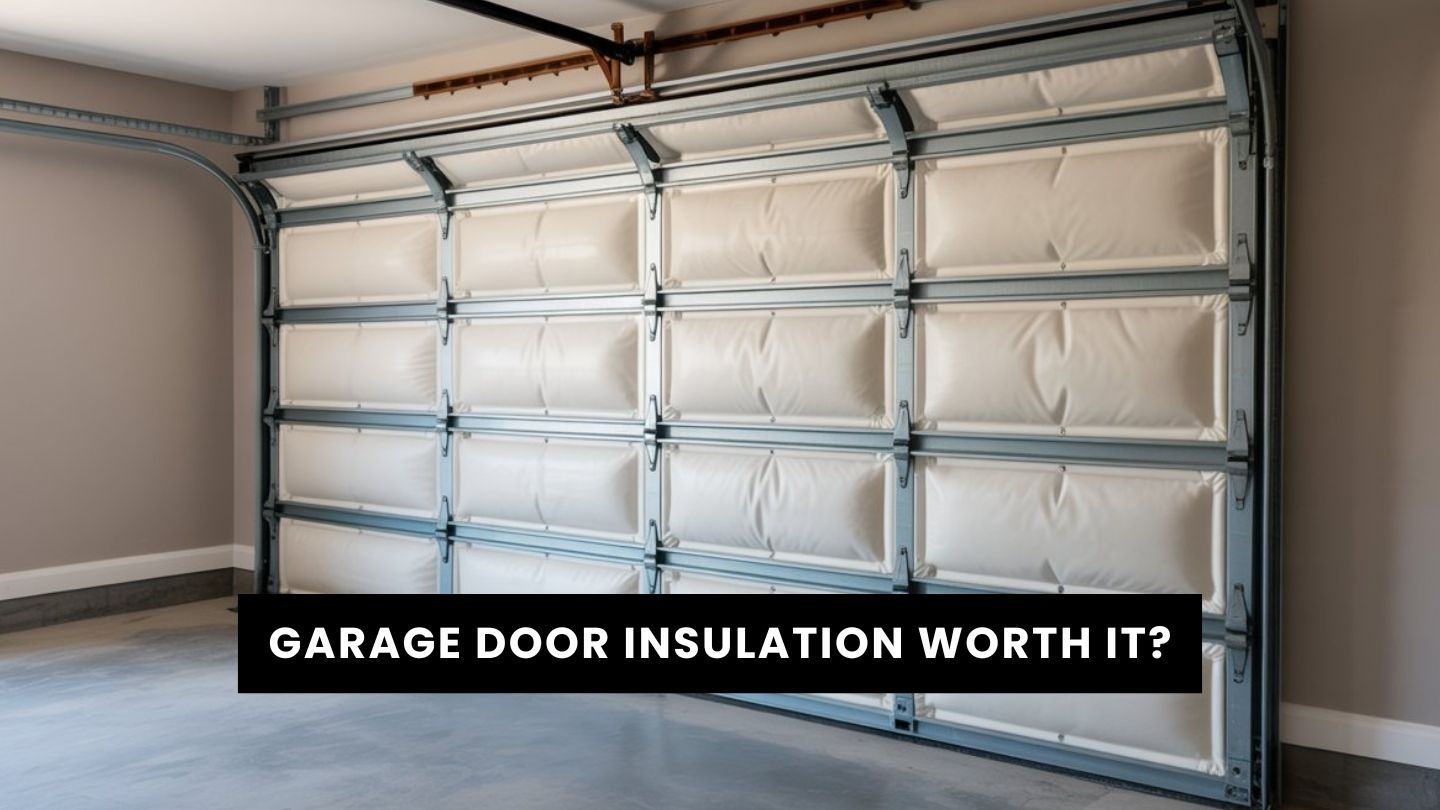
Credit: www.columbusdoorsales.com
Types Of Insulated Garage Doors And Construction
When looking at insulated garage doors, understanding their construction and the different types available is crucial for making an informed choice. The primary differences lie in the materials used for insulation, the door’s construction (e. g. , sandwich vs. .
overlay), and the number of layers.
Construction Methods
There are two main ways insulated garage doors are constructed:
- Sandwich Construction: This is the most common and generally most effective method for insulation. It involves three layers: an inner and outer layer of metal (usually steel or aluminum) with insulation material sandwiched between them. This provides a continuous thermal break and good structural integrity. The R-value of sandwich doors can vary widely depending on the thickness and type of insulation used.
- Overlay Construction (or Insulated Steel/Aluminum): In this method, a layer of insulation (typically polystyrene or vinyl) is attached to the *inside* surface of a solid door panel (often steel or aluminum). While this adds insulation, it might not be as uniformly effective as sandwich construction, as the outer layer is still a single piece of metal with less inherent thermal resistance. These doors can sometimes be less rigid than true sandwich doors.
Material Considerations
The materials used for the door’s exterior and interior skins, as well as the insulation itself, play a significant role in performance and cost.
- Steel Doors: Steel is a popular choice for garage doors due to its durability and affordability. Insulated steel doors offer excellent R-values and are very robust. However, steel can be prone to rust if the protective coating is damaged, and it can be a poor insulator on its own if not properly constructed with insulation.
- Aluminum Doors: Aluminum is lighter than steel and resistant to rust, making it a good option for coastal areas or high-humidity environments. Insulated aluminum doors are also available, though they might be slightly less dent-resistant than steel.
- Wood Doors: While traditionally less common for insulation, some wood garage doors can be insulated. This usually involves adding insulation panels to the interior. Wood doors offer aesthetic appeal but require more maintenance and can be more susceptible to warping or rot if not properly sealed and maintained.
- Composite/Fiberglass Doors: These doors can mimic the look of wood and often come with built-in insulation. They offer good durability and resistance to rot and warping.
R-value And U-factor
As mentioned, the R-value is a measure of thermal resistance. A higher R-value is better.
The U-factor is the inverse of the R-value (U = 1/R) and measures the rate of heat transfer. A lower U-factor indicates better insulation. Building codes often specify maximum U-factors or minimum R-values for different parts of a home, including garage doors if the garage is considered conditioned or semi-conditioned space.
When comparing doors, look for the stated R-value. A typical uninsulated steel door might have an R-value of around R-1 to R-2. Basic insulated doors might range from R-6 to R-10, while premium insulated doors can reach R-16 or higher.
Example: A door with an R-value of R-12 will significantly outperform a door with an R-value of R-6 in terms of energy efficiency.
Factors To Consider When Buying An Insulated Garage Door
Choosing the right insulated garage door involves more than just picking the one with the highest R-value. Several factors need to be weighed to ensure you get the best value and performance for your specific needs and climate.
Climate And Location
Your local climate is perhaps the most critical factor.
- Cold Climates: If you live in an area with harsh winters, a high R-value door is essential to keep your home warm and reduce heating costs. The insulation will prevent significant heat loss from your home into the garage.
- Hot Climates: In hot regions, insulation helps to keep the garage cooler, preventing that heat from radiating into your home and increasing cooling costs. A reflective coating on the exterior can further enhance performance in sunny climates.
- Moderate Climates: Even in moderate climates, insulation can provide benefits by stabilizing temperatures and reducing energy usage during transitional seasons when heating or cooling might be needed intermittently.
Garage Type: Attached Vs. Detached
The location of your garage relative to your home significantly impacts the importance of insulation.
- Attached Garages: For garages attached to your house, insulation is highly recommended. The shared walls, ceiling, and proximity mean that temperature fluctuations in the garage directly affect your home’s comfort and energy consumption. An insulated door is a crucial part of maintaining a consistent indoor climate.
- Detached Garages: If your garage is detached, the need for insulation is less critical from an energy-saving perspective for your main living space. However, if you use the detached garage as a workshop, storage area, or for any purpose where temperature control is desired, insulation becomes important for comfort.
Budget And Roi
Insulated garage doors are a significant investment compared to their non-insulated counterparts.
- Initial Cost: Expect to pay more upfront for an insulated door. The price difference can range from several hundred to over a thousand dollars, depending on the door’s size, material, R-value, and features. You can find general cost estimates in our article on how much a garage door costs.
- Long-Term Savings: The payback period for an insulated garage door depends on your local energy costs, climate, and how well-insulated your home is overall. In many cases, the energy savings over the lifespan of the door can justify the initial investment.
- Home Value: As mentioned, an insulated door can add to your home’s appeal and potentially its resale value.
Aesthetics And Style
While functionality is key, the garage door is a prominent feature of your home’s exterior.
- Matching Your Home: Insulated doors come in a wide variety of styles, colors, and materials to complement your home’s architecture. Options range from traditional raised panel designs to modern carriage house styles and sleek, minimalist looks.
- Window Options: Many insulated doors offer options for windows. These can add natural light to your garage and improve its appearance. Ensure that any windows are also insulated (e.g., double-paned) to maintain the door’s thermal performance.
Durability And Maintenance
Consider how the door is constructed and what materials are used.
- Material Strength: Steel doors are generally the most durable against impacts.
- Corrosion Resistance: For coastal or humid areas, aluminum or composite doors might be preferable due to their resistance to rust and rot.
- Maintenance Requirements: Most modern insulated garage doors are low-maintenance, typically requiring occasional cleaning and lubrication of moving parts, such as lubricating garage door rollers.
Comparing Insulated Vs. Non-insulated Garage Doors
To make a clear decision, it’s beneficial to compare the key attributes of insulated and non-insulated garage doors side-by-side. The differences are stark and highlight why insulation is often a worthwhile upgrade.
Performance Metrics
| Feature | Non-Insulated Garage Door | Insulated Garage Door |
|---|---|---|
| **R-Value** | Very low (typically R-1 to R-2) | Moderate to High (R-6 to R-20+) |
| **Energy Efficiency** | Poor; significant heat transfer | Good to Excellent; significantly reduces heat transfer |
| **Noise Reduction** | Minimal; tends to amplify external and operational noise | Significant; dampens external noise and operational sounds |
| **Durability** | Can be less robust; more prone to dents and damage | Generally more robust, especially sandwich construction; better dent resistance |
| **Comfort (Garage)** | Extreme temperature fluctuations; uncomfortable | More stable, moderate temperatures; comfortable for extended use |
| **Comfort (Home)** | Can lead to temperature imbalances and drafts | Helps maintain consistent indoor temperatures, reduces HVAC strain |
| **Cost (Initial)** | Lower | Higher |
| **Cost (Long-term)** | Higher (due to energy loss) | Lower (due to energy savings, potentially longer lifespan) |
| **Weight** | Lighter | Heavier (due to insulation and multi-layer construction) |
| **Security** | Can be less secure due to lighter construction | Generally more secure due to robust construction |
Real-world Impact Example
Consider a homeowner in Chicago living in a house with an attached garage.
- Scenario 1 (Non-Insulated Door): During a cold winter, the uninsulated garage door allows significant heat to escape from the house into the garage. The garage temperature might hover around 20-30°F (-6 to -1°C) even when the outside temperature is below freezing. This forces the home’s heating system to work harder to maintain 70°F (21°C) inside the house, especially in rooms adjacent to the garage. The garage itself is too cold to be used comfortably for any extended period.
- Scenario 2 (Insulated Door): With a well-insulated garage door (e.g., R-12), the heat transfer is drastically reduced. The garage temperature might stay closer to 40-50°F (4 to 10°C). This means the house’s heating system works less, saving on energy bills. The garage is now a more usable space, perhaps for storing winter gear or even as a temporary workspace.
This example illustrates how the energy savings and comfort improvements translate directly into tangible benefits for the homeowner.
Installation And Maintenance Considerations
The benefits of an insulated garage door are fully realized with proper installation and ongoing maintenance.
Professional Installation
While some DIY enthusiasts might consider installing a garage door themselves, it’s generally a job best left to professionals.
- Safety: Garage doors are heavy and under significant tension from springs. Improper installation can lead to serious injury or death.
- Performance: Professional installers ensure the door is correctly balanced, the springs are properly tensioned, and the seals are effective. This is critical for both safety and energy efficiency. A poorly installed door might not seal properly, negating some of the insulation benefits.
- Warranty: Professional installation often ensures the manufacturer’s warranty remains valid.
Sealing And Weatherstripping
The effectiveness of insulation is significantly enhanced by proper sealing.
- Bottom Seal: The rubber or vinyl seal at the bottom of the door prevents drafts, debris, and water from entering. Ensure it’s in good condition and makes full contact with the floor.
- Side and Top Seals: Weatherstripping along the sides and top of the door frame creates a barrier against air infiltration when the door is closed.
- Insulated Tracks and Rollers: Some high-end systems include insulated tracks and rollers, further reducing thermal bridging.
Regular Maintenance
Like any mechanical system, garage doors require regular attention.
- Lubrication: Regularly lubricate the rollers, hinges, and tracks. This not only quiets operation but also reduces wear and tear. For detailed instructions, refer to our guide on how to lube garage door rollers.
- Inspections: Periodically inspect the door for any damage to the insulation, panels, or seals. Check the garage door opener system, including the chain or belt drive. If you notice issues with your opener, you might need to learn how to adjust a Chamberlain garage door opener or understand how to adjust the chain on a garage door opener.
- Opener Resetting: Occasionally, garage door opener remotes or keypads might need resetting. Guides like how to reset a Liftmaster garage door opener remote or