
A sudden, loud bang followed by a drooping garage door is a universally recognized sign of trouble. When your garage door spring breaks, it’s not just an inconvenience; it’s a safety hazard. Garage door springs are under immense tension, storing the energy needed to lift and lower the heavy door. A broken spring means this stored energy is released violently, and the door can become dangerously unbalanced, making it difficult and unsafe to operate manually. Ignoring a broken spring can lead to further damage to your garage door opener system, the door itself, and potentially cause serious injury. Understanding what to do in this situation is crucial for maintaining the safety and functionality of your garage.
Key Takeaways
- A broken garage door spring is a serious safety issue due to stored tension.
- Immediately disengage the opener and secure the garage door to prevent accidental operation.
- Never attempt to repair a broken spring yourself; it requires specialized tools and expertise.
- The most common types of springs are torsion springs (above the door) and extension springs (along the tracks).
- Professional replacement is the safest and most effective solution.
- Be aware of the cost implications of spring replacement and potential opener damage.
- Regular maintenance can help prevent premature spring failure.

Credit: randrdoors.com
Understanding Garage Door Springs: The Heart Of Operation
Garage doors are heavy, often weighing several hundred pounds. To make them manageable, they rely on a system of springs designed to counterbalance this weight. Without properly functioning springs, the garage door opener motor would have to bear the entire load, leading to rapid burnout and potential damage. There are two primary types of garage door springs, each serving the same essential purpose but operating differently: torsion springs and extension springs.
Torsion Springs
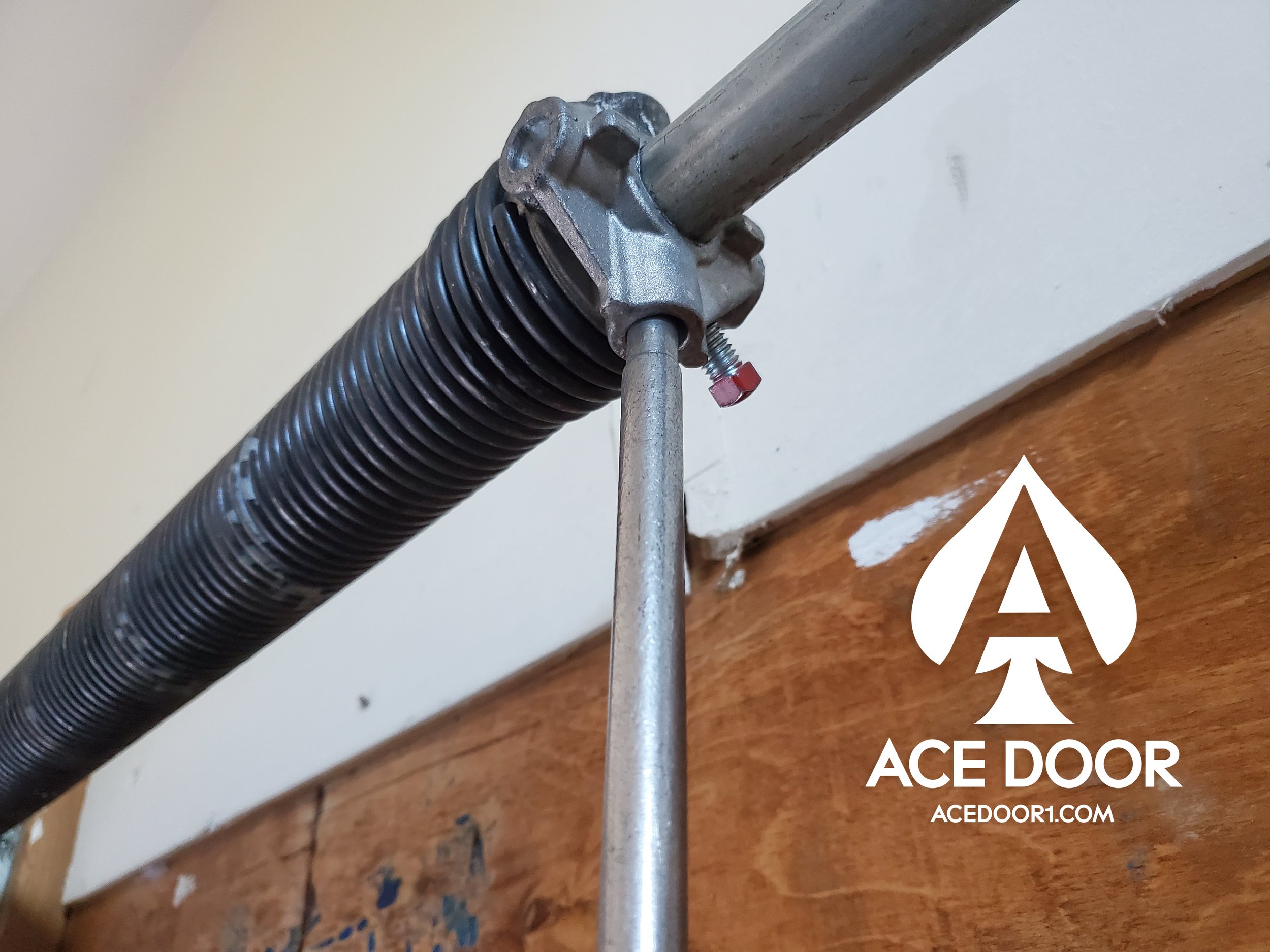
Torsion springs are typically mounted on a metal rod directly above the garage door opening. They are cylindrical and run parallel to the door’s path. When the garage door is closed, the springs are wound tightly, storing energy. As the door opens, the springs unwind, releasing this stored energy to help lift the door.
The torque generated by these springs is what counterbalances the door’s weight. Most modern residential garage doors use torsion springs, often featuring two springs for heavier doors or added stability. The lifespan of torsion springs is usually measured in cycles, with most standard springs rated for 10,000 to 15,000 cycles (one cycle being one full open and close).
Extension Springs
Extension springs are usually found on older garage door systems or in some specific designs, often mounted in pairs along the horizontal tracks on either side of the garage door. These springs are elongated and designed to stretch as the door opens.
When the door is closed, the extension springs are under tension. As the door opens, the springs lengthen, and the tension is released. Safety cables are almost always used with extension springs. These cables run through the center of the springs and are attached to the tracks.
They are a critical safety feature, designed to contain the spring’s energy if it breaks, preventing it from flying across the garage.
The Moment Of Truth: Recognizing A Broken Spring
A broken garage door spring rarely goes unnoticed. The signs are usually dramatic and immediate. The most common indicator is a loud, sharp noise, often described as a “bang” or “crack,” which is the sound of the spring snapping under tension. Following this sound, you’ll typically observe one or more of the following:
- The garage door will not lift properly: It might drop suddenly, or it might only lift a few inches before stopping. In some cases, it may refuse to lift at all.
- The garage door opener strains or makes unusual noises: The opener motor will be working overtime to lift the door without the assistance of the springs. You might hear grinding, straining, or the opener’s chain or belt may appear loose or slack.
- Visible gap in the spring: If you can safely look at the springs (when the door is in its resting, closed position), you might see a clear break or gap in one of the torsion springs on the rod above the door, or a snapped extension spring.
- The garage door appears uneven: One side of the door might be lower than the other, or the door may hang at an angle.
Pro Tip: If you suspect a broken spring, do not attempt to operate the garage door opener repeatedly. This can cause significant damage to the opener mechanism, turning a spring replacement into a much more expensive repair.

Credit: jdgriffiths.com
Immediate Steps: Safety First When A Spring Breaks
Discovering a broken spring can be startling, but your immediate actions are critical for safety and preventing further damage. The primary goal is to disable the automatic opener and secure the door in its current position.
Disengage The Garage Door Opener
The automatic garage door opener is designed to work with the counterbalance of the springs. Without functional springs, the opener is essentially trying to lift the full weight of the door, which it is not built to do.
- Locate the emergency release cord: Most garage door openers have a red emergency release cord hanging from the opener’s motor unit.
- Pull the cord: Gently but firmly pull this cord downwards. This will disengage the opener’s drive mechanism from the door.
- Test the manual operation: Once disengaged, the door should no longer be connected to the opener. You should now be able to lift or lower the door manually. However, with a broken spring, this will be extremely difficult and dangerous. The door will feel incredibly heavy, and it may slam shut unexpectedly if not supported.
Secure The Garage Door
Because a broken spring leaves the door unbalanced and potentially unstable, it’s crucial to secure it to prevent it from moving unexpectedly.
- Manual Lifting (with extreme caution): If you must move the door slightly (e.g., to access the release cord), do so with extreme care. Use both hands and be prepared for significant resistance. If the door is partially open, it might try to slam shut. If it’s closed, it will be immensely heavy to lift even a few inches.
- Use Clamps or C-Clamps: The safest way to secure the door is to use C-clamps or locking pliers. Attach them to the bottom of the garage door track on both sides. This will physically prevent the door from moving up or down.
- Bracing the Door: For added security, especially if you have young children or pets, you can brace the door with sturdy lumber. Wedge pieces of wood under the bottom edge of the door to keep it from moving.
Warning: Never stand directly under a garage door with a broken spring, even if it appears stable. The remaining spring could fail, or the door could shift unexpectedly.
Credit: www.acedoor1.com
The Dangers Of Diy Spring Replacement
The temptation to fix a broken garage door spring yourself might arise, especially if you’re handy around the house and want to save money. However, this is one of the most dangerous DIY repairs you can undertake. Garage door springs are under immense, stored mechanical energy.
Stored Energy And High Tension
Torsion springs are wound tightly, and extension springs are stretched significantly. When they break, this energy is released. If you attempt to remove or adjust a broken spring without the proper tools and knowledge, you risk:
- Severe injury: The spring can snap back violently, causing lacerations, broken bones, or even death. The metal can whip around at high speed.
- Damage to other components: Improper handling can bend or break the torsion tube, damage the mounting brackets, or cause other parts of the garage door system to fail.
- Incorrect installation: Even if you manage to replace the spring without immediate injury, installing it incorrectly can lead to it breaking again quickly or causing the door to operate unsafely.
Specialized Tools And Expertise Required
Replacing garage door springs requires specific tools that most homeowners do not possess:
- Winding bars: These are solid steel bars used to safely wind and unwind torsion springs. Using inappropriate tools like screwdrivers or pipe can lead to slippage and serious accidents.
- Wrenches and sockets: Heavy-duty wrenches are needed to loosen and tighten spring anchor brackets.
- Locking pliers or clamps: Essential for securing the door during the process.
- Ladder: A stable ladder is necessary to reach the springs.
- Knowledge of spring tension: Understanding how much tension to apply and how to release it safely is paramount.
Given these risks, it is highly recommended to call a professional garage door technician for any spring-related issues. The cost of professional repair is significantly less than the potential cost of injury or further damage.
Identifying The Broken Spring And Assessing Damage
Before a professional arrives, or if you’re assessing the situation from a safe distance, understanding which spring is broken and what other damage might have occurred is helpful.
Distinguishing Between Torsion And Extension Springs
As discussed earlier, torsion springs are above the door, and extension springs are along the sides.
- Torsion Spring: If you have a torsion spring system, you’ll likely see a clean break or gap in one of the springs mounted on the rod above the door. The door will feel extremely heavy to lift manually.
- Extension Spring: If you have extension springs, you might see a snapped spring hanging loose along the track, or you might notice a broken safety cable. If the safety cable is intact, it should have contained the broken spring. If the cable is also broken, the spring could have been propelled with considerable force.
Potential Damage To Other Components
A broken spring doesn’t just affect the spring itself. The sudden release of tension and the resulting unbalanced door can put undue stress on other parts of the garage door system.
- Garage Door Opener Motor: The opener motor is the most vulnerable component. If the door was operated extensively after the spring broke, the motor could have burned out or stripped its gears. Signs include the opener humming but not lifting the door, or making grinding noises.
- Rollers and Tracks: The sudden shift in weight can cause rollers to pop out of their tracks or bend the tracks themselves.
- Cables: The cables that lift the door can become frayed or snap under the uneven load.
- Door Panels: In extreme cases, the door panels themselves could be damaged if the door falls unevenly or slams shut.
A professional technician will conduct a thorough inspection to identify all damaged components and ensure everything is repaired or replaced correctly.
When To Call A Professional: The Smart Choice
The decision to hire a professional for a broken garage door spring repair is almost always the wisest one. Professional garage door technicians have the training, experience, and specialized tools to handle these repairs safely and efficiently.
Benefits Of Professional Repair
- Safety: This is the primary benefit. Professionals understand the forces involved and have the safety equipment and procedures to mitigate risks.
- Expertise: They can accurately diagnose the problem, identify any secondary damage, and ensure the correct replacement springs are installed. They know the difference between standard lift, high lift, and vertical lift doors, which affects spring selection.
- Speed and Efficiency: While a DIY attempt could take hours or days (including trips for tools and parts), a professional can often complete the repair in a single visit.
- Warranty: Many professional repair services offer a warranty on parts and labor, giving you peace of mind.
- Proper Spring Selection: Springs are rated by size, length, and wire gauge based on the door’s weight and height. An incorrect spring can fail prematurely or operate unsafely. Professionals have access to this data and the correct inventory.
Finding A Reputable Technician
When searching for a professional, consider these factors:
- Local Reputation: Look for companies with good online reviews on platforms like Google, Yelp, or Angie’s List.
- Experience: How long has the company been in business? Do they specialize in garage doors?
- Licensing and Insurance: Ensure they are licensed and insured to protect yourself.
- Clear Estimates: Get a detailed written estimate before any work begins. Be wary of unusually low quotes, which might indicate cut corners.
- Recommendations: Ask neighbors or friends for referrals.
A quick search for “garage door spring repair near me” will yield local options.
The Replacement Process: What To Expect
Understanding the typical process for replacing garage door springs can help you know what to expect from a professional service.
For Torsion Springs
- Securing the door: The technician will first ensure the door is securely held in place, often using locking pliers on the tracks.
- Removing the old springs: They will use winding bars to carefully unwind the tension on the broken spring(s). Once the tension is released, the springs, drums, and cables are removed from the torsion tube.
- Installing new springs: The new springs are slid onto the torsion tube. The technician will then use winding bars to wind the new springs to the correct tension. This is a critical step requiring precise calculation based on the door’s weight and height.
- Reattaching cables and drums: The cables are re-wound onto the drums, and the drums are positioned correctly.
- Testing: The technician will test the door’s balance and operation manually and with the opener. They will check for smooth movement and proper engagement with the opener. Lubrication of tracks and rollers may also be performed.
For Extension Springs
- Securing the door: Similar to torsion springs, the door will be secured.
- Removing old springs and cables: The technician will detach the old, broken extension springs and their safety cables.
- Installing new springs and cables: New springs and safety cables are installed. The safety cables are threaded through the springs and anchored securely.
- Adjusting tension: The tension on the extension springs is adjusted to properly counterbalance the door.
- Testing: The door’s balance and the opener’s operation are tested thoroughly.
Example: A common scenario involves a single torsion spring breaking. The technician arrives, assesses the door’s weight (often by using a scale or referencing door specifications), removes the broken spring, and installs a new one, winding it to the precise tension needed. This entire process can often take less than an hour for an experienced professional.
Cost Considerations For Spring Replacement
The cost of repairing a broken garage door spring can vary based on several factors, including the type of spring, the labor rates in your area, and whether any other components were damaged.
Factors Influencing Cost
- Type of Spring: Torsion springs are generally more expensive than extension springs.
- Number of Springs: Most doors have two torsion springs. If both need replacement (which is often recommended, as they typically have similar lifespans), the cost will be higher.
- Labor Costs: The hourly rates for technicians vary by region.
- Additional Repairs: If the garage door opener, cables, rollers, or tracks were also damaged, the total cost will increase.
- Warranties: Some companies offer longer warranties, which may come with a slightly higher upfront cost.
Average Cost Breakdown
Generally, you can expect the cost for a single garage door spring replacement to range from $150 to $350. If both torsion springs need replacing, the cost could be between $250 and $500. These figures typically include the cost of the springs and the labor.
Comparison Table: Estimated Garage Door Spring Replacement Costs
| Spring Type | Estimated Cost (Single Spring) | Estimated Cost (Pair of Springs) | Notes |
|---|---|---|---|
| Torsion Spring | $150 – $250 | $250 – $400 | Often replaced in pairs; requires more specialized tools. |
| Extension Spring | $120 – $200 | $200 – $300 | Usually comes with safety cables; simpler replacement. |
| Heavy-Duty Springs | $200 – $400+ | $350 – $600+ | For heavier doors or higher cycle life requirements. |
| Additional Parts | Varies | Varies | Cost for opener repair, new cables, rollers, etc. |
*Note: These are general estimates. Actual costs may vary significantly based on location and specific circumstances.*
For a more detailed breakdown of overall garage door costs, you can refer to resources on how much a garage door costs, which often includes component replacements.
Maintenance To Prevent Future Spring Failures
While springs eventually wear out, proper maintenance can extend their lifespan and help prevent premature failure. Regular checks and lubrication are key.
Lubrication Is Key
Metal parts in a garage door system, especially springs, can benefit from lubrication.
- What to Lubricate: Focus on the rollers, hinges, and the torsion spring itself. For extension springs, lubrication is less critical as they are designed to stretch, but the tracks and rollers still need attention.
- What to Use: Use a silicone-based spray lubricant or a white lithium grease. Avoid oil-based lubricants, as they can attract dust and dirt, and petroleum-based lubricants, which can degrade rubber components.
- How Often: Lubricate your garage door components at least twice a year, or more frequently if you live in a harsh climate (e.g., coastal areas with salt spray).
- How to Apply: Clean any dirt or debris from the components first. Apply a light coat of lubricant to the rollers (where they meet the track), the hinges, and the coils of the torsion spring. For more detailed instructions, refer to guides on how to lube garage door rollers.
Regular Inspections
Periodically inspect your springs for signs of wear and tear.
- Look for cracks or corrosion: Small cracks can be precursors to a full break. Rust or corrosion on the spring can weaken it.
- Check for gaps: A visible gap in a torsion spring is a clear indicator of breakage.
- Listen for unusual noises: Squeaks or grinding sounds from the springs or other components can indicate a need for lubrication or adjustment.
Balance Testing
A simple balance test can indicate if your springs are losing tension.
- Disengage the opener: Pull the emergency release cord to disengage the opener.
- Lift the door manually: Try to lift the door about halfway.
- Release the door: Let go of the door.
- Balanced Door: The door should stay in place or move very slowly.
- Unbalanced Door: If the door springs up or slams down, the springs are likely losing tension and may need adjustment or replacement soon.
Other Maintenance Tips
- Check cables and tracks: Ensure cables are not frayed and tracks are not bent or obstructed.
- Inspect rollers: Make sure they are securely in place and not damaged.
- Keep the opener in good condition: Regularly check the chain or belt tension. You might need to adjust the chain on your garage door opener if it becomes loose.
Frequently Asked Questions
How Long Do Garage Door Springs Typically Last?
Most standard garage door springs are designed to last between 7 to 15 years, or approximately 10,000 to 20,000 cycles (one cycle is a full open and close). However, factors like the quality of the springs, the weight of the door, environmental conditions (humidity, salt air), and the frequency of use can significantly impact their lifespan. Heavy-duty springs or those made with higher-quality materials may last longer.
Can I Still Open My Garage Door If A Spring Is Broken?
Technically, yes, but it is extremely difficult and highly dangerous. Without the counterbalance of the springs, the garage door opener motor would have to lift the entire weight of the door (which can be 100-400 lbs or more). Attempting to operate the opener with a broken spring can cause severe damage to the motor and other components. Manually lifting the door will feel like lifting hundreds of pounds, and it could slam shut unexpectedly if not properly supported. It’s best to leave the door as is and call a professional. You can learn how to open a garage door manually in our guide, but this assumes the springs are functional.
How Do I Know If I Have Torsion Springs Or Extension Springs?
The location and appearance of the springs will tell you which type you have. Torsion springs are mounted on a bar parallel to the top of the garage door, directly above the opening. They are cylindrical and wind and unwind on this bar. Extension springs are typically mounted in pairs along the horizontal tracks on either side of the garage door. They are elongated and stretch as the door opens. Most modern residential garage doors use torsion springs.
What Happens If I Try To Fix The Spring Myself?
Attempting to fix a broken garage door spring yourself is extremely dangerous. Springs are under immense stored tension. Without specialized tools like winding bars and the knowledge to