
A garage door that refuses to close completely is more than just an annoyance—it can be a safety risk, a security problem, and a source of frustration for homeowners. Many people face this issue, especially as garage doors age or after a power outage or storm. If your garage door is not closing all the way, you might wonder where to start and what the real cause is. This guide will walk you through the most common reasons, practical troubleshooting steps, and effective solutions for fixing a stubborn garage door. Whether you are a DIY enthusiast or considering professional help, you’ll learn everything you need to know to get your garage door working smoothly again.
Common Reasons Why A Garage Door Won’t Close All The Way
A garage door’s movement depends on several mechanical and electronic systems working together. When one part fails or becomes misaligned, the door may stop before reaching the ground. Here are the most frequent causes:
1. Obstructed Or Misaligned Safety Sensors
Modern garage doors use photo-eye sensors near the ground on both sides of the door. These sensors detect objects or people under the door and stop the door from closing to prevent injury.
- Dirt or debris: If dust, spider webs, or leaves cover the sensors, they might think something is in the way.
- Misalignment: If one sensor is bumped out of place, the invisible beam between them is broken, halting the door.
2. Track Problems
Garage doors run on metal tracks. If the tracks are bent, dented, or blocked, the door may stop or reverse.
- Debris: Small objects or dirt can block the wheels.
- Warping: Over time, tracks can bend from impact or weather, causing the door to jam.
3. Limit Switch Settings
The limit switch tells the garage door opener how far to move the door. If set incorrectly, the door may stop short or reopen after reaching the ground.
- New installations: Factory settings may not match your door’s height.
- Shifting over time: Vibration or accidental bumps can change the settings.
4. Broken Or Worn Rollers
Rollers help the garage door move smoothly along the track. Worn, cracked, or rusty rollers can cause the door to stick or stop.
5. Damaged Or Weak Springs
Garage doors use torsion or extension springs to balance the weight. If a spring is weak or broken, the opener can struggle to lower the door fully.
6. Garage Door Opener Malfunction
Sometimes, the problem is inside the garage door opener unit itself. This could be from a damaged circuit board, a loose wire, or a worn gear.
7. Weather Stripping Interference
The rubber seal at the bottom of the door can become stiff, warped, or torn. If it’s too thick or out of place, it may block the door from closing.
8. Remote Control Or Wall Switch Issues
Problems with the remote control, wall button, or wiring can cause inconsistent signals, making the door stop before closing.
9. Manual Lock Engaged
Some garage doors have a manual lock. If it’s engaged by mistake, the opener will not be able to close the door.
10. Structural Shifting
Houses settle over time. If your garage floor or frame shifts, the opening may become uneven, preventing the door from sealing at the bottom.
How To Diagnose The Problem
Finding the exact reason your garage door is not closing all the way requires careful observation and a methodical approach. Here’s how to pinpoint the issue:
Step 1: Observe The Door’s Behavior
- Does the door stop and reverse?
- Does it move partway and then stop?
- Is there any unusual noise or jerking?
Each symptom points to a different cause. For example, reversing usually means a sensor or limit switch issue, while a door that stops and hums might have a mechanical problem.
Step 2: Check For Obvious Blockages
Look along the tracks, under the door, and near the sensors. Remove any visible debris, rocks, or objects.
Step 3: Inspect The Sensors
- Make sure the lights on both sensors are lit (usually green or red).
- If one light is off or blinking, clean the lenses and realign the sensors.
Step 4: Test The Remote And Wall Button
Try both the wall switch and the remote. If one works and the other doesn’t, the problem may be with the remote or its batteries.
Step 5: Listen For Sounds
Squeaking, grinding, or banging noises can point to roller, track, or spring problems.
Step 6: Inspect The Springs And Cables
Look for gaps, rust, or broken pieces on the springs above the door. Check cables for fraying or slack.
Step 7: Test The Manual Release
Pull the red emergency cord to disconnect the opener. Try moving the door by hand. If it’s heavy or hard to move, the problem is likely mechanical.
Step-by-step Solutions For Each Common Cause
Now that you have an idea of what might be wrong, it’s time to fix it. Here are practical steps for each common cause.
1. Fixing Sensor Problems
- Clean the sensors with a soft cloth and mild cleaner.
- Realign the sensors by gently adjusting them until both lights are solid (not blinking).
- Check wiring for loose connections or visible damage.
- Test the door after adjustments.
2. Repairing Track Issues
- Clear any debris blocking the tracks.
- Use a rubber mallet to gently straighten bent sections.
- Tighten loose bolts that secure the track to the wall.
- Lubricate the tracks with silicone-based spray (never use grease).
3. Adjusting Limit Switches
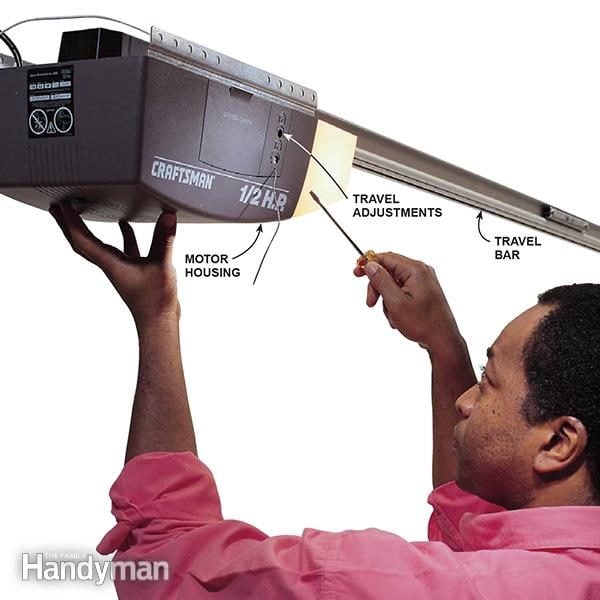
Most garage door openers have adjustment screws or dials labeled “up” and “down.”
- Locate the limit screws on the opener (often under a panel).
- Turn the “down” screw in small increments to lower the stopping point.
- Test the door after each adjustment.
4. Replacing Or Lubricating Rollers
- Inspect each roller for cracks, chips, or rust.
- Spray white lithium grease on the rollers and hinges.
- Replace damaged rollers with new ones (nylon rollers are quieter than metal).
5. Checking And Replacing Springs
Warning: Garage door springs are under high tension and can cause injury. If you suspect a broken spring, call a professional.
- Do not attempt spring replacement unless you have proper tools and experience.
- Listen for loud bangs (a sign a spring has snapped).
- Check for gaps in torsion springs.
6. Opener Troubleshooting
- Unplug the opener and wait 30 seconds, then plug it back in.
- Check the opener’s lightbulb for error codes (consult your manual).
- Inspect the wiring for loose or frayed wires.
- Replace opener gears if you hear motor noise but no movement.
7. Weather Stripping Adjustment
- Inspect the rubber seal for tears or stiffness.
- Trim or replace thick, warped, or damaged weatherstripping.
- Use silicone spray to keep the seal flexible in cold weather.
8. Remote And Wall Switch Fixes
- Replace the remote’s batteries.
- Reprogram the remote (follow your opener’s manual).
- Check wall button wiring for loose connections.
9. Manual Lock Release
- Check for a horizontal lock bar inside the garage door.
- Ensure it is fully disengaged before operating the opener.
10. Addressing Structural Issues
- Check for uneven flooring or gaps under the door.
- Install a thicker seal if the floor has settled.
- Consult a contractor if major shifting is detected.
Data On Garage Door Malfunctions
Understanding how common each problem is can help you prioritize your troubleshooting steps. Here’s a comparison of the top causes based on data from garage door service companies:
| Problem Cause | Approx. Percentage of Cases | Repair Difficulty |
|---|---|---|
| Sensor Issues | 35% | Easy |
| Track Problems | 20% | Medium |
| Limit Switch Settings | 15% | Easy |
| Roller/Spring Damage | 20% | Hard |
| Opener Issues | 10% | Medium |
This data shows that sensor issues and track problems are the most common and often the easiest to fix.

Preventative Maintenance Tips
Many garage door problems can be avoided with regular maintenance. Here’s how you can keep your door in top shape:
1. Clean And Inspect Monthly
- Wipe sensors, tracks, and rollers with a soft cloth.
- Look for rust, dents, or loose hardware.
2. Lubricate Moving Parts
- Use a silicone-based lubricant on rollers, hinges, and tracks every 6 months.
3. Test Safety Features
- Place an object (like a roll of paper towels) under the door and close it. The door should reverse immediately.
4. Check Balance
- With the opener disconnected, lift the door halfway. It should stay in place. If not, springs may need adjustment.
5. Listen For Changes
- New noises or jerky movements can signal a developing problem.
When To Call A Professional
While many issues can be fixed by homeowners, some repairs are dangerous or require special tools. Call a professional if:
- The springs or cables are broken.
- The door is very heavy or won’t move manually.
- You see electrical sparks or smell burning.
- The problem continues after following all troubleshooting steps.
Professional repair brings peace of mind, especially for complex or risky issues.
Real-world Example: Fixing A Stubborn Garage Door
Consider a homeowner whose garage door suddenly stopped closing all the way after a storm. He checked the sensors and found one was blinking. After cleaning and realigning the sensor, the door still would not close. He then noticed the tracks were slightly bent from a bicycle falling against them.
Straightening the track and tightening the bolts solved the issue. This example shows why it’s important to check both sensors and tracks, especially after an impact.
Comparing Diy Fixes Vs Professional Repair
For many, the choice between DIY repairs and hiring an expert depends on cost, safety, and confidence. Here’s a side-by-side look:
| DIY Fix | Professional Repair |
|---|---|
| Lower cost (usually under $50 for basic parts) | Higher cost ($100–$400 depending on issue) |
| Quick for simple problems (sensors, remotes) | Fast for complex jobs (springs, wiring) |
| Risk of injury if working with springs | Safe, trained technicians |
| May not solve deeper issues | Thorough diagnosis and repair |
If you’re unsure or the problem involves springs, cables, or electrical components, professional help is the best choice.
Non-obvious Insights Most People Miss
Many homeowners overlook these details:
- Sensor alignment can be affected by sunlight. If your sensors face direct sun in the afternoon, glare can break the beam. Try shading the sensors or adjusting their position.
- Garage door openers have built-in diagnostics. Most modern units flash a certain number of times to indicate a specific problem. Checking your manual for these codes can save hours of guesswork.
- Garage doors need regular “rebooting.” Like computers, unplugging the opener for a minute can reset the system after a power surge.
Common Mistakes To Avoid
When dealing with a garage door that won’t close, watch out for these pitfalls:
- Spraying WD-40 on tracks: This can attract dirt and cause more issues. Use only silicone-based lubricants.
- Forcing the door closed: This can bend tracks or break the opener.
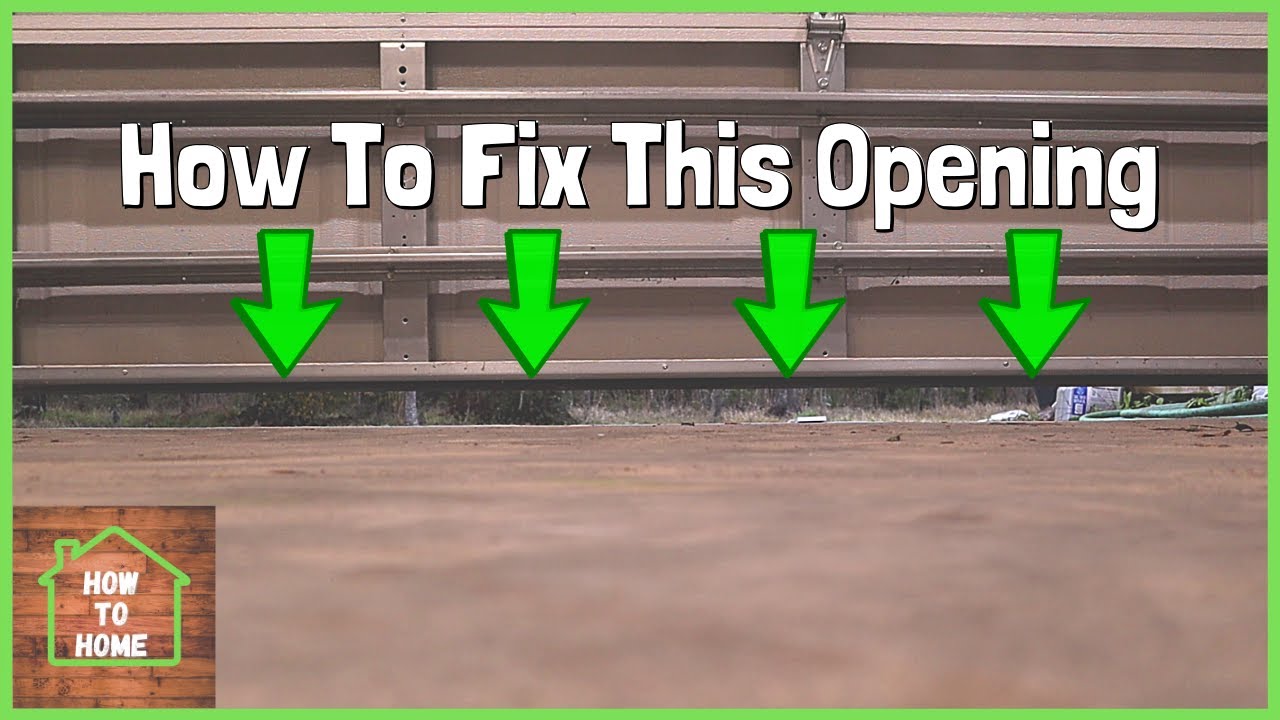
- Ignoring small gaps: Even a small opening can let in pests or water, leading to bigger problems later.
- Skipping maintenance: Most people never clean or lubricate their door until it fails. A little upkeep prevents most issues.
Cost Breakdown Of Garage Door Repairs
Understanding what you might pay helps you plan repairs or maintenance:
| Repair Type | DIY Cost | Professional Cost | Typical Time |
|---|---|---|---|
| Sensor Cleaning/Alignment | $0–$10 | $50–$100 | 15–30 min |
| Track Adjustment | $0–$20 | $75–$150 | 30–60 min |
| Limit Switch Adjustment | $0 | $50–$100 | 15–30 min |
| Spring Replacement | $40–$80 (not recommended DIY) | $150–$350 | 1–2 hours |
| Opener Repair | $10–$50 (parts) | $100–$300 | 1–2 hours |
Remember, safety is more important than saving money on risky repairs.
How Weather And Environment Affect Garage Doors
Garage doors are exposed to the elements, which can cause problems:
- Cold weather: Can make weather stripping stiff or cause metal parts to contract, leading to misalignment.
- High humidity: Promotes rust and swelling of wooden doors.
- Wind and storms: Can knock tracks out of alignment or damage sensors.
If you live in an area with extreme weather, check your door more often and use weather-appropriate lubricants.
Long-term Solutions And Upgrades
Sometimes, frequent problems mean it’s time for an upgrade:
- Replace old openers with smart models that offer better diagnostics and reliability.
- Switch to nylon rollers for quieter, smoother operation.
- Install better weather stripping to keep out water and pests.
- Upgrade to steel tracks if your originals are bent or worn.
These upgrades add value and reduce repair needs.
The Importance Of Security
A garage door that doesn’t close completely is a security risk. Thieves can use even a small gap to access your home. Make sure your door seals tightly every time, and consider adding a smart garage door monitor that sends alerts if the door is left open.
For more technical details about garage door systems, you can visit the Wikipedia page on garage door openers.
Frequently Asked Questions
Why Does My Garage Door Close Partway And Then Reverse?
This usually means the safety sensors detected something in the way, or they are dirty or misaligned. Clean both sensors and make sure their indicator lights are solid.
Can I Adjust The Garage Door Myself If It Won’t Close?
You can adjust sensors, tracks, and limit switches yourself. However, never try to fix springs or cables unless you have special training and tools—these can be very dangerous.
My Garage Door Closes But Then Opens Again. What Causes This?
This often means the limit switch is set too far. The opener thinks the door hit something before reaching the ground and reverses. Adjust the “down” limit screw until the door stops at the floor.
How Do I Know If My Garage Door Spring Is Broken?
Look for a visible gap in the torsion spring above the door, or listen for a loud snap. If the door is suddenly very heavy or won’t stay up, the spring is likely broken. Call a professional for replacement.
What Is The Best Way To Maintain My Garage Door?
Clean moving parts monthly, lubricate rollers and tracks with silicone spray every 6 months, and test the safety reverse feature regularly. Address small problems before they become big ones.
A garage door that won’t close can be stressful, but with the right approach, most problems are easy to diagnose and fix. Regular maintenance and careful observation are the keys to smooth, reliable operation—and peace of mind for your home and family.