
Now Reading: Garage Door Remote Not Working? Quick Fixes and Solutions
- 01
Garage Door Remote Not Working? Quick Fixes and Solutions

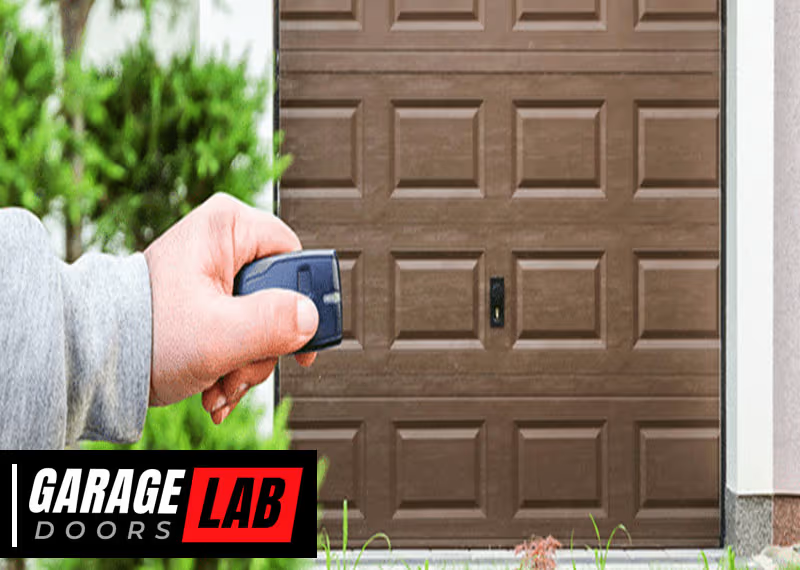
When your garage door remote stops working, it can feel like a small problem—until you’re stuck outside in the rain or late for work. Most people use their garage remote every day, but few know how it really works or what to do when it fails. This guide will walk you through every step, from quick fixes to deeper issues, so you can get your door moving again with confidence.
How Garage Door Remotes Work
Garage door remotes use radio frequency (RF) signals to communicate with the opener mounted in your garage. When you press the button, the remote sends a unique code to the opener, which recognizes the code and activates the motor to open or close the door.
Modern remotes use rolling codes for better security, meaning the code changes with every use. If the signal is interrupted, the opener will not respond. Understanding this process helps with troubleshooting because it shows how many parts must work together.
Common Reasons A Garage Door Remote Stops Working
There are several reasons your garage door remote may not respond. Some are simple, like dead batteries, while others involve more complex electrical or mechanical problems.
- Dead Batteries: The most common cause.
- Remote Needs Reprogramming: Codes can get lost or out of sync.
- Opener Power Issues: The garage door opener might be unplugged or the circuit tripped.
- Physical Obstructions: Objects or dirt blocking the signal.
- Damaged Remote: Physical damage, water exposure, or old age.
- Signal Interference: Nearby devices using similar frequencies.
- Worn Out Buttons: Internal wear after years of pressing.
- Receiver Problems: Issues with the opener’s receiver circuit.
- Sensor Misalignment: Safety sensors can disable the system.
- Locked Mode Activated: Some openers have a vacation or lock mode.
Let’s look at each cause and what you can do.
Step-by-step Troubleshooting
1. Check The Batteries
Old batteries are the most frequent culprit. Open the battery compartment—usually on the back of the remote—and replace with fresh, matching batteries. Most remotes use small coin or AAA batteries. Make sure you insert them correctly.
If you replace the batteries and it still doesn’t work, try the remote close to the opener. If it only works up close, the new batteries may be weak or the remote is wearing out.
2. Test The Wall Button
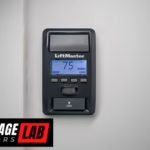
Press the wall-mounted button inside your garage. If the door works, the power supply and the opener are fine. This points to a remote or signal issue. If the wall button doesn’t work, you may have a power or motor problem.
3. Reprogram The Remote
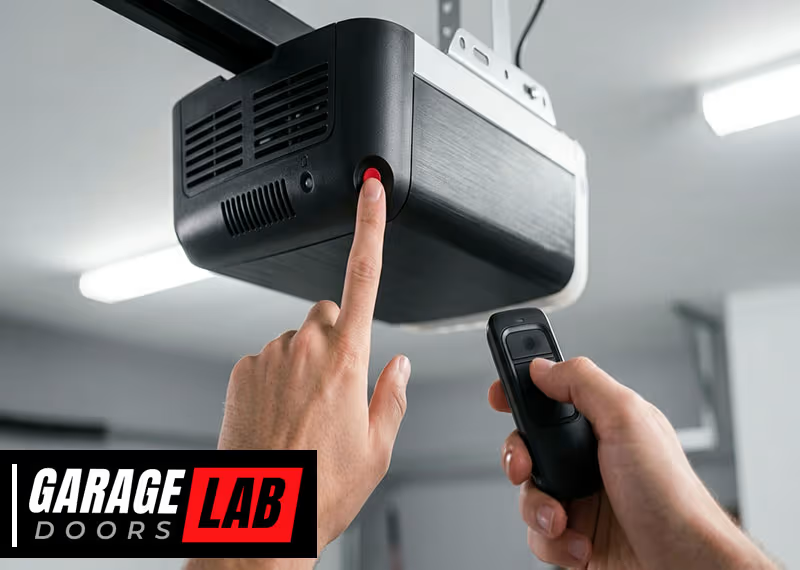
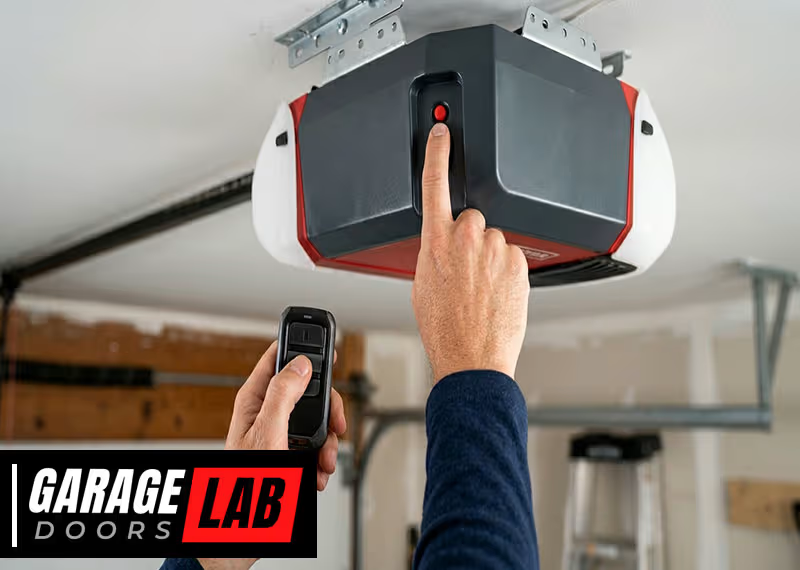
Remotes sometimes lose their connection to the opener. Find the learn button on your garage door opener—usually a small button near the antenna wire. Press and release this button, then press the remote button. The opener’s light should blink, confirming a successful pairing.
If you have multiple remotes, reprogram each one. Instructions differ by brand, so check your opener’s manual or the manufacturer’s website for details.
4. Inspect For Physical Damage
Check the remote’s body for cracks, water damage, or other signs of wear. If the remote got wet or was dropped, the internal circuit may have failed. In this case, replacement is often the best solution.
5. Remove Signal Interference
Other wireless devices—like LED lights, Wi-Fi routers, or baby monitors—can interfere with your remote’s signal. If your remote works sometimes but not always, try turning off nearby electronics one by one to test. Move or replace devices if needed.
6. Check The Opener’s Power
If the opener’s light is off, make sure it’s plugged in. Check your home’s electrical panel for a tripped breaker. Many people overlook this simple step—especially after a power outage or surge.
7. Clear Obstructions
Objects hanging from the ceiling, dust, or even spider webs can block the signal between your remote and the opener’s receiver. Clean the area around the opener and make sure nothing is in the way.
8. Examine The Antenna
Most garage door openers have a small wire antenna hanging down. Make sure it’s not broken, bent, or tucked up into the unit. Straighten it gently if needed.
9. Test All Remotes
If you have more than one remote, test them all. If none work, the problem is likely with the opener. If only one fails, the issue is with that specific remote.
10. Check For Lock Or Vacation Mode
Some openers have a lock or vacation mode that disables remote access. This is often set accidentally by pressing and holding the wall button or a special button on the opener. Look for a lock symbol or consult your manual to reset.
When To Replace Your Remote
Remotes usually last 5-10 years. If you notice the range shrinking, buttons sticking, or intermittent operation—even after battery changes—it’s likely time for a new one.
When buying a replacement, match the brand and model for best results. Universal remotes work with most openers but may need extra programming.
Here’s a quick comparison of original vs. universal remotes:
| Feature | Original Remote | Universal Remote |
|---|---|---|
| Compatibility | Guaranteed (same brand/model) | Works with most brands, but check list |
| Ease of Setup | Usually simple (follow manual) | May require extra programming steps |
| Price | Can be higher | Often lower or similar |
| Features | Brand-specific | May have extra buttons for other devices |

Garage Door Opener Types And Remote Compatibility
There are three main types of garage door openers: chain drive, belt drive, and screw drive. All use remotes, but the technology inside the opener can affect compatibility.
- Older openers (pre-1993): May use fixed codes, less secure, and sometimes hard to find replacement remotes.
- Newer openers (after 1993): Most use rolling codes. Universal remotes often work, but always check the manufacturer’s compatibility chart.
Some brands use proprietary technology, so a remote from one brand may not work with another, even if they look the same.
Advanced Troubleshooting: Deeper Issues
If the basic steps fail, more advanced problems may be to blame. Here’s how to spot them.
Faulty Circuit Board
The opener’s receiver is on a circuit board inside the unit. Power surges, lightning, or old age can damage this board. Signs include:
- Wall button works, but all remotes fail
- Opener acts erratically or only works sometimes
A circuit board replacement can cost $50–$150 plus labor. If your opener is over 10 years old, consider replacing the whole unit for better reliability and security.
Antenna Or Receiver Failure
If the antenna is missing or the receiver module is dead, the opener won’t get the remote signal. Some receivers can be replaced separately, but often it’s easier to replace the entire opener.
Sensor Misalignment
Modern doors have safety sensors near the floor. If these are dirty, blocked, or out of alignment, the door won’t close (and sometimes won’t open). The opener’s light may blink to signal a sensor problem. Clean the lenses and make sure the sensors point at each other.
Interference From New Devices
If you recently installed new LED bulbs, wireless cameras, or other electronics in the garage, they may disrupt the remote’s signal. Try swapping bulbs or moving devices to test for improvement.
Opener Memory Full
Some newer openers can only store a limited number of remotes or keypads (often 5–7). If you add too many, older remotes get deleted. Clear the opener’s memory and reprogram only the remotes you use.
Preventing Future Remote Problems
Prevention can save you time and frustration. Here are some tips:
- Change batteries annually: Even if the remote works, old batteries can leak and damage the circuit.
- Keep remotes dry: Water is a common killer of remotes.
- Mount the opener away from strong electronics: This reduces interference.
- Label your remotes: Especially helpful if you have multiple garages or family members.
- Test all remotes regularly: Catch problems before you’re locked out.
What If The Remote Works, But The Door Doesn’t Move?
Sometimes, the remote is fine, but the door itself won’t budge. This is often a problem with the door’s mechanics, not the electronics.
- Broken springs: The opener may hum but the door won’t lift.
- Disconnected trolley: If the emergency release was pulled, reconnect it.
- Locked door: Check for manual locks or bars inside the garage.
- Obstructed tracks: Look for debris or bent metal.
If you hear grinding or see the opener straining, stop and call a professional technician. Forcing the door can cause more damage or injury.
How To Program Different Garage Door Remotes
Programming steps depend on the brand, but most follow a similar process:
- Locate the learn button on the opener (often red, yellow, purple, or green).
- Press and release the learn button. A light may blink.
- Within 30 seconds, press the remote button you want to program.
- Opener light flashes to confirm.
Some universal remotes require entering a code or cycling through settings. Check the instructions for your model. If you’re unsure, most manufacturers provide video guides on their websites.
Cost Of Fixing Garage Door Remote Problems
Here’s an overview of what you might pay for parts and labor:
| Problem | DIY Cost | Pro Repair Cost |
|---|---|---|
| Battery Replacement | $2–$10 | Usually DIY |
| New Remote | $20–$50 | $60–$100 |
| Reprogramming Remote | Free | $50–$80 |
| Circuit Board Replacement | $50–$150 | $150–$300 |
| Opener Replacement | $150–$350 | $300–$700 |
DIY fixes are often possible for batteries and reprogramming. For electrical or mechanical repairs, a professional is safer—especially with heavy garage doors.
Key Details For Specific Brands
Liftmaster, Chamberlain, And Craftsman
These popular brands share similar technology. Their remotes usually work across brands if the color of the learn button matches.
- Yellow: Security+ 2.0 (2011+), rolling code
- Purple: Security+ (2005–2010)
- Red/Orange: Security+ (1997–2005)
- Green: Billion Code (1993–1996)
Always check the year and model before buying a remote.
Genie
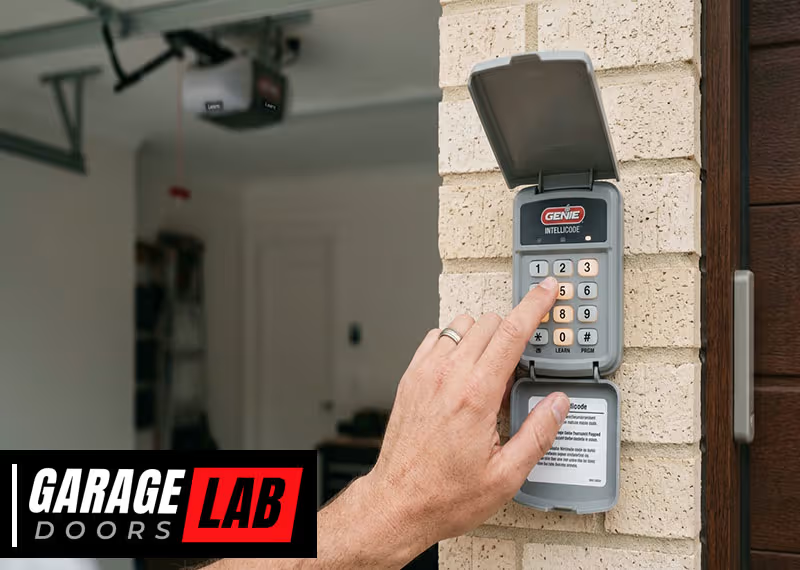
Genie uses Intellicode (rolling code) for newer models. Older models may require special remotes, so check compatibility on the Genie website.
Other Brands
Linear, Overhead Door, and Marantec have their own systems. Universal remotes often work, but brand-specific remotes are sometimes needed.
Non-obvious Insights Most People Miss
- Not all remotes are created equal: Even if remotes look alike, they may use different frequencies. Always match the frequency (like 315 MHz or 390 MHz) for best results.
- LED light bulbs can block signals: Many new LED bulbs emit radio noise that can interfere with your garage remote. If your remote stopped working after changing bulbs, try swapping them for a different type.
- Remotes can be cloned: If you buy a used remote or move to a new house, clear the opener’s memory and reprogram your own remotes. This prevents old owners or others from accessing your garage.
What To Do If You’re Locked Out
If your garage is your only way inside, a dead remote can be more than an annoyance. Here are some solutions:
- Try the wall button: If you can access the garage from inside, use the wall button.
- Backup key: Some garages have an emergency key release. This is a lock on the garage door that lets you pull the emergency cord from outside.
- Contact a locksmith or pro: Professionals can open the door safely without damaging the system.
It’s a good idea to have a spare key or external keypad for emergencies.
Upgrading Your System For Fewer Problems
Modern garage openers offer features that make remote problems less likely:
- Smartphone control: Many openers now let you open and close the door with an app. No batteries, no remotes to lose.
- Backup battery: Keeps your opener working during power outages.
- Better security: Rolling codes and encrypted signals reduce the risk of hacking.
If your opener is over 15 years old, an upgrade can add convenience and peace of mind.
Simple Maintenance Tips
Keep your system running smoothly with these habits:
- Clean the opener’s antenna once a year.
- Dust the remote’s battery contacts if it stops working.
- Lubricate the garage door track (not the opener, but the metal tracks) to reduce strain.
- Test the safety sensors each month by closing the door and waving an object under it. The door should reverse.
Professional Help: When And Why
Some fixes are best left to the pros, including:
- Electrical repairs: Risk of shock or fire.
- Spring or cable issues: These parts are under high tension and can cause injury.
- Repeated remote failures: If you’ve tried everything, a technician can test with special tools to find radio interference or faulty boards.
Professional help may cost more, but it can prevent bigger problems later.
Frequently Asked Questions
Why Does My Garage Door Remote Only Work Up Close?
This is usually a sign of weak batteries or a failing remote. Try new batteries first. If the problem continues, the remote’s transmitter may be wearing out, or the opener’s antenna may be damaged or blocked.
Can I Use A Universal Remote With Any Garage Door Opener?
Most universal remotes work with openers made after 1993 that use rolling codes. Always check the compatibility list before buying. Some older or specialty openers require a specific remote.
What Should I Do If None Of My Remotes Work, But The Wall Button Does?
If the wall button works but all remotes fail, try reprogramming the remotes. If that doesn’t fix it, you may have a problem with the opener’s receiver or circuit board.
How Long Do Garage Door Remotes Last?
Most remotes last 5–10 years, depending on quality and use. Buttons can wear out or the circuit can fail, especially if exposed to moisture or heavy impacts.
Are Smartphone Garage Door Openers Safer Than Remotes?
Smartphone openers use encrypted signals and offer more control (like checking the door’s status remotely). They’re generally safer and more convenient, but require a reliable Wi-Fi connection. For more information, see the Garage Door Opener Wikipedia page.
A non-working garage door remote is frustrating, but most problems are easy to solve with the right steps. Whether it’s a quick battery change or a deeper repair, understanding how your system works gives you the power to fix it—and avoid getting stuck outside ever again.