
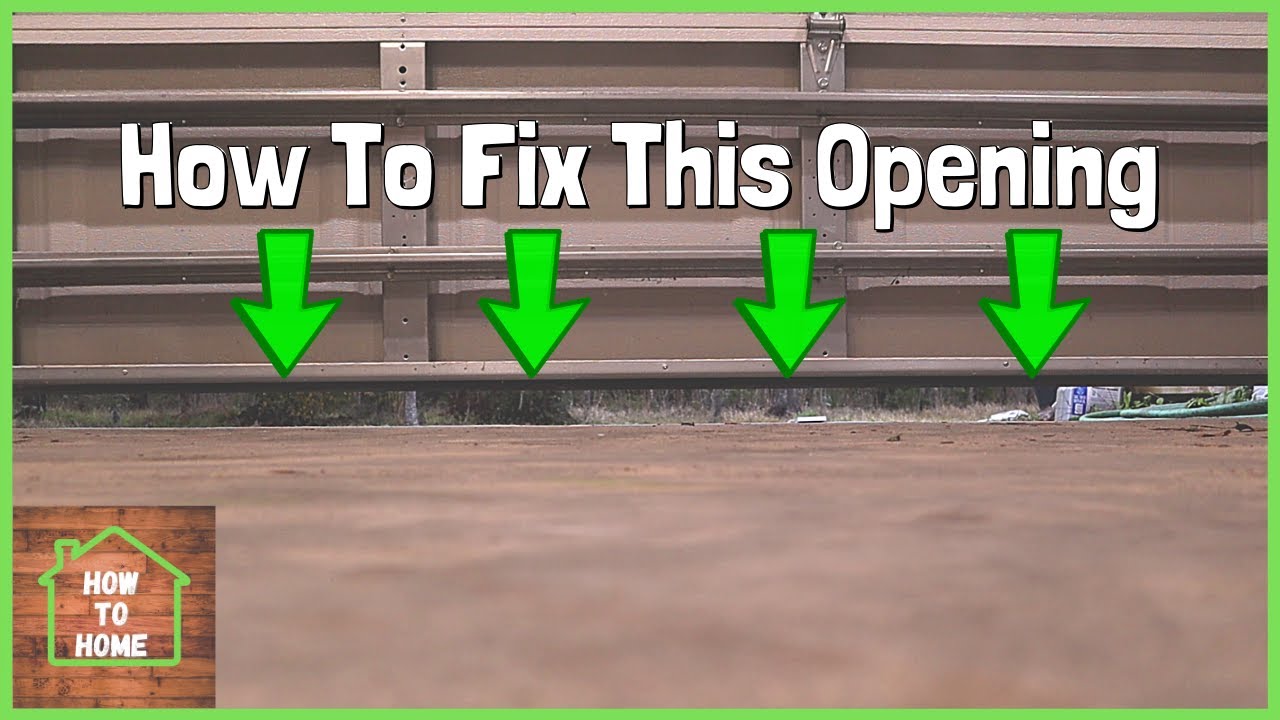
A garage door that refuses to shut all the way is more than just an inconvenience—it can be a security risk, a source of energy loss, and a sign of deeper mechanical or electrical problems. If you’ve ever pressed your garage door remote only to see the door stop a few inches above the ground, or immediately reverse direction, you know how frustrating this issue can be.
The good news is, most garage door problems have clear causes and practical solutions. Whether you’re a hands-on homeowner or just want to understand what your repair technician is doing, this article will guide you through the most common reasons your garage door isn’t shutting all the way, how to troubleshoot them, and when it’s time to call a professional.
Common Reasons Your Garage Door Won’t Close Completely
Several factors can prevent a garage door from shutting fully. Each has its own symptoms, risks, and solutions. Let’s explore the main causes so you can identify what’s happening with your door.
1. Obstructed Or Misaligned Safety Sensors
Modern garage doors use infrared safety sensors on each side, near the floor. These sensors stop the door if something is in the way, to prevent injury or damage. If even a leaf or dirt blocks the beam, the door may refuse to close. Sometimes, sensors become misaligned by a bump or vibration, causing a false reading.
Signs: The door starts to close but reverses immediately. Often, a small light on the sensor will blink.
Solution: Check for objects or debris. Clean the lenses with a soft cloth. If the sensors are not facing each other perfectly, gently adjust them until the indicator lights turn solid.
Non-obvious tip: Even sunlight shining directly into the sensor can cause problems. Try shading the sensor or adjusting its angle.
2. Track Problems
Garage doors run on metal tracks. If these become bent, blocked, or loose, the door may jam before reaching the ground.
Signs: The door slows down, sticks, or makes scraping noises. You may see visible gaps or bends in the tracks.
Solution: Inspect tracks for dents, obstructions, or loose screws. Remove anything in the way. For small bends, use a rubber mallet to realign. For major damage, a professional should replace the track.
Insider detail: Even a small misalignment—just a few millimeters—can stop the door. Check both sides, as issues are often subtle.
3. Limit Switch Needs Adjustment
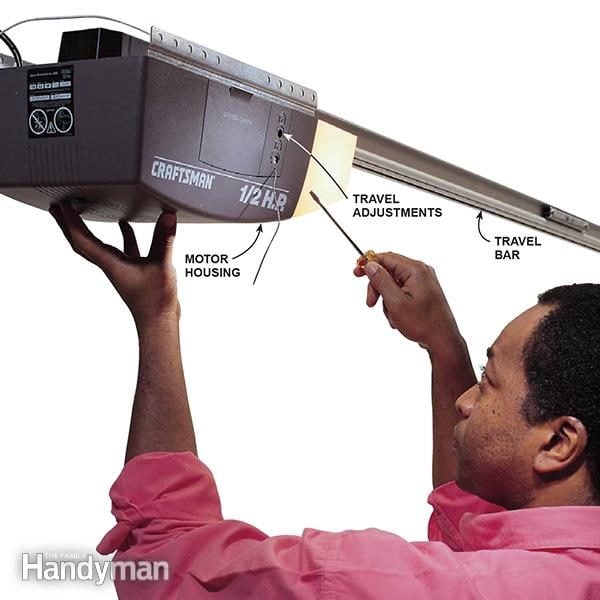
The limit switch tells the garage door opener how far to move the door. If it’s set wrong, the door may stop early or hit the ground too hard and bounce back up.
Signs: The door stops short, or closes then reopens. The opener may run longer than it should.
Solution: Locate the limit adjustment screws on the opener unit (often labeled “up” and “down”). Turn the “down” screw slightly, test, and adjust until the door closes fully.
Practical example: If you recently replaced your garage door or opener, the default setting may not match your door height.
4. Worn Or Broken Springs
Torsion springs help lift and lower the door’s weight. If a spring is weak or broken, the opener may struggle to pull the door down fully.
Signs: The door feels heavy, closes slowly, or stops before reaching the ground. You may hear a loud snap if a spring breaks.
Solution: Never try to repair or replace springs yourself—they store dangerous energy. Call a professional for inspection and replacement.
Non-obvious insight: Springs often wear out gradually, making the door less reliable over weeks or months before failure.
5. Door Obstructions And Physical Blockages
Sometimes, the simplest explanation is correct. Small objects, rocks, or even ice can block the door’s path.
Signs: The door hits something and reverses, or won’t close the last inch or two.
Solution: Check the entire path, especially where the door meets the ground. Remove any objects and sweep away dirt or snow.
6. Damaged Or Worn Rollers
Rollers help the door move smoothly along its track. Damaged or rusty rollers may get stuck, leaving the door partially open.
Signs: The door jerks, squeaks, or stops. You may see rollers that are not spinning freely.
Solution: Lubricate rollers with a silicone-based garage door lubricant. Replace any visibly damaged rollers.
Practical tip: Metal rollers without ball bearings wear out faster; consider upgrading to nylon rollers for smoother operation.
7. Remote Control Or Wall Switch Issues
If your remote or wall switch isn’t working right, the door may not receive the full “close” command.
Signs: The door responds sometimes but not always, or only closes when you hold the button down.
Solution: Replace remote batteries. Check for loose wires at the wall switch. Reprogram remotes if needed.
Beginner’s mistake: Many people forget that radio interference (from LED bulbs or Wi-Fi routers) can disrupt remote signals.
8. Electrical Or Opener Malfunctions
Older or malfunctioning openers can misinterpret commands or fail to supply enough power to close the door.
Signs: The opener hums but the door doesn’t move, or the opener lights blink a pattern.
Solution: Unplug the opener for a minute to reset it. Check the manual for diagnostic codes. If problems persist, consult a technician.
9. Warped Or Swollen Door Panels
Wooden and even some metal doors can warp or swell due to weather changes, especially with high humidity or rain.
Signs: The door fits unevenly or rubs against the frame, especially at the bottom.
Solution: Inspect the door for warping or swelling. For minor swelling, sanding and repainting may help. Severely warped doors often need replacement.
10. Door Balance Problems
A garage door must be balanced to open and close smoothly. If springs or cables are out of sync, the door may tilt or bind.
Signs: The door looks crooked when closing, or one side is lower than the other.
Solution: Try lifting the door halfway by hand (with the opener disconnected). If it doesn’t stay in place, it’s unbalanced. Call a pro for spring or cable adjustment.
11. Weather Seal Or Floor Issues
The rubber weather seal at the bottom of the door can harden, tear, or get stuck on an uneven floor.
Signs: The door stops just above the ground or bounces on closing.
Solution: Inspect and replace worn weather seals. If the floor is uneven, consider a threshold seal or leveling compound.
12. Garage Door Lock Out Of Place
Some garage doors have manual locks. If the lock bolt is not fully retracted, it can block the door.
Signs: The door stops abruptly or won’t move at all. You may hear a metallic clunk.
Solution: Check the inside of the door for manual locks. Make sure all lock bars are fully retracted before operating.
13. Cold Weather And Ice Build-up
In winter, ice can freeze the door to the ground or block the tracks.
Signs: The door won’t move after snow or freezing rain. You may see ice at the bottom seal.
Solution: Melt the ice with warm water or a hair dryer. Clear snow and ice from the tracks and threshold.
Non-obvious detail: Garage door lubricants can stiffen in cold weather. Use a silicone-based lubricant for year-round performance.
14. Faulty Wiring Or Loose Connections
Loose or damaged wires can interrupt signals between the opener, sensors, and switches.
Signs: The door behaves unpredictably or only works from certain switches.
Solution: Inspect all visible wiring for loose connections or damage. Tighten any loose screws. If you’re unsure, call a qualified technician.
15. Faulty Garage Door Opener Settings
Some openers have programmable settings for force and speed. If these are set too low, the opener may think there’s an obstruction.
Signs: The door reverses before closing, or stops and the opener light blinks.
Solution: Consult the opener manual to adjust force settings. Increase in small increments and test.
16. Remote Range Issues
If your remote only works when you’re very close, it may not send a strong enough signal to close the door from outside.
Signs: The door only responds to the remote when you’re in the garage.
Solution: Replace batteries. Move objects that could block the signal. Upgrade to a newer remote if needed.
17. Interference From Nearby Devices
Other electronic devices (LED lights, wireless routers, baby monitors) can interfere with the garage door opener’s frequency.
Signs: The door sometimes responds, sometimes doesn’t, especially when certain devices are on.
Solution: Try turning off nearby devices to see if the problem goes away. If so, change the opener’s frequency or consult a technician.
18. Broken Or Frayed Cables
The cables that lift and lower the door can fray or snap, causing the door to hang unevenly or jam.
Signs: Visible fraying, slack cables, or the door hanging crookedly.
Solution: Do not attempt to repair garage door cables yourself. These are under high tension. Call a professional.
19. Old Or Failing Garage Door Opener
Most garage door openers last 10-15 years. As they age, internal parts wear out and performance drops.
Signs: The door moves slower, makes unusual noises, or stops randomly.
Solution: If your opener is over a decade old and showing issues, replacement is often more reliable and energy-efficient.
20. Manufacturing Defects Or Wrong Door Size
Rarely, the door or opener may not match the opening exactly, or there could be a factory defect.
Signs: The door never fit well, or issues began right after installation.
Solution: Contact the installer or manufacturer for inspection. Sometimes, a different size or model is needed.
Step-by-step Troubleshooting Guide
Solving a garage door that won’t shut all the way can be straightforward if you take a methodical approach. Here’s how to safely diagnose and address most issues:
- Stay Safe First: Unplug the opener before inspecting parts.
- Look for Obvious Obstructions: Check the door’s path, tracks, and bottom seal.
- Test the Sensors: Clean and realign if needed.
- Try Manual Operation: Release the door from the opener and move it by hand. If it’s heavy or jams, springs or tracks are likely at fault.
- Check the Opener Settings: Adjust limits and force as needed.
- Inspect Remotes and Switches: Replace batteries and check wiring.
- Listen for Unusual Noises: Squeaks or grinding suggest rollers, tracks, or opener issues.
- Observe the Door’s Movement: Is it smooth or jerky? Does it tilt?
If you fix the problem and the door still won’t close, consult a professional. Some repairs (springs, cables, major opener issues) are dangerous for DIY work.
Professional Vs. Diy: What You Should And Should Not Do
Some garage door fixes are safe for a careful homeowner; others should only be done by trained professionals. Here’s a quick breakdown:
| DIY Safe | Professional Only |
|---|---|
| Cleaning sensors | Spring replacement |
| Realigning tracks | Cable repairs |
| Lubricating rollers | Major electrical work |
| Replacing remote batteries | Opener motor repair |
Tip: If you ever feel unsure, stop and call a pro. Garage door springs and cables are tightly wound and can cause serious injury.
How Weather And Climate Affect Garage Door Operation
Many homeowners overlook the impact of local weather. Seasonal changes can cause your garage door to behave differently.
- Humidity: Wood doors may swell, and metal parts can corrode.
- Cold: Lubricants thicken, and ice can freeze the door shut.
- Heat: Expansion can warp metal doors and tracks.
Practical advice: Use weather-resistant lubricants and check seals and tracks at least twice a year, especially after major weather changes.
Preventive Maintenance Tips
Keeping your garage door in top condition reduces the risk of it not closing properly. Here’s how you can extend the lifespan of your door and opener:
- Lubricate all moving parts every six months. Use silicone-based lubricant.
- Clean and align sensors monthly.
- Inspect tracks, rollers, and hinges for wear or damage.
- Test the door balance at least once a year.
- Replace weather seals if they’re cracked or stiff.
- Check opener settings after any power outage or surge.
- Listen for new noises and investigate immediately.
- Keep remote batteries fresh and remotes free from dirt.
Hidden insight: Most major repairs start with small issues—regular checks catch problems early.
Cost Comparison: Repair Vs. Replacement
When a garage door won’t shut all the way, homeowners often wonder whether to repair the problem or invest in a new system. Here’s a simple cost comparison:
| Issue | Average Repair Cost | Replacement Cost |
|---|---|---|
| Sensor realignment | $50-$100 | N/A |
| Spring replacement | $150-$350 | $600-$1,200 (full door) |
| Opener repair | $100-$300 | $400-$700 (new opener) |
| Panel replacement | $250-$800 | $600-$1,500 (full door) |
Note: Prices vary by location and door type. Small repairs are often worth doing, but if your opener or door is over 15 years old, replacement may be more cost-effective.
Credit: www.youtube.com
Upgrading Your Garage Door Opener For Better Performance
Older openers often lack modern safety, security, and efficiency features. If your garage door repeatedly fails to close, an upgrade can solve multiple problems at once.
Modern features include:
- Smartphone control: Open or close your door remotely.
- Battery backup: Works during power outages.
- Quieter operation: Belt-drive systems are much quieter than old chain drives.
- Improved safety sensors: Better detect obstructions and prevent accidents.
Insider tip: Upgrading can also increase your home value and lower energy bills by sealing out drafts.
For more information on modern garage door technology, you can visit the Consumer Reports Garage Door Opener Buying Guide.
Real-world Examples And Scenarios
Example 1: Sensor Misalignment After Moving Boxes
A family moved some boxes near their garage door and accidentally bumped the safety sensor. The door stopped closing all the way and would reverse immediately. After realigning the sensor and clearing the boxes, the door functioned perfectly.
Example 2: Track Bent During Winter
A homeowner noticed their door sticking and stopping short after a heavy snowstorm. Ice buildup had bent the track slightly. They melted the ice and gently tapped the track back with a rubber mallet, restoring normal movement.
Example 3: Old Opener Causes Random Stops
A 20-year-old opener started leaving the door open by a few inches. After several repairs failed, the owner replaced the opener. The new unit closed the door smoothly every time and was much quieter.
How To Communicate With Garage Door Technicians
When you call a professional, clear communication speeds up repairs and lowers costs. Here’s what to share:
- Describe the problem: “My garage door won’t close all the way. It stops about 6 inches above the ground and reverses.”
- Mention any noises: “I hear a grinding sound on the left side.”
- Share what you’ve tried: “I cleaned the sensors and checked for obstructions.”
- Note the age of your door and opener.
- Ask about service fees and warranties.
Non-obvious tip: Take a video of the door’s movement to show the technician.
When To Replace Instead Of Repair
Sometimes, repeated repairs are less economical than replacing the door or opener. Consider replacement if:
- The door or opener is over 15 years old
- The door has major structural damage
- Repairs cost more than half the price of a new door
- You want modern safety or smart features
Practical advice: Upgrading sooner often saves money on energy and future repairs.
Common Mistakes Homeowners Make
Avoid these errors to keep your garage door working reliably:
- Ignoring small issues: Squeaks and jerks usually get worse.
- Using WD-40: It’s not a true lubricant for garage doors—use silicone spray instead.
- DIY spring or cable repairs: These are dangerous and should be left to professionals.
- Forgetting to test the auto-reverse feature: This is a key safety function.
- Neglecting remote batteries: Weak batteries cause inconsistent operation.
Garage Door Types And How They Affect Closing Issues
Not all garage doors are the same. The type affects which problems are most likely.
| Door Type | Common Closing Issue | Special Considerations |
|---|---|---|
| Sectional (most common) | Track misalignment | Regular lubrication needed |
| One-piece tilt-up | Spring failure | Heavier, needs strong springs |
| Roll-up | Jammed slats | Best for commercial use |
| Side-hinged | Frame warping | Check hinges and locks |
Hidden insight: Sectional doors are more forgiving with minor track issues, but tilt-up doors often require complete spring replacement.

Energy Efficiency And Security Risks
A garage door that won’t close fully can:
- Let in cold or hot air, raising energy bills
- Allow pests and moisture inside
- Reduce home security, inviting theft
Practical tip: Even a one-inch gap can let in significant air and insects. Fix closing issues promptly to protect your home.
Frequently Asked Questions
Why Does My Garage Door Stop And Reverse Before Touching The Ground?
This is usually caused by misaligned or dirty safety sensors, or an obstruction in the door’s path. Clean and realign the sensors, and check for objects blocking the door.
Can I Adjust The Limit Switch Myself?
Yes, most homeowners can adjust the limit switch using the instructions in their opener’s manual. Make small changes and test each time. If you’re unsure, call a professional.
How Often Should I Lubricate My Garage Door?
Lubricate all moving parts (rollers, hinges, springs) every six months with a silicone-based lubricant. Avoid regular WD-40, as it isn’t designed for garage doors.
Are Garage Door Spring Repairs Safe For Diy?
No. Garage door springs are under high tension and can cause severe injury or death if mishandled. Only trained professionals should repair or replace springs.
What’s The Average Lifespan Of A Garage Door Opener?
Most openers last 10 to 15 years. If yours is older and unreliable, it’s usually smarter to replace it with a modern, safer model.
A garage door that doesn’t shut all the way is a problem you shouldn’t ignore. With a careful inspection and basic maintenance, most issues can be fixed quickly and safely. For complex or dangerous repairs, always call a professional. Keeping your garage door in top shape protects your family, your belongings, and your peace of mind.