
The sudden, jarring sound of a garage door spring breaking is often followed by an unnerving silence and the realization that your primary entry and exit point is now completely inoperable. It’s a frustrating and potentially inconvenient situation, especially when you need to get your car out or secure your home. This isn’t just a minor inconvenience; a broken spring renders your automatic garage door opener useless because the springs are what counterbalance the weight of the door, allowing the opener to lift and lower it smoothly. Without this crucial counterbalancing, the opener would be straining against the full weight of the door, likely leading to damage to the opener mechanism itself.
Understanding why this happens and what to do next is essential. Garage door springs are under immense tension, and over time, due to repeated use and environmental factors, they can fatigue and eventually snap. This article will guide you through the signs of a broken spring, the immediate steps you should take for safety and security, the underlying causes, and the process of getting it repaired.
We’ll also touch upon the types of springs and what to expect during a repair, ensuring you’re well-informed about this critical garage door component.
Key Takeaways
- A broken garage door spring makes the door heavy and difficult or impossible to open manually, and will prevent the opener from working correctly.
- The most common signs include a loud bang or snap, a visible gap in the spring, or the door feeling excessively heavy.
- Safety is paramount: Do not attempt to operate the door or the opener with a broken spring, as this can cause further damage or injury.
- Manual operation is possible but requires caution due to the door’s extreme weight. Always use the emergency release cord.
- Garage door springs are typically torsion springs (mounted above the door) or extension springs (running along the tracks).
- Causes include wear and tear, age, improper tensioning, corrosion, and physical damage.
- Professional repair is strongly recommended due to the high tension and inherent dangers involved in spring replacement.
- Regular maintenance, such as lubrication and inspection, can help prolong spring life.
Credit: www.precisiondoor.net
Identifying A Broken Garage Door Spring
Recognizing the signs of a broken garage door spring is the first step in addressing the problem effectively. Often, the initial indication is auditory, followed by a visual confirmation and a change in the door’s operation. Being aware of these signals can prevent further damage and ensure prompt action.
The Sound Of A Snap
The most dramatic and unmistakable sign of a broken garage door spring is a loud bang or snapping sound. This noise is caused by the sudden release of immense tension as the metal of the spring fractures. It can sound like a gunshot or a firecracker, often startling homeowners. If you hear this sound, it’s highly probable that one of your springs has broken. It’s crucial to stop any attempts to operate the door immediately after hearing such a noise.
Visual Inspection Clues
After hearing the bang, or if you suspect a spring issue, a visual inspection can confirm the problem.
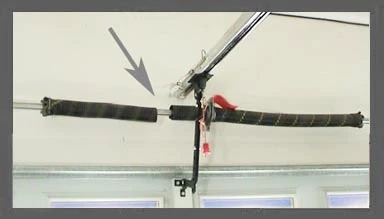
- Look for a gap: For torsion springs, which are mounted on a bar above the garage door, look for a visible gap or separation in the coil. If the spring is in two pieces, it’s definitely broken.
- Check the cables: The cables attached to the bottom brackets of the garage door are connected to the springs. If a spring breaks, the cable may become slack or appear loose because it’s no longer under tension from the balanced spring system.
- Observe the door’s position: If the garage door is partially open when the spring breaks, it will likely remain in that position, unable to be lifted further without extreme effort. If it was closed, it will feel incredibly heavy to lift manually.
Changes In Door Operation
A broken spring dramatically impacts how the garage door functions.
- Excessive Weight: The most significant operational change is the sudden increase in the door’s weight. Springs are designed to counterbalance the door’s weight. Without this counterbalance, the door will feel extremely heavy, and you’ll struggle to lift it even a few inches.
- Opener Struggles or Fails: If you try to operate the door with the automatic opener, you might hear the motor straining, whirring, or groaning as it attempts to lift the unassisted weight of the door. In many cases, the opener will simply refuse to move the door to prevent damage to its internal components. Some openers have safety features that will disengage if they detect excessive resistance.
- Uneven Movement: While less common as a primary indicator of a single broken spring, if one spring is significantly weaker than the other, you might notice the door moving unevenly or tilting slightly as it operates. However, a clean break is usually accompanied by the other symptoms described.

Credit: www.reddit.com
Immediate Actions: Safety And Security First
When you discover your garage door spring has broken, your immediate priority must be safety and security. The immense tension stored in garage door springs, even when broken, poses a significant risk of injury. Acting quickly and cautiously can prevent accidents and further damage to your garage door system.
Do Not Operate The Opener
The absolute first rule is to never try to operate the automatic garage door opener. The opener is designed to work with the assistance of the springs. Without their counterbalancing force, the opener motor will be subjected to the full, unmitigated weight of the garage door. This can lead to:
- Motor burnout: The opener’s motor can overheat and burn out trying to lift the door’s weight.
- Gear stripping: The internal gears of the opener can strip or break under the excessive strain.
- Damage to opener components: Other parts of the opener mechanism can be damaged, leading to more expensive repairs.
Avoid Manual Operation Without Caution
While you might be tempted to manually lift the door, this should be approached with extreme caution, especially if you have torsion springs.
- Torsion Springs: These are located above the door. If one breaks, the door will be extremely heavy. Attempting to lift it without understanding the risks can lead to the door slamming down unexpectedly or causing strain.
- Extension Springs: These run along the top of the horizontal tracks. If an extension spring breaks, the cable attached to it might become loose. The door may still be liftable, but it will be significantly heavier than normal.
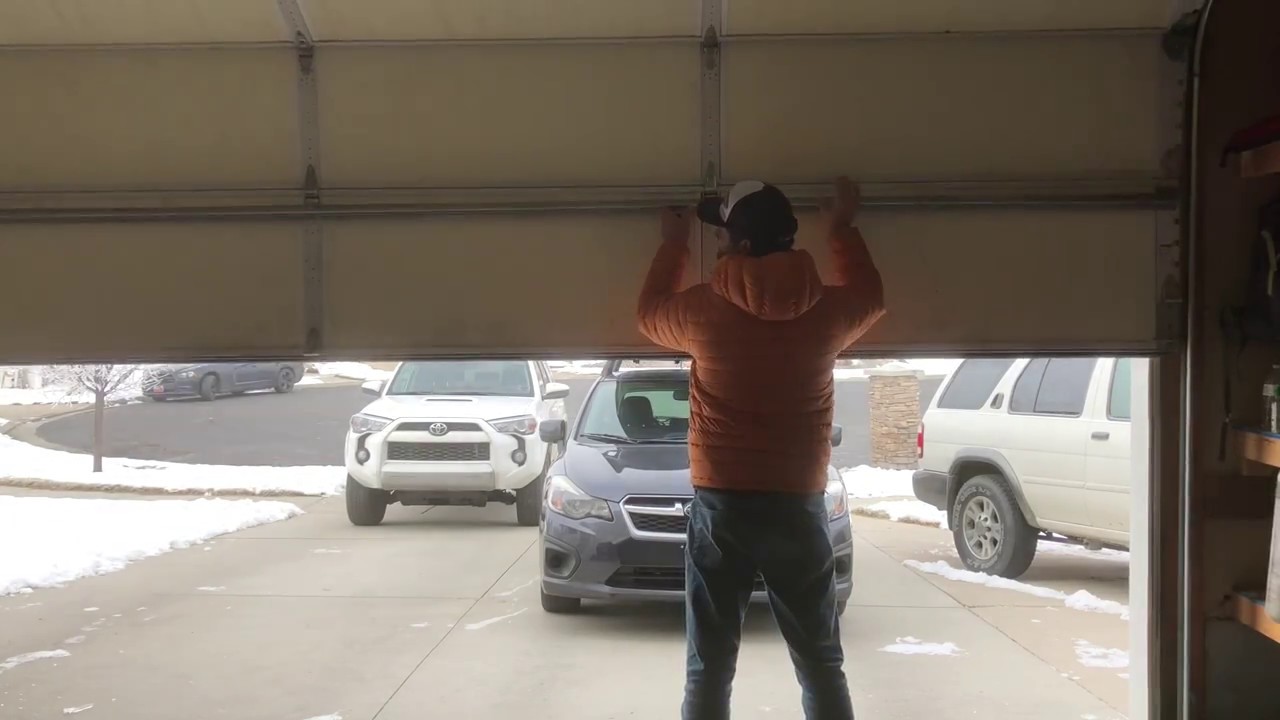
Pro Tip: If you absolutely must attempt to open the door manually, locate the emergency release cord (usually a red rope hanging from the opener trolley). Pulling this cord will disengage the opener from the door, allowing you to lift it by hand. However, if a spring is broken, be prepared for the door to be very heavy and potentially unstable. It’s best to have another person assist you, and if the door feels too heavy to control, do not force it.
Secure Your Garage
With the door inoperable, your garage is vulnerable.
- Lock the Door: If your garage door has a manual lock, engage it.
- Secure Other Entrances: Ensure any other doors leading from the garage into your house are securely locked.
- Consider Temporary Barriers: If the door is stuck partially open and cannot be secured, consider placing temporary barriers like plywood or sawhorses to deter unauthorized entry until a professional can assess the situation.
Contact A Professional Immediately
The safest and most efficient course of action is to contact a qualified garage door repair technician. Garage door springs are under extreme tension and can cause serious injury if handled improperly. Professionals have the specialized tools, knowledge, and experience to safely replace broken springs.
Credit: www.youtube.com
Understanding Garage Door Springs: Types And Function
Garage door springs are the unsung heroes of your overhead door system. They are meticulously engineered to counterbalance the weight of the door, making it easy to lift manually and allowing the opener to do its job efficiently. There are two primary types of springs used in residential garage doors: torsion springs and extension springs. Understanding their differences is key to appreciating the complexity and potential hazards involved in their repair.
Torsion Springs
Torsion springs are the most common type used in modern garage doors. They are mounted horizontally on a stationary rod above the garage door, typically in the center.
- How they work: When the garage door is lowered, the springs are wound tighter, storing energy. When the door is opened, the springs unwind, releasing this stored energy to lift the door. This counterbalancing action effectively neutralizes the door’s weight.
- Lifespan: Torsion springs are rated for a specific number of cycles (one cycle is one full open and close). A typical residential spring is rated for 10,000 to 15,000 cycles, though higher-cycle options are available. Factors like usage, maintenance, and environment can affect their actual lifespan.
- Breakage: When a torsion spring breaks, it usually snaps in the middle, creating a gap. The door becomes incredibly heavy, and the opener will not be able to lift it.
Extension Springs
Extension springs are typically used on older garage door systems or on lighter doors. They are mounted in parallel with the horizontal tracks that guide the door.
- How they work: These springs are stretched as the garage door is lowered. When the door is opened, the springs contract, assisting in lifting the door. They run along the sides of the garage door opening.
- Safety Cables: A crucial safety feature for extension springs are safety cables that run through the center of the springs. These cables are designed to contain the spring if it breaks, preventing it from flying across the garage and causing injury or damage. If your extension springs do not have safety cables, it’s highly recommended to have them installed.
- Breakage: When an extension spring breaks, it usually stretches out or snaps. The door will feel heavier, and the opener will struggle. Because they are under tension when the door is down, they can also pose a significant hazard.
The Importance Of Proper Tension And Balance
Regardless of the type, springs must be properly tensioned and the system must be balanced.
- Balance: A balanced garage door should stay open when you lift it halfway and let go. If it slams shut or shoots upward, the spring tension is incorrect. Incorrect tension can lead to premature spring failure and strain on the opener.
- Pairing Springs: Torsion systems usually have two springs, one for each side of the door. Ideally, they should be replaced in pairs, even if only one has broken. This ensures consistent tension and balanced lifting. Extension springs are also typically installed in pairs.
Garage Door Spring Types Explained provides a more in-depth look at the mechanics of different spring systems.
Common Causes Of Garage Door Spring Failure
Garage door springs are subjected to immense stress every time the door is operated. Over time, this constant tension and release can lead to fatigue and eventual failure. Several factors contribute to why a garage door spring might break, ranging from natural wear and tear to environmental influences and improper installation.
Wear And Tear (age)
The most common cause of spring failure is natural wear and tear due to age and repeated use. Garage door springs are mechanical components with a finite lifespan, typically measured in cycles (one cycle equals one full open and close).
- Cycle Ratings: Most standard residential springs are designed for approximately 10,000 to 15,000 cycles. A household that opens and closes its garage door an average of four times a day will reach this limit in about 7 to 10 years. High-cycle springs can last for 25,000 cycles or more, extending their life significantly.
- Metal Fatigue: With each cycle, the metal in the spring undergoes stress. Over thousands of cycles, the metal fatigues, becoming weaker and more susceptible to breaking.
Corrosion And Rust
Environmental factors can significantly accelerate spring degradation.
- Moisture: Exposure to moisture, humidity, and salt (in coastal areas or from road salt in winter) can lead to rust and corrosion on the spring’s surface. Rust weakens the metal, creating micro-fractures that can propagate and lead to a sudden break.
- Lack of Lubrication: While springs don’t require frequent lubrication, a lack of occasional maintenance can allow rust to form more easily, especially in damp environments.
Improper Tensioning Or Installation
When springs are installed or adjusted, incorrect tensioning can be a major cause of premature failure.
- Over-tensioning: Applying too much tension to a spring puts excessive stress on the metal, making it more likely to snap. This can happen if a technician overwinds a torsion spring or overstretches an extension spring.
- Under-tensioning: While less likely to cause an immediate break, under-tensioned springs don’t properly counterbalance the door, leading to the opener working harder and potentially causing other components to wear out faster. It can also make the door feel heavy.
- Incorrect Size/Type: Installing springs that are the wrong size or type for the specific garage door can lead to imbalance and stress.
Physical Damage Or Obstructions
Occasionally, external factors can cause a spring to break.
- Impacts: While rare, a significant impact to the garage door or the area where the springs are mounted could potentially damage a spring.
- Obstructions: If the door is repeatedly forced against an obstruction, it can put undue stress on the spring system.
Manufacturing Defects
Although less common, manufacturing defects can sometimes lead to a spring failing prematurely. This might involve flaws in the metal or the winding process.
The Dangers Of Diy Spring Replacement
Replacing garage door springs is often cited as a potential DIY project, but it’s crucial to understand the significant risks involved. Garage door springs are arguably the most dangerous component of the entire system due to the immense stored energy they contain. Attempting a DIY replacement without the proper expertise and equipment can lead to severe injury or even death.
High Tension Hazards
- Stored Energy: A garage door spring, whether torsion or extension, is under extreme tension. This tension is what allows it to counterbalance the heavy door. When this tension is released, it can be explosive.
- Whipping Action: If a spring is mishandled during removal or installation, it can whip violently, striking anything in its path. This can cause broken bones, severe lacerations, or eye injuries.
- Door Instability: If one spring breaks, the door’s balance is compromised. Attempting to manipulate the system without releasing tension correctly can cause the door to slam down unexpectedly with tremendous force.
Specialized Tools Required
Replacing springs requires specific tools that most homeowners do not possess.
- Winding Bars: For torsion springs, specialized winding bars (solid steel rods) are essential for safely winding and unwinding the spring. Using makeshift tools like screwdrivers or pipes is incredibly dangerous and can lead to tool failure and injury.
- Winch/Cable Puller: For extension springs, a winch or cable puller might be necessary to safely manage the tension on the cables and springs.
- Clamps: Specialized locking pliers or C-clamps are needed to secure the door and the tracks during the process, preventing accidental movement.
Lack Of Experience And Knowledge
Even with the right tools, a lack of experience can be detrimental.
- Incorrect Tensioning: Professionals have the knowledge to calculate and apply the correct tension for the specific door weight and size. Over- or under-tensioning can lead to immediate failure or shorten the lifespan of the new spring.
- Understanding the System: A technician understands how all the parts of the garage door system interact. They can identify other potential issues, such as worn cables or rollers, that might be exacerbated by spring replacement.
- Safety Procedures: Professionals follow strict safety protocols, including securing the garage door, releasing tension gradually, and wearing appropriate personal protective equipment (PPE) like safety glasses and gloves.
Warning: The U.S. Consumer Product Safety Commission (CPSC) estimates that about 20,000 people are treated in emergency rooms each year for garage door related injuries, with spring and cable failures being a leading cause. This statistic underscores the inherent danger.
Given these risks, it is strongly recommended to hire a qualified garage door technician for any spring replacement. The cost of professional repair is significantly less than the potential cost of medical bills or damage to your property. You can explore average costs for garage door repairs here: How Much for a Garage Door: Costs, Factors, and Savings Tips.
Professional Repair Process: What To Expect
When your garage door spring breaks, calling a professional is the safest and most efficient solution. Reputable garage door repair companies follow a structured process to ensure the repair is done correctly, safely, and efficiently. Understanding this process can help you prepare and feel more confident about the service you receive.
Initial Assessment And Quote
- Scheduling the Appointment: Contact a local garage door service company. They will typically ask for details about your garage door (size, type, brand if known) and the problem you’re experiencing.
- On-Site Inspection: A technician will arrive at your home to inspect the broken spring(s) and the entire garage door system. They will check:
- The broken spring(s) and their condition.
- The condition of the other spring (if applicable) to determine if it also needs replacement.
- The cables, rollers, tracks, and hinges for wear or damage.
- The balance of the door.
- Providing a Quote: Based on the inspection, the technician will provide a detailed quote. This quote should include the cost of parts (springs, potentially cables or other hardware), labor, and any service fees. Make sure the quote specifies whether both springs will be replaced, which is standard practice for torsion spring systems.
The Repair Process
Once you approve the quote, the technician will proceed with the repair.
- Safety Measures: The technician will first secure the garage door. This often involves using C-clamps or locking pliers on the tracks to prevent the door from moving unexpectedly.
- Releasing Tension: The technician will carefully release any remaining tension in the broken spring or the intact spring (if it’s a torsion system). This is done using specialized winding bars and requires precise control.
- Removing Old Springs: The broken spring(s) are removed from the torsion rod or track system. If extension springs are being replaced, the safety cables are also addressed.
- Installing New Springs: New springs, matched to the weight and dimensions of your door, are installed. For torsion systems, the new springs are wound to the correct tension using winding bars. This is a critical step that requires expertise to achieve proper door balance.
- Installing Safety Cables (if applicable): If extension springs are being replaced, new safety cables are threaded through them.
- Re-balancing the Door: After the new springs are installed and secured, the technician will remove the clamps and test the door’s balance. They will adjust the tension as needed to ensure the door remains stable at any position. A properly balanced door should hold its position when you release it halfway open.
- Lubrication and Final Checks: As part of the service, technicians often lubricate the springs, rollers, and hinges to ensure smooth operation. They will perform a final test of the door’s operation, both manually and with the opener, to confirm everything is working correctly and safely.
Post-repair Recommendations
- Opener Testing: After the springs are replaced and the door is balanced, the technician will test the garage door opener to ensure it’s working correctly with the newly balanced door. You might need to reset your garage door opener if it disengaged during the process.
- Maintenance Tips: The technician may offer advice on maintenance, such as how often to lubricate moving parts or what signs to look for that might indicate future issues. Regular maintenance, like ensuring your garage door rollers are lubricated, can extend the life of your system.
- Warranty Information: Inquire about the warranty on the parts and labor. Most reputable companies offer a warranty on new springs and their installation.
Maintaining Your Garage Door Springs For Longevity
While garage door springs are designed to last for many years and thousands of cycles, proper maintenance can significantly extend their lifespan and prevent premature failure. Regular checks and basic upkeep can save you the inconvenience and expense of an unexpected breakdown.
Regular Visual Inspections
Make it a habit to visually inspect your garage door springs at least twice a year, ideally during spring and fall.
- Look for Rust: Check the springs for any signs of rust or corrosion. Pay close attention to the coils and any visible cracks. Small amounts of surface rust can often be addressed, but significant pitting or flaking is a concern.
- Check for Gaps or Cracks: Carefully examine torsion springs for any visible gaps or fractures in the coils. For extension springs, look for wear on the spring itself or the cables.
- Examine Cables: Ensure the cables attached to the springs are intact, not frayed, and properly tensioned.
Lubrication
While springs themselves don’t typically need lubrication in the same way rollers or tracks do, keeping