
When considering a garage door opener installation, many homeowners look to big-box retailers like Home Depot for convenience and perceived cost savings. The idea of purchasing the opener and having it installed by a professional, all through one provider, is appealing.
However, understanding the specifics of what Home Depot charges for this service requires a closer look at their installation process, pricing factors, and the value proposition they offer compared to independent garage door specialists. This article will break down the costs associated with Home Depot garage door opener installations, what influences those costs, and what you can expect from the service.
Key Takeaways
- Home Depot Installation Costs: Expect to pay between $300 and $700 for professional garage door opener installation through Home Depot, with the total cost depending on the opener model and any additional services required.
- Opener Unit Price: The cost of the garage door opener itself typically ranges from $150 to $400, with premium models and features increasing the price.
- Installation Labor Fees: Labor costs for installation generally fall between $150 and $300, though this can vary based on the complexity of the installation and the installer’s rates.
- Factors Influencing Cost: The type of opener (chain, belt, direct drive), the need for new wiring, the existing garage door opener system, and any necessary structural modifications significantly impact the final price.
- What’s Typically Included: Home Depot’s installation service usually covers the mounting of the opener, connection to power, programming of remotes and keypads, and basic testing.
- Potential Additional Costs: Issues like outdated electrical wiring, the need for a new electrical outlet, or specialized mounting hardware can incur extra charges.
- Comparing Options: While Home Depot offers convenience, it’s essential to compare their bundled pricing with quotes from local, independent garage door technicians, who may offer more specialized expertise or competitive pricing for labor.
Credit: www.homedepot.com
Understanding Home Depot’s Garage Door Opener Installation Service
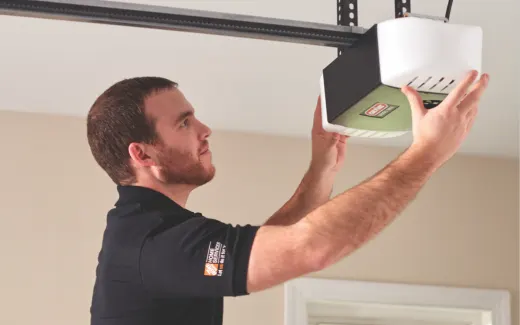
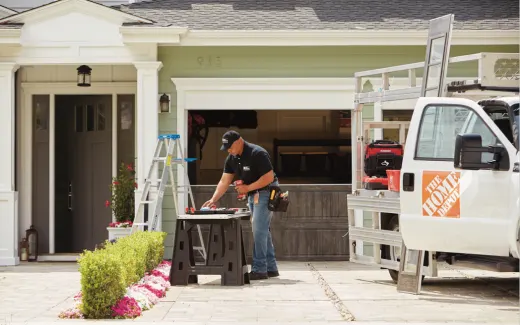
Home Depot offers a comprehensive solution for homeowners looking to upgrade their garage door opener. They partner with a network of third-party installers, often referred to as “Home Depot Authorized Installers” or through their internal installation services, to provide a bundled product and service package.
This approach aims to simplify the process for consumers, allowing them to purchase the opener and schedule installation appointments conveniently. The pricing structure typically involves the cost of the opener unit itself, plus a separate fee for the professional installation labor.
The convenience factor is a significant draw. Home Depot provides a wide selection of garage door openers from popular brands like Chamberlain, LiftMaster, and Genie. Customers can select an opener that fits their budget and desired features, then book an installation appointment, often directly through the store or online.
This integrated service model removes the need for customers to source an opener and then find a separate installer, streamlining the entire upgrade process. However, it’s crucial to understand that Home Depot acts as a facilitator, and the actual installation is performed by independent contractors or a dedicated installation team vetted by Home Depot.
Factors Affecting Home Depot’s Installation Charges
Several variables contribute to the final cost of a garage door opener installation by Home Depot. Understanding these factors can help homeowners anticipate the total expense and make informed decisions.
The Garage Door Opener Unit Itself
The primary component of the cost is the garage door opener unit. Home Depot offers a range of models with varying features and price points. Generally, openers can be categorized by their drive mechanism:
- Chain Drive Openers: These are typically the most affordable option. They use a chain to move the trolley along the rail. While durable and reliable, they can be noisier than other types. Prices for chain drive openers at Home Depot usually range from $150 to $250.
- Belt Drive Openers: These use a rubber belt, offering a quieter operation, making them ideal for garages attached to living spaces. They are generally more expensive than chain drives. Expect to pay between $200 and $350 for a belt drive opener.
- Direct Drive Openers: In these systems, the motor is integrated into the trolley, moving the door directly. They are known for their quiet operation and speed but are often the most expensive option. Prices can range from $300 to $400 or more.
- Smart Openers: Many modern openers come with smart capabilities, allowing for control via smartphone apps, integration with smart home systems, and advanced security features. These premium features can add $50 to $150 or more to the opener’s base price.
The specific brand and model chosen will significantly influence the opener’s cost, which is a substantial part of the overall installation expense.
Installation Labor Costs
Beyond the opener unit, Home Depot charges a separate fee for the professional installation. This labor cost covers the technician’s time, expertise, and the tools required for a proper installation. The average installation labor cost through Home Depot typically falls between $150 and $300. However, this figure can fluctuate based on:
- Complexity of the Installation: A straightforward installation on a standard garage door with existing mounting points will be less labor-intensive than a complex one.
- Geographic Location: Labor rates can vary significantly by region due to differences in the cost of living and market demand for skilled trades.
- Installer’s Schedule and Availability: In some cases, demand for installers might influence pricing.
- Need for Additional Materials: If the installer needs to run new electrical wiring, install a new outlet, or use specialized mounting brackets, these will add to the labor time and material costs.
It’s important to note that Home Depot often provides a bundled price quote that includes both the opener and the installation, but understanding the breakdown helps in evaluating the value.
Existing Garage Door And Infrastructure
The condition and type of your existing garage door and its supporting infrastructure play a crucial role in installation costs.
- Existing Opener System: If you are replacing an old opener, the existing mounting hardware, wiring, and power source might be compatible, simplifying the installation. However, if the old system is outdated or incompatible, new wiring or mounting solutions may be required, increasing labor time and material costs.
- Garage Door Type and Weight: Heavy or unusually sized garage doors might require a more powerful opener and potentially reinforced mounting hardware, adding to the cost. The installer needs to ensure the opener is appropriately matched to the door’s specifications.
- Electrical Requirements: Most garage door openers require a standard 120-volt electrical outlet near the opener motor. If your garage lacks a conveniently located outlet, an electrician may need to be hired to install one, which is an additional cost outside of Home Depot’s scope. The installer will assess if the existing wiring is adequate and safely meets the opener’s power requirements.
- Ceiling Height and Mounting Space: The height of your garage ceiling and the available space for mounting the opener’s rail can affect installation ease. Very high ceilings or limited space might require specialized mounting kits or techniques, incurring extra charges.
Additional Services And Upgrades
Sometimes, the initial quote might not cover all potential needs. Home Depot installers may identify issues or recommend upgrades during the installation process that lead to additional charges.
- Reinforcement Brackets: Older garage doors might not have sufficient structural integrity to support the mounting bracket for the opener. In such cases, reinforcement brackets may be necessary, adding to the cost.
- Extension Kits: For garages with very high ceilings, an extension kit for the opener’s rail might be needed, which comes with an additional part cost and increased installation time.
- Weather Stripping and Sealing: While not directly related to the opener installation, if the installer notices significant gaps or damage to weather stripping around the garage door, they might offer to replace it, adding to the overall bill.
Credit: www.homedepot.com
What Is Typically Included In Home Depot’s Installation Service?
When you opt for a Home Depot garage door opener installation, the service aims to provide a complete, functional system. Understanding what’s generally included ensures you know what to expect and can ask relevant questions.
Opener Unit Installation And Mounting
The core of the service involves securely mounting the new garage door opener motor unit to the garage ceiling or wall. This includes assembling the rail system and attaching it to the header beam above the garage door. The installer will ensure the opener is properly aligned and firmly secured according to manufacturer specifications and safety standards.
Connection To Garage Door
A critical step is connecting the opener’s trolley mechanism to the garage door itself via the opener arm. This connection allows the opener to physically lift and lower the door. The installer will adjust the arm for optimal performance and ensure it doesn’t impede the door’s manual operation or movement.
Electrical Connection And Power Up
The installer will connect the opener unit to a power source. This typically involves plugging it into an existing, compatible electrical outlet. If any minor electrical work is needed that falls within their scope (e. g. , rerouting a cord safely), they may handle it, but significant electrical modifications are usually outside the standard installation package.
Programming Of Remotes And Keypads
Once the opener is installed and powered, the installer will program the included remote controls and any new wireless keypads. This allows you to operate the opener from your vehicle or the exterior of your garage. They will typically program a set number of remotes and ensure the keypad is responsive.
Safety Feature Testing And Adjustment
Modern garage door openers are equipped with crucial safety features, including auto-reverse mechanisms and force adjustments. The installer is responsible for testing these features thoroughly.
- Photo-Eye Sensors: These sensors, mounted near the bottom of the garage door track, detect obstructions and prevent the door from closing on an object or person. The installer will ensure they are properly aligned and functioning.
- Force Settings: The opener is set to exert a specific amount of force to open and close the door. The installer will adjust these settings so the door opens and closes smoothly without excessive force, and importantly, reverses if it encounters resistance.
- Manual Release: They will demonstrate how to use the manual release cord, which allows you to disconnect the opener from the door in case of a power outage or emergency, enabling manual operation. You can learn more about this process in our guide on how to open your garage door manually.
Basic Operational Testing
Finally, the installer will perform a series of tests to ensure the opener is operating smoothly, quietly (relative to its drive type), and reliably. This includes opening and closing the door multiple times and checking for any unusual noises or binding.

Credit: allamericanoverheadgaragedoor.com
Potential Additional Costs And What To Watch Out For
While Home Depot aims for transparent pricing, certain situations can lead to unexpected additional charges. Being aware of these potential pitfalls can help you prepare and avoid surprises.
Electrical Work Beyond Basic Plug-in
As mentioned, if your garage does not have a suitable electrical outlet within reach of the opener’s power cord, you will likely incur additional costs. Home Depot’s installers are generally not licensed electricians. If new wiring or a dedicated outlet is required, they will typically stop the installation and advise you to hire a qualified electrician. The cost for an electrician to install a new outlet can range from $150 to $400, depending on the complexity and your location.
Structural Modifications Or Reinforcements
Some older homes or garage doors might have structural limitations that prevent standard opener installation.
- Reinforcing the Header Beam: If the wooden beam above the garage door (the header) is not sturdy enough to support the opener’s mounting bracket, it may need reinforcement. This could involve adding extra wood supports or metal brackets, which adds material and labor costs.
- Reinforcing the Door Itself: In rare cases, the garage door panel might be too flimsy to attach the opener arm securely. A reinforcement plate or bracket might be needed, increasing the overall expense.
Upgrading Existing Hardware
If your current garage door hardware, such as the torsion springs or rollers, is worn out or inadequate, it might affect the new opener’s performance and longevity. While not always mandatory, an installer might recommend replacing worn rollers or adjusting springs for optimal operation. If you’re interested in maintenance, check out our guide on how to lubricate garage door rollers.
Removal Of Old Opener
The standard installation fee might not always include the removal and disposal of your old garage door opener. If you want the old unit taken away, inquire about this service beforehand. There might be a separate fee, typically ranging from $50 to $100, for this service.
Specialized Mounting Solutions
For garages with uniquely shaped ceilings, very high doors, or specific architectural features, standard mounting hardware might not suffice. Custom solutions or specialized mounting kits can add significantly to the cost, both in terms of parts and the extended labor time required.
Example Scenario: The Unexpected Electrical Need
Consider a homeowner who purchases a new belt-drive opener and schedules installation with Home Depot. During the visit, the installer discovers that the existing outlet is on the opposite side of the garage and the opener’s cord won’t reach without an unsafe extension cord.
The installer cannot proceed with the electrical connection. The homeowner then has to hire an electrician to install a new outlet near the opener’s intended location. This adds several hundred dollars to the project’s total cost, which was not initially factored into the Home Depot quote.
Comparing Home Depot Installation With Independent Technicians
While Home Depot offers a convenient one-stop solution, it’s often wise to compare their bundled pricing with quotes from local, independent garage door specialists. Each option has its pros and cons.
Home Depot’s Advantages
- Convenience: Purchasing the opener and scheduling installation through a single point of contact is a significant benefit for busy homeowners.
- Product Selection: Home Depot offers a wide variety of popular brands and models, allowing for choice based on features and budget.
- Warranty and Support: Home Depot typically provides a warranty on both the product and the installation labor, offering a layer of security.
- Established Reputation: As a large, well-known retailer, Home Depot offers a certain level of trust and accountability.
Independent Technician’s Advantages
- Potentially Lower Labor Costs: Independent technicians may sometimes offer more competitive labor rates compared to the bundled pricing from a large retailer.
- Specialized Expertise: Local specialists often have deep knowledge of various garage door systems and common issues specific to the region. They might be more adept at diagnosing and fixing complex problems.
- Faster Scheduling: In some cases, independent technicians might offer quicker scheduling availability than a large retail installation service.
- Customization and Problem-Solving: For unique garage setups or older homes, an independent technician might provide more tailored solutions and problem-solving expertise.
- Direct Communication: You are dealing directly with the person or small team performing the work, which can lead to clearer communication and accountability.
Cost Comparison Table
To illustrate potential differences, consider a hypothetical scenario for installing a mid-range belt-drive opener:
| Feature | Home Depot (Estimated) | Independent Technician (Estimated) | Notes |
|---|---|---|---|
| **Opener Unit Cost** | $250 – $350 | $230 – $330 | Price varies by brand and model. Independent techs may offer deals. |
| **Installation Labor** | $150 – $300 | $120 – $250 | Independent rates can be lower; Home Depot’s is often bundled. |
| **Potential Extras** | $50 – $300+ | $50 – $300+ | Electrical work, reinforcement, old opener removal. Highly variable. |
| **Total Estimated Cost** | **$450 – $950+** | **$400 – $880+** | Independent may offer slightly lower total if labor is cheaper. |
Pro Tip: Always get detailed quotes from both Home Depot and at least two independent garage door companies. Ensure quotes specify exactly what is included (opener model, labor, removal, warranty).
When To Consider Diy Vs. Professional Installation
While this article focuses on professional installation costs, it’s worth briefly touching upon the DIY option. Installing a garage door opener is a moderately complex task that involves electrical connections and mechanical adjustments.
Diy Installation Considerations
- Cost Savings: The primary driver for DIY is saving on labor costs, which can be significant.
- Technical Skill: You need to be comfortable with basic electrical wiring, mechanical assembly, and using tools. Reading and understanding technical manuals is crucial.
- Time Commitment: DIY installation typically takes longer than professional installation, often several hours or even a full day.
- Warranty Implications: While the opener unit itself will have a manufacturer’s warranty, DIY installation might void the warranty on certain components or the opener itself if not performed correctly according to the manufacturer’s guidelines. Professional installation by an authorized installer usually ensures the warranty remains valid.
- Safety Risks: Incorrect installation can lead to safety hazards, including the opener malfunctioning, failing to engage safety features, or even causing damage to the garage door or property.
Professional Installation Recommended If:
- You lack the necessary tools or technical expertise.
- You are uncomfortable working with electrical components.
- Your garage has unique structural challenges or requires electrical modifications.
- You want to ensure the installation is done correctly to maintain the manufacturer’s warranty.
- You value your time and prefer a quick, hassle-free solution.
For most homeowners, especially those without prior experience, opting for professional installation through Home Depot or an independent technician is the safer and more reliable choice. For those comfortable with the process, resources like DIY guides for adjusting openers can be helpful.
Frequently Asked Questions
What Is The Average Cost For Home Depot To Install A Garage Door Opener?
The average total cost for a garage door opener installation through Home Depot typically ranges from $300 to $700. This price includes the cost of the opener unit itself (which can vary significantly) and the professional installation labor. Factors like the type of opener (chain, belt, smart features) and the complexity of the installation site can push the total cost higher.
Does Home Depot Include The Opener Unit In Their Installation Price?
Yes, Home Depot’s garage door opener installation service is usually a bundled package. The quote you receive will generally include the price of the selected opener unit and the labor cost for its professional installation. It’s essential to confirm this when getting a quote, as pricing structures can sometimes vary.
Are Home Depot Installers Employees Or Contractors?
Home Depot typically utilizes third-party contractors or authorized independent dealers for their garage door opener installations. These installers are vetted by Home Depot, but they are not usually direct employees of the company. This means the communication and scheduling process might involve an intermediary.
What If My Garage Needs Electrical Work For The Opener?
If your garage requires new electrical wiring or a dedicated outlet to power the new opener, this is usually not included in the standard Home Depot installation fee. The installer will likely inform you of the need for an electrician, and you will need to arrange for and pay for that service separately. This can add several hundred dollars to your overall project cost.
Does Home Depot Remove The Old Garage Door Opener?
The removal of the old garage door opener is not always included in the standard installation package. You should specifically ask Home Depot or the installer about this service. If it’s not included, there will likely be an additional fee, typically ranging from $50 to $100, to haul away and dispose of the old unit.
Choosing to install a new garage door opener is a significant upgrade for any home, enhancing convenience and security. Home Depot offers a streamlined process for this, combining product purchase with professional installation. While the convenience is undeniable, understanding the breakdown of costs, from the opener unit itself to the labor and potential additional expenses like electrical work or structural modifications, is key.
By weighing the bundled pricing against quotes from independent technicians and considering your own technical comfort level, you can make the most informed decision for your garage door opener project.