
Stepping into your garage and opening the door with just a button press feels simple, almost magical. But behind that smooth movement is a smart system working in harmony. Garage door openers are a blend of engineering, safety technology, and everyday convenience—an invention that’s become a silent partner in millions of homes.
If you’ve ever wondered how these devices work, what makes them safe, or how to choose the right one, you’re not alone.
Understanding garage door openers is important for every homeowner. They’re not just about convenience; they’re also about security and safety. A well-functioning opener can keep your home safe, while a faulty or outdated one can be a risk. In this guide, we’ll break down the parts, the technology, and the science behind garage door openers.
You’ll also learn about common types, smart features, and what to consider when buying or troubleshooting your system. By the end, you’ll see garage door openers with new appreciation—and you’ll know exactly what’s happening the next time you press that button.
The Basic Principle Of Garage Door Openers
Garage door openers are designed to make opening and closing heavy garage doors easy and safe. The core idea is simple: a motorized device powers a mechanical system that lifts and lowers the door, usually along tracks.
When you press your remote or wall button, it sends a signal to the opener’s control unit. This unit activates the electric motor, which moves a drive mechanism (like a chain, belt, or screw). The drive turns a trolley that pulls the door up or pushes it down. Springs on the door help balance the weight so the motor doesn’t work too hard.
Modern systems add safety sensors, rolling codes for security, and sometimes Wi-Fi connectivity. But at the core, every opener uses a blend of mechanical force and electronic control.
Main Components Of A Garage Door Opener
A garage door opener is more than just a motor. Here are the essential parts and how they work together:
- Electric Motor: The heart of the system, usually between 1/3 and 1 horsepower (HP). It supplies the power to move the door.
- Drive Mechanism: This connects the motor to the door. Common types are chain, belt, screw, and direct drive.
- Trolley: Attaches to the drive and moves along a rail. The trolley connects to the garage door’s arm.
- Rail: The track that guides the trolley back and forth.
- Door Arm: A metal bar that links the trolley to the garage door.
- Safety Sensors: Placed near the floor, these detect objects or people in the path of the door.
- Limit Switches: These tell the opener when the door is fully open or closed, stopping the motor automatically.
- Remote Controls: Handheld transmitters that send wireless signals to the opener.
- Wall Control Panel: Usually mounted inside the garage, this lets you operate the opener from inside.
- Emergency Release Cord: A safety feature that disconnects the opener so you can open the door manually in a power outage.
Each component works together to make operation smooth, safe, and reliable. If one part fails, the whole system can stop working or become dangerous.
Types Of Garage Door Openers
Not all openers are the same. The main difference is how the motor connects to the door. Here are the most common types, with their pros and cons:
| Type | Main Feature | Noise Level | Best For |
|---|---|---|---|
| Chain Drive | Metal chain pulls trolley | Moderate to Loud | Detached garages, low cost |
| Belt Drive | Rubber belt moves trolley | Very Quiet | Attached garages, bedrooms above |
| Screw Drive | Rotating steel rod | Moderate | Wide doors, simple designs |
| Direct Drive | Motor moves along rail | Ultra Quiet | Silence, premium choice |
| Jackshaft | Mounted on wall, turns torsion bar | Quiet | High ceilings, limited space |
Chain Drive Openers
These are the oldest and most popular type. They use a metal chain to pull or push the door. Chain drive openers are reliable and affordable, but they can be noisy. If your garage is attached to your house or below a bedroom, noise may be a concern.
Belt Drive Openers
A belt drive uses a reinforced rubber belt instead of a chain. This makes operation much quieter. Belt drives are a good choice for homes where quiet is important. They tend to cost more but last longer with less maintenance.
Screw Drive Openers
This type uses a threaded steel rod to move the trolley. Screw drives have fewer moving parts, which means less maintenance. They work well for wide or heavy doors but can get noisy if not lubricated. They don’t perform as well in very hot or cold climates.
Direct Drive Openers
Direct drive openers have the motor itself move along the rail, pulling the door. This design is almost silent and has very few moving parts. It’s a newer technology, often more expensive, but it offers excellent durability and quiet operation.
Jackshaft Openers
A jackshaft opener mounts on the wall beside the garage door. It turns the torsion bar that lifts the door. This is great for garages with high ceilings or limited overhead space. Jackshafts are usually quiet and reliable, but they cost more and don’t work with all door types.
How The Garage Door Opener System Works
When you press the button on your remote or wall control, a sequence of actions happens quickly and smoothly:
- Signal Sent: The remote control sends a coded radio signal to the opener’s receiver.
- Receiver Activates Motor: The opener’s control board recognizes the signal, then powers the motor.
- Motor Powers Drive: The motor turns the drive mechanism (chain, belt, screw, or shaft).
- Trolley Moves: The drive moves the trolley along the rail, pulling or pushing the door.
- Door Opens or Closes: The trolley, connected to the door arm, lifts or lowers the garage door.
- Limit Switches Stop Movement: When the door reaches the fully open or closed position, limit switches cut power to the motor.
- Safety Sensors Monitor Path: If anything interrupts the beam between the safety sensors, the opener will stop or reverse.
This whole process takes a few seconds. The system is designed to be safe, efficient, and reliable.
Safety Features In Modern Garage Door Openers
Garage doors are heavy—often more than 100 pounds (45 kg). Safety is not optional; it’s essential. Over the years, manufacturers have added several features to prevent accidents and injuries.
Photoelectric Safety Sensors
These are also called photo eyes or infrared sensors. Two small boxes are installed on either side of the garage door, near the floor. They send an invisible beam across the opening. If a person, pet, or object breaks the beam while the door is closing, the opener will immediately stop and reverse.
Auto-reverse System
This feature uses the motor’s force sensor. If the door hits an object on the way down (like a bike or your car’s bumper), it will reverse direction. This prevents the door from crushing anything in its path.
Emergency Release Cord
Every opener has a red emergency cord that hangs from the trolley. Pulling this cord disconnects the door from the opener, so you can lift the door by hand. This is crucial during a power outage.
Rolling Code Technology
Older remotes used fixed codes, which could be copied by thieves. Modern openers use rolling codes, where the code changes every time you press the button. This makes it almost impossible for someone to “hack” your garage.
Manual Locking And Security Features
Some openers have vacation modes or keypad locks. These features let you disable remote operation when you’re away, adding another layer of security.
Power And Performance: Motor Types And Horsepower
The motor is the most important part of any opener. It determines how well the door lifts and how long the system lasts.
Motor Types
Most garage door openers use AC (alternating current) or DC (direct current) motors.
- AC motors: Traditional and reliable, but less efficient and louder.
- DC motors: Quieter, use less energy, and support soft start/stop functions. They’re used in most modern openers.
Horsepower Ratings
Choosing the right horsepower (HP) depends on your garage door’s size and weight.
| Horsepower | Door Type | Best Use |
|---|---|---|
| 1/3 HP | Single, lightweight (wood, aluminum) | Small homes, light doors |
| 1/2 HP | Standard double, heavier steel | Most common garage doors |
| 3/4 HP | Oversized, insulated, wood | Large or heavy doors, high use |
| 1 HP+ | Commercial, custom wood | Extra-large or industrial doors |
If your door is unbalanced or heavier than normal, choose a higher HP. Underpowered motors wear out quickly and can be unsafe.
Remote Control, Wireless Keypads, And Smart Features
Over the years, the way we control garage doors has evolved. Remotes are now smarter and more secure.
Remote Controls
Most openers come with handheld remotes. These use radio frequencies (usually 315 or 390 MHz) to send codes to the opener. Modern remotes use rolling codes, which change with every use for security.
Wireless Keypads
A keypad mounted outside the garage lets you enter a PIN to open the door. This is handy if you’re out for a walk or need to let family in without a remote.
Smart Garage Door Openers
The latest openers can connect to your home Wi-Fi. With a smart opener, you can:
- Open or close your garage from your smartphone.
- Get alerts if the door is left open.
- Allow deliveries or visitors access when you’re not home.
- Integrate with smart home systems like Amazon Alexa or Google Home.
Some systems even use geofencing: your door opens automatically as you drive up.
Battery Backup
Many newer openers include a battery backup. This keeps your door working during a power outage—a small detail, but very useful.
Security Aspects Of Garage Door Openers
A garage can be a weak point in home security. That’s why opener manufacturers have added features to keep thieves out.
Rolling Code Encryption
The rolling code system means each button press sends a new code, making it almost impossible for someone to copy your remote signal.
Lockout Modes
Some wall panels let you lock the system so remotes won’t work. This is helpful if you’re on vacation or need extra security.
Automatic Door Lock
Some high-end openers have a deadbolt-style lock that engages every time the door closes. This makes it very hard to force the door open from outside.
Security Lighting
Many openers have bright LED lights that turn on when the door is activated. This helps deter intruders and makes coming home at night safer.
Installation: Professional Vs Diy
Installing a garage door opener is a project many homeowners tackle themselves. But it’s not as simple as plugging it in—safety and balance matter.
What’s Involved In Installation
- Mounting the opener to the ceiling or wall
- Attaching the rail and trolley
- Connecting the door arm
- Wiring the safety sensors and wall panel
- Programming remotes and limits
- Testing the safety systems
When To Hire A Pro
If your door is very heavy, uses special springs, or you’re not confident with electrical wiring, it’s best to call a pro. Improper installation can damage your door or create safety hazards.
Diy Tips
- Always unplug the opener before working on it.
- Make sure the door is properly balanced—it should lift easily by hand.
- Test the auto-reverse system with a 2×4 or similar object.
- Secure all wiring and check that safety sensors are aligned.
Common Problems And Troubleshooting
Even the best garage door opener can run into trouble. Here are some frequent issues and how to solve them:
- Remote Doesn’t Work: Check the batteries, ensure you’re in range, and make sure the opener’s antenna is hanging down.
- Door Won’t Open or Close: Look for blocked sensors, or check if the door is locked manually.
- Opener Makes Noise but Door Doesn’t Move: The door may be disconnected from the trolley, or the chain/belt may be broken.
- Door Reverses Before Closing: Sensors may be misaligned or dirty. Clean and adjust them.
- Flashing Lights or Error Codes: Consult your opener’s manual. Many units have diagnostic lights to help pinpoint problems.
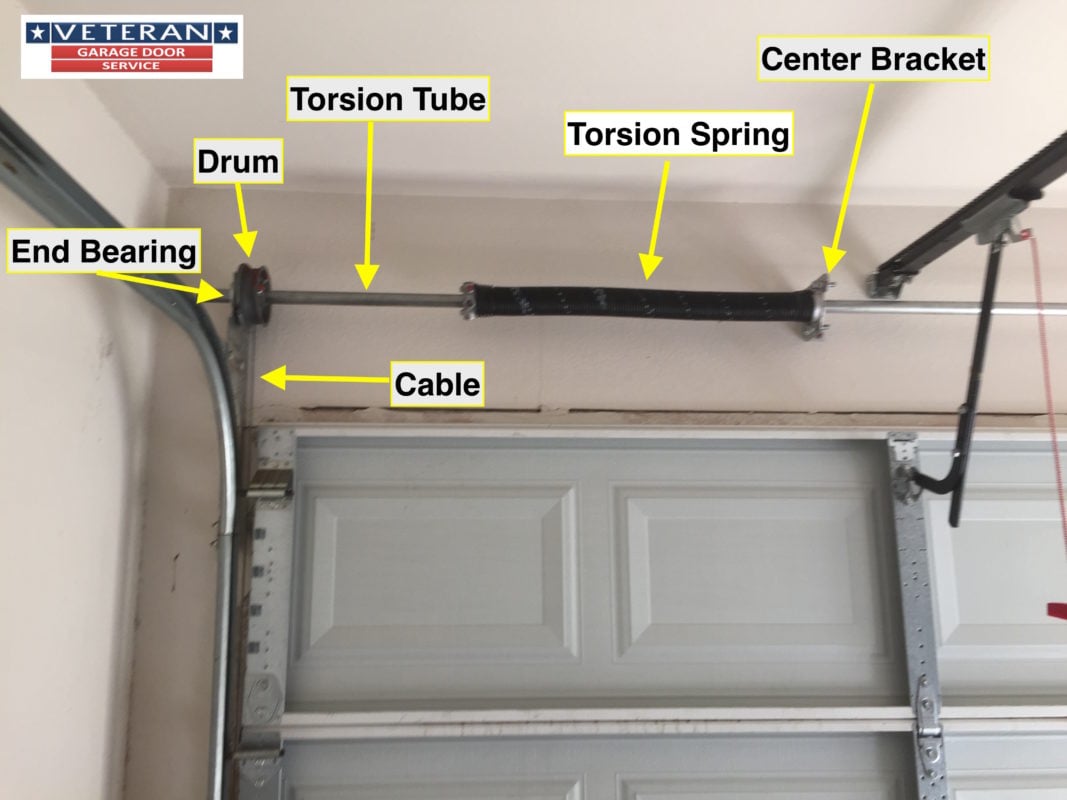
A non-obvious tip: If your opener is struggling, check the garage door’s balance and spring tension. Most openers are designed to “pull” a well-balanced door, not lift the full weight. If the springs are worn out, the opener will fail quickly.
Energy Efficiency And Environmental Impact
It’s easy to overlook, but garage door openers use electricity every day. With modern technology, you can find models that are both powerful and efficient.
- Standby power: Older openers can use 5–10 watts even when idle. Newer models use less than 1 watt in standby.
- LED lighting: Replaces energy-hungry bulbs with long-lasting, efficient LEDs.
- DC motors: Use less electricity and support battery backup.
If you’re eco-conscious, look for openers with energy certifications and low standby consumption.
How To Choose The Right Garage Door Opener
With so many options, making the right choice can feel overwhelming. Here are the key factors:
- Door Size and Weight: Match the horsepower to your door. Heavy, insulated, or wood doors need more power.
- Noise Level: If your garage is attached to living spaces, go for a belt or direct drive.
- Safety Features: Make sure it includes safety sensors, auto-reverse, and rolling codes.
- Smart Features: If you want app control, alerts, or integration with smart home systems, look for Wi-Fi enabled models.
- Ceiling Space: For garages with low or high ceilings, jackshaft models may be best.
- Backup Power: If you live in an area with outages, battery backup is a wise investment.
- Budget: Prices range from $150 for basic models to $600 or more for high-end, feature-packed openers.
A common mistake: Choosing an opener based only on price. Underpowered or low-quality models often fail early and cost more in the long run.

Maintenance And Longevity
A garage door opener can last 10–15 years, sometimes longer. With simple maintenance, you can extend its life and keep it running smoothly.
Regular Maintenance Tasks
- Lubricate the chain, belt, or screw every 6 months.
- Check and align safety sensors regularly.
- Test the auto-reverse system every few months.
- Replace remote batteries as needed.
- Inspect the door’s balance and springs—the door should stay up when lifted halfway by hand.
Signs It’s Time To Replace
- The opener is more than 15 years old and lacks modern safety features.
- It’s noisy, unreliable, or repairs are frequent.
- The door doesn’t close evenly, or safety sensors stop working.
New openers offer better security, quieter operation, and smart features that older units can’t match.
The Evolution Of Garage Door Openers
The first electric garage door opener was invented in 1926, but it wasn’t until the 1950s that remote controls became common. Today’s openers are quieter, smarter, and more secure than ever.
Key Innovations
- Rolling code technology (1990s): Improved security dramatically.
- Smartphone integration (2010s): Added convenience and control.
- Battery backup (2010s): Ensured operation during blackouts.
- Direct drive and jackshaft designs: Made openers quieter and more versatile.
As technology advances, garage openers will continue to add features like voice control, advanced diagnostics, and integration with home energy systems.
Real-world Examples And Data
- The average garage door opens and closes about 1,500 times per year.
- According to the US Consumer Product Safety Commission, over 30,000 injuries related to garage doors occur annually—mostly due to old or faulty openers lacking safety features.
- Modern Wi-Fi enabled openers can reduce “forgotten open garage” incidents by up to 40%, improving home security.
These stats underline why updating and understanding your opener is important.
Comparison: Old Vs Modern Garage Door Openers
To highlight the difference, here’s a comparison of a typical 1990s opener and a modern smart opener:
| Feature | 1990s Opener | Modern Opener |
|---|---|---|
| Remote Security | Fixed code | Rolling code encryption |
| Safety Sensors | Rare or absent | Standard (required by law) |
| Noise Level | Loud (chain, AC) | Quiet (belt, DC, direct drive) |
| Smart Features | None | Wi-Fi, app control, alerts |
| Battery Backup | No | Yes (optional/standard) |
Practical Tips And Insights
- Always check the balance of your garage door before blaming the opener. A door that’s hard to lift by hand puts extra strain on the opener.
- Safety sensors must be kept clean and aligned. Even spider webs or dust can block the beam.
- Consider future needs: If you plan to get an electric car, choose an opener with enough clearance for charging cables.
- Garage door openers are not universal—make sure remotes and keypads are compatible with your brand and model.
Many homeowners miss these small details, leading to frustration or extra costs later.
Where To Learn More
If you want to dive deeper into the history, safety standards, or technical specs, the official Wikipedia page on garage door openers is a reliable resource.

Frequently Asked Questions
How Do Garage Door Openers Keep My Home Secure?
Modern openers use rolling code technology that changes the remote code every time you use it. This prevents thieves from copying your signal. Some models also have automatic locks and vacation modes that add extra layers of protection.
Can I Install A Garage Door Opener Myself?
If you’re handy with tools and can safely work with electricity, yes. However, if your door is heavy or you’re unsure, it’s safer to hire a professional. Incorrect installation can cause injury or damage your door.
Why Is My Garage Door Opener Making A Grinding Noise?
Grinding noises often mean the chain, belt, or gear is worn or needs lubrication. Check for loose parts, lubricate moving sections, and inspect for damage. If the problem continues, a part may need replacement.
What Should I Do If My Remote Stops Working?
First, replace the batteries. Make sure you’re within range and the opener’s antenna is visible. If it still doesn’t work, reprogram the remote or consult the manual for troubleshooting steps.
How Often Should I Maintain My Garage Door Opener?
Lubricate moving parts every 6 months, test the safety features every 2-3 months, and replace batteries as needed. Regular checks help prevent bigger problems and extend the opener’s life.
Understanding how garage door openers work isn’t just for the curious—it’s a key part of keeping your home safe, secure, and convenient. With the right knowledge, you can choose, maintain, and even upgrade your system with confidence. Whether you stick with a basic model or invest in the latest smart features, you’ll appreciate the engineering and safety that goes into every smooth, reliable door movement.